

 HOME
HOME PRODUCT CENTER
 ABOUT US
 DOWNLOAD CENTER
 SUPPORT CENTER
 SUBSCRIBE
 BLOG
BLOGBuilding a Profitable DTF Printing Brand

The custom apparel and personalized merchandise industry is evolving rapidly, and Direct-to-Film (DTF) printing has become one of the most reliable and scalable technologies within this space. Unlike traditional printing methods, DTF printing allows businesses to produce vibrant, durable, and highly detailed designs on a wide range of fabrics without complex setup requirements. Because of this flexibility, many entrepreneurs are entering the DTF printing market with the hope of building a successful brand.
However, owning a DTF printer alone does not guarantee success. The market is becoming increasingly competitive, and customers now have many choices. To grow sustainably, you must build a strong DTF printing brand that customers recognize, trust, and prefer over others. Branding is not just about a logo or a name; it includes your values, quality standards, customer experience, online presence, and long-term vision.
This comprehensive guide explains how to build a profitable and memorable DTF printing brand from the ground up. It focuses on strategy, quality, marketing, customer loyalty, and long-term growth while keeping SEO best practices in mind to help your business rank well on Google.
Understanding the DTF Printing Market
Before you build a brand, you must clearly understand the market you are entering. DTF printing serves a wide range of customers, from individual creators to bulk apparel buyers. Understanding demand trends and customer behavior helps you make smarter branding decisions.
Market Growth and Opportunities
DTF printing is popular because it removes many limitations of older printing techniques. It works on cotton, polyester, blends, and even darker fabrics. This makes it suitable for:
Small clothing brands
Sports teams and clubs
Corporate merchandise
Promotional products
Personalized gifts
Local businesses
The growing demand for customized products means customers are actively searching online for reliable DTF printing services. A well-positioned brand can capture this demand effectively.
Identifying Your Target Audience
A successful brand is built for a specific audience, not everyone. Defining your target customers helps shape your messaging, pricing, and services.
Defining Customer Profiles
Ask yourself the following questions:
Are you targeting individuals or businesses?
Do your customers want bulk orders or single custom prints?
Are they price-sensitive or quality-focused?
Are they local customers or online buyers?
Possible target segments include:
Startup clothing brands
Influencers and content creators
Event organizers
Local schools and colleges
Corporate clients
Each audience has different expectations, and your brand should reflect that clearly.
Competitor Research and Market Positioning
Competitor analysis is essential for differentiation. Instead of copying others, study the market to find gaps.
What to Analyze in Competitors
Focus on:
Pricing structure
Product quality
Turnaround time
Customer reviews
Branding and communication style
Online presence and SEO
By understanding competitor strengths and weaknesses, you can position your brand more effectively and offer better value.
Creating a Strong Brand Identity
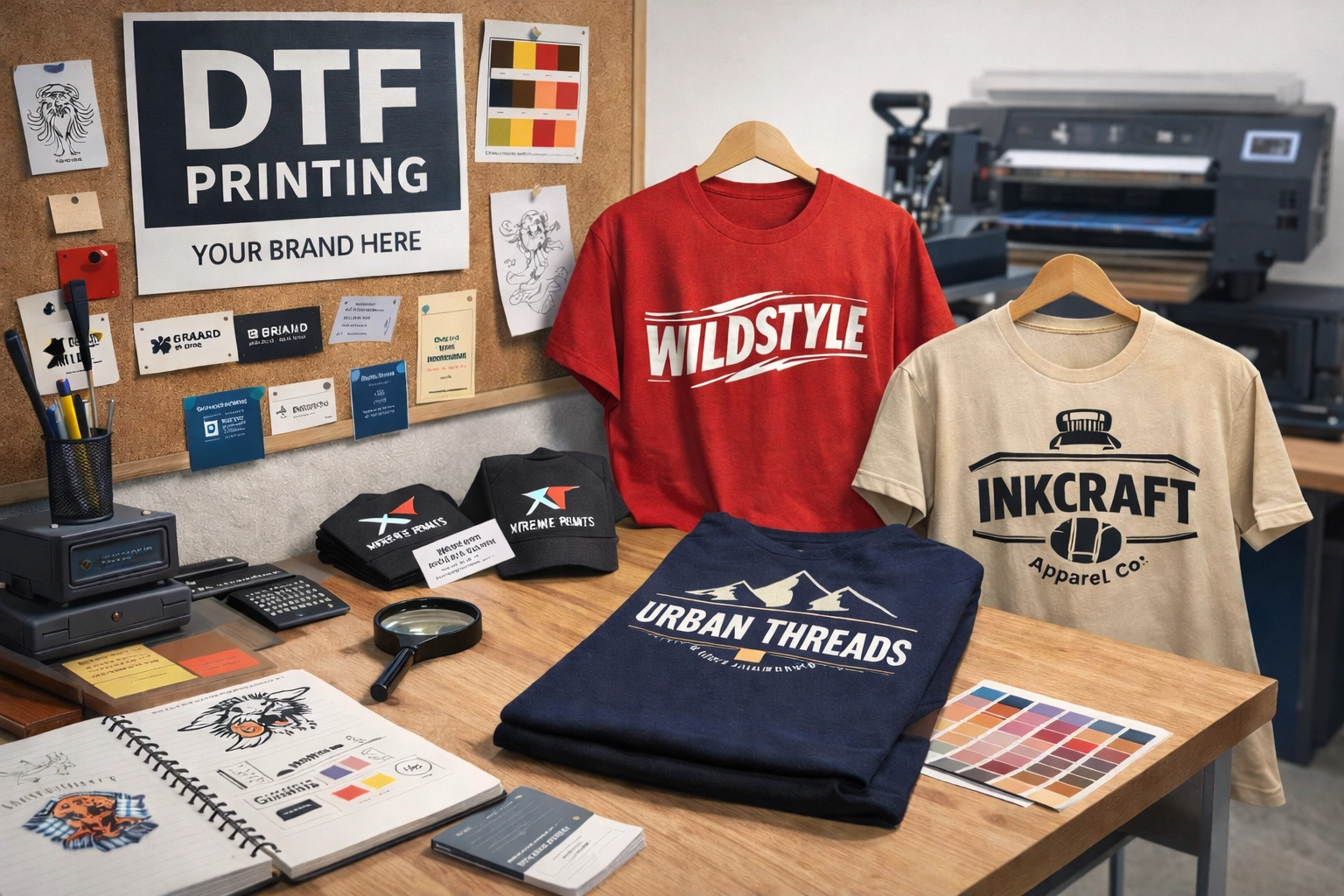
Brand identity is the foundation of customer recognition and trust.
Defining Your Unique Selling Proposition (USP)
Your USP explains why customers should choose you. It should be simple, clear, and customer-focused. Examples include:
Faster delivery times
Premium print durability
Eco-friendly materials
Specialized niche designs
Affordable bulk pricing
A strong USP makes your brand memorable and easier to market.
Developing a Consistent Brand Voice
Your brand voice reflects your personality and values. Decide whether your tone will be:
Professional and corporate
Friendly and casual
Creative and bold
Premium and exclusive
Consistency across your website, social media, emails, and customer support builds trust and professionalism.
Designing Visual Brand Elements
Visual branding includes:
Logo design
Color palette
Typography
Packaging style
Even though your product is printed apparel, presentation still matters. Professional branding increases perceived value and customer confidence.
Offering High-Quality DTF Products
Quality is non-negotiable in the printing industry. One bad product can damage your brand reputation.
Choosing the Right Materials
Use high-quality:
DTF inks for vibrant colors
Transfer films with consistent adhesion
Adhesive powder that ensures durability
Low-quality materials may reduce costs initially but lead to customer complaints and refunds.
Maintaining Print Consistency
Consistency builds trust. Establish quality control processes such as:

Regular test prints
Color calibration checks
Wash-test durability verification
Inspection before dispatch
Customers should receive the same quality every time they order.
Pricing Strategy for Long-Term Growth
Pricing should balance profitability and competitiveness.
Avoid Underpricing
Many new businesses underprice their services to attract customers. This often leads to losses and burnout. Instead, calculate pricing based on:
Material costs
Labor time
Machine maintenance
Marketing expenses
Desired profit margin
Transparent and fair pricing builds long-term sustainability.
Building a Professional Online Presence
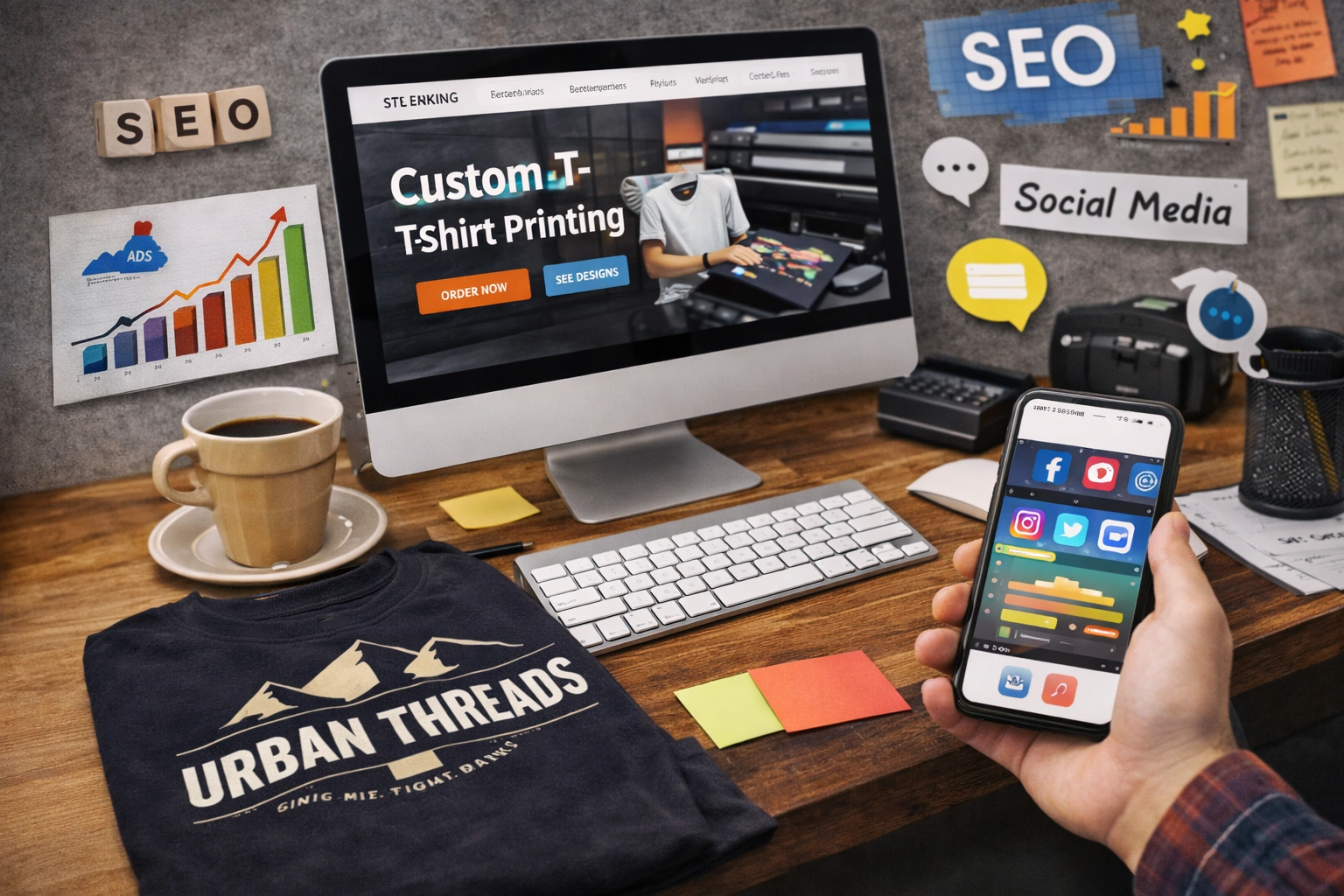
Your online presence is often your first interaction with potential customers.
Creating a Conversion-Focused Website
Your website should be:
Mobile-friendly
Fast-loading
Easy to navigate
Essential elements include:
Clear service descriptions
High-quality product samples
Simple ordering process
Contact information
Customer reviews
A professional website increases trust and improves Google rankings.
Search Engine Optimization (SEO)
SEO is critical for organic traffic. Focus on:
Keyword-optimized content
Clear headings and structure
Internal linking
Fast page speed
Informative blog posts
Publishing helpful DTF-related content positions your brand as an authority and attracts potential customers.
Leveraging Social Media Marketing
Social media allows you to showcase creativity and build relationships.
Content Ideas for DTF Brands
Printing process videos
Before-and-after designs
Customer testimonials
New product launches
Educational tips
Consistency and authenticity matter more than follower count.
Strategic Collaborations and Partnerships
Partnerships help expand your reach without heavy advertising costs.
Influencer Collaborations
Work with creators whose audience matches your target market. Authentic promotion builds credibility and brand awareness.
B2B Partnerships
Collaborate with:
Clothing brands
Event planners
Marketing agencies
Local businesses
These partnerships can generate recurring orders and stable revenue.
Enhancing Customer Experience
Customer experience directly impacts brand loyalty.
Providing Reliable Customer Support
Ensure:
Quick response times
Clear communication
Order transparency
Professional handling of complaints
Satisfied customers often become repeat buyers and brand advocates.
Building a Customer Loyalty System
Encourage repeat business through:
Discount codes
Membership benefits
Referral rewards
Early access to new services
Retaining customers is more cost-effective than acquiring new ones.
Scaling Your DTF Printing Brand
Once your foundation is strong, focus on growth.
Expanding Product Offerings
Introduce:
New apparel categories
Custom packaging
Private labeling
Bulk order solutions
Expansion should align with your brand identity.
Investing in Automation
As order volume increases, automation helps maintain quality and speed. Efficient workflows reduce errors and operational stress.
Managing Brand Reputation
Online reputation matters more than ever.
Handling Reviews and Feedback
Encourage honest reviews and respond professionally to negative feedback. Transparency builds credibility and trust.
Long-Term Brand Vision
Successful brands think long-term.
Staying Updated with Industry Trends
Monitor:
Printing technology advancements
Fashion trends
Consumer behavior changes
Adaptation keeps your brand relevant and competitive.
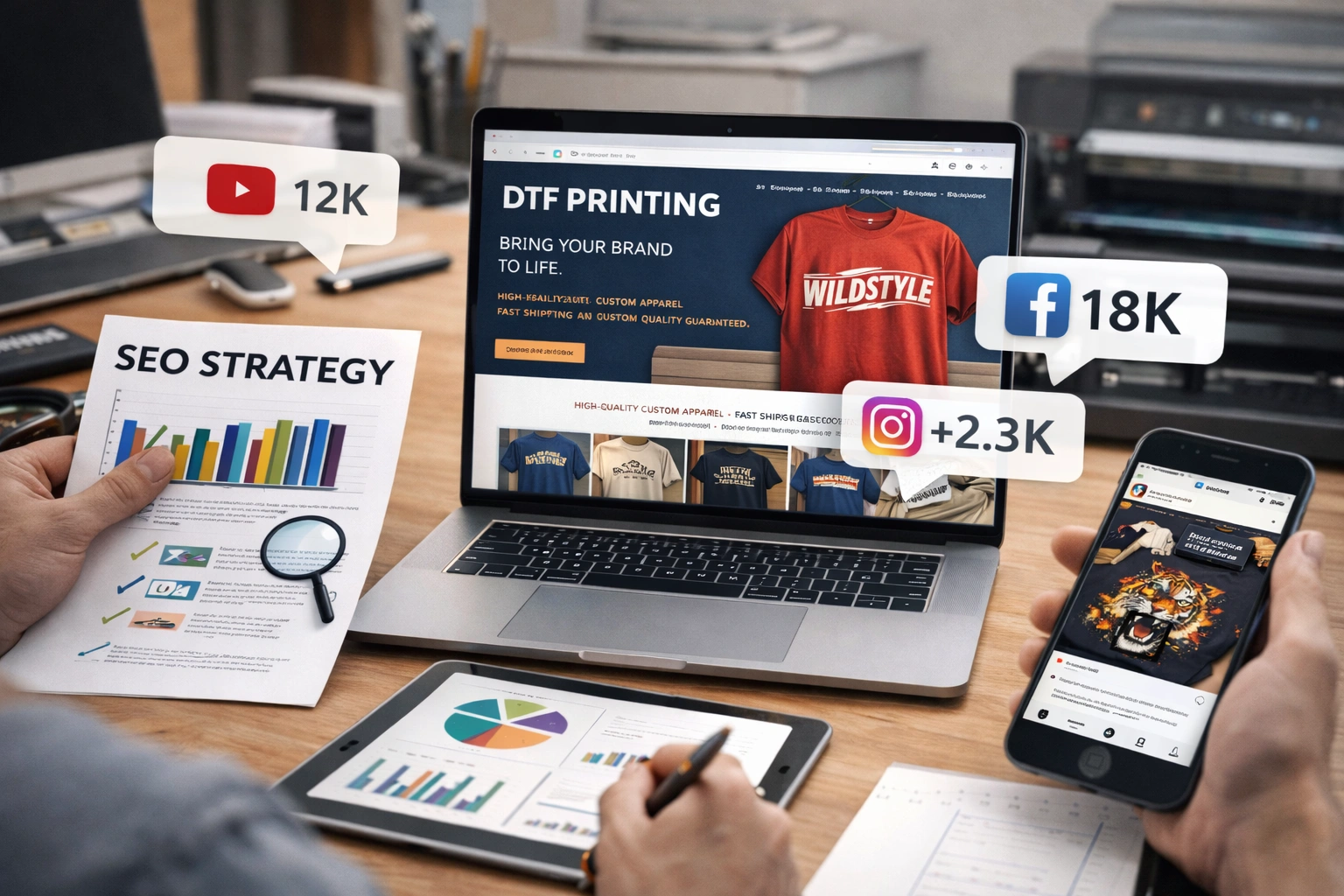
Conclusion
Building a profitable DTF printing brand requires more than technical knowledge. It demands strategic planning, consistent quality, strong branding, effective marketing, and exceptional customer experience. By understanding your market, defining your unique identity, and focusing on long-term value, you can create a brand that stands out in the competitive DTF printing industry.Explore our high-quality DTF printers here.
Brand success does not happen overnight, but with patience, consistency, and continuous improvement, your DTF printing business can grow into a trusted and recognizable name.
Frequently Asked Questions
What is DTF printing?
DTF printing is a method where designs are printed onto a special film and then transferred onto fabric using heat, producing vibrant and durable prints.
Is DTF printing suitable for beginners?
Yes, DTF printing is beginner-friendly and does not require complex setup compared to traditional printing methods.
How can I make my DTF brand stand out?
Focus on quality, customer service, niche targeting, strong branding, and consistent online presence.
Does SEO really help a DTF printing business?
Yes, SEO helps attract organic traffic, build authority, and generate long-term leads without heavy advertising costs.
How long does it take to build a strong DTF brand?
Brand building is a gradual process and typically takes several months of consistent effort and improvement.