

 HOME
HOME PRODUCT CENTER
 ABOUT US
 DOWNLOAD CENTER
 SUPPORT CENTER
 SUBSCRIBE
 BLOG
BLOGDTF Printer Printhead Comparison Guide
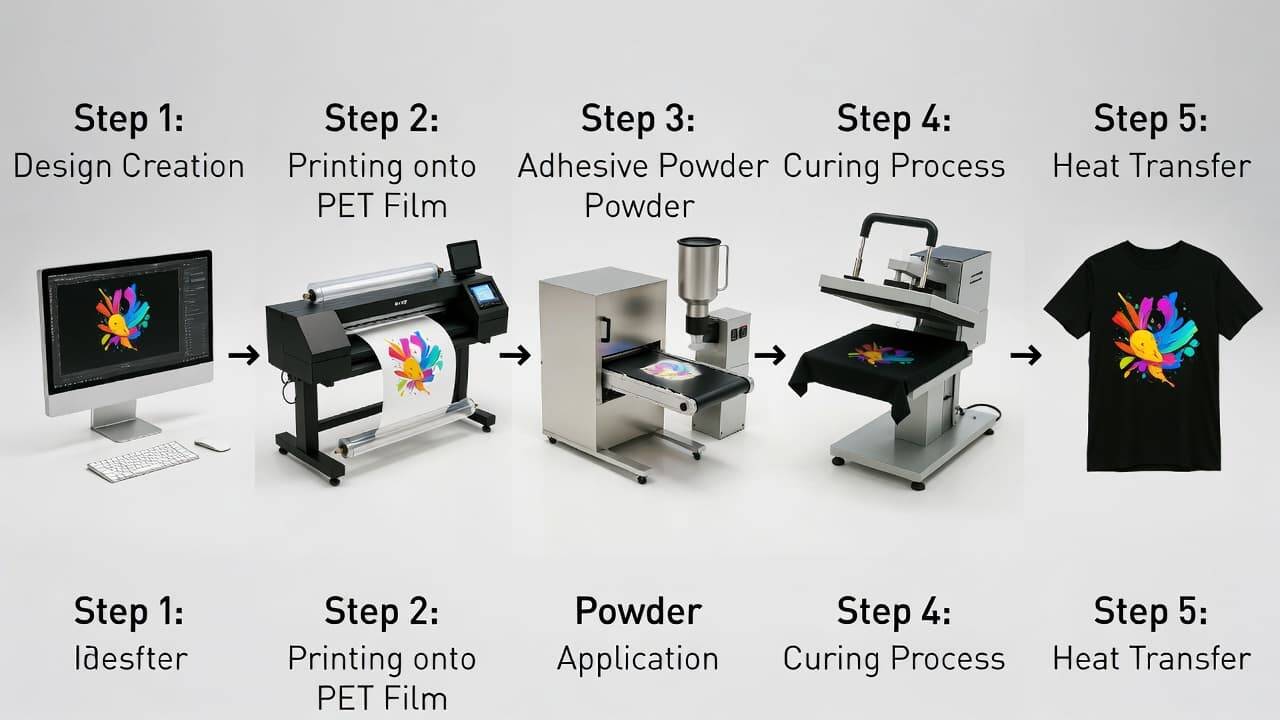
Direct-to-Film (DTF) printing has rapidly transformed the custom apparel and textile decoration industry. As businesses look for flexible, cost-effective, and high-quality printing solutions, DTF technology has emerged as one of the most practical and scalable methods available today. Whether you run a startup T-shirt business, a mid-sized print shop, or a high-volume production facility, understanding DTF printer components—especially the printhead—is essential for long-term success.
The printhead is the heart of any DTF printer. It directly impacts print quality, speed, durability, maintenance requirements, and overall production efficiency. Among the most widely used printheads in the DTF market are the Epson i3200, XP600, and i1600. Each offers unique advantages and is suited to specific business models and production goals.
In this comprehensive guide, we will explore:
How DTF printing works
The core benefits of DTF technology
Detailed comparisons of i3200, XP600, and i1600 printheads
Technical specifications and performance differences
Cost considerations and return on investment
Which printhead is best for your business
By the end of this article, you will have a clear understanding of which DTF printhead aligns best with your needs.
What Is DTF Printing?
DTF (Direct-to-Film) printing is a digital printing process where designs are printed onto a special PET film using DTF inks. After printing, adhesive powder is applied to the wet ink. The film is then cured and heat-pressed onto fabric or other substrates.
Unlike DTG (Direct-to-Garment) printing, DTF does not require pre-treatment of garments. It also offers broader compatibility across materials.
How the DTF Process Works
Design creation in RIP software
Printing onto PET film
Application of hot-melt adhesive powder
Curing the powder
Heat pressing onto fabric
Peeling the film
This process creates vibrant, durable prints with excellent stretch resistance.
Key Benefits of DTF Printing
Before diving into printhead comparisons, it's important to understand why DTF printing has become so popular in the first place.
1. Exceptional Print Quality
DTF printers produce sharp details, rich colors, and smooth gradients. White ink layering enhances vibrancy on dark fabrics.
2. Wide Material Compatibility
DTF works on:
Cotton
Polyester
Cotton-poly blends
Nylon
Denim
Leather
Performance fabrics
This versatility gives businesses flexibility in product offerings.
3. No Pre-Treatment Required
Unlike DTG printing, DTF eliminates the need for garment pre-treatment, saving time and labor costs.
4. Strong Durability
DTF prints are highly resistant to cracking, peeling, and fading when properly applied.
5. Cost-Effective for Small and Large Runs
DTF is ideal for:
On-demand printing
Small custom batches
Bulk production
Lower setup costs make it attractive for startups.
Why the Printhead Matters in a DTF Printer
The printhead determines:
Print resolution
Ink droplet size
Printing speed
Ink compatibility
Maintenance frequency
Lifespan
Choosing the wrong printhead can result in higher maintenance costs, slower production, or inconsistent print quality. Therefore, understanding the technical differences between i3200, XP600, and i1600 is critical.
Epson i3200 Printhead: High-End Performance Powerhouse
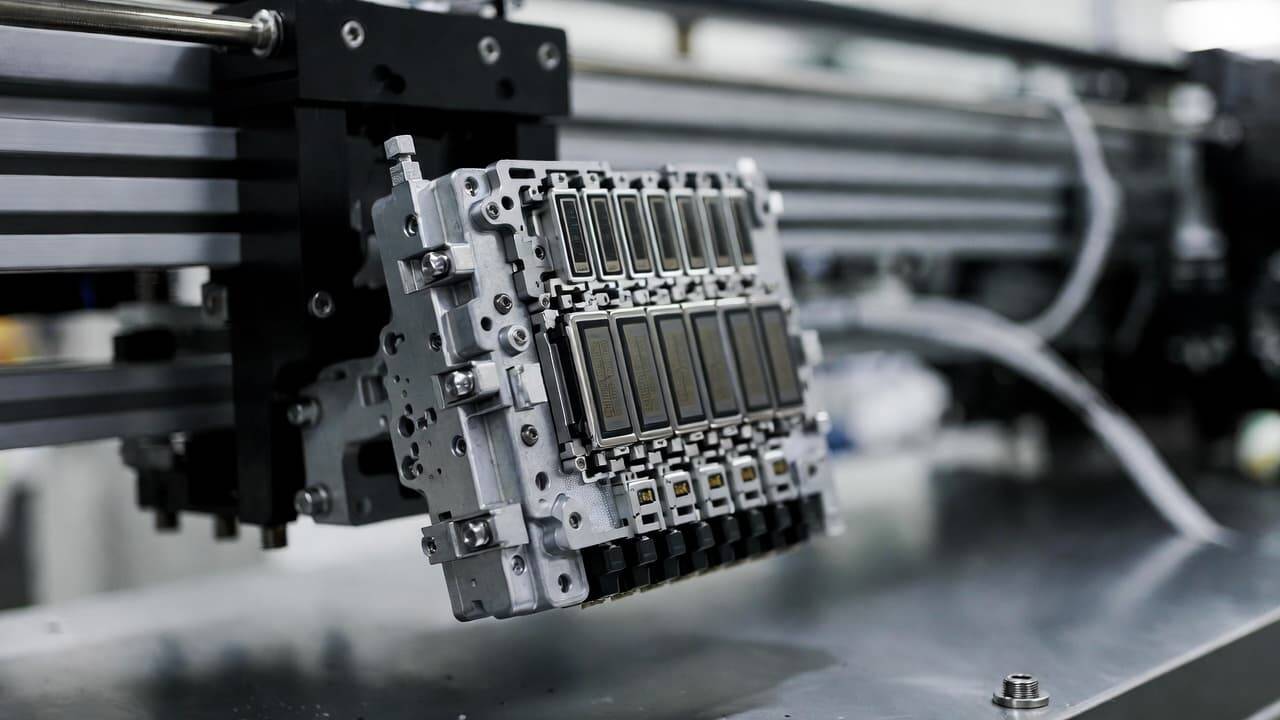
The Epson i3200 is considered one of the most advanced and reliable printheads available for DTF printing.
Key Features of i3200
Resolution: Up to 1200 dpi
Technology: PrecisionCore MicroTFP
Channels: 8 channels
Droplet Technology: Variable droplet size
Speed: High-speed industrial performance
Advantages of i3200
1. Superior Print Quality
With variable droplet technology, the i3200 produces smooth gradients and ultra-sharp fine details. This makes it ideal for complex artwork and photorealistic prints.
2. Industrial-Level Speed
The i3200 is built for high-volume production environments. It maintains speed without compromising quality.
3. Long-Term Durability
This printhead is engineered for extended use and tends to experience fewer clogging issues when maintained properly.
4. Stable White Ink Handling
White ink is essential in DTF printing. The i3200 manages white ink circulation effectively, reducing sedimentation problems.
Ideal For:
Large-scale production facilities
Professional print shops
Businesses with high daily output
Brands prioritizing premium quality
Considerations
Higher upfront cost
Requires stable power supply and controlled environment
Best utilized in medium to high production volumes
XP600 Printhead: Balanced Performance and Affordability
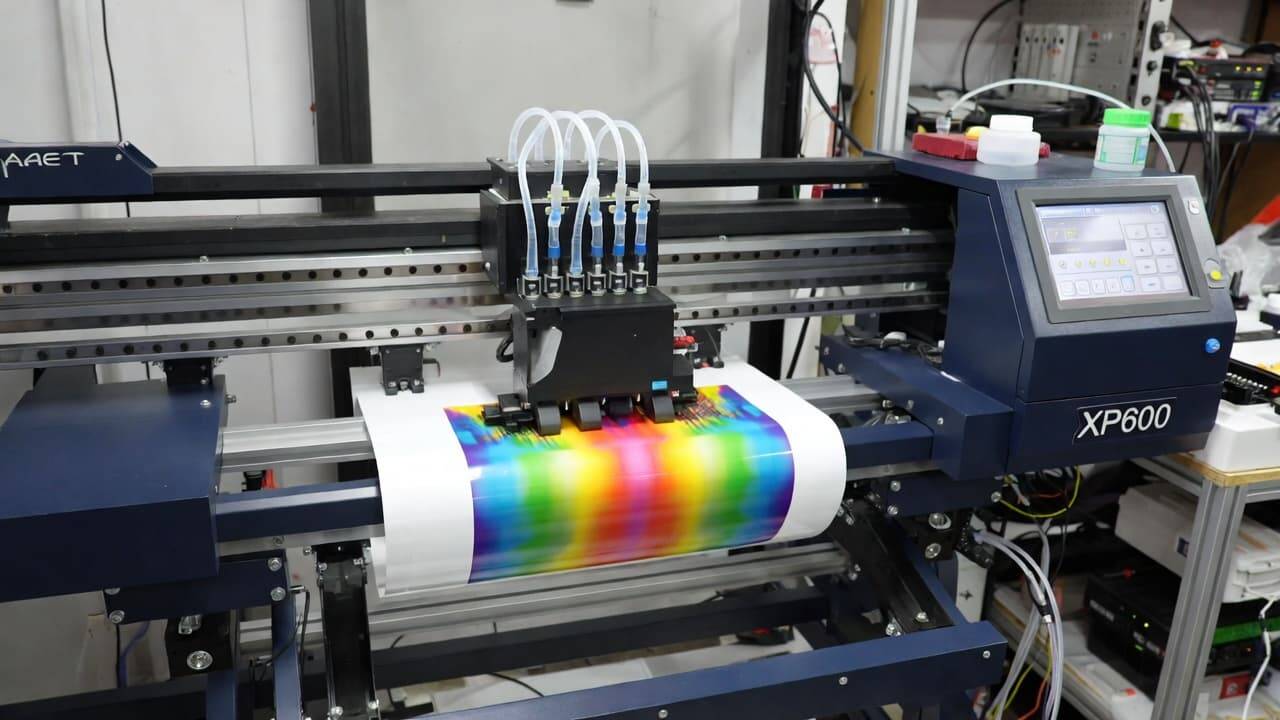
The XP600 is widely used in entry-level and mid-range DTF printers. It offers a solid balance between cost and performance.
Key Features of XP600
Resolution: Up to 1440 dpi
Droplet Size: Small droplet output
Speed: Moderate
Ink Compatibility: Wide compatibility
Advantages of XP600
1. High Resolution Output
With up to 1440 dpi capability, the XP600 delivers impressive detail quality, especially for graphics and small text.
2. Cost-Effective Entry Option
It is significantly more affordable than the i3200, making it popular among small businesses.
3. Flexible Ink Compatibility
The XP600 supports various DTF ink formulations, giving users flexibility.
4. Easy Maintenance
While maintenance is required regularly, the process is manageable for beginners.
Ideal For:
Small to medium businesses
Startups entering DTF printing
Moderate production environments
Custom apparel shops
Considerations
Slower than i3200
May require more frequent maintenance
Not ideal for heavy industrial output
Epson i1600 Printhead: Speed and Budget Efficiency
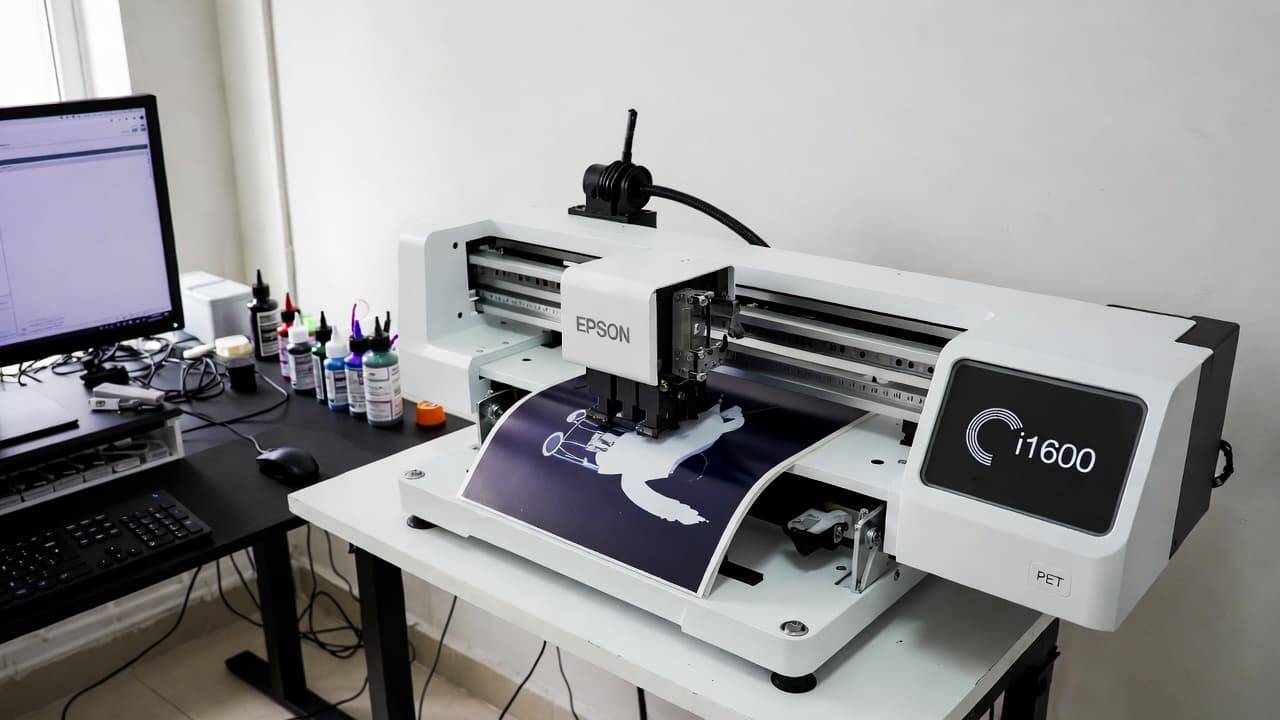
The i1600 is designed for users who want reliable speed and lower investment costs.
Key Features of i1600
Resolution: Up to 600 dpi
Speed: Fast
Cost: Budget-friendly
Setup: User-friendly
Advantages of i1600
1. Fast Production
The i1600 prioritizes printing speed, making it suitable for quick-turnaround jobs.
2. Lower Investment Cost
This printhead is more affordable, reducing initial business risk.
3. Simplified Setup
It allows new users to start production quickly with minimal configuration complexity.
4. Energy Efficient
Often consumes less power compared to industrial-grade printheads.
Ideal For:
New entrepreneurs
Small print shops
On-demand printing
Budget-conscious businesses
Considerations
Lower maximum resolution compared to others
Not suitable for highly detailed photorealistic designs
More suitable for standard graphics
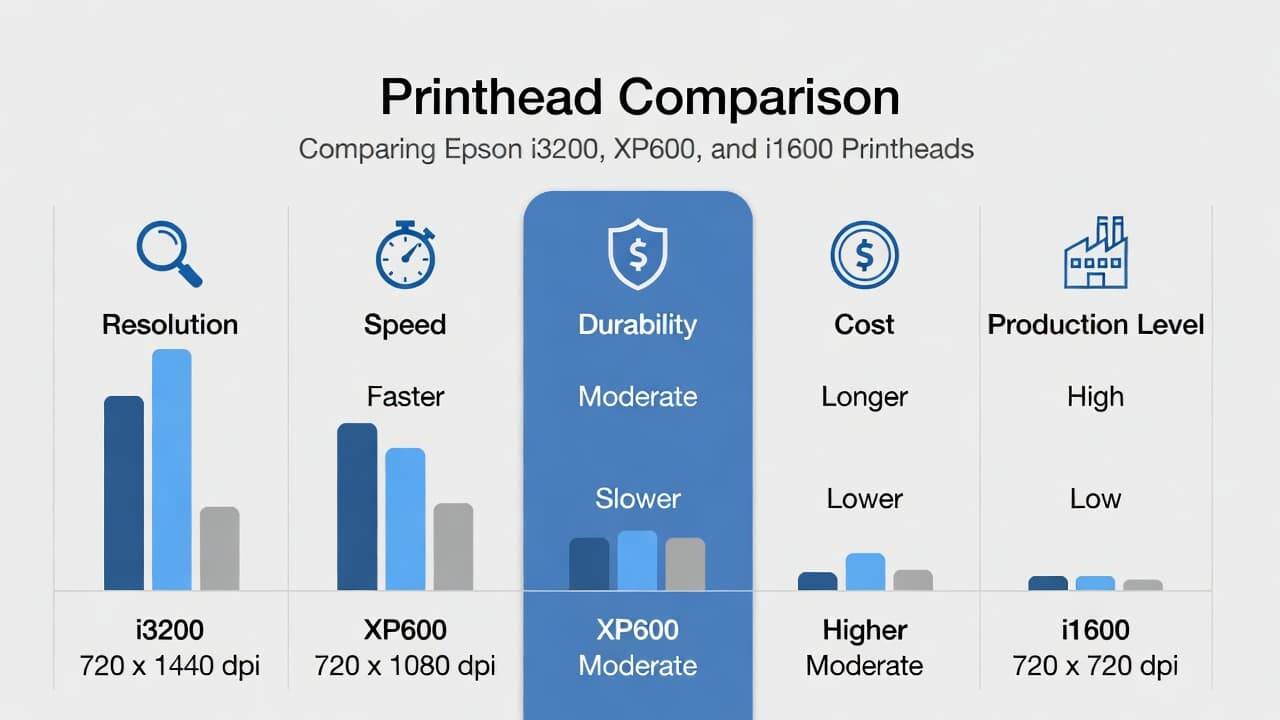
Detailed Comparison: i3200 vs XP600 vs i1600
| Feature | i3200 | XP600 | i1600 |
|---|---|---|---|
| Maximum Resolution | 1200 dpi | 1440 dpi | 600 dpi |
| Print Speed | High | Moderate | Fast |
| Production Level | Industrial | Mid-range | Entry-level |
| Durability | High | Moderate | Standard |
| Ink Handling | Excellent | Good | Good |
| Maintenance | Low to Moderate | Moderate | Moderate |
| Initial Cost | High | Medium | Low |
| Best For | Large-scale production | Small-medium businesses | Startups |
Cost vs Return on Investment (ROI)
When selecting a printhead, you must evaluate both upfront investment and long-term profitability.
i3200 ROI
Higher initial cost but:
Faster production
Higher daily output
Reduced downtime
Strong durability
Best for scaling businesses.
XP600 ROI
Balanced investment with:
Good print quality
Manageable maintenance
Moderate production capability
Strong option for stable mid-sized businesses.
i1600 ROI
Low startup cost with:
Quick entry into the market
Lower financial risk
Suitable for testing business viability
Ideal for beginners.
Maintenance and Longevity
Proper maintenance significantly extends printhead lifespan.
General Maintenance Tips
Daily nozzle checks
Regular white ink agitation
Proper humidity control
Use recommended DTF inks
Perform routine cleaning cycles
Avoid long idle periods
Environmental control (temperature and humidity) plays a critical role in preventing clogs and ink drying.
Which DTF Printhead Should You Choose?
Your decision should depend on:
1. Business Size
Startup → i1600
Growing business → XP600
Established production facility → i3200
2. Print Volume
Low volume → i1600
Medium volume → XP600
High volume → i3200
3. Design Complexity
Basic graphics → i1600
Detailed logos → XP600
Photorealistic artwork → i3200
4. Budget Allocation
Always consider long-term scalability rather than only initial price.
Future Trends in DTF Printhead Technology
DTF printing continues to evolve. Manufacturers are focusing on:
Improved white ink circulation systems
Faster curing systems
Smart maintenance alerts
Eco-friendly ink compatibility
AI-based print calibration
Investing in a scalable printhead ensures your business stays competitive.
Final Thoughts
Choosing the right DTF printer printhead is one of the most important decisions for any printing business. While the i3200 offers industrial-grade quality and speed, the XP600 provides a balanced solution for mid-level operations. The i1600 stands out as a cost-effective and accessible option for startups entering the DTF market.
There is no universally “best” printhead—only the best one for your specific business goals.
Carefully evaluate your:
Budget
Production requirements
Target market
Design complexity
Growth plans
By aligning your equipment investment with your business strategy, you can maximize efficiency, reduce downtime, and ensure long-term profitability in the competitive DTF printing industry.explore our high-quality DTF printers here.
Frequently Asked Questions (FAQ)
What is the lifespan of a DTF printhead?
The lifespan varies depending on usage and maintenance. With proper care, printheads can last 6 months to several years.
Is higher DPI always better?
Not necessarily. Higher DPI improves detail but may slow down production. Balance quality and speed based on your needs.
Can I upgrade from XP600 to i3200 later?
Yes, but it may require purchasing a new printer designed to support the i3200.
Does DTF printing require special training?
Basic training is recommended, especially for maintenance and color management.
Which printhead is best for beginners?
The i1600 is typically the most beginner-friendly due to its lower cost and simpler setup.