

 HOME
HOME PRODUCT CENTER
 ABOUT US
 DOWNLOAD CENTER
 SUPPORT CENTER
 SUBSCRIBE
 BLOG
BLOGDTF Printer Buying Guide for Smart Business Growth
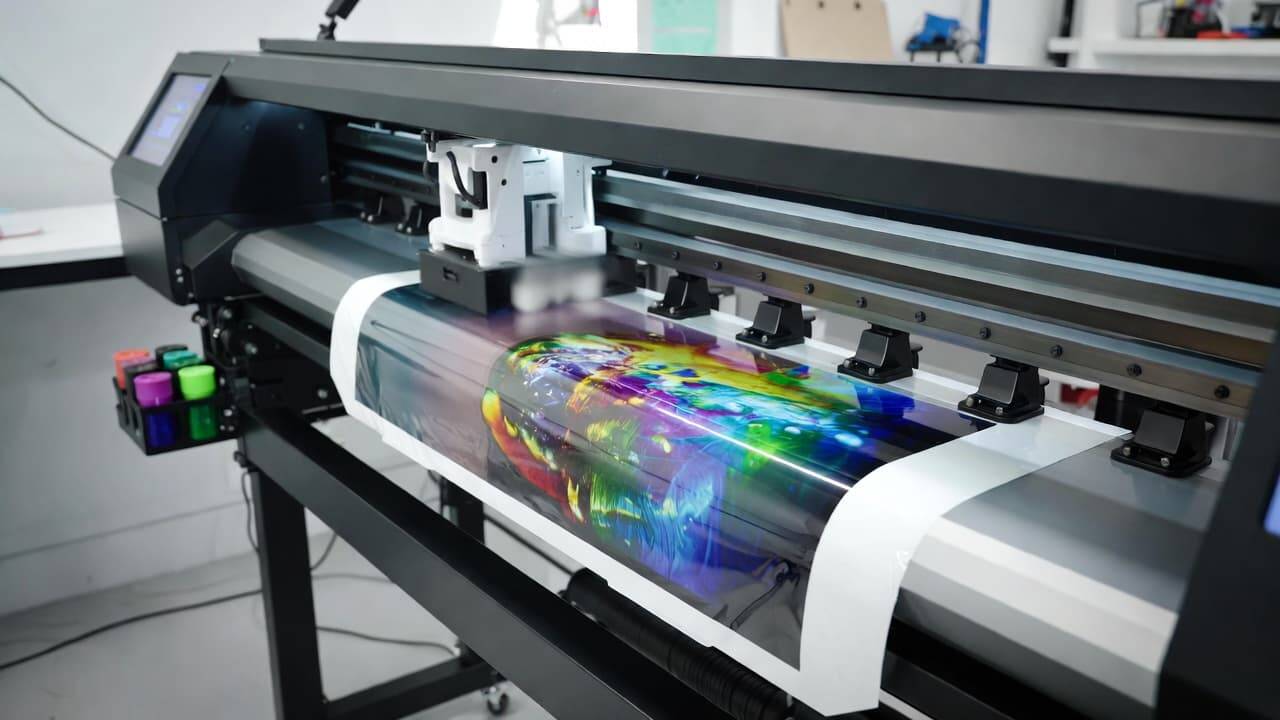
Direct-to-Film printing, commonly known as a DTF printer solution, has rapidly become one of the most popular technologies in the custom apparel and merchandise industry. From startups launching their first clothing line to established print shops expanding their services, DTF technology is reshaping how designs are transferred onto fabric and other materials.
If you are planning to invest in a DTF printer, making the right decision from the beginning is essential. The machine you choose will directly affect your print quality, production speed, customer satisfaction, and overall profitability. This comprehensive guide will walk you through everything you need to know before purchasing a DTF printer—so you can choose confidently and grow your business efficiently.
What Is a DTF Printer?
A DTF printer is a specialized printing machine that prints designs onto a transfer film. The printed film is then coated with adhesive powder and heat-pressed onto fabric or other compatible surfaces. Unlike traditional printing methods that require fabric pre-treatment or limited material compatibility, DTF printing offers greater flexibility and convenience.
This process allows vibrant, detailed designs to be applied to cotton, polyester, blends, and even more complex materials without compromising durability or color accuracy.
Why DTF Printing Is Growing So Fast
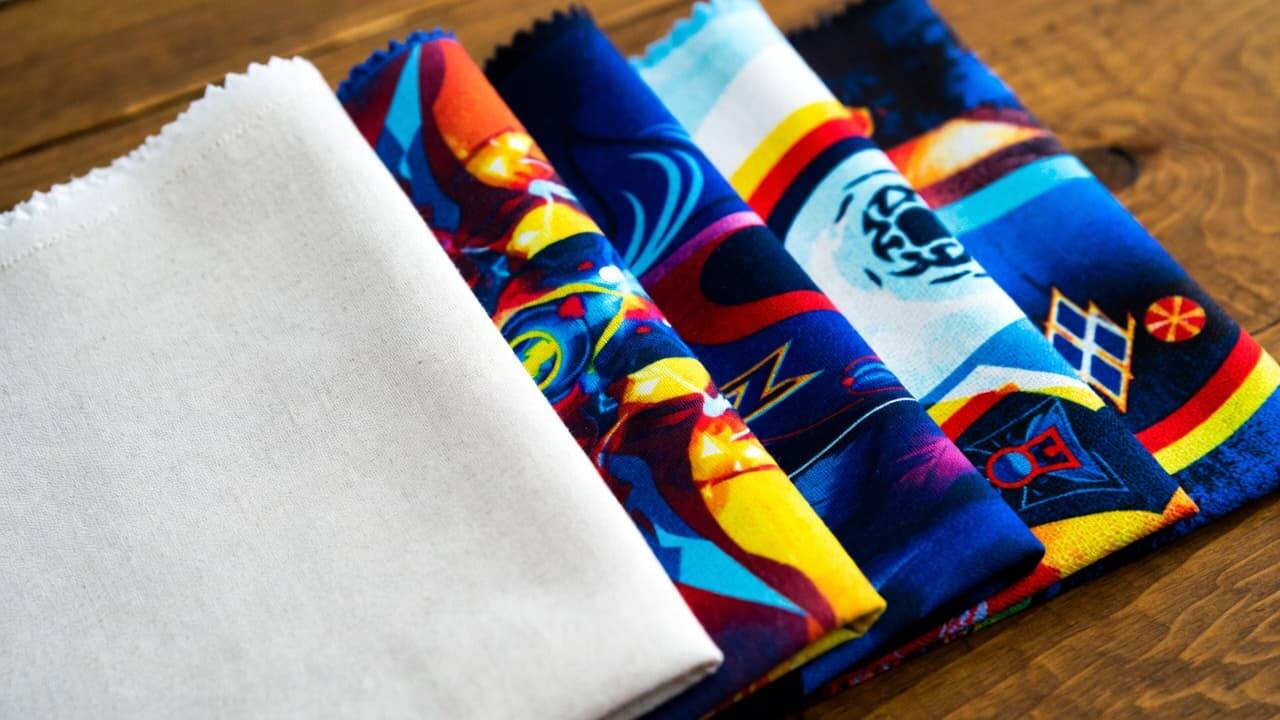
The popularity of DTF printing is not accidental. It offers a unique balance of affordability, versatility, and professional output. Here are some of the major advantages that make DTF printers a strong investment.
1. Outstanding Versatility
One of the biggest benefits of DTF printing is its compatibility with various fabrics and substrates. Whether you're printing on cotton T-shirts, polyester hoodies, sportswear, tote bags, or mixed fabric materials, a DTF printer can handle it.
This flexibility allows businesses to expand their product range without purchasing multiple machines.
2. Cost-Effective for Small and Medium Businesses
For startups and small print shops, controlling costs is crucial. DTF printers eliminate the need for expensive setup processes and large minimum order quantities. You can print small batches profitably, making it perfect for custom orders and on-demand printing.
3. High Durability and Wash Resistance
DTF prints are known for their durability. When applied correctly, the designs resist cracking, peeling, and fading even after multiple washes. This ensures long-lasting results and enhances customer satisfaction.
4. Vibrant Colors and Sharp Details
DTF technology delivers bright, bold colors and fine details. Gradients, intricate patterns, and small text are reproduced accurately, making it ideal for creative designs and complex artwork.
5. User-Friendly Process
Compared to other printing methods, DTF printing is relatively easy to learn and operate. With proper setup and training, production can begin quickly, minimizing downtime and increasing productivity.
Key Factors to Consider Before Buying a DTF Printer
Choosing the right DTF printer requires careful evaluation. Below are the most important features and considerations to keep in mind.
1. Print Quality and Resolution
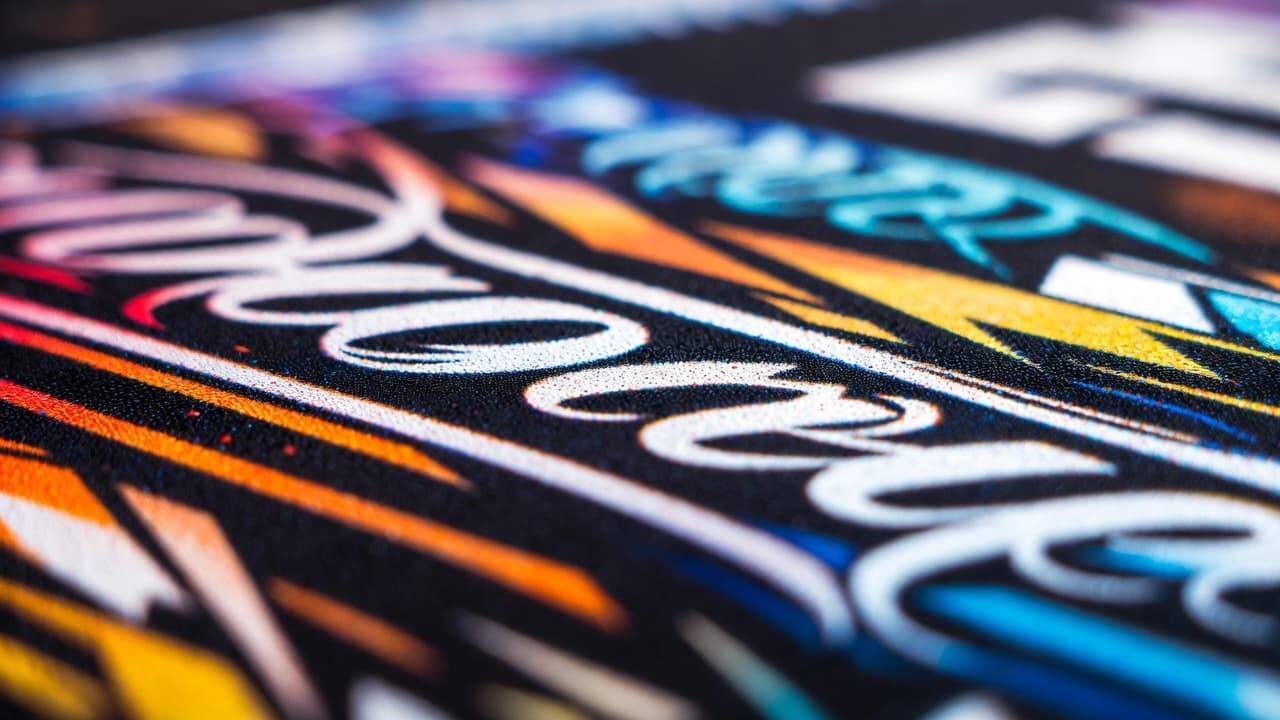
Print quality should be your top priority. The final output directly reflects your brand’s reputation.
DPI (Dots Per Inch)
Higher DPI generally means sharper and more detailed prints. Look for a printer that offers high-resolution output to ensure crisp designs and smooth color transitions.
Color Accuracy
A good DTF printer should produce consistent, vibrant colors. Check sample prints before buying. Evaluate:
Gradient smoothness
Fine detail reproduction
White ink opacity
Overall sharpness
2. Print Speed and Production Efficiency
If you plan to handle bulk orders, print speed matters significantly.
Adjustable Speed Settings
Some DTF printers allow you to adjust speed depending on the complexity of the design. Faster printing increases productivity but should not compromise quality.
Production Volume
Assess your expected daily and monthly order volume. For high-demand businesses, investing in a faster, more robust machine will pay off in the long run.
3. Printer Size and Workspace Requirements
DTF printers come in various sizes. Before purchasing, consider:
Available workspace
Design dimensions you plan to print
Future scalability
A larger printer allows bigger designs and higher production capacity, but it requires sufficient installation space. Always measure your workspace before finalizing your purchase.
4. Ink System and Compatibility
DTF printing requires specialized pigment inks designed specifically for film transfer.
Ink Availability
Ensure that compatible inks are:
Readily available
Affordable
High quality
White Ink Management
White ink plays a critical role in DTF printing, especially for dark garments. Check if the printer has a reliable white ink circulation system to prevent clogging and ensure consistent output.
5. Software and Ease of Use
The printing software is just as important as the hardware.
RIP Software Compatibility
Your DTF printer should support reliable RIP software for color management and design processing. A user-friendly interface reduces errors and speeds up production.
Learning Curve
Choose a model that includes:
Clear manuals
Video tutorials
Training support
This will help you or your staff operate the machine efficiently.
6. Maintenance and Reliability
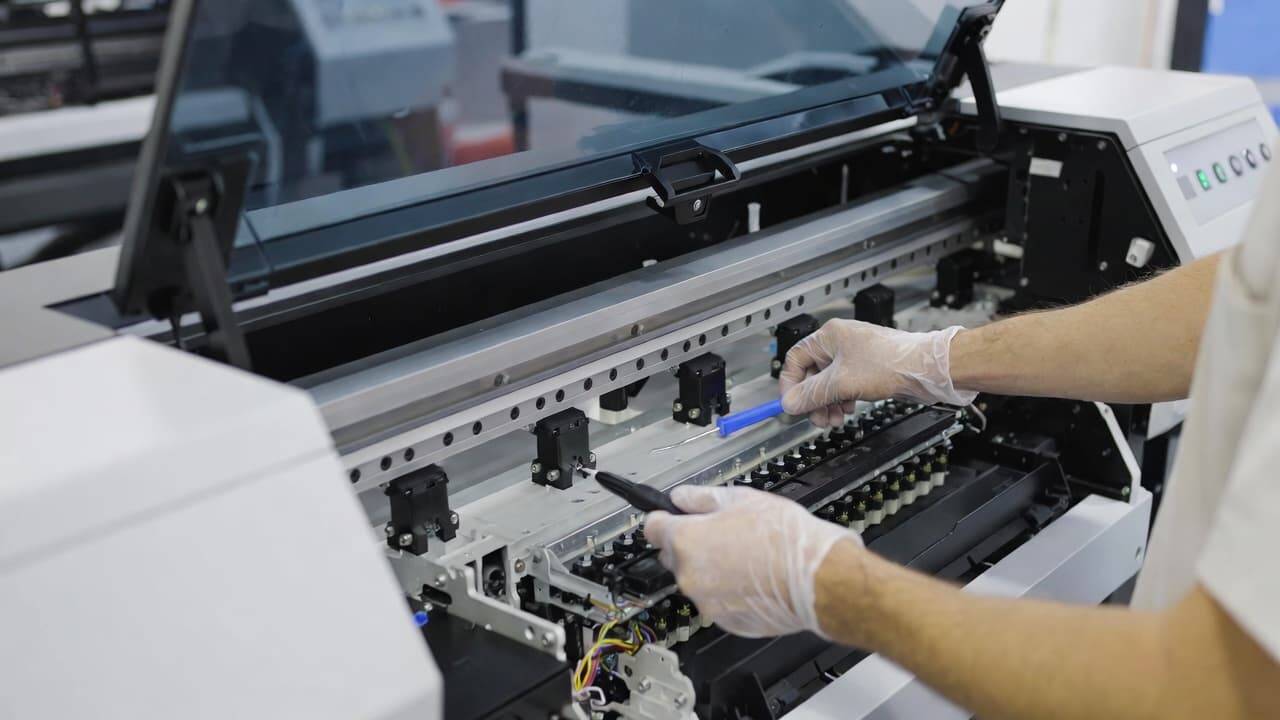
Every printing machine requires maintenance. Understanding this in advance prevents unexpected downtime.
Automatic Cleaning Features
Some DTF printers come with automatic head-cleaning systems. These features save time and reduce clogging issues.
Maintenance Routine
Regular tasks include:
Cleaning print heads
Checking nozzles
Monitoring ink levels
Inspecting film alignment
Choose a printer known for long-term reliability and minimal technical issues.
7. Warranty and Customer Support
Never overlook after-sales support. A strong warranty and responsive technical assistance can save you significant time and money.
Look for manufacturers that offer:
Comprehensive warranty coverage
Technical support
Spare parts availability
Online resources and troubleshooting guides
Reliable support ensures smooth operations and peace of mind.
Understanding DTF Printer Price Range
DTF printer costs vary depending on features, size, and production capacity. Setting a clear budget helps narrow down options.
Entry-Level DTF Printers ($2,000 – $5,000)
Best suited for:
Startups
Small businesses
Low production volumes
These models are affordable and ideal for testing the market.
Mid-Range DTF Printers ($5,000 – $10,000)
Suitable for:
Growing businesses
Moderate production demands
Improved speed and resolution
They offer better durability and efficiency.
High-End DTF Printers ($10,000+)
Designed for:
Large-scale production
Industrial-level printing
High-volume order fulfillment
Although expensive, they provide advanced automation and superior performance.
Hidden and Long-Term Costs
When budgeting, also consider:
Ink expenses
Transfer film costs
Adhesive powder
Maintenance supplies
Electricity usage
Choosing the cheapest machine may not always be the most economical decision in the long run.
Comparing DTF Printing with Other Printing Methods
Understanding how DTF compares to other printing technologies helps clarify your investment decision.
DTF vs DTG (Direct-to-Garment)
DTG works directly on fabric but often requires pre-treatment and works best on cotton. DTF, on the other hand, works on a wider range of materials and does not require fabric pre-treatment.
DTF vs Screen Printing
Screen printing is cost-effective for bulk orders but not ideal for small batches or highly detailed designs. DTF excels in small runs and complex artwork.
DTF vs Heat Transfer Vinyl (HTV)
HTV involves cutting vinyl shapes and pressing them onto fabric. It is time-consuming for intricate designs. DTF handles detailed and multi-color designs more efficiently.
Installation and Setup Considerations
Setting up a DTF printer may require:
Proper ventilation
Stable power supply
Flat working surfaces
Adequate humidity control
Some manufacturers provide installation assistance, while others offer online guidance. Make sure you understand the setup process before purchasing.
Who Should Invest in a DTF Printer?
A DTF printer is ideal for:
Custom T-shirt businesses
Print-on-demand startups
Promotional product suppliers
Sportswear brands
Online apparel stores
If your business requires flexibility, vibrant output, and small-batch production, DTF technology can significantly enhance your offerings.
Tips for Maximizing Your DTF Printer Investment
To ensure long-term success:
Use high-quality inks and films.
Follow a strict maintenance schedule.
Train staff properly.
Test prints before large production runs.
Keep your workspace clean and dust-free.
These simple practices can extend the lifespan of your printer and maintain consistent print quality.
Common Mistakes to Avoid When Buying a DTF Printer
Choosing based on price alone
Ignoring after-sales support
Overlooking ink compatibility
Buying a printer too small for future growth
Failing to research customer reviews
Avoiding these mistakes ensures a smarter and more profitable investment.
Frequently Asked Questions (FAQ)
What is the average lifespan of a DTF printer?
With proper maintenance, a DTF printer can last anywhere from 3 to 10 years depending on usage, brand quality, and care routine.
Do DTF printers require special inks?
Yes. DTF printers use specialized pigment inks designed for film transfer. These inks ensure strong adhesion and long-lasting results on various fabrics.
Can a DTF printer print on dark garments?
Yes, absolutely. Thanks to the white ink layer, DTF printers can produce vibrant prints on both light and dark fabrics.
Is DTF printing suitable for beginners?
Yes. While there is a learning curve, most modern DTF printers are user-friendly and supported by training resources.
How often does a DTF printer need maintenance?
Basic maintenance should be performed regularly, including head cleaning and nozzle checks. The frequency depends on usage levels.
Final Thoughts
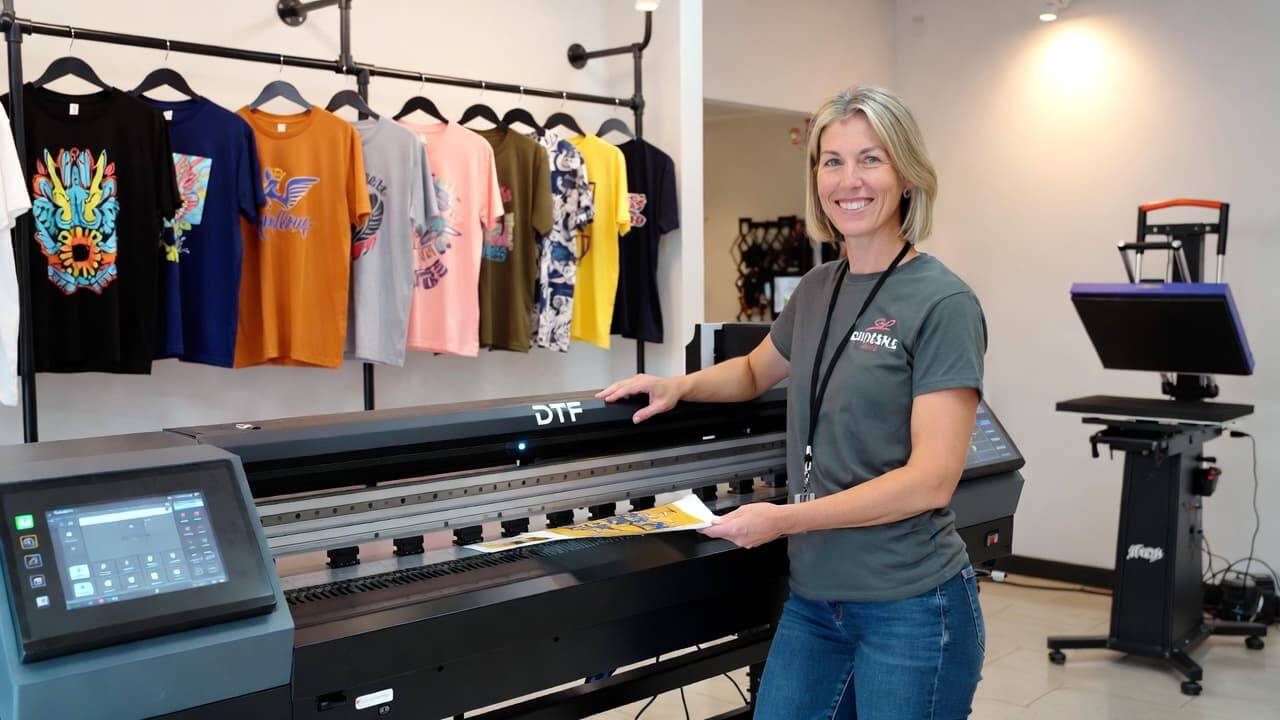
Investing in a DTF printer can be a game-changing decision for your printing business. Its versatility, cost-efficiency, durability, and vibrant output make it one of the most powerful solutions in modern garment decoration.explore our high-quality DTF printers here
However, success depends on choosing the right machine for your needs. By carefully evaluating print quality, speed, size, ink system, maintenance requirements, and support services, you can make a confident and profitable investment.
Take your time, compare options, and think long-term. The right DTF printer will not only meet your current demands but also support your business growth for years to come.