

 HOME
HOME PRODUCT CENTER
 ABOUT US
 DOWNLOAD CENTER
 SUPPORT CENTER
 SUBSCRIBE
 BLOG
BLOGDTF Printer Exhaust System Importance
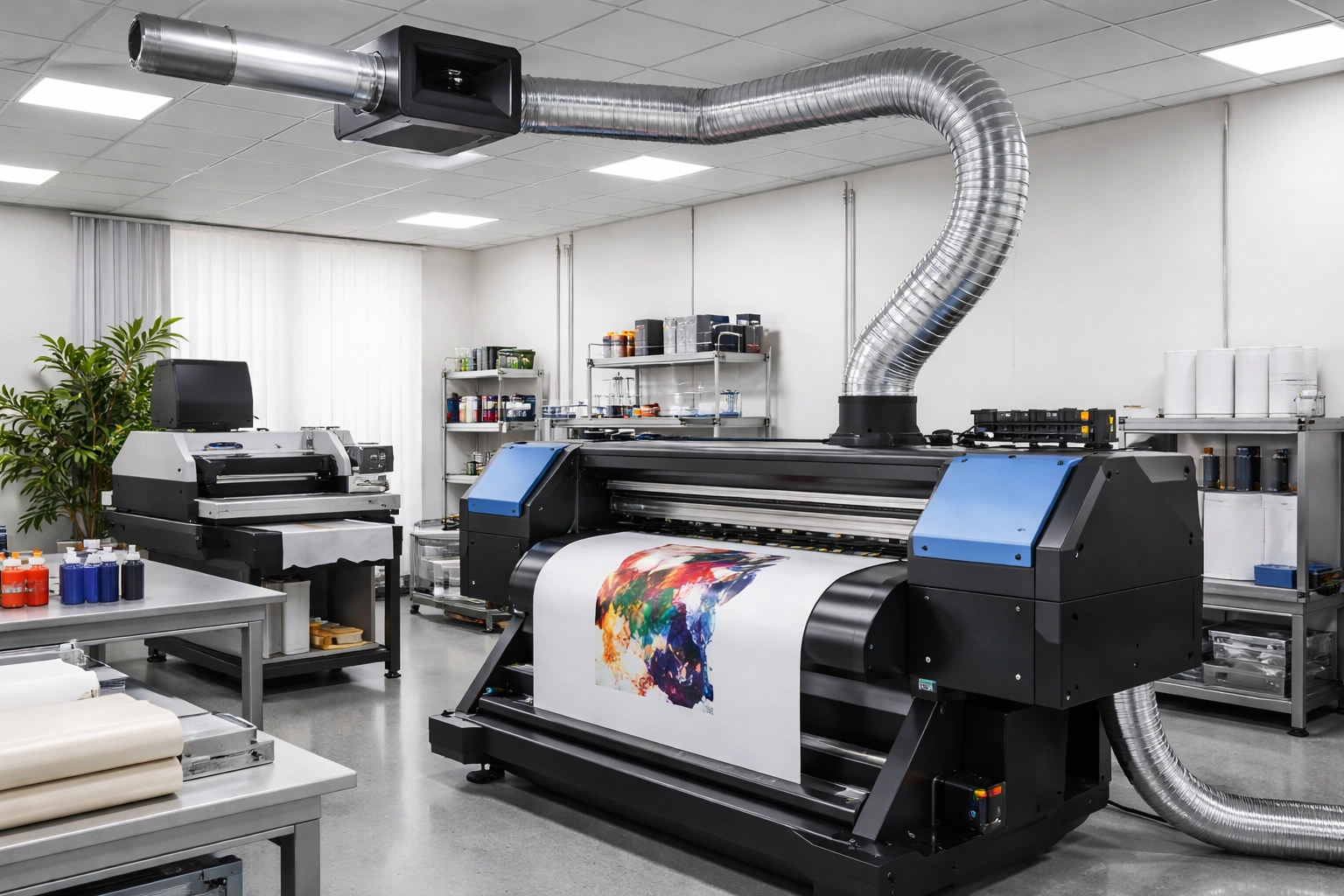
The Direct to Film (DTF) printing industry has grown rapidly in recent years, becoming a preferred choice for businesses that demand vibrant colors, fine detailing, and flexibility across different fabric types. While most discussions around DTF printing focus on inks, films, curing processes, and print quality, one critical aspect is often ignored—proper exhaust and ventilation systems.
As DTF printing involves heat, chemical-based inks, adhesives, and curing powders, the printing environment can quickly become unsafe if fumes, heat, and airborne particles are not properly managed. A well-designed DTF printer exhaust system is not just an optional accessory; it is a fundamental requirement for maintaining worker safety, ensuring equipment longevity, and achieving consistent print quality.
This article explores the importance of DTF printer exhaust systems in detail, explaining how ventilation impacts health, productivity, machine performance, and long-term business sustainability. Whether you run a small print shop or a large-scale DTF production unit, understanding and implementing proper exhaust ventilation can significantly improve your operations.
What Is DTF Printing?
Direct to Film (DTF) printing is a modern digital printing technique where designs are printed onto a special PET film and then transferred onto fabric using heat and pressure. Unlike traditional methods such as screen printing or direct-to-garment (DTG), DTF allows printing on a wide range of materials, including cotton, polyester, blends, leather, and even non-textile surfaces.
The DTF printing process typically involves:
Printing the design on a PET film using DTF inks
Applying hot-melt adhesive powder
Curing the adhesive using heat
Transferring the design onto the substrate using a heat press
Each of these stages generates heat, fumes, fine particles, and chemical vapors, making ventilation a critical requirement.
Understanding DTF Printer Exhaust Systems
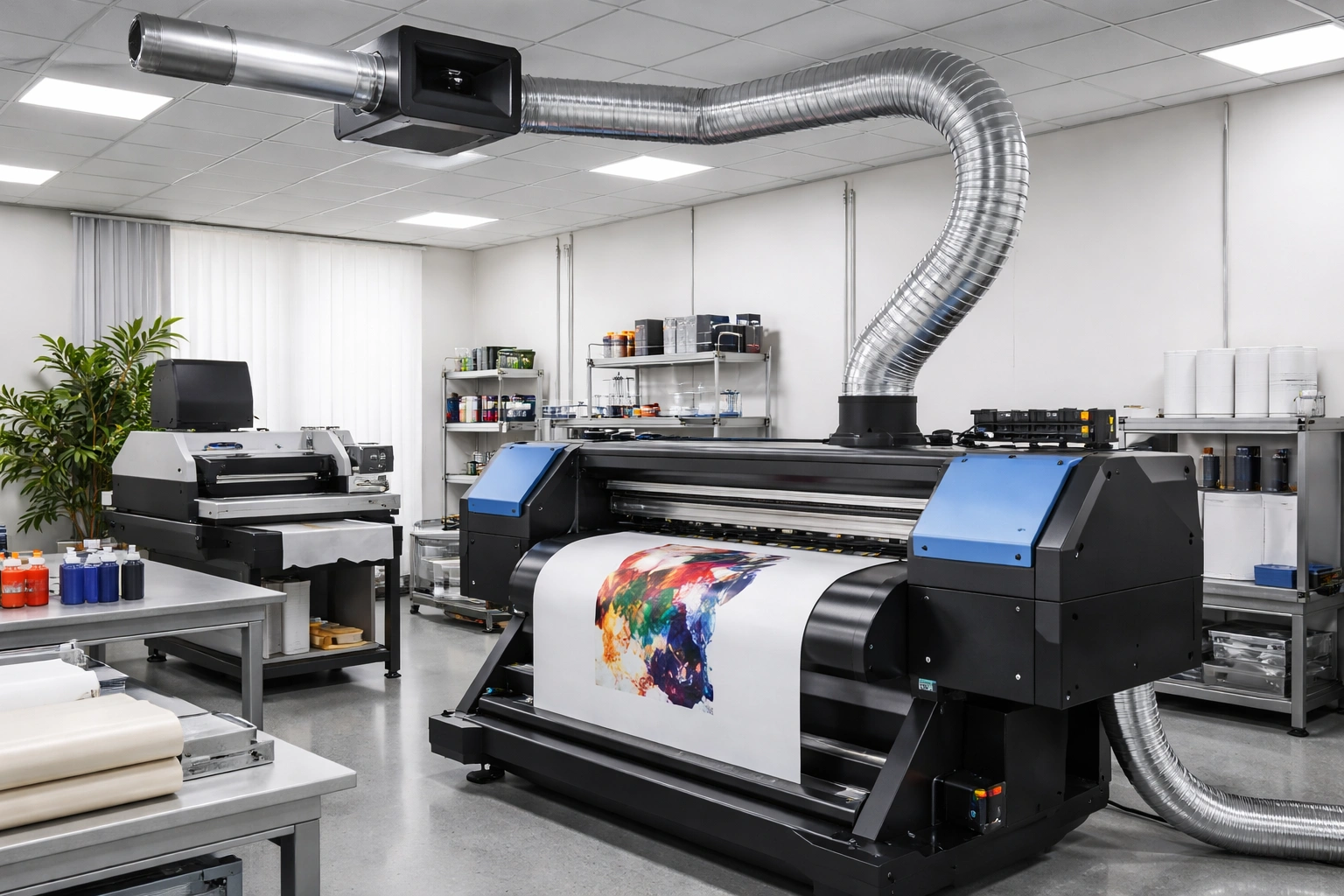
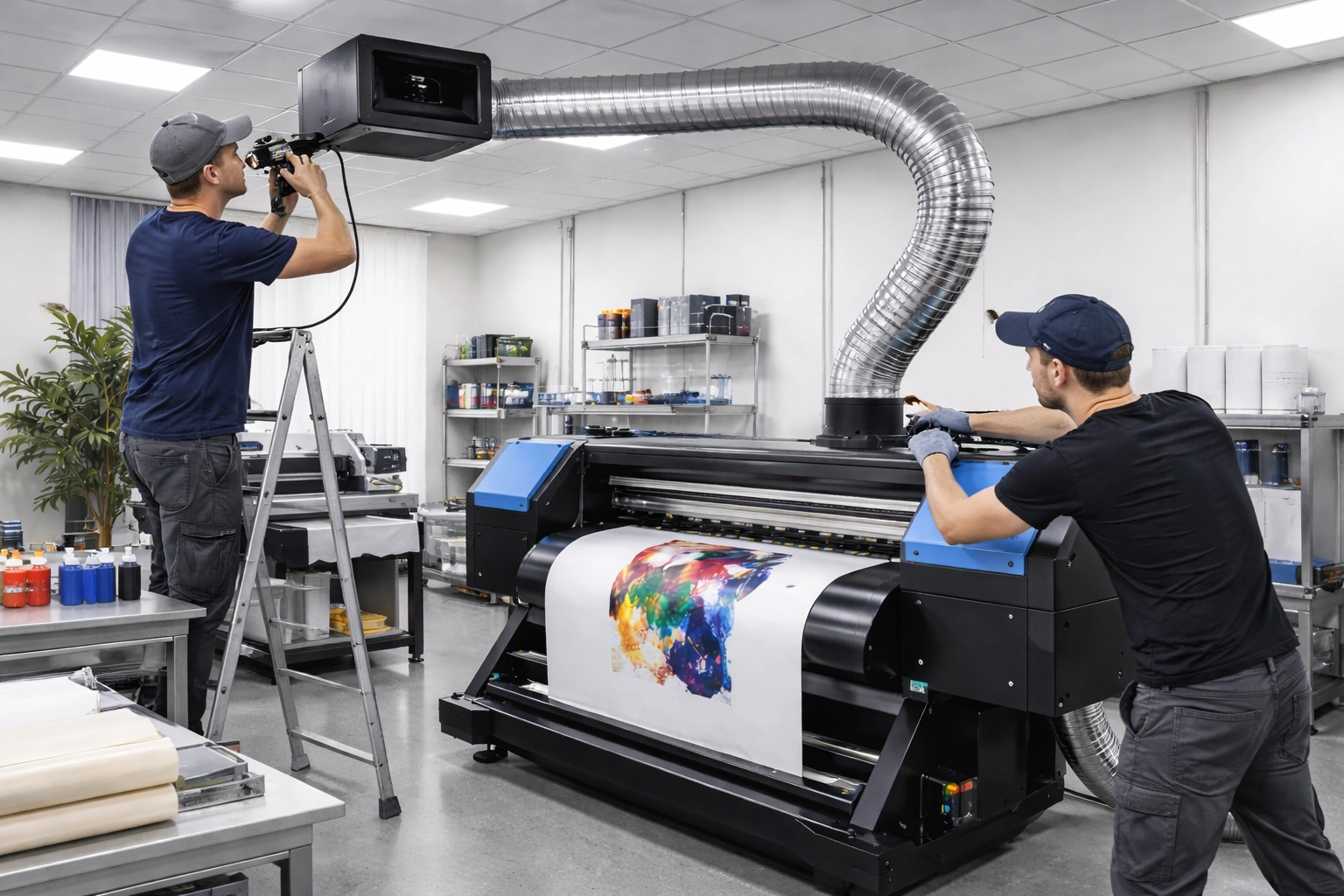
A DTF printer exhaust system is designed to remove harmful air pollutants, excess heat, and fine particles produced during the printing and curing process. These systems pull contaminated air away from the printer and work area, filter it if necessary, and expel it safely outside the workspace.
An effective exhaust system typically includes:
Exhaust fans
Ducting and ventilation pipes
Filters or air purifiers
Airflow control mechanisms
Without proper exhaust ventilation, pollutants accumulate inside the workspace, creating serious health risks and operational challenges.
Why Ventilation Matters in DTF Printing
1. Health and Workplace Safety
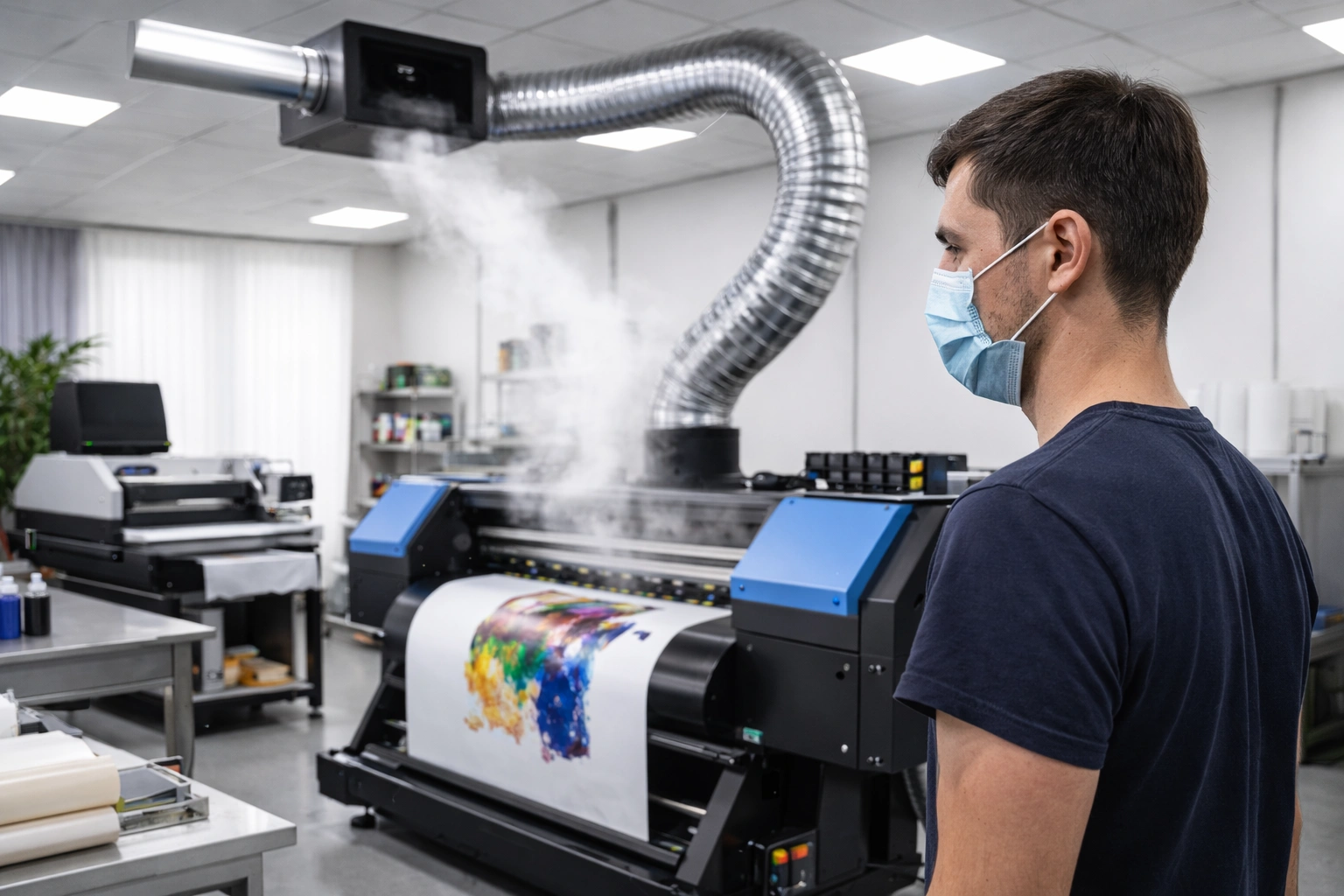
DTF printing inks, powders, and curing processes release volatile organic compounds (VOCs) and microscopic particles into the air. Prolonged exposure to these pollutants can cause both short-term and long-term health issues.
Health risks without proper ventilation include:
Eye irritation and headaches
Breathing difficulties and coughing
Skin allergies and rashes
Long-term respiratory disorders
A proper exhaust system protects workers by:
Continuously removing toxic fumes
Reducing inhalation of harmful particles
Maintaining clean and breathable air
Creating a safer and more comfortable work environment
A healthy workspace also leads to fewer sick days and higher employee productivity.
2. Temperature and Heat Management
DTF printers and curing units generate significant heat. Without ventilation, this heat accumulates, raising the room temperature and affecting both workers and machines.
Problems caused by poor heat control:
Overheating of printers
Reduced ink stability
Uncomfortable working conditions
Increased risk of equipment failure
An efficient exhaust system helps:
Remove excess heat from the workspace
Maintain stable room temperature
Improve printer performance consistency
Enhance overall workflow efficiency
3. Equipment Longevity and Maintenance
DTF printers are a major investment. Heat, moisture, and airborne particles can significantly reduce the lifespan of sensitive internal components.
How poor ventilation damages equipment:
Ink nozzles clog due to humidity
Electronic components degrade faster
Adhesive powder dust settles inside machines
Frequent breakdowns and costly repairs
Proper exhaust ventilation:
Reduces moisture buildup
Prevents dust accumulation
Keeps internal components cleaner
Extends the operational life of the printer
A well-ventilated environment directly translates into lower maintenance costs.
4. Print Quality and Consistency
Air quality plays a crucial role in print output. Poor ventilation can cause unpredictable variations in ink behavior and curing performance.
Negative effects on print quality include:
Uneven ink drying
Incomplete adhesive curing
Color inconsistency
Increased rejection rates
With proper ventilation:
Ink viscosity remains stable
Curing temperatures stay uniform
Prints achieve better adhesion
Finished products become more durable
Consistent airflow ensures reliable, professional-grade results every time.
Key Components of an Effective DTF Exhaust System
1. Exhaust Fans
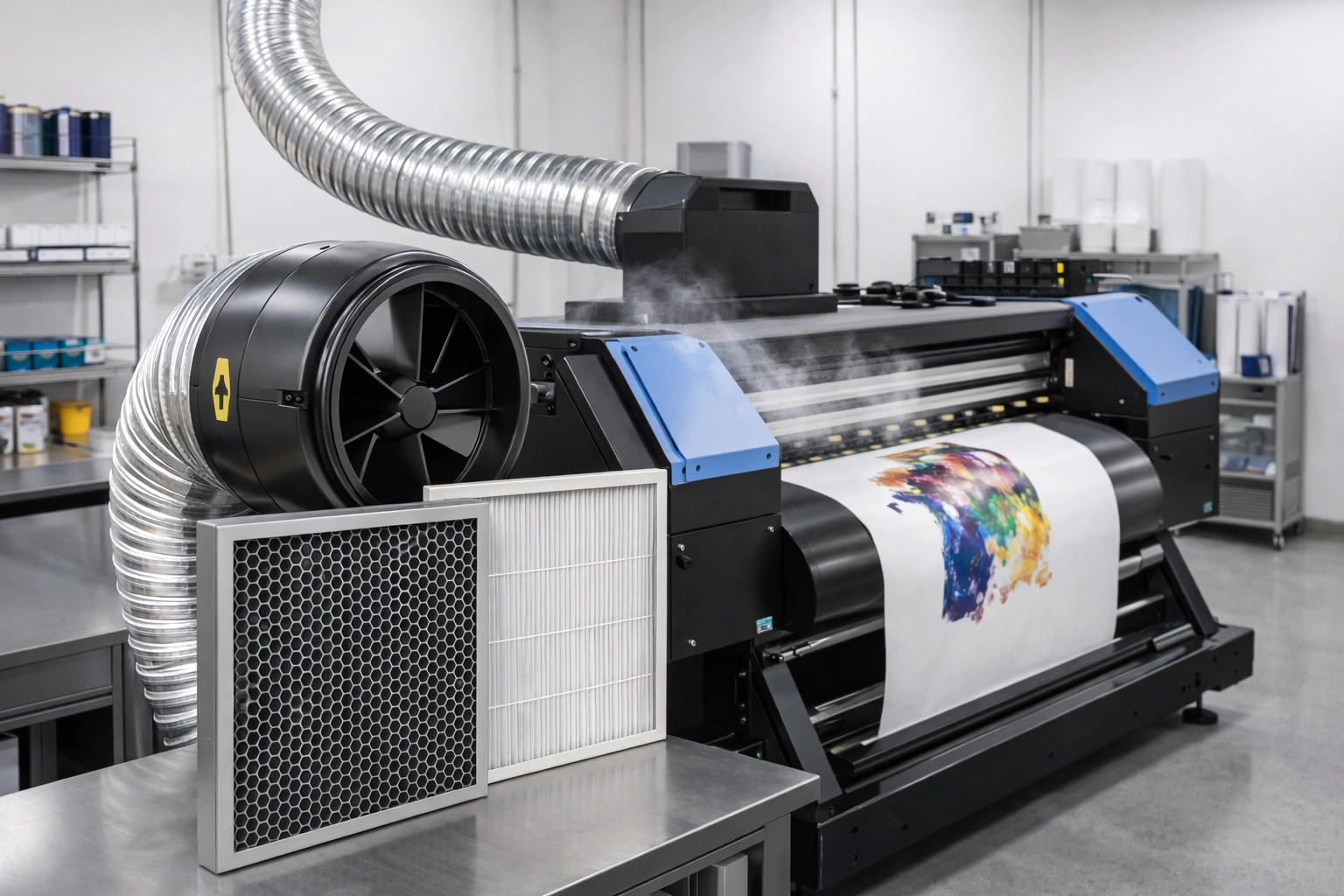
The exhaust fan is the heart of the system. It pulls contaminated air away from the printer and moves it out of the workspace.
Important factors when choosing exhaust fans:
Airflow capacity (CFM rating)
Compatibility with room size
Energy efficiency
Continuous operation capability
2. Ducting and Airflow Path Design
Ductwork connects the exhaust fan to the outside environment. Poor duct design can reduce efficiency and cause air backflow.
Best practices for ducting:
Use smooth, wide-diameter ducts
Minimize bends and long runs
Seal joints properly
Position exhaust outlets away from air intakes
Efficient ducting ensures faster removal of fumes and heat.
3. Filtration Systems
In some environments, direct air exhaust may not be possible. In such cases, filtration becomes essential.
Common filtration options include:
Activated carbon filters for odors
HEPA filters for fine particles
Multi-stage filtration systems
Filters must be cleaned or replaced regularly to maintain performance.
4. Airflow Regulation and Controls
Not all DTF operations require the same level of ventilation at all times. Adjustable airflow systems help balance performance and energy usage.
Benefits of airflow regulation:
Increased exhaust during printing and curing
Reduced airflow during idle times
Lower energy consumption
Better environmental control
5. Noise Reduction Features
High-powered exhaust systems can be noisy, affecting work comfort.
Noise control solutions include:
Acoustic insulation
Low-noise fans
Vibration dampeners
A quieter system improves concentration and working conditions.
Planning and Installing a DTF Printer Exhaust System
Step 1: Workspace Assessment
Evaluate:
Room size
Number of printers
Curing equipment
Existing ventilation
Larger setups require higher airflow capacity.
Step 2: Selecting the Right System
Choose an exhaust system that matches:
Printer output volume
Ink and adhesive type
Local safety standards
Expansion plans
Avoid undersized systems that fail under heavy workloads.
Step 3: Professional Installation
Although basic setups can be installed independently, professional HVAC experts ensure:
Proper airflow calculations
Safe duct routing
Compliance with safety norms
Maximum efficiency
Step 4: Ongoing Maintenance
Routine maintenance is critical:
Inspect fans and ducts regularly
Clean or replace filters
Check airflow performance
Remove dust buildup
A neglected exhaust system quickly loses effectiveness.
Legal and Environmental Considerations
Many regions have strict regulations regarding indoor air quality and industrial emissions. A proper exhaust system helps businesses:
Comply with workplace safety laws
Avoid fines and penalties
Reduce environmental impact
Improve brand reputation
Sustainable printing operations are increasingly preferred by customers and partners.
Cost vs. Long-Term Value
While installing an exhaust system requires upfront investment, the long-term benefits outweigh the costs.
Long-term advantages include:
Lower medical risks and liabilities
Reduced machine downtime
Improved product quality
Higher customer satisfaction
Long-term operational savings
An exhaust system is not an expense—it is a protective investment.
Common Mistakes to Avoid
Using underpowered exhaust fans
Ignoring regular maintenance
Poor duct placement
Overlooking filtration needs
Assuming ventilation is optional
Avoiding these mistakes ensures smooth and safe operations.
Future of Ventilation in DTF Printing
As DTF printing continues to grow, ventilation systems are evolving with:
Smart airflow controls
Energy-efficient exhaust solutions
Advanced filtration technology
Environmentally friendly designs
Modern print shops are increasingly prioritizing air quality as part of professional standards.
Conclusion
A DTF printer exhaust system is a critical component of any successful printing setup. It protects worker health, preserves machine performance, enhances print quality, and ensures regulatory compliance. Ignoring ventilation can lead to serious health risks, equipment damage, and inconsistent output.
By investing in a well-designed exhaust system, DTF printing businesses create a safer, more efficient, and more profitable operation. Whether you are starting a new setup or upgrading an existing one, prioritizing proper ventilation is a smart and necessary decision for long-term success.explore our high-quality DTF printers here
Frequently Asked Questions (FAQ)
What fumes are released during DTF printing?
DTF printing releases VOCs, adhesive vapors, and fine particulate matter from inks and curing powders.
How often should exhaust systems be maintained?
Inspection every 3–6 months is recommended, with more frequent checks for high-volume operations.
Is ventilation mandatory for DTF printing?
While regulations vary, proper ventilation is strongly recommended for safety, quality, and compliance.
Can poor ventilation affect print quality?
Yes, unstable temperatures and air contamination can lead to curing issues and inconsistent prints.
Does an exhaust system increase electricity costs?
There may be a slight increase, but improved efficiency, reduced downtime, and better output offset the cost.