

 HOME
HOME PRODUCT CENTER
 ABOUT US
 DOWNLOAD CENTER
 SUPPORT CENTER
 SUBSCRIBE
 BLOG
BLOGPre-Heat vs Post-Heat in DTF Printing
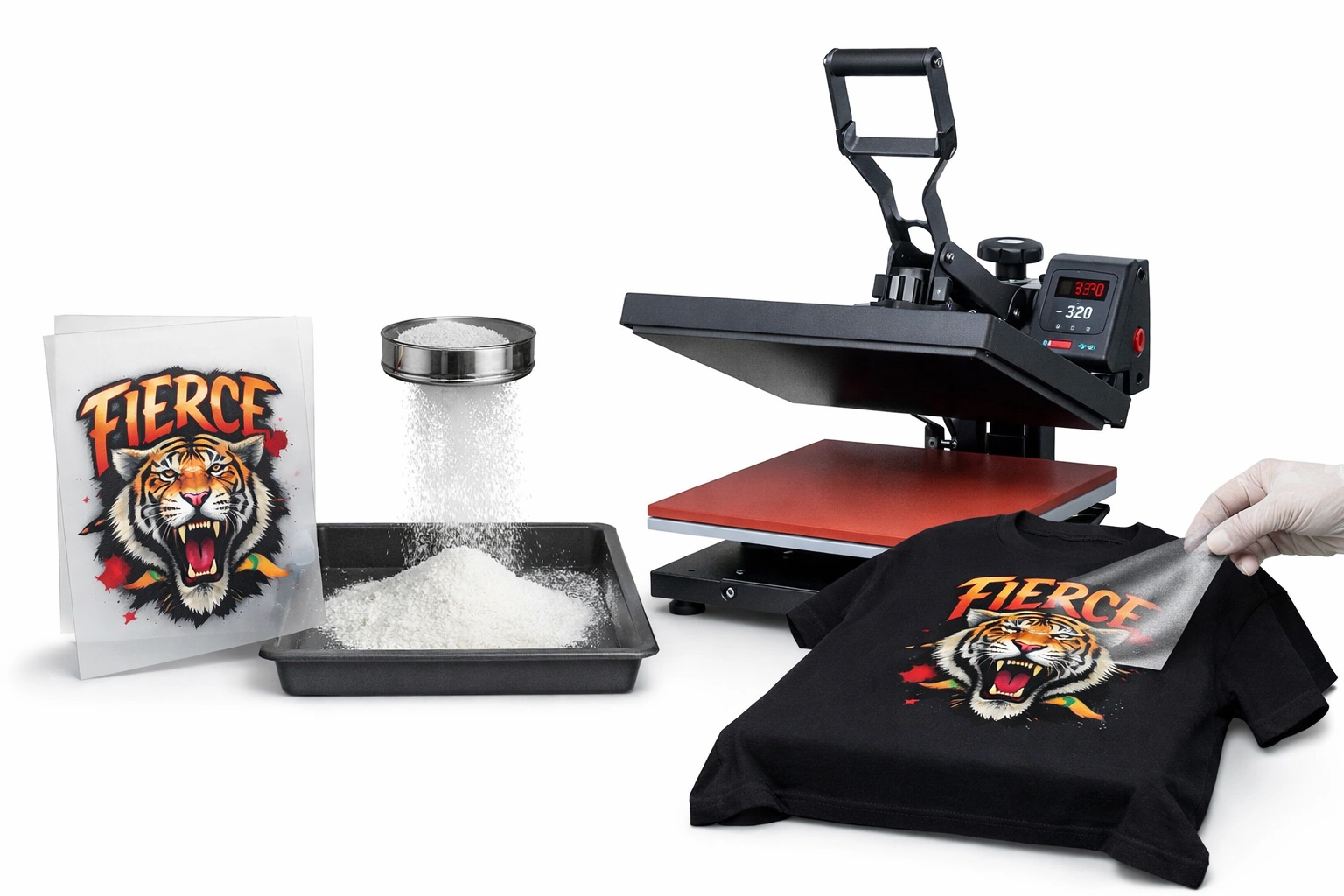
Direct Transfer Film (DTF) printing has rapidly emerged as one of the most flexible and reliable methods in the modern textile and apparel printing industry. Its ability to produce vibrant, durable, and highly detailed designs on a wide variety of fabrics has made it a preferred choice for both small businesses and large-scale production units. However, while much attention is often given to inks, films, and printers, one critical factor that directly affects print quality is frequently underestimated—the heating configuration.
In DTF printing, heat is not just a finishing step; it is an essential process that determines how well the design bonds to the fabric, how long it lasts, and how professional it looks after multiple washes. Two heating stages play a central role in this process: pre-heat and post-heat. Each heating zone serves a distinct purpose, and understanding how they work—individually and together—can significantly improve print consistency, adhesion, and durability.
This article provides an in-depth, practical, and SEO-focused explanation of pre-heat and post-heat configurations in DTF printing. Whether you are a beginner or an experienced print professional, mastering these heating stages will help you achieve higher-quality results while reducing errors and production waste.
Understanding the DTF Printing Process
To fully appreciate the importance of pre-heat and post-heat configurations, it is essential to first understand how the DTF printing process works from start to finish.
DTF printing begins with printing a design onto a special PET film using water-based pigment inks. After printing, a powdered adhesive is applied evenly to the wet ink layer. This adhesive is responsible for bonding the design to the fabric during heat transfer. Once the adhesive is applied, heat is used to activate and cure it before and after the transfer process.
Unlike traditional heat transfer vinyl or screen printing, DTF does not rely on fabric-specific coatings. Instead, it depends heavily on controlled heat application to ensure that the adhesive melts correctly, flows into the fabric fibers, and then solidifies into a durable bond. This is where pre-heat and post-heat zones become crucial.
Why Heating Zones Matter in DTF Printing
Heating zones are designed to control how and when heat interacts with the adhesive and ink layers. Improper heat management can lead to several common issues, including:
Poor adhesion or peeling after washing
Dull or uneven colors
Cracking or stiffness in the print
Inconsistent results across different fabrics
By correctly configuring pre-heat and post-heat zones, you can prevent these issues and ensure a smoother, more predictable workflow. Each zone addresses a different stage of adhesive activation and curing, making both equally important in professional DTF production.
What Is Pre-Heat in DTF Printing?
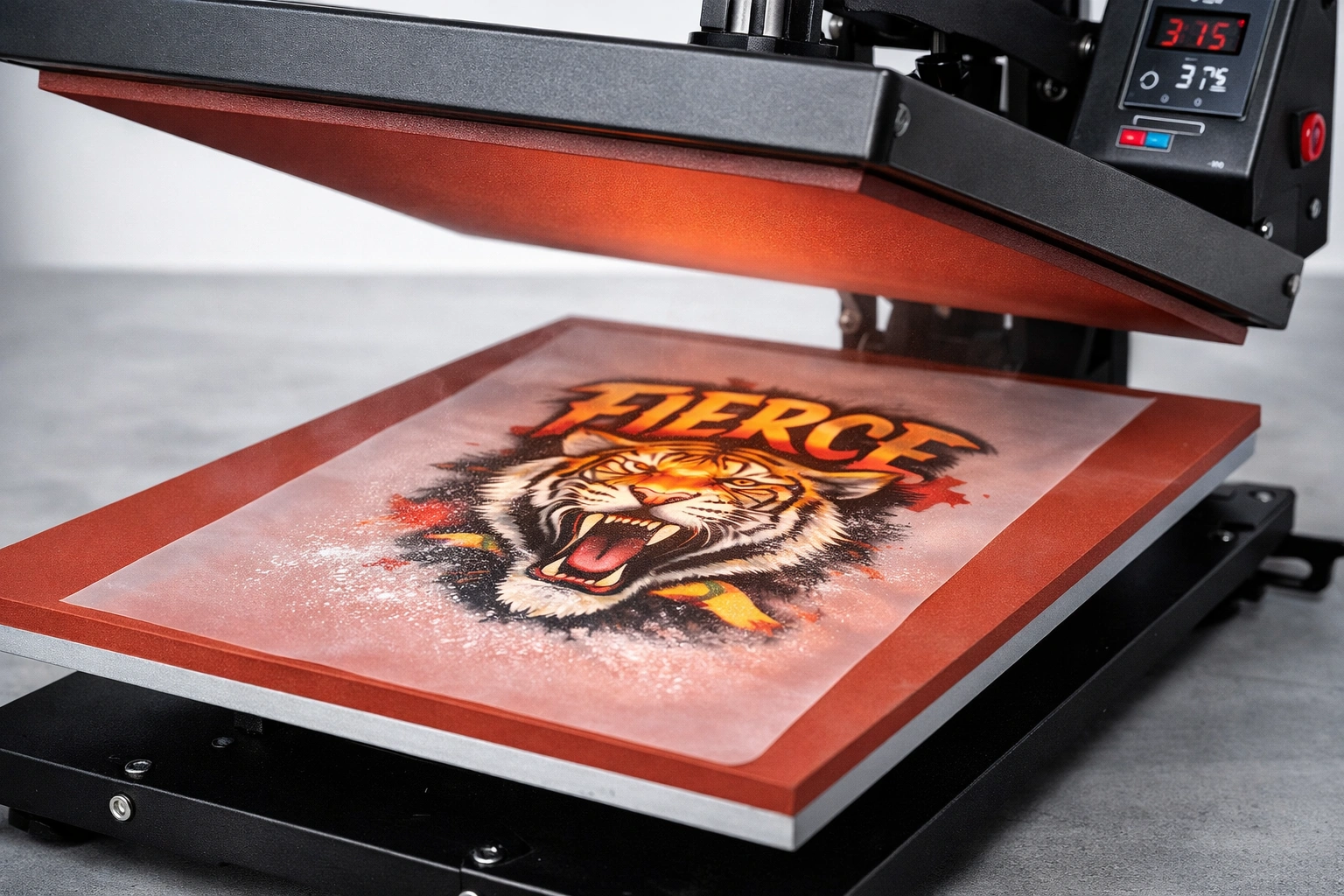
Pre-heating refers to the application of heat to the printed film before it is transferred onto the garment. This step is typically performed after adhesive powder application and before pressing the design onto fabric.
The primary purpose of pre-heat is to partially cure the adhesive powder so that it becomes tacky and evenly distributed across the printed design. This controlled activation ensures that the adhesive is ready to bond effectively when pressure is applied during the transfer process.
Benefits of Pre-Heat Configuration
Pre-heating offers several advantages that directly affect print quality and production efficiency:
Improved Adhesive Activation
Pre-heat softens the adhesive powder, allowing it to melt uniformly. This prevents uneven bonding and reduces the risk of weak spots in the print.
Moisture Removal
Humidity and moisture trapped in the film or adhesive can cause bubbling or poor ink adhesion. Pre-heating helps eliminate moisture, resulting in cleaner transfers.
Sharper Print Details
When the adhesive is evenly activated, fine details and small text are preserved more accurately during transfer.
Faster Heat Press Time
Pre-heated transfers require less time in the heat press, increasing production speed without compromising quality.
Pre-Heat Temperature and Time Guidelines
While exact settings depend on the adhesive brand and film type, general pre-heat guidelines include:
Temperature: 120°C to 150°C (248°F to 302°F)
Duration: 5 to 10 seconds
Pressure: Light to medium (if pressure is applied)
It is important to avoid excessive heat during this stage. Overheating can prematurely cure the adhesive, making it brittle and reducing its ability to bond with fabric fibers.
Common Pre-Heat Mistakes to Avoid
Even experienced operators can encounter issues if pre-heat is not managed correctly:
Over-curing the adhesive, resulting in poor fabric bonding
Uneven heat distribution causing patchy adhesion
Ignoring adhesive manufacturer recommendations
Consistent testing and documentation of settings are essential to avoid these problems.
What Is Post-Heat in DTF Printing?
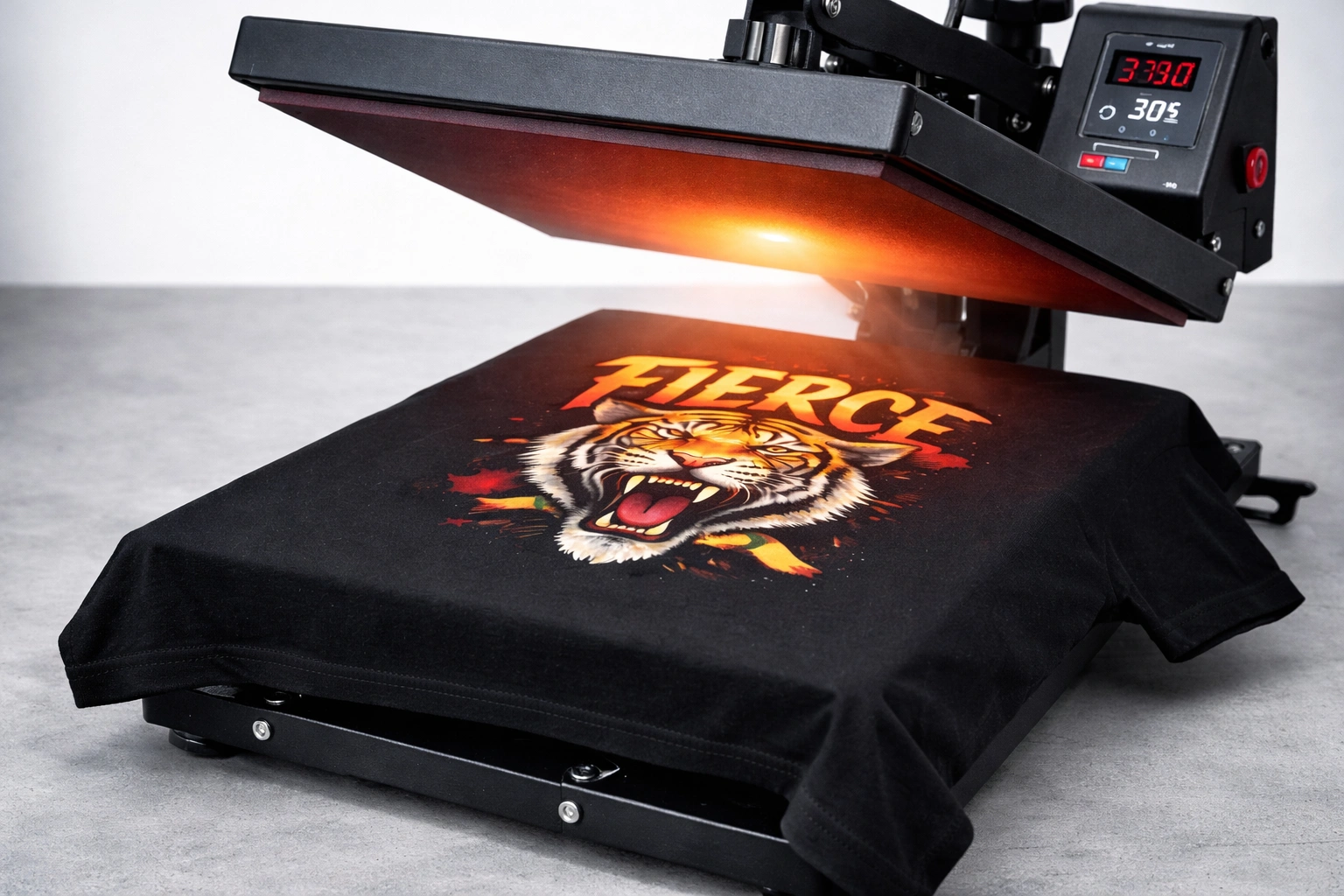
Post-heating is the process of applying heat after the design has been transferred onto the fabric and the film has been peeled (hot or cold, depending on film type). This step is critical for final curing and long-term durability.
During post-heat, the adhesive fully melts into the fabric fibers and then solidifies, locking the design in place. This stage determines how well the print withstands washing, stretching, and daily wear.
Benefits of Post-Heat Configuration
Post-heating plays a vital role in ensuring professional-grade results:
Enhanced Durability
Proper post-heating ensures that prints resist peeling, cracking, and fading over time.
Improved Wash Resistance
Fully cured adhesive bonds are less likely to break down during repeated washing cycles.
Smoother Finish
Post-heat helps flatten the design, reducing texture and improving comfort.
Consistent Appearance
This step ensures uniform curing across the entire print surface, minimizing defects.
Post-Heat Temperature and Time Guidelines
Recommended post-heat settings generally include:
Temperature: 160°C to 180°C (320°F to 356°F)
Duration: 10 to 15 seconds
Pressure: Medium to firm
Different fabrics may require slight adjustments. For example, polyester blends often need lower temperatures to prevent scorching or dye migration.
Common Post-Heat Errors
Some frequent mistakes during post-heating include:
Insufficient heat leading to poor durability
Excessive pressure flattening or distorting the design
Ignoring fabric heat tolerance
Careful calibration is essential to achieve optimal results without damaging the garment.
Pre-Heat vs Post-Heat: Key Differences
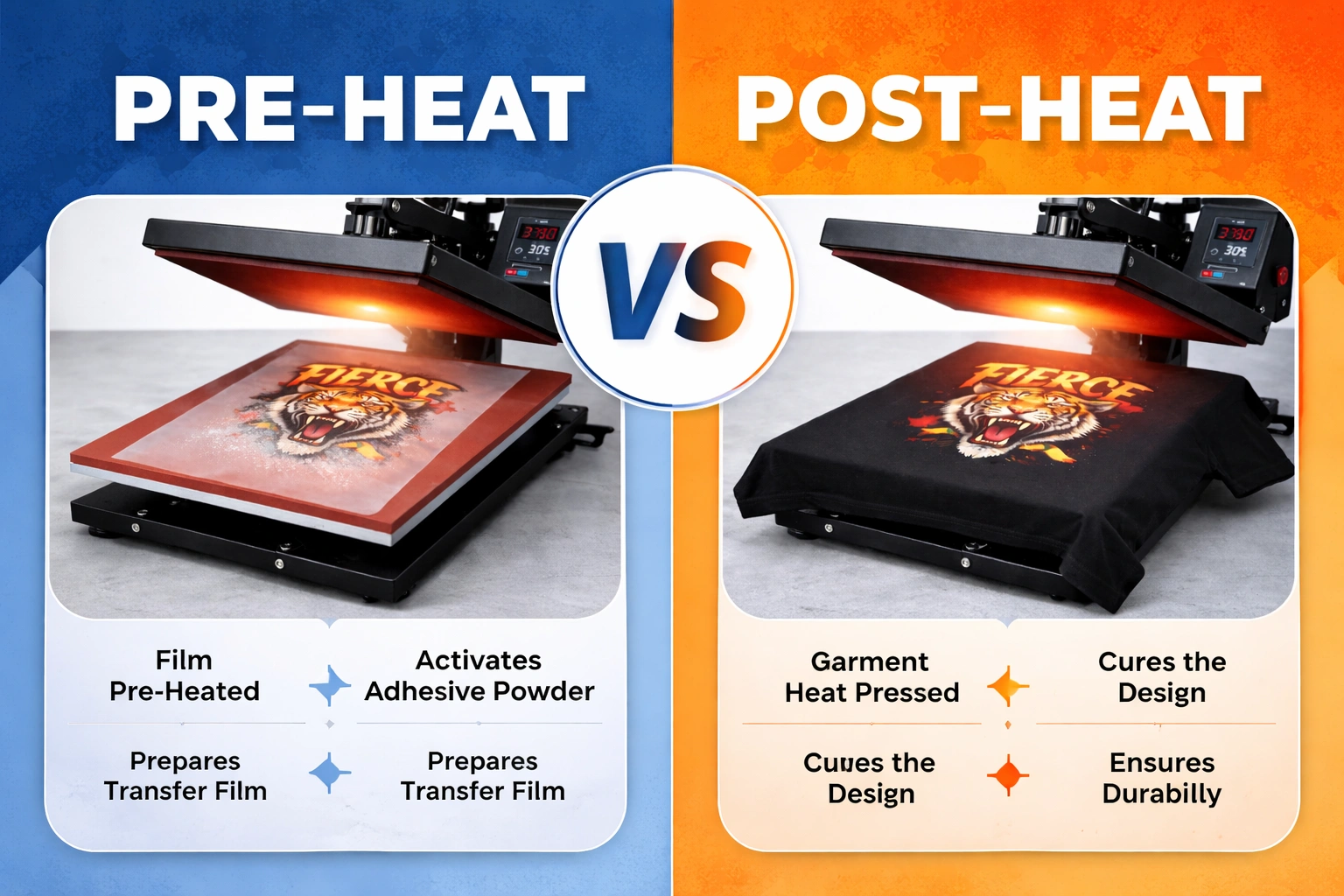
Although both heating stages involve temperature control, their purposes are entirely different:
Pre-Heat focuses on adhesive preparation and moisture control before transfer
Post-Heat ensures final curing, durability, and wash resistance
Skipping either step can compromise print quality. Pre-heat alone cannot guarantee durability, and post-heat without proper pre-heating may lead to uneven bonding.
How to Decide the Right Heating Balance
The ideal balance between pre-heat and post-heat depends on several factors:
Fabric type (cotton, polyester, blends)
Adhesive formulation
Production speed requirements
Desired softness and finish
High-volume production environments often benefit from optimized pre-heating to reduce press time, while premium apparel printing may prioritize extended post-heating for durability.
Optimizing DTF Heating for Different Fabrics
Different materials respond uniquely to heat:
Cotton Fabrics
Cotton tolerates higher temperatures and benefits from standard pre-heat and post-heat settings.
Polyester Fabrics
Lower temperatures and shorter post-heat times are recommended to prevent heat damage and dye migration.
Blended Fabrics
Require careful testing to balance durability and fabric safety.
Keeping a fabric-specific heat profile can significantly improve consistency.
Quality Control and Process Optimization
To maintain consistent results:
Regularly calibrate heating equipment
Monitor temperature accuracy across heating zones
Document successful settings for future reference
Perform wash tests to validate durability
Small adjustments can lead to significant improvements in output quality.
Troubleshooting Heating-Related Issues
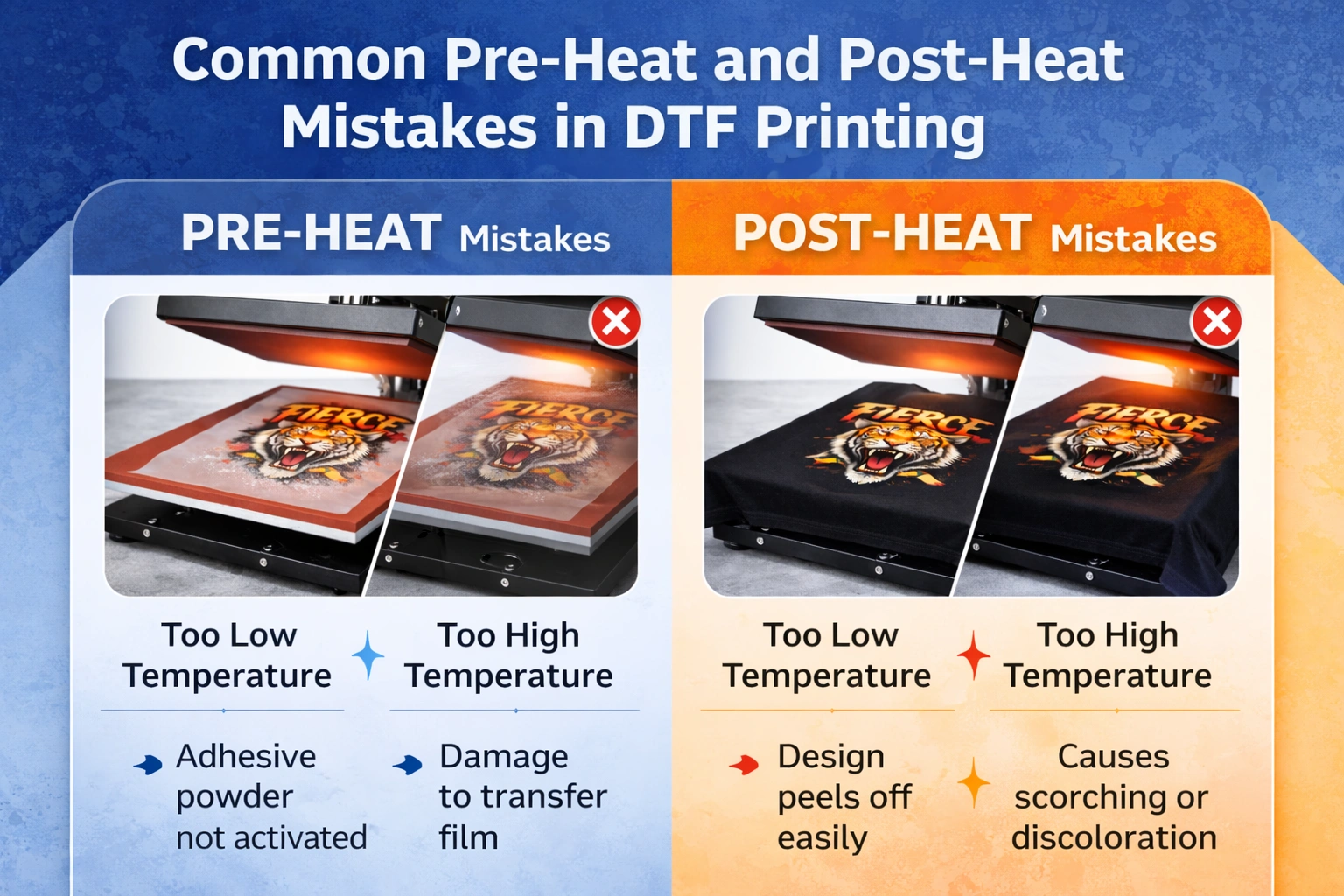
If you experience problems such as peeling or fading, consider reviewing:
Pre-heat temperature uniformity
Post-heat duration and pressure
Adhesive compatibility with fabric
Environmental factors like humidity
Systematic testing helps identify and resolve issues efficiently.
Future Trends in DTF Heating Technology
As DTF technology evolves, advanced heating systems with precise temperature control and automation are becoming more common. These innovations aim to reduce manual errors, improve consistency, and enhance energy efficiency.
Manufacturers are also developing smarter adhesives that require lower temperatures, making DTF printing more sustainable and fabric-friendly.
Conclusion
Pre-heat and post-heat configurations are not optional steps in DTF printing—they are fundamental to achieving professional-quality results. While pre-heating prepares the adhesive and enhances transfer efficiency, post-heating ensures long-term durability, wash resistance, and visual appeal.explore our high-quality DTF printers here
By understanding the role of each heating stage and carefully optimizing temperature, time, and pressure, print providers can significantly improve output quality, reduce waste, and meet customer expectations with confidence. A balanced and well-documented heating strategy is the foundation of successful DTF printing.
Frequently Asked Questions (FAQ)
What is the ideal pre-heat temperature for DTF printing?
Most adhesives perform well between 120°C and 150°C, but manufacturer guidelines should always be followed.
How long should post-heating be applied?
Post-heating typically lasts 10 to 15 seconds, depending on fabric and adhesive type.
Is it necessary to use both pre-heat and post-heat?
Yes, both stages serve different purposes and work together to ensure print quality and durability.
Can incorrect heating damage garments?
Excessive heat or pressure can scorch fabrics or distort prints, making proper calibration essential.