

 HOME
HOME PRODUCT CENTER
 ABOUT US
 DOWNLOAD CENTER
 SUPPORT CENTER
 SUBSCRIBE
 BLOG
BLOGDTF Printer Buying Guide: Questions to Ask Before You Invest
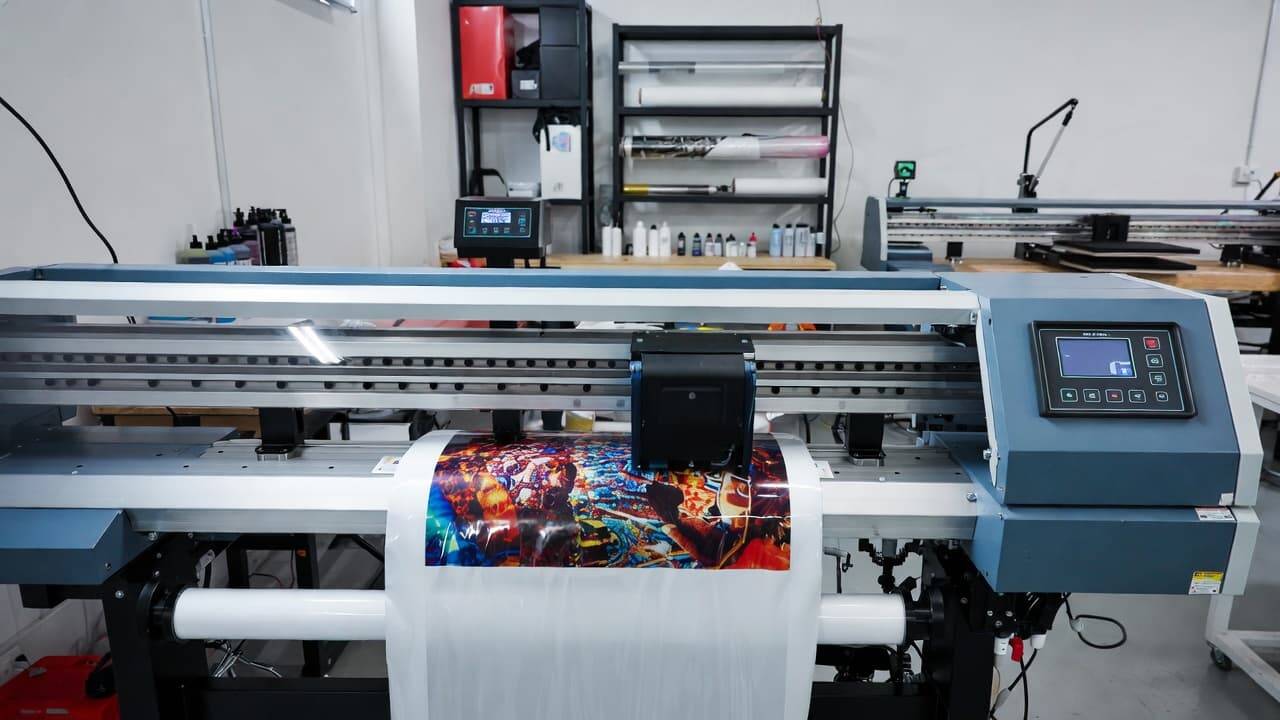
The custom apparel and merchandise industry has experienced rapid growth in recent years, and one technology that has significantly transformed this space is the DTF printer. Direct to Film (DTF) printing has quickly become a preferred method for entrepreneurs, print shops, and garment decorators because of its flexibility, vibrant output, and cost efficiency. Unlike older printing methods that restrict material choices or require complex preparation, DTF printing offers a simpler and more versatile workflow.
If you are planning to purchase a DTF printer, visiting a showroom or speaking directly with a sales representative is a smart step. However, many buyers walk into these conversations without knowing what to ask. As a result, they may end up purchasing equipment that doesn’t fully suit their needs, budget, or production goals.
This comprehensive guide will help you understand DTF printing in depth and, more importantly, equip you with the most important questions to ask a sales representative before investing in a DTF printer. By the end of this article, you will be able to confidently evaluate different machines, compare features, and choose a printer that supports your long-term business success.
Understanding How a DTF Printer Works
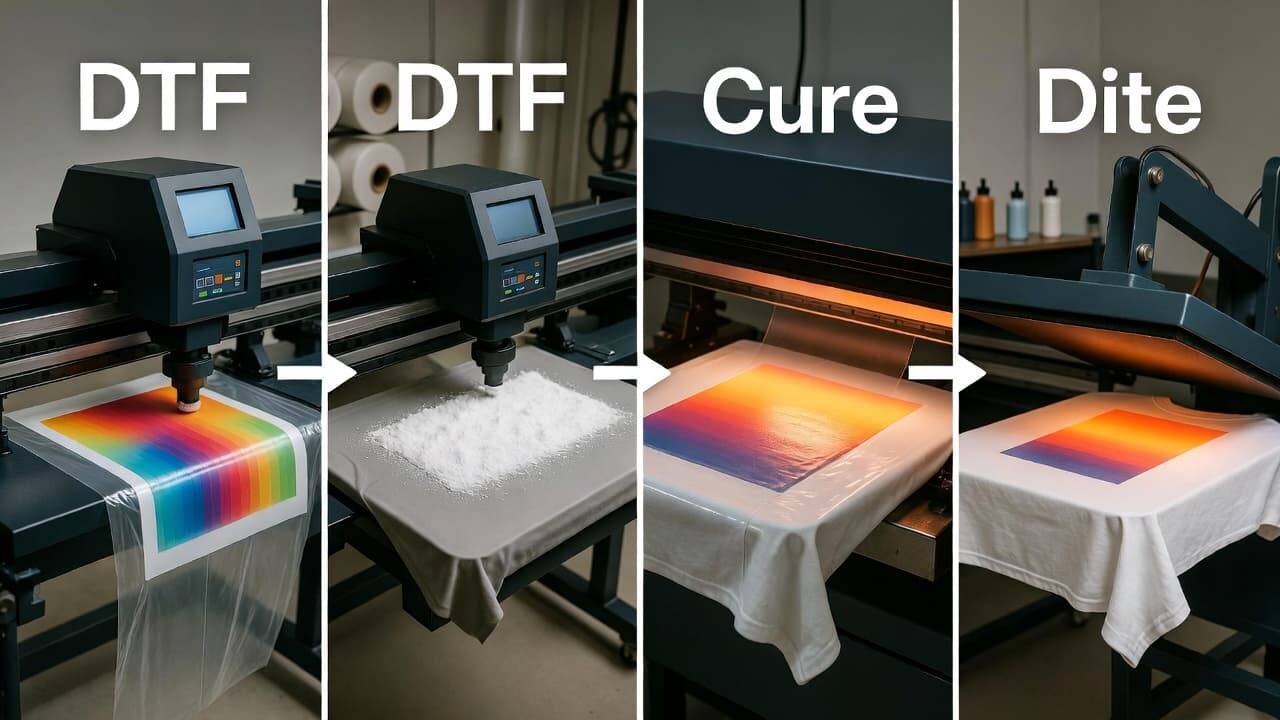
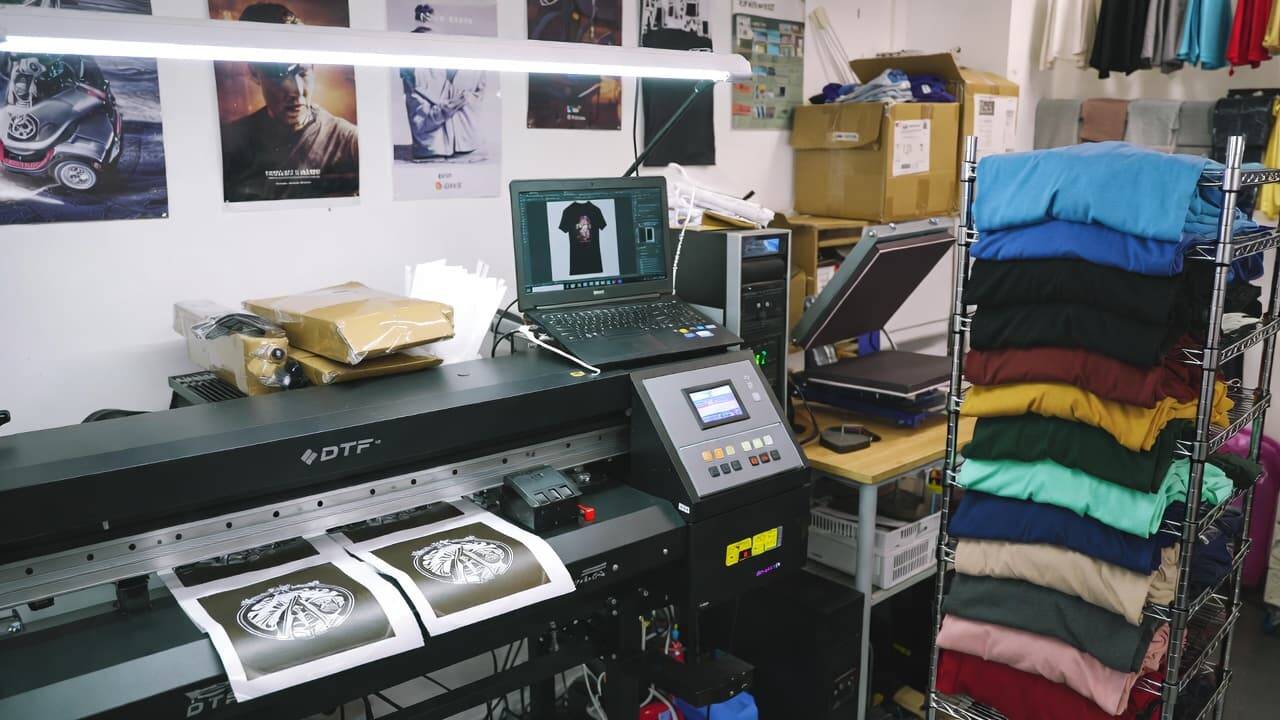
A DTF printer uses specialized ink to print designs onto a transparent transfer film rather than directly onto fabric. After printing, a powder adhesive is applied to the design. The film is then cured using heat and finally transferred onto the garment using a heat press.
This process allows you to print highly detailed, colorful designs on a wide range of materials without the limitations seen in other printing methods. Because the print is first created on film, you gain greater control over design quality, color vibrancy, and material compatibility.
The workflow typically includes:
Creating the design on your computer.
Printing the design onto DTF transfer film.
Applying adhesive powder.
Curing the film with heat.
Pressing the film onto the garment.
This method is especially beneficial for small to medium production runs, custom orders, and businesses that require flexibility in fabric choices.
Why DTF Printing Is Gaining Popularity
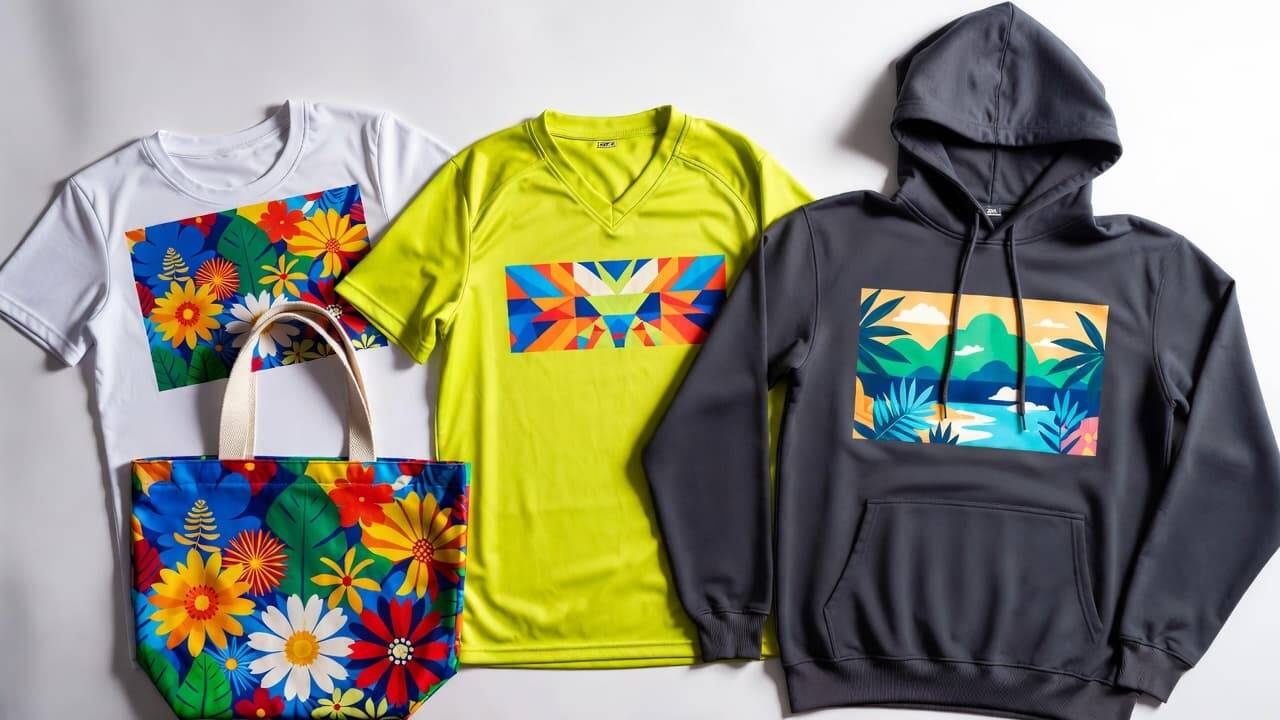
Before you step into a showroom, it helps to understand why DTF printing is considered a breakthrough in the industry.
Versatility Across Fabrics
A DTF printer can print on cotton, polyester, nylon, blends, and many other materials. This is a significant advantage compared to other technologies that work best only on cotton or treated fabrics.
Vibrant and Durable Prints
DTF prints are known for their strong color saturation and durability. The designs resist cracking, peeling, and fading even after multiple washes when applied correctly.
Low Setup Costs
Unlike screen printing, DTF printing does not require separate screens for each color. This reduces setup time and makes it ideal for short runs and custom designs.
Efficient for Small Businesses
Because you can print on demand without large setup processes, DTF printing is extremely practical for startups and small businesses.
Eco-Conscious Ink Options
Most modern DTF printers use water-based pigment inks, which are safer for operators and more environmentally friendly.
Key Questions to Ask Before Buying a DTF Printer
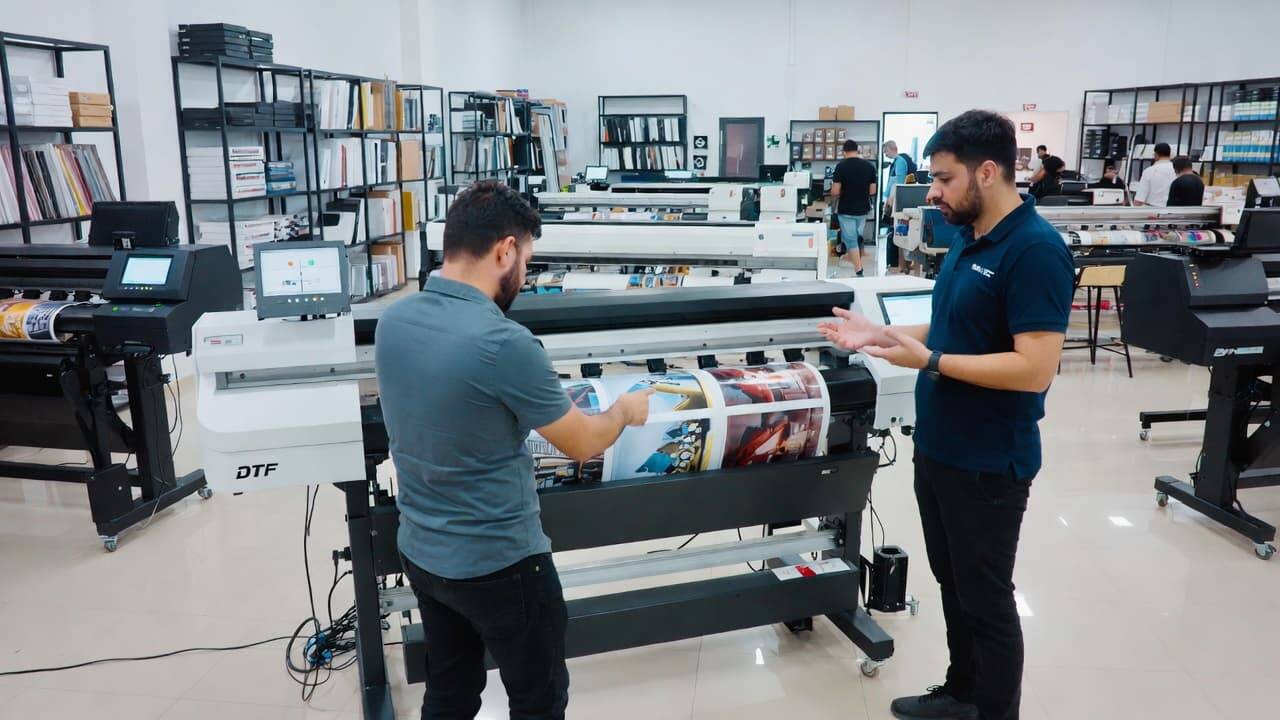
When you visit a showroom or talk to a supplier, the right questions will reveal whether the printer is suitable for your business model.
1. What Technical Specifications Should I Focus On?
Specifications determine the performance and output quality of the printer. Ask about:
Print resolution (DPI) and how it affects detail
Maximum print width
Printing speed per hour
Ink configuration and color channels
Compatibility with different transfer films and powders
A high DPI and proper ink setup ensure sharp, vibrant prints.
2. How User-Friendly Is the DTF Printer?
Ease of use can save you time and prevent mistakes. Clarify:
How complex the setup process is
Whether calibration is automatic or manual
If training or installation support is provided
Availability of manuals, video tutorials, or support documents
A beginner-friendly machine reduces the learning curve and production delays.
3. What Maintenance Does the Printer Require?
Like any printing equipment, a DTF printer requires routine care. Ask:
Daily, weekly, and monthly maintenance tasks
How to clean print heads and prevent clogging
Availability and cost of replacement parts
Warranty coverage for components
Understanding maintenance prevents unexpected downtime.
4. Can I See a Live Demonstration?
A live demo reveals far more than brochures or specifications. During the demo, observe:
Print quality and color vibrancy
Speed during operation
Noise level
Film feeding and ink application
Overall workflow from print to transfer
Seeing the printer in action gives you confidence in its real performance.
5. What Are the Ongoing Running Costs?
Initial cost is only part of the investment. Ask about:
Ink cost per print
Price of transfer film and adhesive powder
Electricity consumption
Expected cost per finished garment
This helps you calculate profitability and pricing for your services.
6. What Materials and Sizes Can It Handle?
Ask the sales representative:
Maximum and minimum print sizes
Types of fabrics tested and supported
Performance on dark and light garments
Whether specialty materials are supported
The more flexible the printer, the more services you can offer.
7. What Kind of Technical Support Is Available?
Reliable support is essential, especially for new users. Clarify:
Phone, email, or on-site support options
Response time for issues
Access to troubleshooting guides
Community forums or user groups
Strong support reduces production interruptions.
8. What Is the Expected Lifespan of the Printer?
Ask about:
Average years of use
Print head lifespan
Upgrade or refurbishment options
Real customer usage experiences
Longevity affects your return on investment.
9. Are There Financing or Bundle Offers?
DTF printers can be a significant investment. Ask about:
Financing or installment plans
Discounts on consumables with purchase
Bundle deals with heat press or curing units
Trade-in options for older equipment
This can reduce upfront financial pressure.
10. Can You Provide Customer References?
Speaking to real users provides practical insight. Ask for:
Case studies
Testimonials
Contact references
Examples of businesses similar to yours using the machine
This gives you real-world validation.
Comparing DTF With Other Printing Methods
Understanding how a DTF printer compares with alternatives helps justify your decision.
| Feature | DTF Printing | DTG Printing | Screen Printing |
|---|---|---|---|
| Fabric compatibility | Very high | Mostly cotton | High |
| Setup time | Low | Low | High |
| Best for small runs | Yes | Yes | No |
| Color vibrancy | Excellent | Good | Excellent |
| Equipment cost | Moderate | High | Low |
| Maintenance | Moderate | High | Low |
Practical Tips Before Visiting a Showroom
Bring sample designs to test print quality
Ask to print on fabrics you commonly use
Take notes and compare multiple brands
Ask for a detailed cost breakdown in writing
Preparation ensures you leave with clear answers.
Common Mistakes Buyers Make
Focusing only on price, not quality
Ignoring running costs
Overlooking maintenance requirements
Not asking for demonstrations
Choosing a printer without checking fabric compatibility
Avoiding these mistakes saves money and frustration.
Frequently Asked Questions About DTF Printers
What is the difference between DTF and DTG printing?
DTF printing transfers designs from film to fabric, allowing printing on many materials. DTG prints directly onto garments and works best on cotton.
How fast can a DTF printer produce prints?
Most printers can create a full-color design in one to three minutes depending on size and detail.
Is DTF printing environmentally friendly?
Many DTF printers use water-based inks, which are safer and more eco-conscious than solvent inks.
Do all fabrics work with DTF printing?
DTF works on most common fabrics including cotton, polyester, and blends. Some specialty materials may require testing.
Do I need special software?
Yes, DTF printers require RIP software to process and optimize designs for printing.
Final Thoughts
Investing in a DTF printer can open new opportunities for your custom printing business, but only if you choose the right machine. By asking detailed, thoughtful questions and observing the printer in action, you ensure that your investment aligns with your production needs, budget, and growth plans.
A showroom visit is more than a product demonstration—it’s your chance to gather insights, compare options, and make a confident decision. With the right preparation and the right questions, you can select a DTF printer that delivers consistent quality, operational efficiency, and long-term profitability.explore our high-quality DTF printers here.