

 HOME
HOME PRODUCT CENTER
 ABOUT US
 DOWNLOAD CENTER
 SUPPORT CENTER
 SUBSCRIBE
 BLOG
BLOGDTF Printer Trade-In Programs: Upgrade Smart and Maximize Value
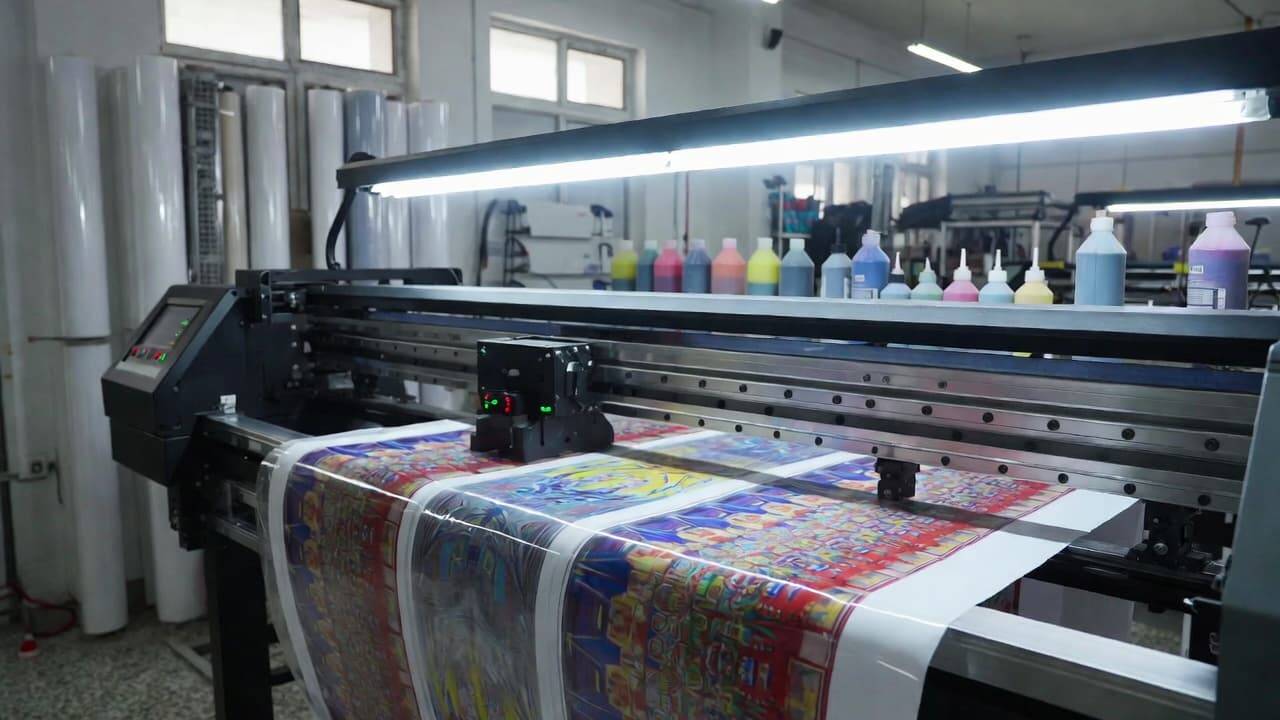
Direct-to-Film (DTF) printing has transformed the custom apparel and textile decoration industry. From small startup print shops to large-scale production facilities, businesses are investing heavily in DTF printers to meet rising demand for vibrant, durable, and cost-effective garment prints. However, as technology advances rapidly, many business owners face a common question: What should you do with your old DTF printer when upgrading to a new model?
This is where DTF printer trade-in programs come into play. Instead of letting your old machine collect dust or selling it at a loss, a structured trade-in program allows you to convert your existing equipment into credit toward a new, more advanced printer. It’s a practical, eco-friendly, and financially strategic move.
In this comprehensive guide, we will explore everything you need to know about DTF printer trade-in programs—how they work, their benefits, what to look for, how to prepare your machine, and how to maximize your return. Whether you run a small print shop or manage a growing production facility, this guide will help you make a confident, informed decision.
Understanding DTF Printing Technology
Before diving into trade-in programs, it’s important to understand why DTF printers are upgraded so frequently.
A DTF printer works by printing a design onto a special PET film using textile pigment inks. The printed film is coated with adhesive powder, cured, and then heat-pressed onto fabric. This method offers several advantages:
Works on cotton, polyester, blends, and more
Produces vibrant, detailed prints
Requires minimal fabric pretreatment
Suitable for small and large production runs
Cost-effective for custom orders
As manufacturers release improved models with faster speeds, better print heads, enhanced color management, and automated maintenance systems, older machines can quickly feel outdated. That’s why many businesses explore trade-in options when upgrading.
What Is a DTF Printer Trade-In Program?
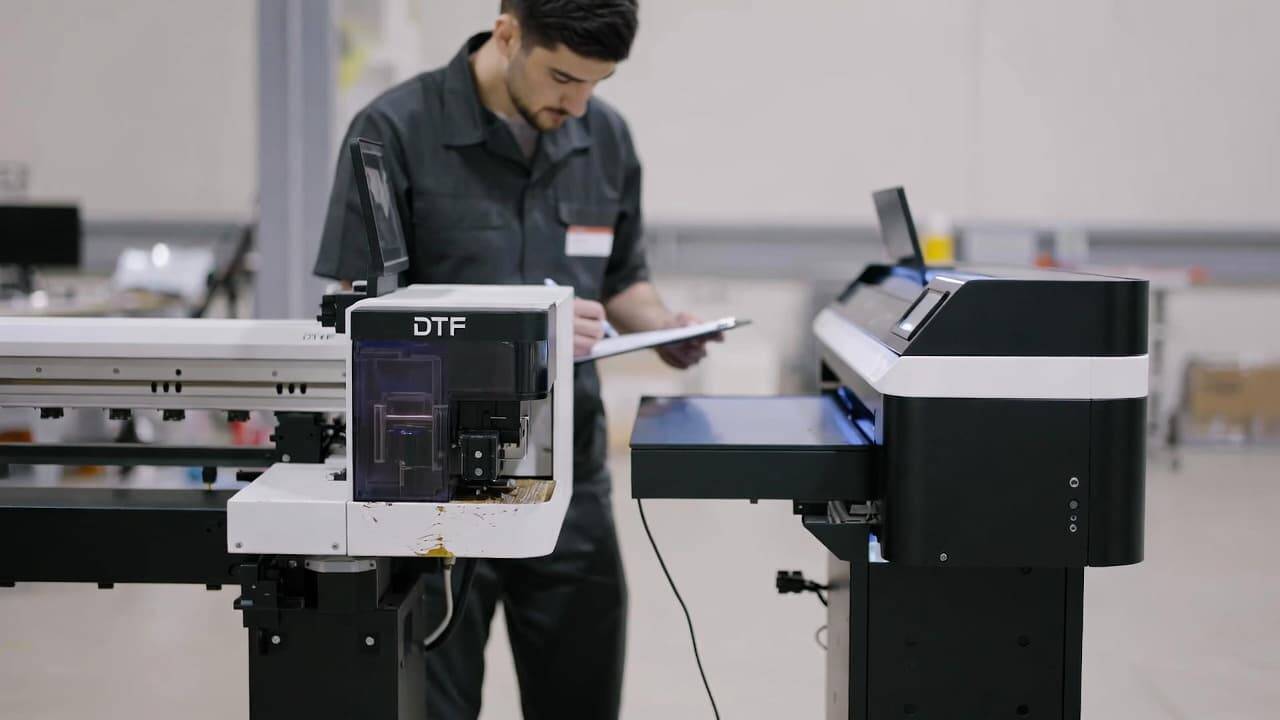
A DTF printer trade-in program is a structured upgrade plan offered by manufacturers or authorized dealers. It allows customers to exchange their old DTF printer for credit toward the purchase of a new model.
Instead of selling your printer independently—which can be time-consuming and uncertain—you receive an assessed value that reduces the cost of your new machine. These programs simplify the transition process while helping you maximize your investment.
Why Businesses Choose Trade-In Programs
1. Significant Cost Savings
Purchasing a new DTF printer is a major investment. Trade-in programs reduce the upfront financial burden by applying the value of your old printer as a discount. Even if your machine is several years old, it still holds residual value.
This makes it easier to upgrade to higher-end models with advanced features without straining your budget.
2. Smooth Equipment Transition
Selling used industrial equipment independently can involve negotiations, shipping arrangements, and potential disputes. Trade-in programs eliminate this hassle. Dealers typically handle inspection, logistics, and paperwork, ensuring a seamless transition.
3. Access to Advanced Technology
Modern DTF printers offer:
Faster print speeds
Improved ink circulation systems
Automatic white ink management
Enhanced RIP software compatibility
Better color accuracy
Energy-efficient curing systems
By upgrading through a trade-in program, you gain access to these technological improvements, increasing production efficiency and customer satisfaction.
4. Eco-Friendly Disposal
Proper disposal of large printing equipment can be challenging. Reputable trade-in programs ensure responsible recycling, refurbishment, or resale. This supports sustainable practices and reduces electronic waste.
5. Increased Production Capacity
If your current machine struggles with large orders, upgrading through a trade-in allows you to scale operations. Higher productivity means quicker turnaround times and the ability to handle bulk orders confidently.
How DTF Printer Trade-In Programs Work
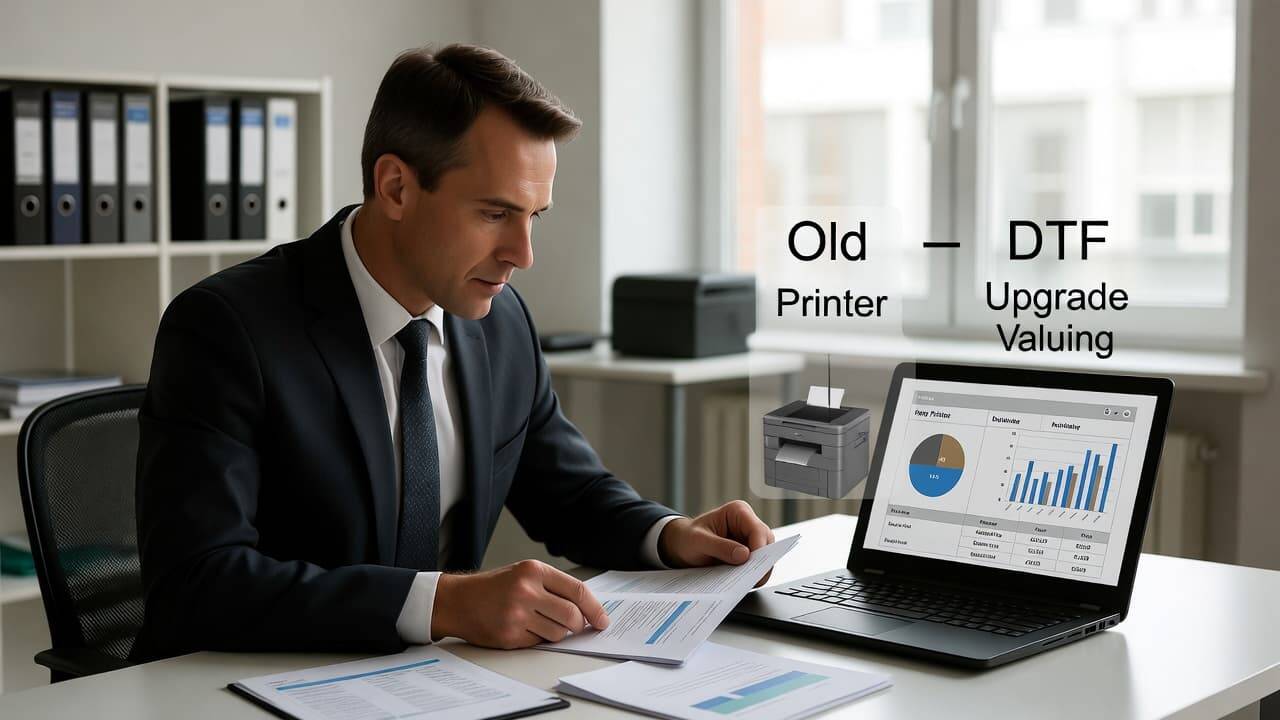
Though policies vary by provider, most trade-in programs follow a similar structure.
Step 1: Initial Assessment
You provide details about your printer, including:
Brand and model
Year of purchase
Print head condition
Maintenance history
Operational status
Included accessories
Some dealers may request photos or a video demonstration to verify condition.
Step 2: Trade-In Valuation
Based on your machine’s condition and current market demand, the dealer provides an estimated trade-in value. Factors influencing value include:
Overall working condition
Cosmetic appearance
Print head life
Firmware/software compatibility
Market demand for used units
Step 3: Selection of a New DTF Printer
After receiving your valuation, you can choose a new printer model. Your trade-in value is applied as a credit toward the purchase price.
Dealers often recommend models based on:
Your monthly production volume
Fabric types
Workspace size
Budget
Business growth goals
Step 4: Final Agreement and Logistics
Once the purchase is finalized:
Paperwork is completed
Pickup or return arrangements are made
Installation and training for the new printer are scheduled
This structured approach minimizes downtime and keeps your production running smoothly.
Key Features to Look for in a Reliable Trade-In Program
Not all trade-in offers provide equal value. Here’s what to prioritize:
Transparent Valuation Process
Choose programs that clearly explain how they determine trade-in value. Avoid vague estimates or hidden deductions. A trustworthy provider offers a detailed breakdown.
Manufacturer or Authorized Dealer Support
Working directly with manufacturers or authorized distributors ensures technical expertise, warranty protection, and reliable service support.
Flexible Upgrade Options
Some providers offer:
Future upgrade guarantees
Loyalty discounts
Extended warranties
Financing options
These benefits can significantly improve your long-term investment value.
Comprehensive Service Packages
Look for trade-in programs that include:
Installation support
Operator training
Technical assistance
Software updates
Maintenance guidance
This ensures your new DTF printer performs optimally from day one.
How to Prepare Your DTF Printer for Trade-In
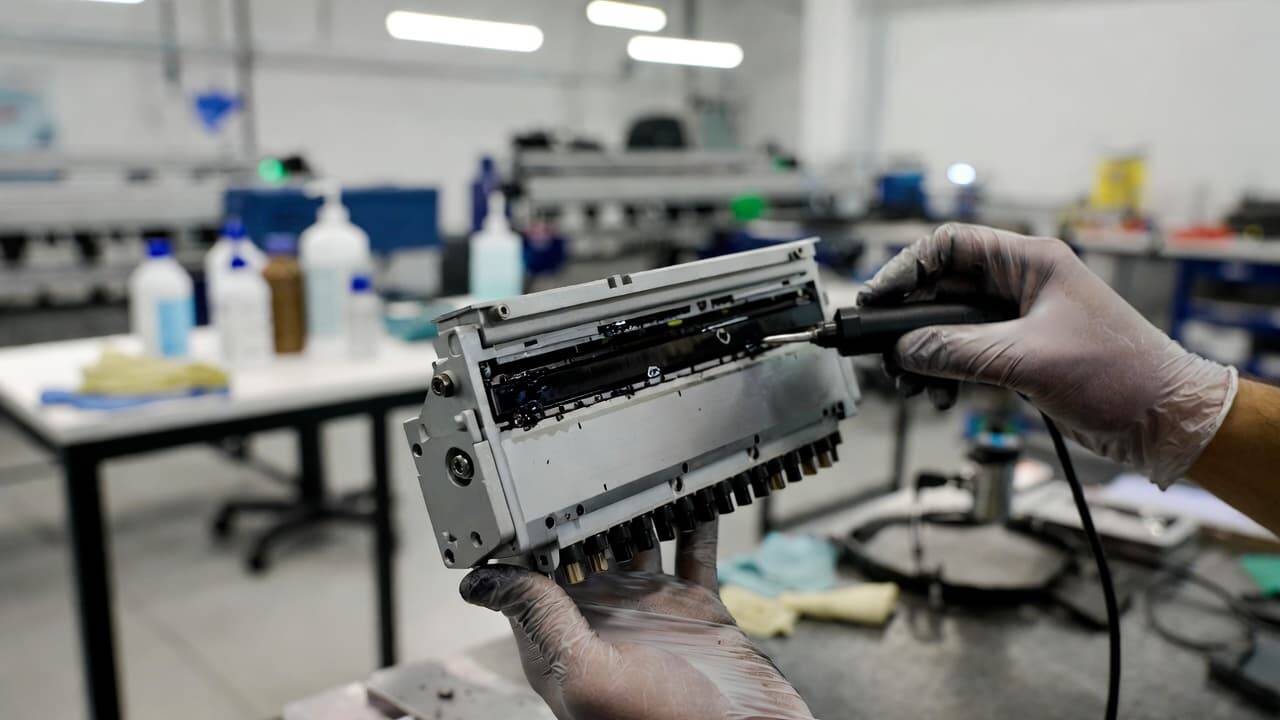
Proper preparation can positively influence your trade-in value.
Clean and Maintain the Machine
Thoroughly clean ink residue, dust, and adhesive buildup. Perform routine maintenance, including nozzle checks and print head cleaning. A well-maintained machine signals responsible ownership.
Document Maintenance Records
Provide service logs, repair invoices, and upgrade details. Demonstrating consistent care can improve valuation.
Back Up Settings and Files
Export RIP profiles, color settings, and workflow configurations to avoid losing important data during the upgrade.
Remove Personal Branding
If your printer has business stickers or custom modifications, remove them for a professional presentation.
Inspect Components
Ensure all cables, trays, and accessories are included. Missing parts may reduce your trade-in value.
Understanding the Used DTF Printer Market
Trade-in values depend heavily on market demand. Understanding industry trends can help you negotiate confidently.
Market Demand
Certain printer models maintain higher resale value due to reliability, brand reputation, or compatibility with popular inks.
Seasonal Buying Trends
Many print businesses upgrade before peak seasons like holidays or back-to-school periods. Market demand may increase during these times.
Technology Shifts
If a new print head or software upgrade becomes industry standard, older models may depreciate faster.
Staying informed about these factors can help you choose the right time to trade in your equipment.
When Should You Consider Upgrading Your DTF Printer?
You may want to explore trade-in options if:
Frequent print head clogging reduces efficiency
Maintenance costs are increasing
Production speed no longer meets demand
Customers request higher resolution prints
Your machine lacks white ink circulation improvements
Spare parts are difficult to source
Delaying upgrades can cost more in lost productivity than the investment in a new printer.
Financial Planning for a DTF Printer Upgrade
Even with a trade-in credit, upgrading requires strategic financial planning.
Compare ROI
Calculate:
Increased output capacity
Reduced maintenance costs
Ink efficiency improvements
Potential for higher-margin products
A faster, more reliable printer can significantly increase monthly revenue.
Explore Financing
Many suppliers offer installment plans or leasing options. Combining financing with a trade-in credit makes high-end models more accessible.
Evaluate Long-Term Savings
Modern DTF printers often feature:
Automated cleaning systems
Reduced ink waste
Energy-efficient curing
Over time, these features lower operational costs.
Common Mistakes to Avoid During Trade-In
Avoid these common pitfalls:
Accepting the first offer without comparison
Failing to clean and document maintenance
Ignoring warranty transfer policies
Overlooking hidden fees
Not confirming logistics details
Doing your research ensures a smooth experience.
Choosing the Right New DTF Printer
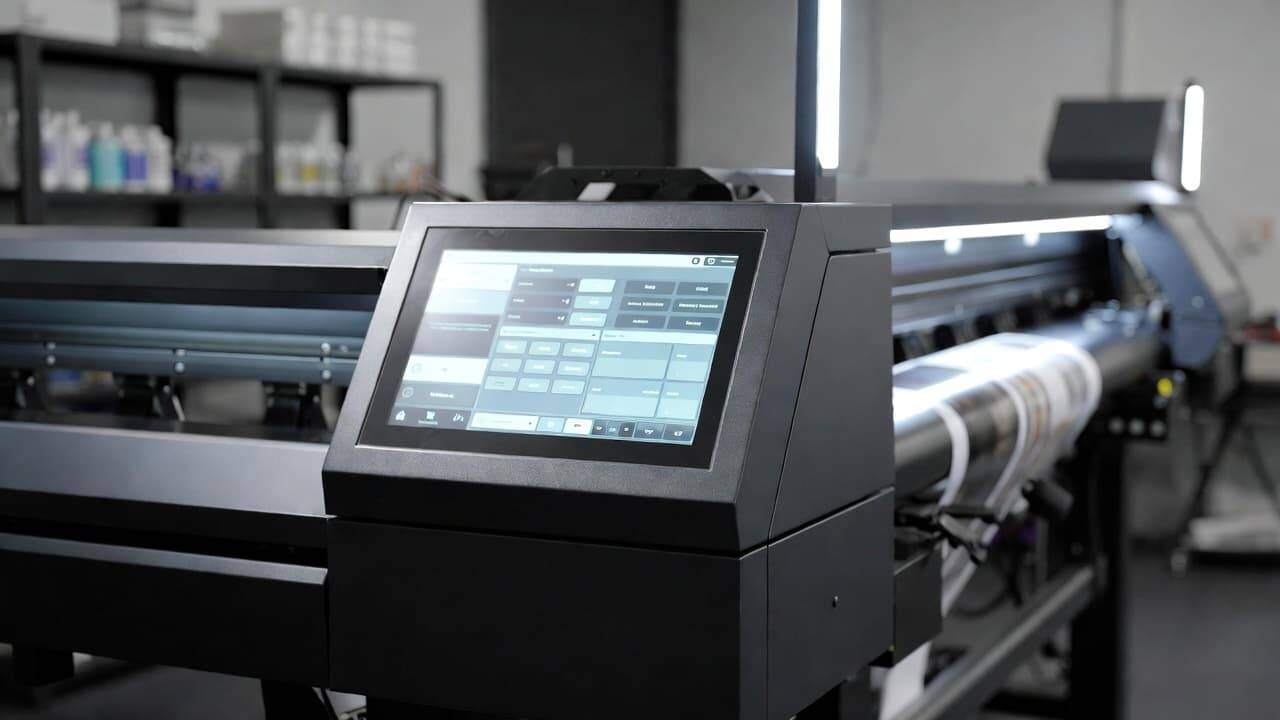
When upgrading, focus on:
Print speed (measured in square meters per hour)
Print head technology
Ink compatibility
White ink management system
RIP software support
Warranty coverage
After-sales service
Select a model aligned with your long-term business goals—not just immediate needs.
The Environmental Impact of Trade-In Programs
Sustainability matters in modern manufacturing. Trade-in programs reduce waste by:
Refurbishing functional units
Recycling electronic components
Preventing improper disposal
Choosing a responsible dealer contributes to environmentally conscious operations.
Future Trends in DTF Printing
DTF printing continues to evolve with:
AI-based color optimization
Automated powder application systems
Hybrid DTF/DTG machines
Improved pigment ink formulations
Faster curing technologies
Staying current through regular upgrades ensures you remain competitive in a dynamic market.
Conclusion
DTF printer trade-in programs offer a strategic pathway for businesses seeking growth and efficiency. Instead of viewing your old machine as obsolete equipment, consider it a valuable asset that can offset the cost of advanced technology.
By understanding how trade-in programs work, preparing your printer properly, researching market conditions, and choosing a reliable provider, you can maximize your return while upgrading your production capabilities.
The printing industry is highly competitive, and staying ahead requires smart investments. A well-planned DTF printer trade-in not only reduces costs but also positions your business for higher productivity, improved quality, and long-term success.
If you're ready to modernize your equipment and enhance your printing performance, exploring a reputable DTF printer trade-in program could be the smartest next step for your business.explore our high-quality DTF printers here.
Frequently Asked Questions
What is a DTF printer?
A DTF (Direct-to-Film) printer transfers designs onto fabric by printing on specialized film and heat pressing it onto garments. It is widely used in custom apparel printing for its versatility and vibrant results.
How is trade-in value calculated?
Trade-in value depends on the printer’s condition, age, maintenance history, market demand, and included components.
Can I trade in multiple printers?
Many programs allow multiple trade-ins. However, valuations and logistics may vary depending on the provider.
Will non-working printers be accepted?
Some dealers accept non-functional machines, but the trade-in value will be significantly lower.
Is cleaning required before trade-in?
While not mandatory in all cases, presenting a clean and well-maintained printer can positively influence the final valuation.
How long does the trade-in process take?
The process typically ranges from a few days to a couple of weeks, depending on evaluation and logistics arrangements.