

 HOME
HOME PRODUCT CENTER
 ABOUT US
 DOWNLOAD CENTER
 SUPPORT CENTER
 SUBSCRIBE
 BLOG
BLOGDTF Printer Guide for Jersey, Denim, and Canvas Printing
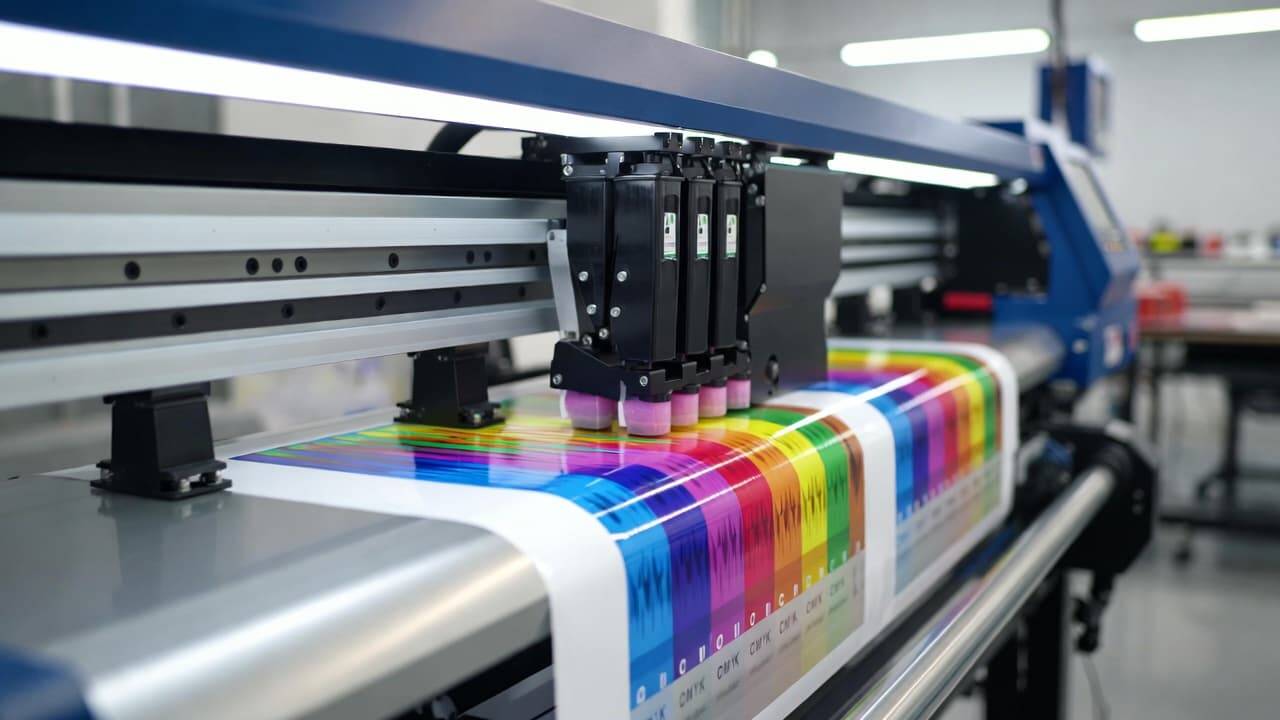
The global demand for custom apparel and personalized textile products has grown rapidly in recent years. From sports jerseys and fashion-forward denim jackets to printed canvas tote bags, customers now expect unique designs, bold colors, and long-lasting quality. To meet this demand efficiently, businesses are turning to advanced printing technologies—one of the most popular being the DTF printer.
Direct-to-Film (DTF) printing has quickly established itself as a powerful and flexible solution for textile decoration. It combines vibrant color output, excellent durability, and compatibility with multiple fabrics, including jersey, denim, and canvas. Whether you run a small custom printing shop or a large-scale garment production unit, understanding DTF technology can help you expand your services and stay competitive.
In this comprehensive guide, we’ll explore what DTF printing is, how it works, its benefits, features to look for in a DTF printer, fabric-specific applications, maintenance tips, and how to choose the right machine for your business. This SEO-friendly article is designed to help you make an informed decision while keeping the meaning clear and practical.
What Is DTF Printing?
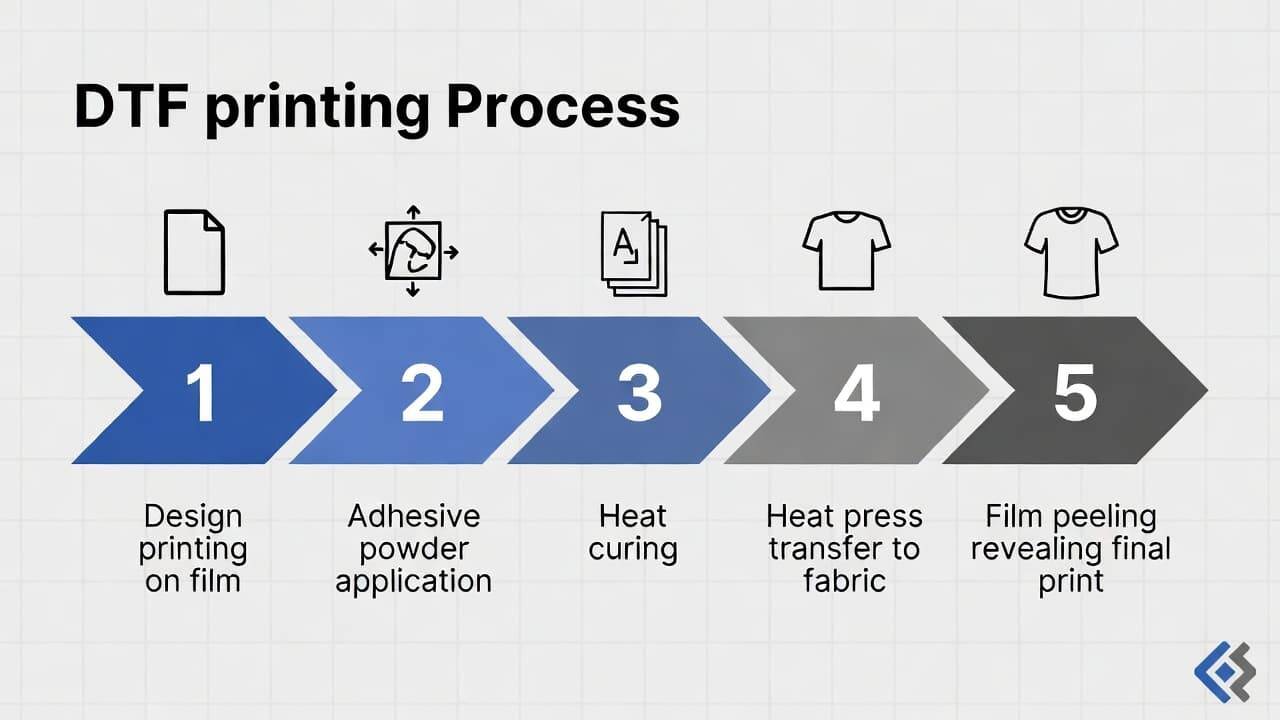
DTF stands for Direct-to-Film printing, a digital textile printing method where designs are first printed onto a special PET film and then transferred onto fabric using adhesive powder and heat.
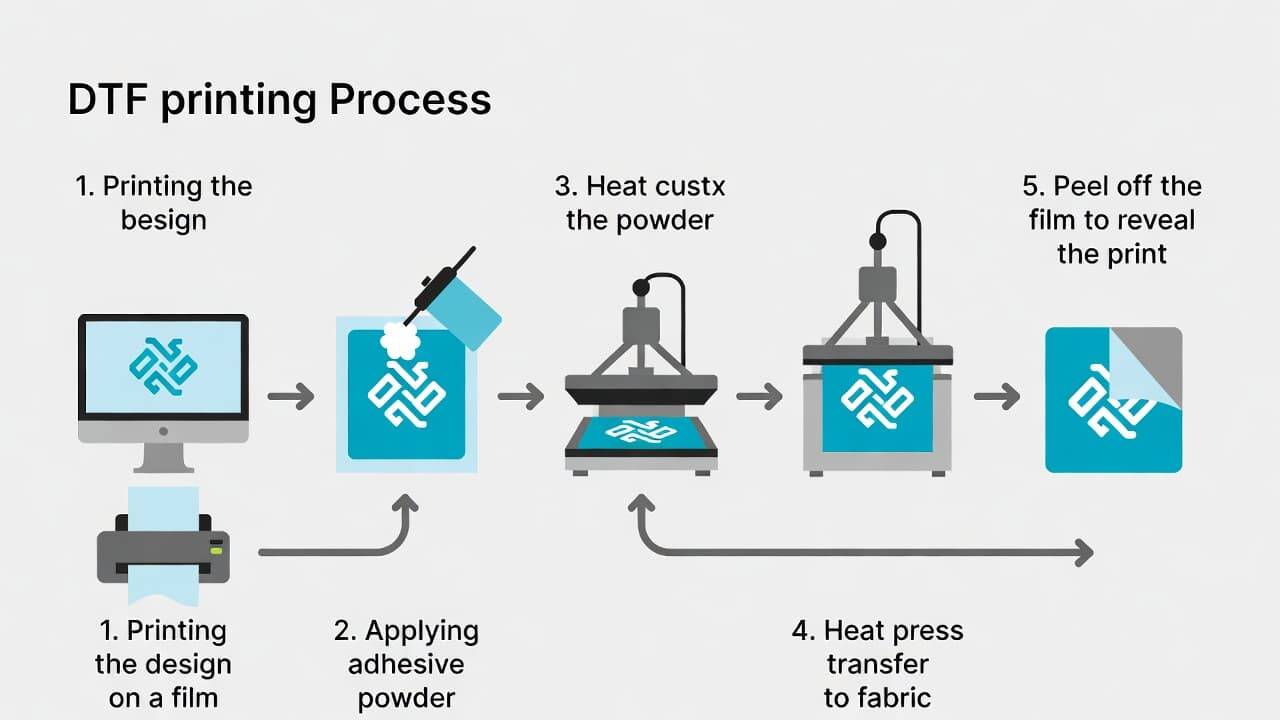
Unlike traditional printing techniques that print directly onto the garment, DTF works through a transfer process. Here’s how it typically works:
The design is printed in reverse onto a transparent film using specialized pigment inks.
A hot-melt adhesive powder is applied to the wet ink.
The film is cured using heat to bond the powder to the ink.
The design is transferred onto the fabric using a heat press.
The film is peeled off, leaving a vibrant, durable print on the material.
This process allows DTF printers to print on a wide range of fabrics without the need for fabric pre-treatment. The result is a flexible, soft-touch print that resists cracking, fading, and peeling.
Why DTF Printers Are Gaining Popularity
DTF printing has become a preferred choice in the custom apparel industry for several reasons. Let’s explore the main advantages that make DTF printers stand out.
1. Exceptional Fabric Versatility
One of the biggest strengths of a DTF printer is its ability to print on multiple fabric types, including:
Cotton
Polyester
Blended fabrics
Jersey materials
Denim
Canvas
This versatility eliminates the need for separate machines for different textiles, making DTF printing ideal for businesses offering diverse product lines.
2. High-Quality, Vibrant Prints
DTF printing produces sharp details, smooth gradients, and bright, accurate colors. The white ink layer used in the process enhances color vibrancy, even on dark fabrics. This makes it perfect for complex artwork, logos, and photographic prints.
3. Excellent Durability
DTF prints are known for their resistance to:
Cracking
Peeling
Fading
Washing damage
When properly applied, DTF transfers can withstand multiple wash cycles while maintaining their original look and feel.
4. Cost-Effective Production
Compared to traditional methods like screen printing, DTF printing reduces setup time and labor. There are no screens to prepare, and minimal material waste occurs. This makes it a cost-efficient solution, especially for small-batch and on-demand printing.
5. No Pre-Treatment Required
Unlike some printing methods that require fabric pre-treatment (especially for cotton), DTF printing eliminates this step. This simplifies the workflow and reduces production time.
Key Features to Look for in a DTF Printer
If you are planning to invest in a DTF printer, understanding the essential features is crucial. Here are the most important aspects to consider:
High Print Resolution
Print resolution determines the sharpness and detail of your designs. Look for a DTF printer that offers at least 1440 DPI resolution to ensure crisp text and smooth gradients.
Advanced Ink System
DTF printers use water-based pigment inks, including CMYK and white ink. A reliable ink circulation system for white ink is important to prevent clogging and ensure consistent output.
Efficient Printing Speed
For businesses handling bulk orders, printing speed matters. Choose a printer that balances speed and quality without compromising color accuracy.
User-Friendly Software
Modern DTF printers come with RIP software that allows color management, layout adjustments, and print optimization. Easy-to-use software saves time and reduces errors.
Reliable Film Feeding Mechanism
A stable and accurate film feeding system ensures proper alignment and reduces the risk of misprints.
Strong After-Sales Support
Technical support, training resources, and warranty services are critical for long-term performance and peace of mind.
Applications of DTF Printing on Different Fabrics
DTF printing truly shines when used across various fabric types. Let’s explore how it works specifically on jersey, denim, and canvas.
DTF Printing on Jersey Fabric
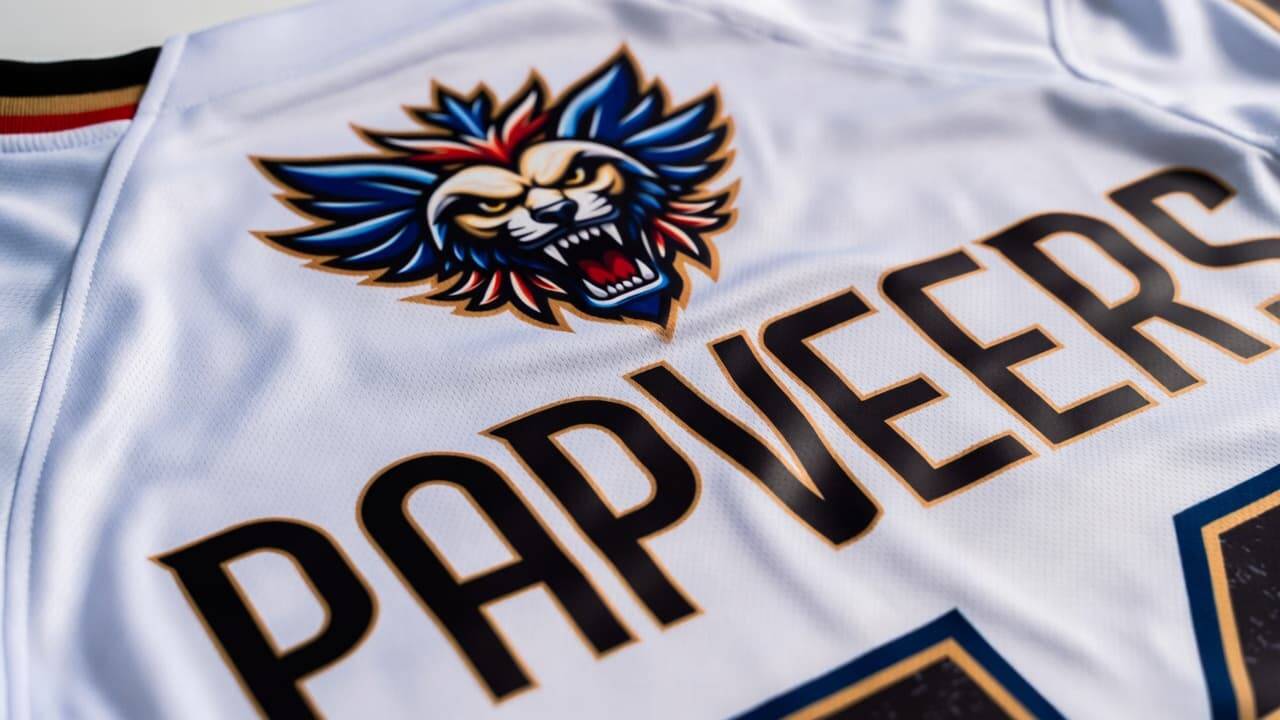
Jersey fabric is widely used for:
Sports uniforms
Team jerseys
Casual t-shirts
Activewear
Why DTF Works Well on Jersey
Jersey materials are often stretchy and lightweight. Traditional printing methods may crack or feel heavy on such fabrics. DTF prints, however, are flexible and move with the fabric.
Key Benefits for Jersey Printing
Sharp team logos and player names
Durable numbers that withstand frequent washing
Soft feel without stiffness
Bright colors on both light and dark jerseys
For sportswear businesses, DTF printing provides a reliable solution that maintains both comfort and durability.
DTF Printing on Denim
Denim is a tough, textured fabric commonly used in:
Jackets
Jeans
Skirts
Shirts
Unique Advantages on Denim
Denim can be challenging due to its thick texture. However, DTF transfers adhere strongly and maintain color vibrancy even on dark indigo backgrounds.
Popular Denim Applications
Custom jacket back prints
Trendy graphic jeans
Logo branding on denim shirts
Fashion embellishments
Because of its durability, DTF printing is ideal for denim apparel that experiences heavy use.
DTF Printing on Canvas
Canvas is commonly used for:
Tote bags
Shoes
Cushion covers
Decorative wall art
Why DTF Is Ideal for Canvas
Canvas has a coarse surface that may not suit all printing methods. DTF transfers bond effectively and produce detailed designs without bleeding.
Creative Canvas Uses
Branded tote bags for businesses
Customized gift items
Artistic prints for home décor
Promotional merchandise
DTF technology opens up endless creative possibilities for canvas customization.
DTF vs Other Printing Methods
When choosing a textile printing method, it’s helpful to understand how DTF compares with alternatives.
DTF vs Direct-to-Garment (DTG)
DTG prints directly onto fabric and works best on cotton. However, it often requires pre-treatment and may struggle with synthetic fabrics.
DTF, on the other hand:
Works on more fabric types
Does not require pre-treatment
Offers greater flexibility
DTF vs Screen Printing
Screen printing is cost-effective for bulk orders but requires setup time and screens for each color.
DTF is better for:
Small orders
Complex multi-color designs
On-demand printing
Each method has its place, but DTF stands out for flexibility and ease of use.
How to Choose the Right DTF Printer for Your Business
Selecting the right DTF printer depends on your specific needs. Here are important factors to consider:
Production Volume
If you handle large orders daily, choose a high-speed industrial model. For startups, a compact desktop DTF printer may be sufficient.
Budget Planning
Consider not just the initial cost but also:
Ink expenses
Film and powder costs
Maintenance requirements
Space Availability
Ensure your workspace can accommodate the printer, curing unit, and heat press.
Technical Support and Warranty
Choose a brand that offers reliable customer service and readily available spare parts.
User Reviews and Market Reputation
Check customer feedback to understand real-world performance and reliability.
Maintenance Tips for Long-Term Performance
Proper maintenance ensures consistent print quality and extends your printer’s lifespan.
Regular Print Head Cleaning
Prevent clogs by cleaning the print heads regularly, especially if the printer is not used daily.
Shake and Circulate White Ink
White ink can settle quickly. Regular circulation prevents blockages and uneven printing.
Keep the Workspace Clean
Dust and debris can affect film quality and print results.
Use Recommended Supplies
Always use compatible films, powders, and inks approved by the manufacturer.
Perform Routine Calibration
Check alignment and color settings periodically for optimal performance.
Common Challenges in DTF Printing and Solutions
Even though DTF printing is user-friendly, you may encounter some issues:
Ink Clogging
Solution: Perform daily maintenance and ensure proper white ink circulation.
Poor Adhesion
Solution: Adjust heat press temperature and pressure settings.
Color Inconsistency
Solution: Calibrate the RIP software and check ink levels.
By addressing these issues early, you can maintain consistent production quality.
Business Opportunities with DTF Printing
Investing in a DTF printer opens multiple revenue streams, such as:
Custom sportswear printing
Corporate branding apparel
Personalized fashion items
Print-on-demand businesses
Promotional merchandise production
Because DTF supports small and bulk orders alike, it suits both startups and established enterprises.
Future of DTF Printing Technology
The DTF printing industry continues to evolve. Improvements in ink formulation, automation, and eco-friendly materials are making the process even more efficient and sustainable.
As consumer demand for customization increases, DTF printing is expected to remain a key technology in the textile decoration industry.
Frequently Asked Questions (FAQ)
What is the difference between DTF and DTG printing?
DTF prints designs onto a film and then transfers them to fabric, while DTG prints directly onto the garment. DTF works on a wider range of materials and does not require pre-treatment.
Are DTF prints washable?
Yes. DTF prints are highly durable and can withstand multiple wash cycles without cracking or fading when properly applied.
What ink is used in DTF printing?
DTF printers use water-based pigment inks, including white ink for opacity and vibrant color output.
Is DTF printing suitable for small businesses?
Absolutely. DTF printers are ideal for startups because they require lower setup costs compared to screen printing and support small-batch production.
Which fabrics are best for DTF printing?
DTF printing works well on cotton, polyester, blends, jersey, denim, and canvas materials.
Final Thoughts
DTF printing has transformed the custom apparel and textile decoration industry. With its unmatched versatility, vibrant print quality, and long-lasting durability, a DTF printer is a valuable investment for businesses aiming to expand their product offerings.
Whether you specialize in sports jerseys, stylish denim fashion, or customized canvas products, DTF technology provides the flexibility and efficiency needed to meet modern market demands. By choosing the right printer, maintaining it properly, and understanding its full potential, you can unlock new creative opportunities and grow your printing business successfully.explore our high-quality DTF printers here
If you're ready to upgrade your textile printing capabilities, exploring high-quality DTF printers could be the next smart step for your business.