

 HOME
HOME PRODUCT CENTER
 ABOUT US
 DOWNLOAD CENTER
 SUPPORT CENTER
 SUBSCRIBE
 BLOG
BLOGWhen to Hire Your First Employee in a DTF Printing Business
Introduction
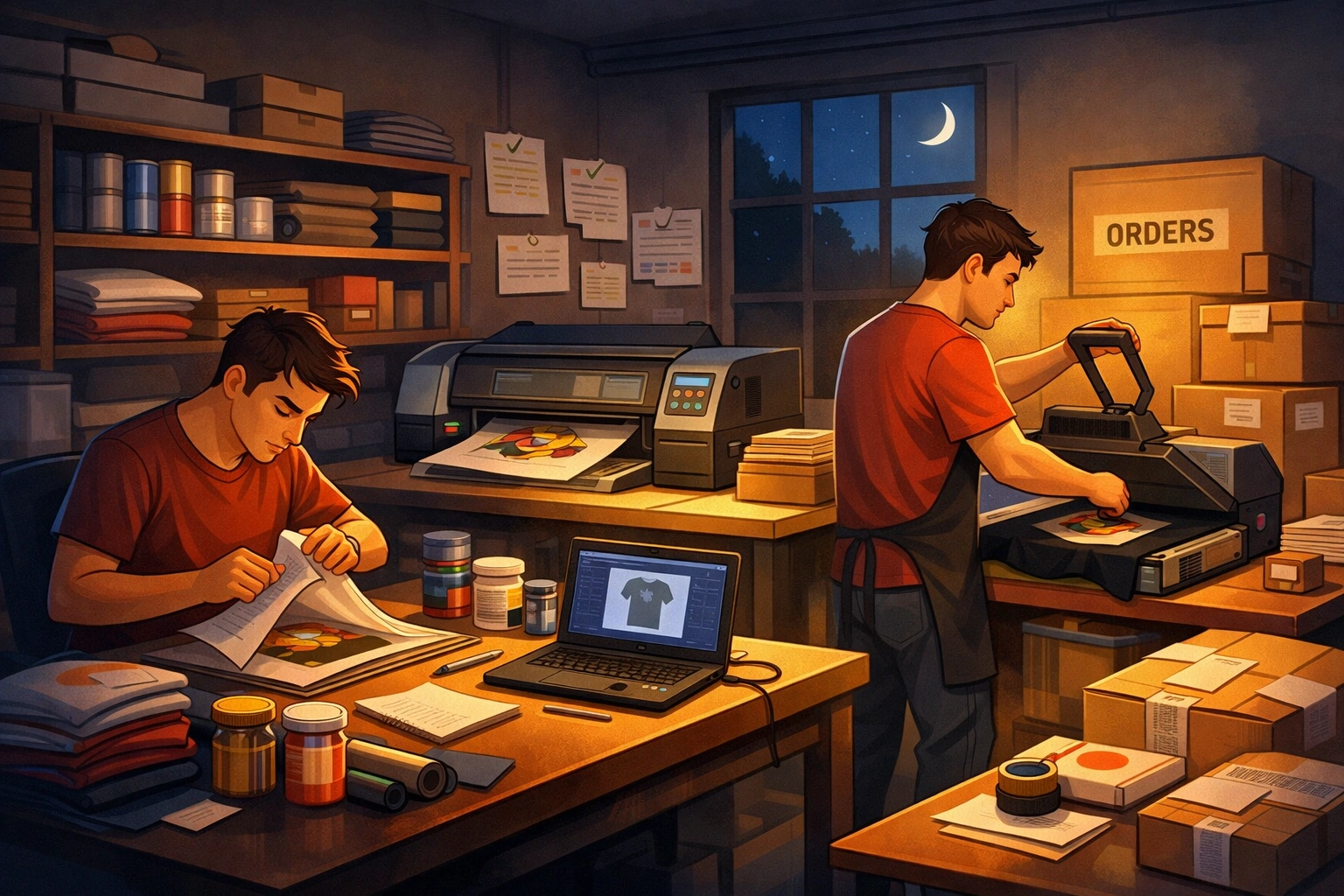
The garment printing industry is undergoing a major transformation, and Direct to Film (DTF) printing has quickly positioned itself as one of the most accessible and scalable business models for entrepreneurs. With low entry barriers, high customization potential, and strong demand from small brands and local businesses, many DTF printing ventures begin as solo operations.
However, as orders increase and operations become more complex, a critical question arises: when is the right time to hire your first employee? Hiring too early can strain your finances, while hiring too late can stunt growth, reduce quality, and lead to burnout.
This in-depth guide explores the practical, financial, and strategic factors that determine the right moment to expand your team. Whether you run a home-based setup or a small production unit, this article will help you make a confident, data-driven hiring decision while positioning your business for sustainable growth.
Understanding the DTF Printing Business Model
Before evaluating hiring decisions, it’s important to understand the nature of a DTF printing business and why it scales differently from traditional garment printing methods.
DTF printing involves printing a design onto a special PET film using DTF inks, applying adhesive powder, curing it, and then heat-pressing the design onto fabric. Unlike DTG or screen printing, DTF allows printing on multiple fabric types, including cotton, polyester, blends, leather, and even dark fabrics.
Why DTF Printing Attracts New Entrepreneurs
Several advantages make DTF printing a preferred choice for startups:
Consistent print quality with vibrant colors
No fabric pretreatment required
Suitable for short runs and custom orders
Lower setup costs compared to screen printing
Faster turnaround for personalized designs
Most entrepreneurs initially handle everything themselves—from design creation and printing to packing and customer communication. While manageable in the early days, this approach becomes inefficient as demand grows.
Why Hiring at the Right Time Matters
Hiring your first employee is not just about reducing workload; it is a strategic decision that directly impacts profitability, brand reputation, and scalability.
Hiring too early may lead to:
Cash flow pressure
Idle labor costs
Underutilized resources
Hiring too late may result in:
Missed orders
Declining print quality
Customer dissatisfaction
Owner burnout
The goal is to hire exactly when additional manpower starts generating more value than it costs.
Key Signs It’s Time to Hire Your First Employee
1. Order Volume Is Consistently Increasing
One of the strongest indicators that you need help is sustained order growth. Occasional spikes during festivals or promotions don’t always justify hiring, but consistent demand does.
Clear warning signs include:
Regular order backlogs
Missed delivery deadlines
Turning down new clients due to lack of capacity
Reduced ability to accept bulk or repeat orders
If you notice that demand remains high for several consecutive months, it’s a strong signal that your business has outgrown a one-person operation.
2. You Are Working Excessively Long Hours
In the early stages, working long hours feels normal. But when 10–12 hour workdays become routine rather than temporary, productivity begins to decline.
Symptoms of overload include:
Physical exhaustion or mental fatigue
Increased error rates in printing or packing
Delayed responses to customer inquiries
No time for planning or improvement
Hiring an employee allows you to delegate repetitive or time-consuming tasks, freeing you to focus on strategy, client relationships, and growth.
3. Core Business Areas Are Being Neglected
A DTF printing business involves more than just printing. When you are alone, some essential areas often get ignored.
Commonly neglected tasks include:
Marketing and social media promotion
Customer follow-ups and lead generation
Inventory tracking and procurement
Quality control and sample testing
If your business growth has slowed because you cannot manage everything simultaneously, adding manpower becomes necessary rather than optional.
4. Quality Consistency Is Slipping
DTF printing relies heavily on consistency—ink density, powder application, curing temperature, and pressing pressure all matter. When you rush through processes, quality often suffers.
Warning signs include:
More customer complaints or reprints
Color mismatches
Poor adhesion or cracking prints
Increased material wastage
Hiring a production assistant or quality checker can help maintain consistent output as volume increases.
5. You Have Clear Growth Goals
If your vision includes expanding into bulk orders, private labeling, online sales, or B2B clients, handling everything alone becomes impractical.
Hiring makes sense when:
You plan to increase daily production
You want to add new product categories
You aim to enter new geographic markets
You are preparing for seasonal demand surges
Growth goals without manpower often remain plans rather than results.
Roles to Consider for Your First Hire

Hiring doesn’t always mean bringing in a highly skilled specialist. Your first employee should solve your biggest operational bottleneck.
1. Production Assistant
This is the most common first hire in a DTF business.
Typical responsibilities:
Operating the DTF printer
Powder application and curing
Heat pressing transfers
Basic maintenance and cleaning
This role directly increases output and reduces your daily workload.
2. Design and Pre-Press Support
If design work consumes a large portion of your time, a junior designer can be valuable.
Responsibilities may include:
Preparing print-ready files
Adjusting colors and sizes
Managing customer revisions
Organizing design libraries
This allows faster order processing and better customer satisfaction.
3. Packaging and Dispatch Executive
As order volume grows, packing and shipping can become a bottleneck.
Tasks include:
Quality checks before packing
Labeling and packaging
Managing courier pickups
Updating order status
This role ensures smoother logistics and timely deliveries.
Financial Factors to Evaluate Before Hiring
1. Stable Monthly Revenue
Before hiring, ensure your business generates predictable income.
A good benchmark:
At least 3–6 months of stable revenue
Ability to cover salary even during slow periods
Avoid hiring based solely on short-term spikes.
2. True Cost of an Employee
Salary is only one part of the cost. Consider:
Training time
Mistakes during learning phase
Additional electricity and material usage
Tools or equipment required
Calculate the total monthly cost and compare it with the additional revenue the employee can help generate.
3. Return on Investment (ROI)
Hiring should increase either:
Revenue
Efficiency
Customer retention
If an employee allows you to fulfill more orders or improve quality, the ROI often justifies the cost within a few months.
Preparing Your Business for Hiring
Define Clear Job Responsibilities
Unclear roles lead to confusion and inefficiency. Create a simple job description outlining:
Daily tasks
Working hours
Performance expectations
Growth opportunities
Clarity from day one improves retention and productivity.
Standardize Your Processes
Before hiring, document your workflows:
Printing steps
Quality checks
File handling procedures
Packing guidelines
Standardization makes training faster and reduces dependency on any one person.
Build a Positive Work Culture
Your first employee sets the tone for future hires. Focus on:
Clear communication
Respectful work environment
Fair compensation
Learning opportunities
A strong foundation helps retain talent as your team grows.
Benefits of Hiring Your First Employee
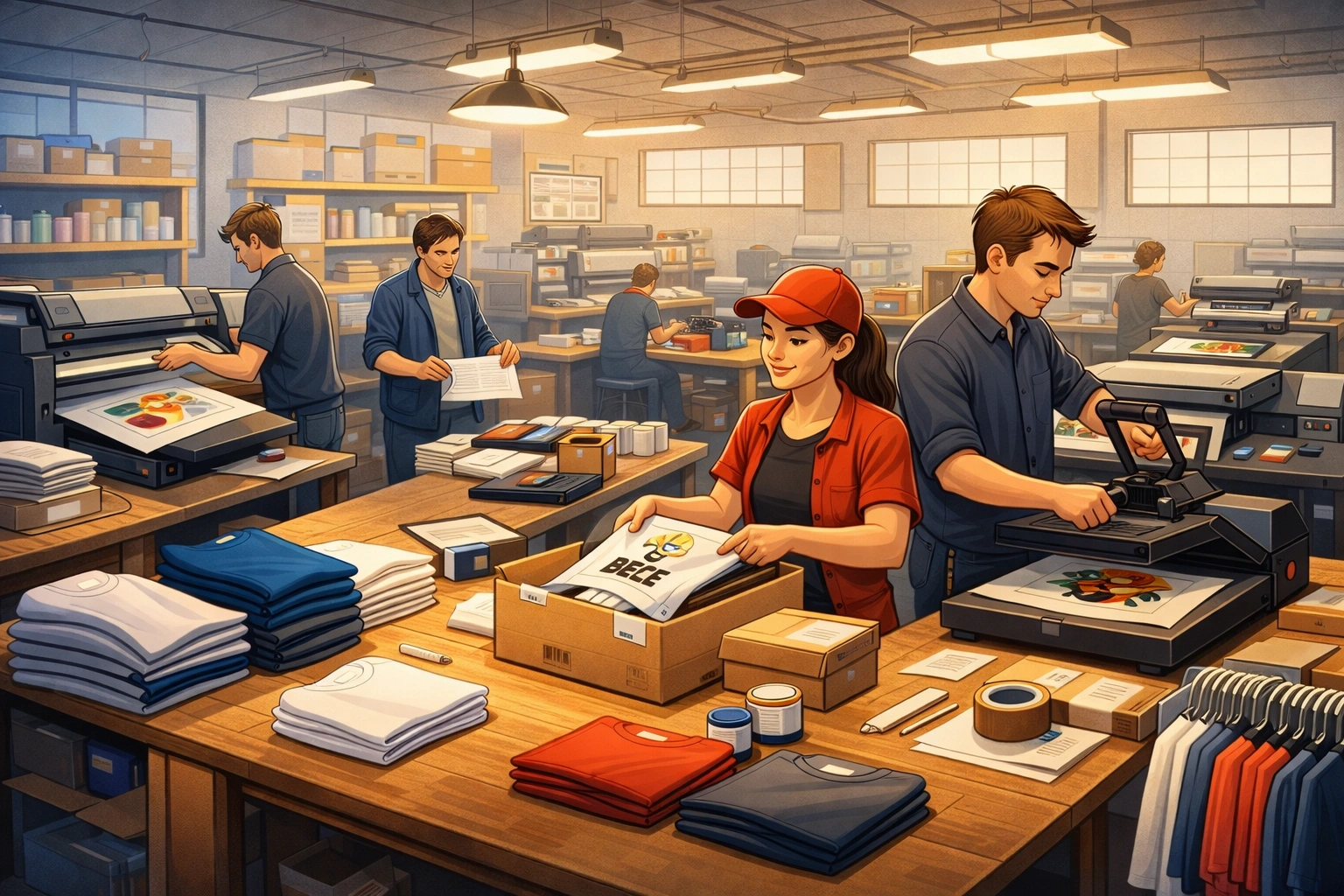
Hiring the right person at the right time can transform your business.
Key benefits include:
Increased production capacity
Faster order turnaround
Improved quality consistency
Better customer experience
Reduced owner burnout
More time for strategic planning
Instead of slowing you down, the right hire often accelerates growth.
Common Hiring Mistakes to Avoid
Hiring without clear financial planning
Expecting one employee to handle everything
Skipping proper training
Not setting performance expectations
Delaying hiring until burnout occurs
Avoiding these mistakes ensures a smoother transition from solo operator to team-based business.
Conclusion
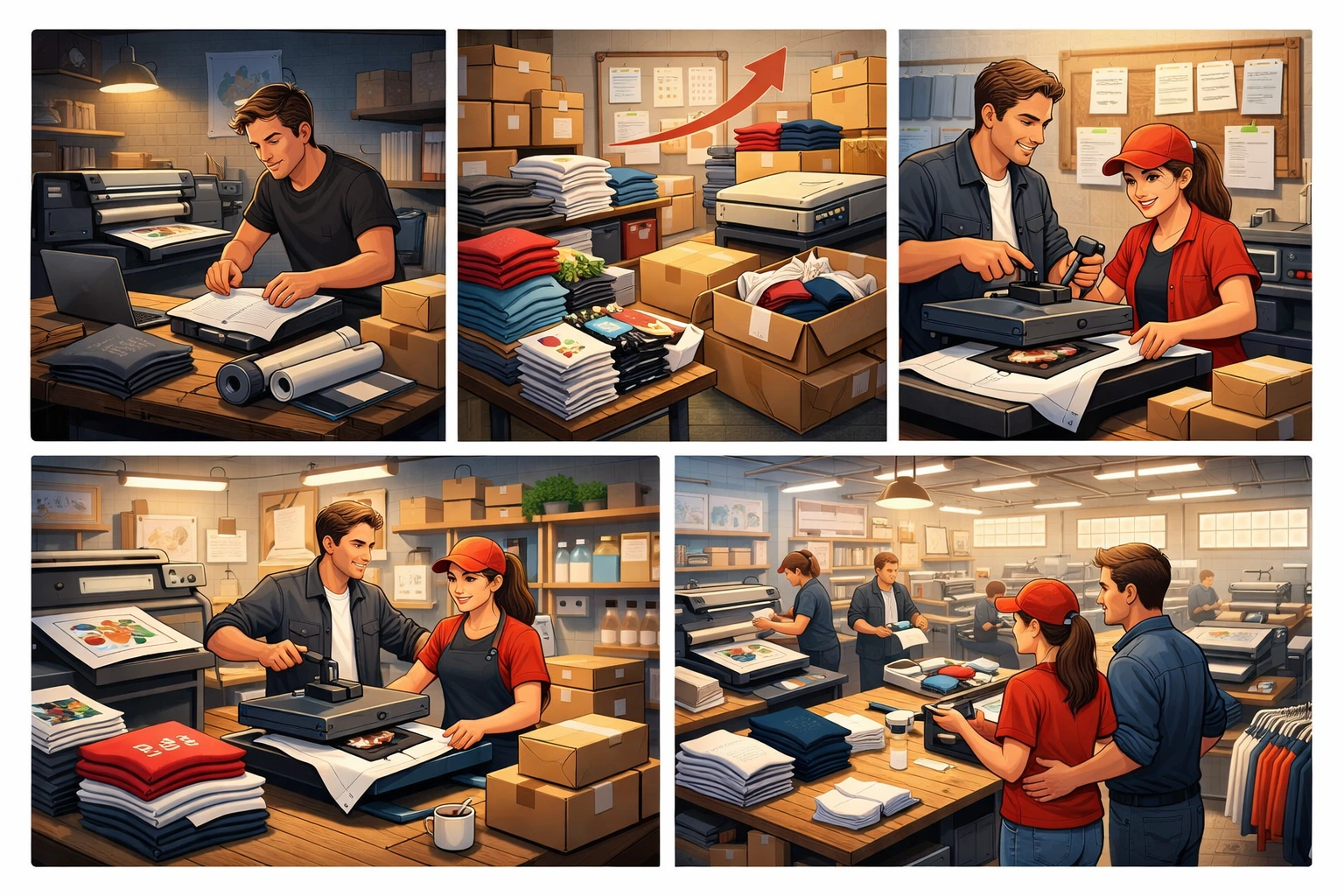
Hiring your first employee is one of the most important milestones in your DTF printing business journey. It signals that your venture is moving beyond survival mode and entering a growth phase. By carefully evaluating demand, workload, financial readiness, and long-term goals, you can make this decision with confidence rather than pressure.
When done at the right time, hiring doesn’t just reduce stress—it creates new opportunities, improves quality, and lays the foundation for scalable success. As your DTF printing business continues to evolve, the right team will be just as important as the right equipment.Explore our high-quality DTF printers here
Frequently Asked Questions (FAQ)
What is DTF printing?
DTF (Direct to Film) printing is a process where designs are printed onto a special film and then transferred onto fabric using heat and pressure, allowing vibrant and durable prints on various materials.
What should my first employee do in a DTF business?
Most businesses start by hiring a production assistant to handle printing, curing, and heat pressing, allowing the owner to focus on growth and customer management.
How do I know if I can afford to hire?
If your monthly revenue is stable and can cover salary costs for several months without stress, you are likely financially ready to hire.
Can one employee really make a difference?
Yes. Even one trained employee can significantly increase output, reduce errors, and free up your time for higher-value tasks.