

 HOME
HOME PRODUCT CENTER
 ABOUT US
 DOWNLOAD CENTER
 SUPPORT CENTER
 SUBSCRIBE
 BLOG
BLOGDTF Printer Guide: Supplies, Setup & Pro Tips for Long-Lasting Prints
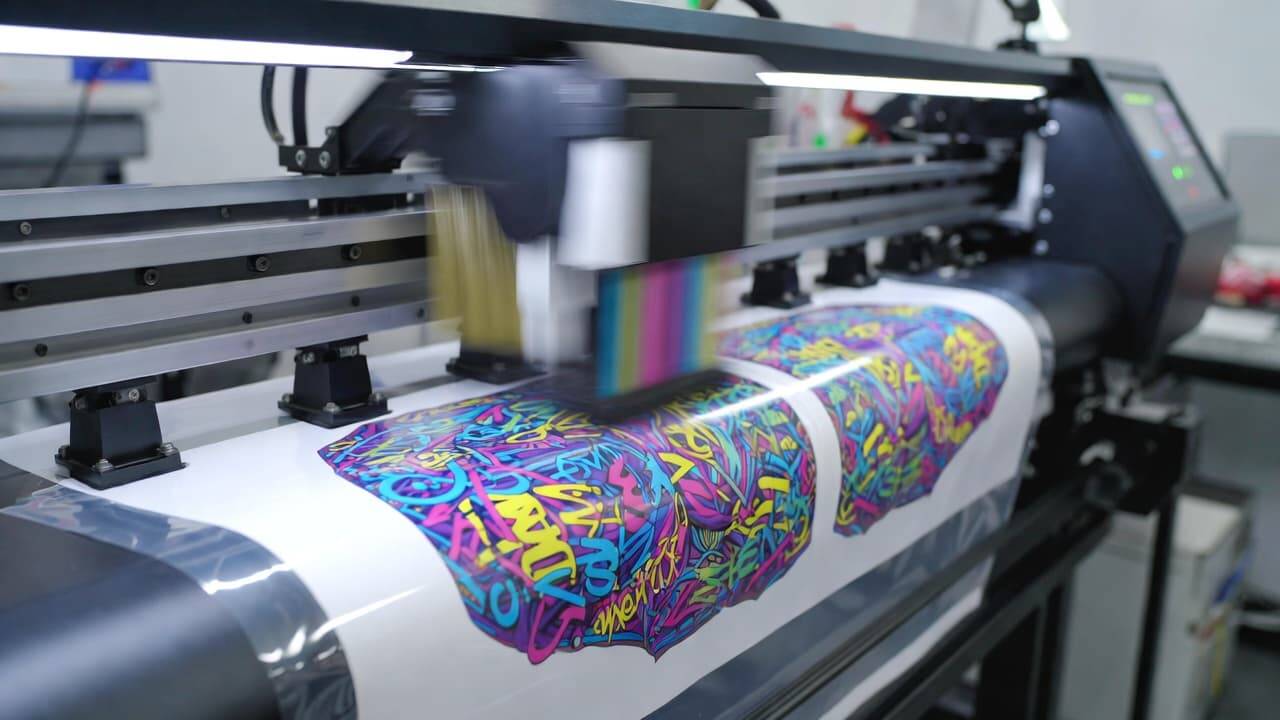
Direct to Film (DTF) printing has quickly become one of the most in-demand technologies in the custom apparel industry. Whether you are starting a t-shirt business, expanding your print shop, or exploring new textile decoration methods, investing in the right DTF printer setup and supplies is the key to success.
This complete, SEO-optimized guide will help you understand DTF printing, the essential materials required, how to choose high-quality supplies, and best practices to achieve professional, durable results. The meaning remains the same—but the content is fully refreshed, expanded, and written in a natural human tone for website use.
What Is DTF Printing?
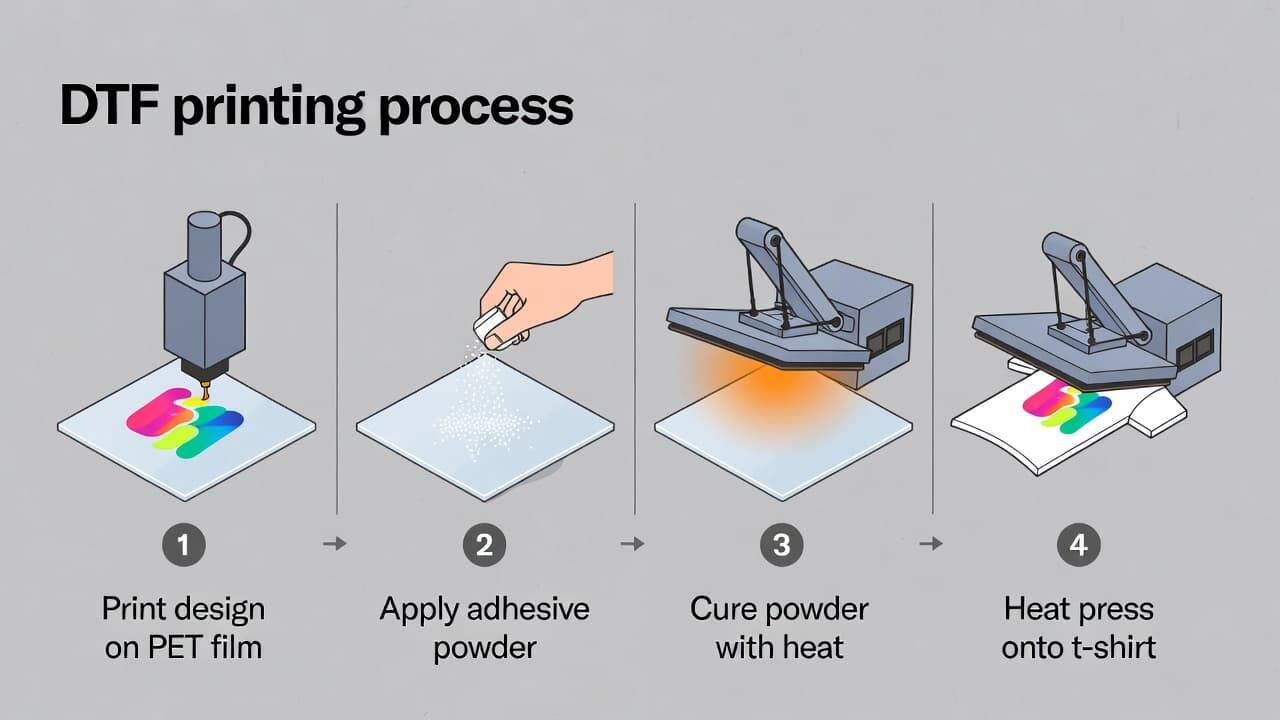
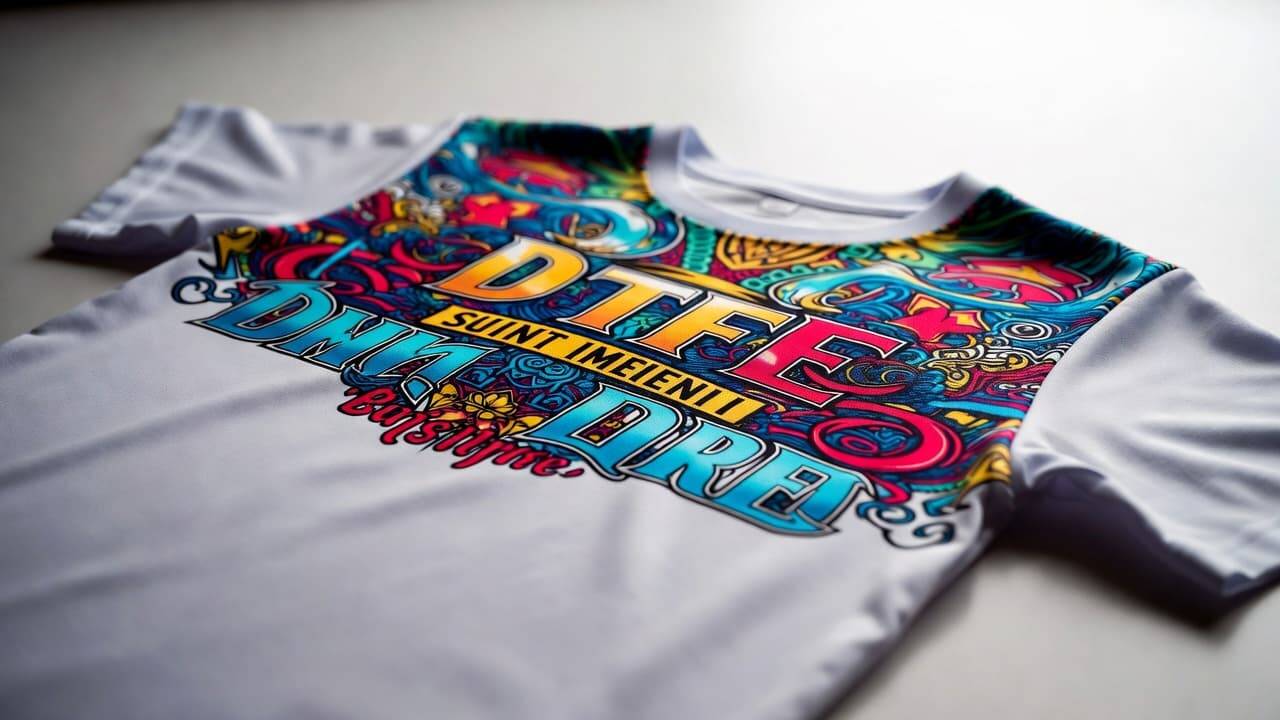
Direct to Film (DTF) printing is a modern textile printing method where designs are printed onto a special PET film using dedicated DTF inks. After printing, an adhesive hot-melt powder is applied to the design. The film is then heat-pressed onto fabric, transferring the artwork permanently.
Unlike traditional methods such as screen printing or even DTG (Direct to Garment), DTF printing offers:
Greater fabric compatibility
Brighter color output
Strong wash durability
No need for fabric pre-treatment
Easy application on light and dark garments
Because of its flexibility and cost-effectiveness, DTF printing has become extremely popular among custom apparel businesses.
Why Choosing the Right DTF Printer Supplies Matters
Your DTF printer is only as good as the supplies you use with it. High-quality inks, films, and powders directly affect:
Print vibrancy
Adhesion strength
Wash durability
Production efficiency
Maintenance costs
Using low-grade materials may seem cost-saving initially, but it often results in clogged print heads, dull prints, peeling designs, and unhappy customers.
Let’s break down the essential DTF supplies you must have.
Essential Supplies for DTF Printing
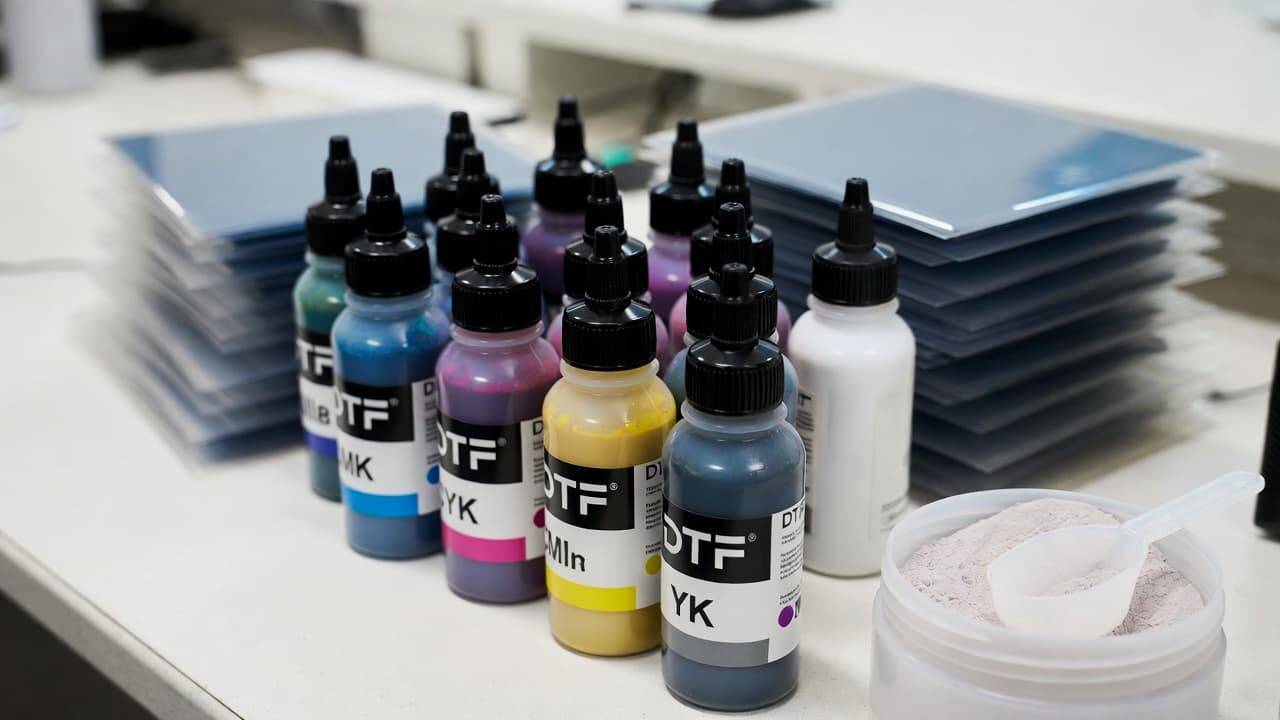
1. DTF Inks – The Core of Every Print
DTF inks are specially formulated pigment-based inks designed specifically for film transfer printing. These are not regular inkjet inks.
Key Features of High-Quality DTF Inks
1. Vibrant and Accurate Colors
Premium DTF inks produce bold, sharp, and rich colors. This is especially important for custom apparel where design appeal drives sales.
2. Strong Wash Resistance
Quality inks resist fading, cracking, and peeling—even after multiple washes.
3. Smooth White Ink Performance
White ink plays a crucial role in DTF printing. It acts as a base layer for vibrant colors, especially on dark fabrics. Good white ink should:
Flow smoothly
Resist clogging
Provide strong opacity
4. Fabric Compatibility
DTF inks work well on:
Cotton
Polyester
Cotton-poly blends
Denim
Canvas
Performance fabrics
Pro Tip:
Always choose inks that are compatible with your specific DTF printer model. Mixing brands or using incompatible ink can damage the printer head.
2. DTF Film – The Transfer Medium
DTF film (usually PET film) is where your design is printed before being transferred to fabric.
The film acts as the carrier of your artwork. The quality of the film significantly impacts print clarity and transfer success.
Types of DTF Films
Cold Peel Film
Requires cooling before peeling
Produces sharp and glossy results
Preferred for premium finish
Hot Peel Film
Can be peeled immediately after pressing
Faster production workflow
Slightly different texture finish
Important Features to Look For
1. Proper Coating
DTF film has a special coating that holds ink properly and allows adhesive powder to stick evenly.
2. Transparency & Clarity
Good film should allow accurate placement and bright output.
3. Thickness & Stability
Too thin = wrinkling issues
Too thick = uneven transfer
Choose medium-thickness film for balanced performance.
3. DTF Powder – The Adhesive Backbone
DTF powder, also called hot-melt adhesive powder, is what bonds your design permanently to fabric.
After printing on film, the powder is applied over the wet ink and then cured before pressing.
Why DTF Powder Is So Important
Without high-quality powder:
Designs may peel
Adhesion may fail
Edges may lift
Wash durability decreases
Key Characteristics of Good DTF Powder
1. Fine Particle Size
Fine powder spreads evenly and avoids clumping.
2. Strong Heat Activation
It should melt smoothly under heat press and bond securely.
3. Flexibility After Transfer
The print should feel soft and stretch naturally with the fabric.
4. Wash Resistance
Good powder enhances durability for long-term wear.
Storage Tip:
Keep powder in a moisture-free environment. Humidity can ruin its performance.
Additional Tools Required for DTF Printing
Besides inks, films, and powders, you also need:
DTF printer (compatible model)
Heat press machine
Powder shaker (manual or automatic)
Curing oven or heat gun
RIP software
Quality transfer workspace
Each component plays a role in delivering professional results.
Benefits of Using a DTF Printer for Apparel Business
DTF printing offers several business advantages:
1. Works on Almost Any Fabric
Unlike DTG, which works best on cotton, DTF can be applied to synthetic and blended materials without issues.
2. No Pre-Treatment Required
This saves time, labor, and material cost.
3. Suitable for Small & Bulk Orders
DTF allows:
One-off custom prints
Bulk production
4. Bright Colors on Dark Garments
White underbase ensures strong color pop even on black fabric.
5. High Profit Margins
Low setup cost and high product value make DTF ideal for startups.
How to Choose the Best DTF Printer Supplies
If you want consistent quality and minimal production problems, follow these buying tips:
1. Check Supplier Reputation
Always buy from reliable suppliers with verified reviews.
2. Avoid Extremely Cheap Products
Low prices often mean:
Poor pigment quality
Weak adhesion
Frequent clogging
3. Test Before Bulk Purchase
Order samples before committing to large stock.
4. Ensure Compatibility
Make sure:
Ink works with your printer
Powder works with your film
Film matches your workflow (hot peel or cold peel)
Best Practices for Professional DTF Printing Results
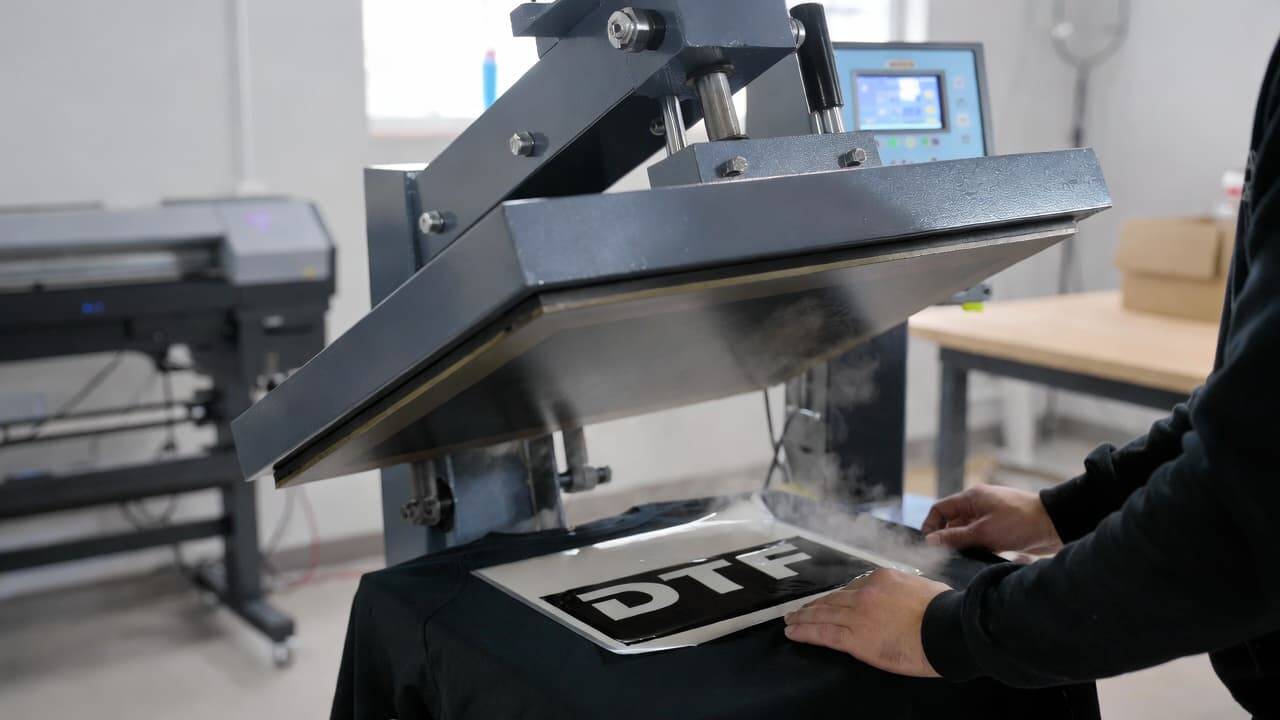
Using quality supplies is only half the equation. Technique also matters.
1. Maintain Your DTF Printer
Clean print heads regularly
Shake white ink daily
Run nozzle checks
Maintain humidity levels
Proper maintenance prevents clogging and extends printer life.
2. Use Correct Heat Press Settings
Temperature and pressure matter greatly.
General guidelines (always confirm with supplier):
Temperature: 160–170°C
Pressure: Medium to firm
Time: 10–20 seconds
Incorrect heat settings can cause peeling or faded appearance.
3. Perform Test Prints
Before mass production:
Test color accuracy
Check adhesion
Wash test sample
Stretch test design
Testing prevents customer complaints.
4. Store Supplies Properly
To extend shelf life:
Keep inks sealed and shake regularly
Store film flat and dry
Keep powder airtight
Environmental control improves consistency.
Common DTF Printing Mistakes to Avoid
Even experienced printers make mistakes. Avoid these common issues:
❌ Using low-quality white ink
Causes dull prints and clogging.
❌ Overheating during transfer
Leads to cracked or brittle prints.
❌ Uneven powder application
Creates patchy adhesion.
❌ Skipping maintenance
Shortens printer lifespan.
DTF vs Other Printing Methods
Let’s briefly compare DTF with other popular methods:
| Feature | DTF Printing | DTG Printing | Screen Printing |
|---|---|---|---|
| Fabric Compatibility | Very High | Mostly Cotton | Moderate |
| Setup Cost | Medium | Medium-High | High |
| Small Orders | Excellent | Good | Not Ideal |
| Color Vibrancy | High | High | High |
| Durability | High | Moderate | Very High |
DTF stands out because of flexibility and ease of use.
Is DTF Printing Profitable in 2026?
Yes, absolutely.
With growing demand for:
Custom t-shirts
Personalized hoodies
Brand merchandise
Event apparel
DTF printing continues to expand globally.
Low overhead cost and wide application make it ideal for:
Home-based businesses
Print-on-demand startups
Established garment printers
Frequently Asked Questions (FAQ)
What fabrics can be used with DTF printing?
DTF works on cotton, polyester, blends, denim, canvas, and many synthetic fabrics. Its flexibility is one of its biggest advantages.
Are DTF prints washable?
Yes. High-quality DTF prints can withstand multiple washes without fading or peeling. For best results:
Wash inside out
Use mild detergent
Avoid high heat drying
Do I need a special printer for DTF printing?
Yes. You need a printer modified or built specifically for DTF ink and film compatibility. Regular inkjet printers are not suitable without proper conversion.
How long do DTF prints last?
With proper materials and application, DTF prints can last as long as the garment itself.
Is DTF better than screen printing?
It depends on your needs. For small orders and multi-color designs, DTF is more flexible and cost-effective. Screen printing is better for very large bulk orders.
Final Thoughts
DTF printing is transforming the custom apparel industry. However, success does not depend only on owning a DTF printer. It depends on using:
Premium DTF inks
Reliable transfer films
High-quality adhesive powders
Correct heat press settings
Proper maintenance practices
If you focus on quality supplies and follow professional best practices, you can create vibrant, durable, and profitable prints that keep customers coming back.explore our high-quality DTF printers here
Whether you are just starting or scaling your business, investing in the right DTF printer setup and supplies will ensure long-term growth and consistent results.