

 HOME
HOME PRODUCT CENTER
 ABOUT US
 DOWNLOAD CENTER
 SUPPORT CENTER
 SUBSCRIBE
 BLOG
BLOGDTF Printing Pricing Strategies for Different Clients
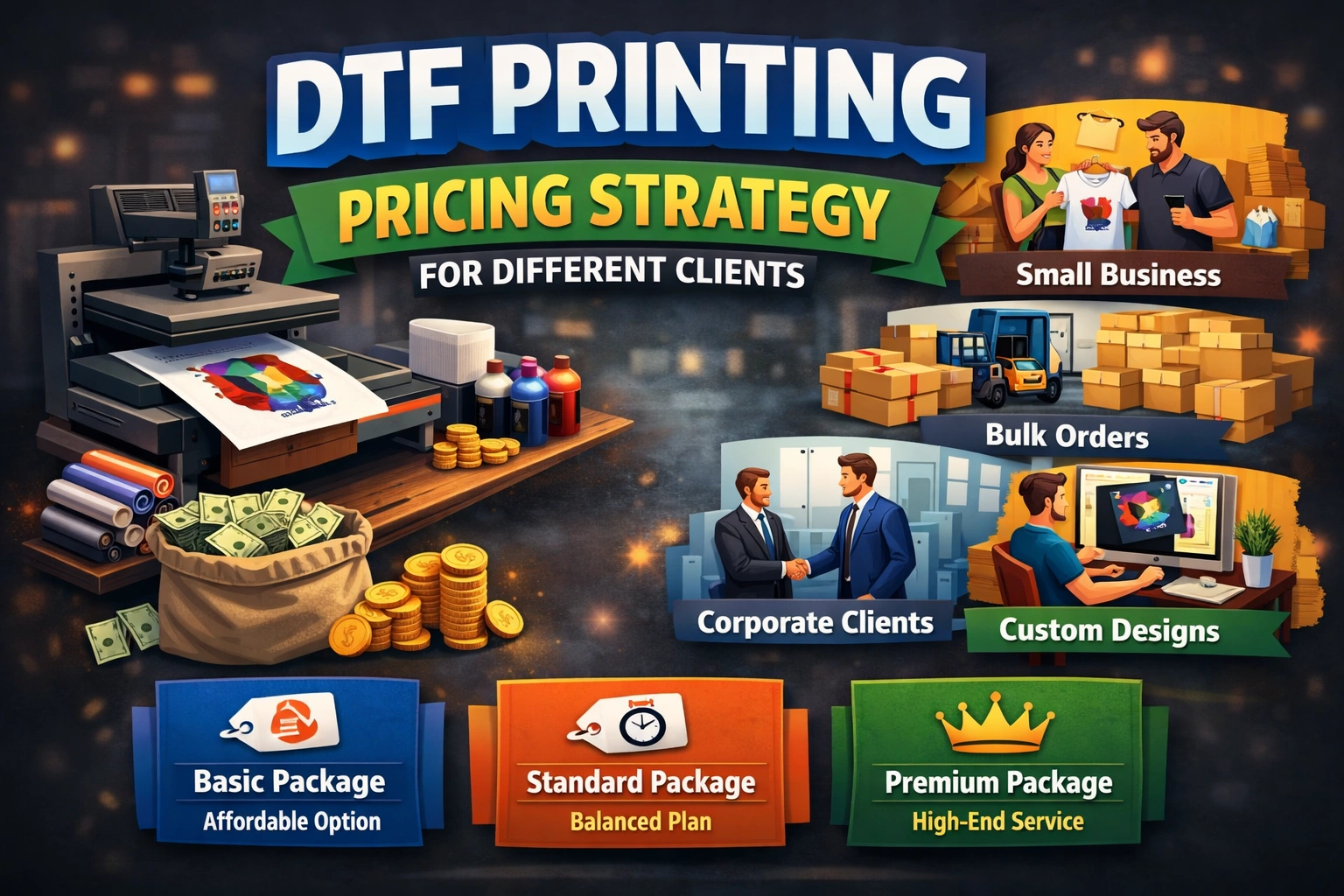
Direct-to-Film (DTF) printing has rapidly become one of the most profitable and flexible printing technologies in the textile and apparel industry. From small custom t-shirt businesses to large commercial print houses, DTF printing allows businesses to produce high-quality, vibrant, and durable prints on a wide range of fabrics with minimal limitations.
However, while many printing businesses focus heavily on equipment, inks, and print quality, pricing strategy often becomes the deciding factor between growth and stagnation. Setting the wrong price can either scare away potential customers or slowly eat into your profits. This is where a well-planned tiered pricing strategy for DTF printing becomes essential.
A tiered pricing model helps you serve different client categories—small businesses, bulk buyers, corporate clients, and custom design customers—without undervaluing your services. This article provides a complete, step-by-step guide on how to build a smart, scalable, and profitable DTF pricing structure that supports long-term business growth while staying competitive in the market.
Understanding the Real Cost of DTF Printing
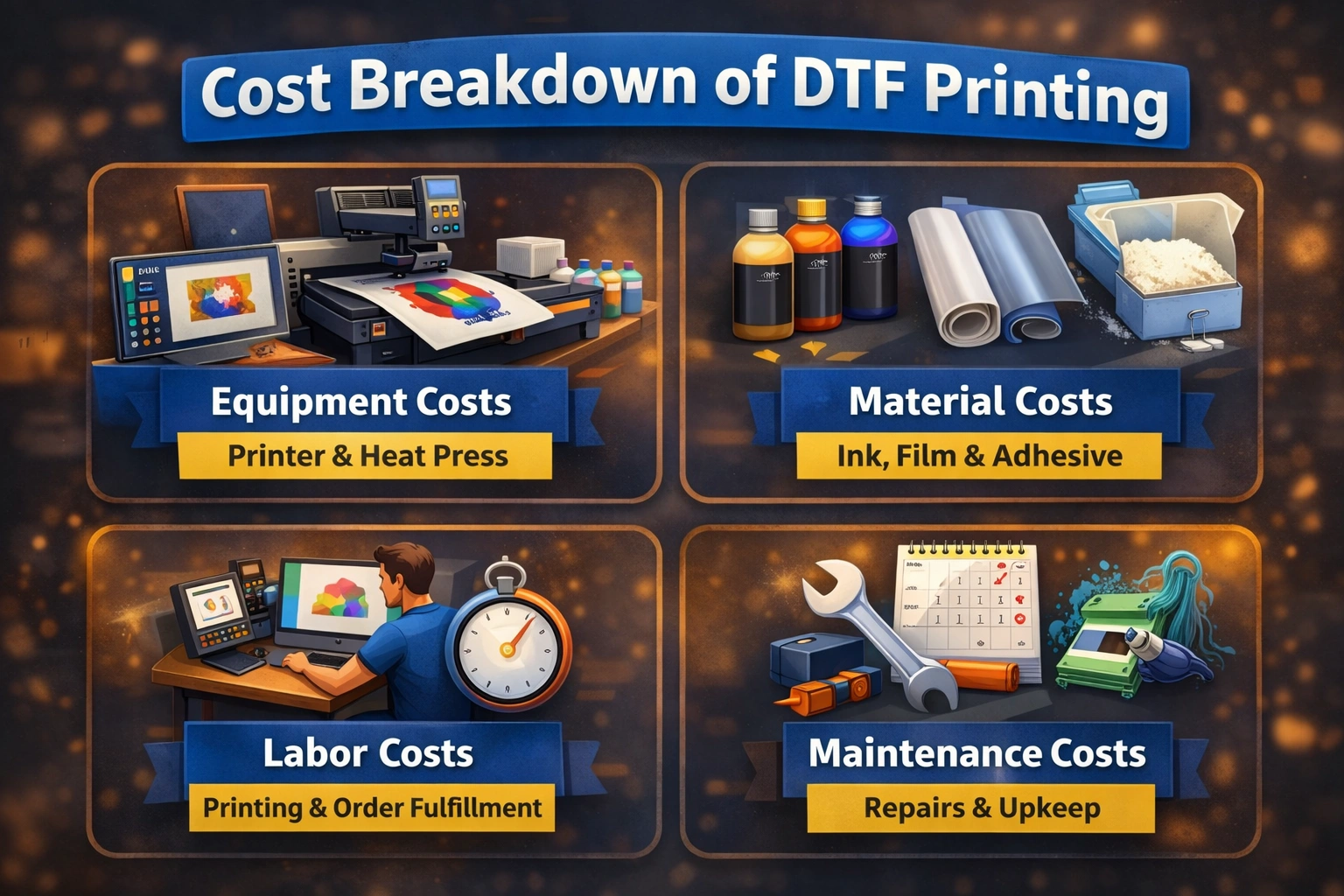
Before designing pricing tiers, you must clearly understand your actual production costs. Without this clarity, even high sales volume can result in losses.
Equipment Investment
DTF printing requires an upfront investment that may include:
DTF printer
Heat press machine
Powder shaker or curing system
RIP software
Computer and workspace setup
Although these are mostly one-time costs, they should be amortized over the expected lifespan of the equipment and factored into your long-term pricing strategy.
Consumable Material Costs
Recurring costs play a major role in pricing decisions:
DTF inks (CMYK + white)
PET transfer films
Hot-melt adhesive powder
Cleaning solutions and maintenance fluids
Material costs vary depending on quality and supplier, so tracking usage per print is essential for accurate pricing.
Labor and Operational Costs
Labor costs are often underestimated. These include:
Printer operation time
Design preparation and RIP processing
Film handling and curing
Heat pressing and quality checks
Packaging and order handling
Additionally, operational expenses like electricity, rent, internet, and daily consumables should also be included in your cost calculations.
Maintenance and Downtime
Regular maintenance keeps print quality consistent but also adds cost. Unexpected downtime or part replacement can impact profitability, making it important to keep a buffer in your pricing.
Why Tiered Pricing Works Best for DTF Businesses
Tiered pricing allows you to move beyond a “one-price-fits-all” model and instead match pricing with customer expectations and order behavior.
Better Market Coverage
Different clients have different priorities. Some want affordability, while others value speed, customization, or premium quality. Tiered pricing lets you cater to all segments without compromise.
Improved Profit Margins
Premium clients are often willing to pay more for faster delivery, complex designs, or priority support. Tiered pricing ensures you capture this additional value.
Reduced Price Negotiations
When pricing tiers are clearly defined, clients are less likely to negotiate aggressively because options are already structured and transparent.
Stronger Client Retention
Clients tend to stay longer when they feel they are getting value aligned with their budget and needs. Tiered pricing builds trust and long-term relationships.
Identifying Your Ideal Client Segments
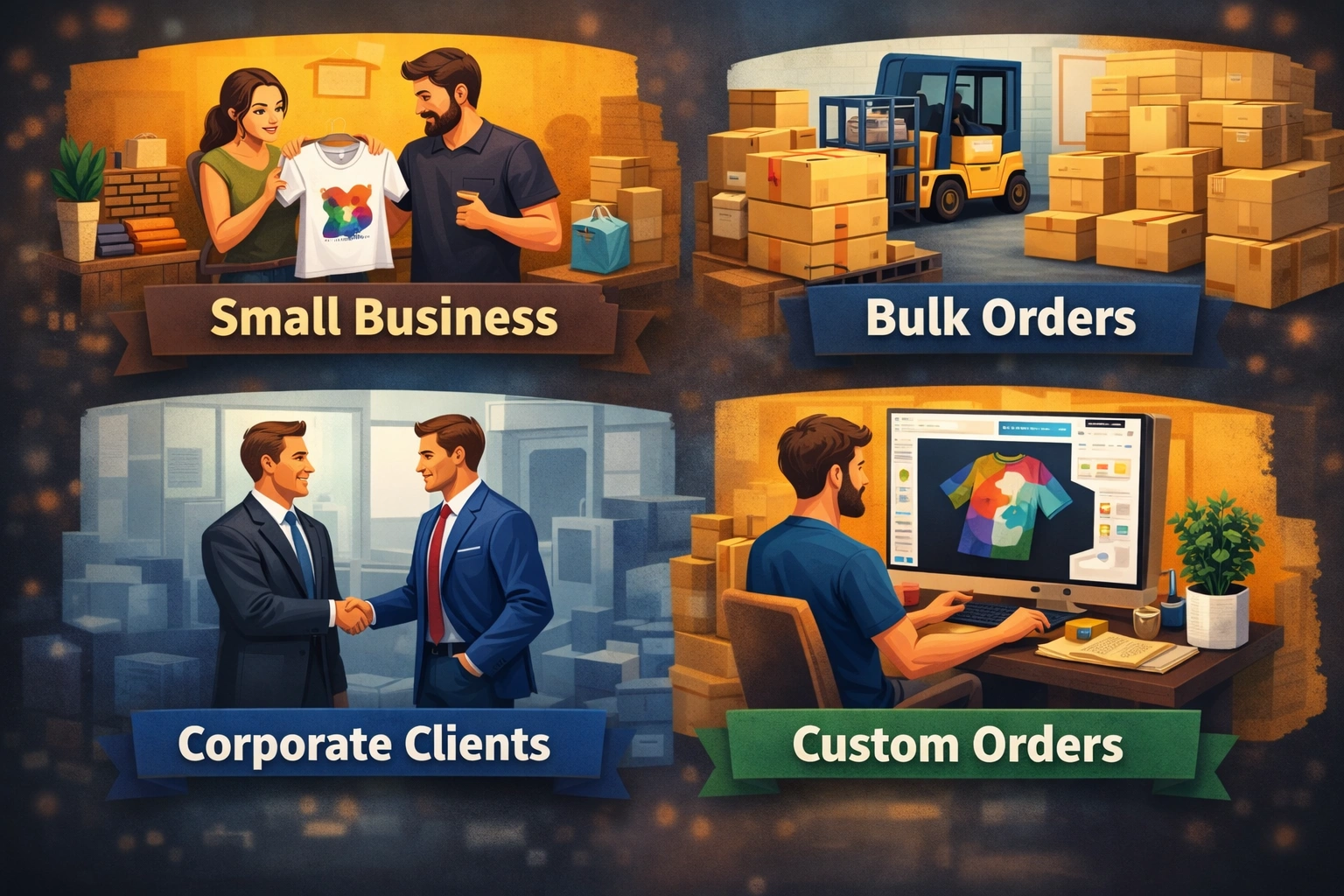
Successful pricing starts with understanding who your customers are.
Small Businesses and Startups
These clients usually:
Order in low quantities
Are price-sensitive
Focus on local branding or resale
They value affordability and consistency over premium features.
Bulk Buyers and Wholesalers
Bulk clients typically:
Place repeat orders
Require competitive per-unit pricing
Value reliability and delivery timelines
Lower margins per print are often offset by high volume.
Corporate and Institutional Clients
This segment includes:
Companies
Schools
Sports teams
Event organizers
They often require branding accuracy, customization, and professional handling.
Custom and Creative Clients
These customers want:
Unique designs
Multiple color layers
Special finishes or placements
They are usually willing to pay extra for creativity and customization.
Choosing the Right Pricing Model
Different pricing models can be used individually or combined within your tiered structure.
Cost-Plus Pricing
This is the safest model for beginners:
Calculate total production cost
Add a fixed profit margin
It ensures sustainability but may not capture full market value.
Value-Based Pricing
Here, pricing is based on perceived value rather than just cost. For example, urgent delivery or exclusive designs justify higher prices.
Market-Based Pricing
Prices are aligned with competitors while highlighting your unique advantages such as better quality, faster service, or reliability.
Structuring DTF Pricing Tiers Effectively
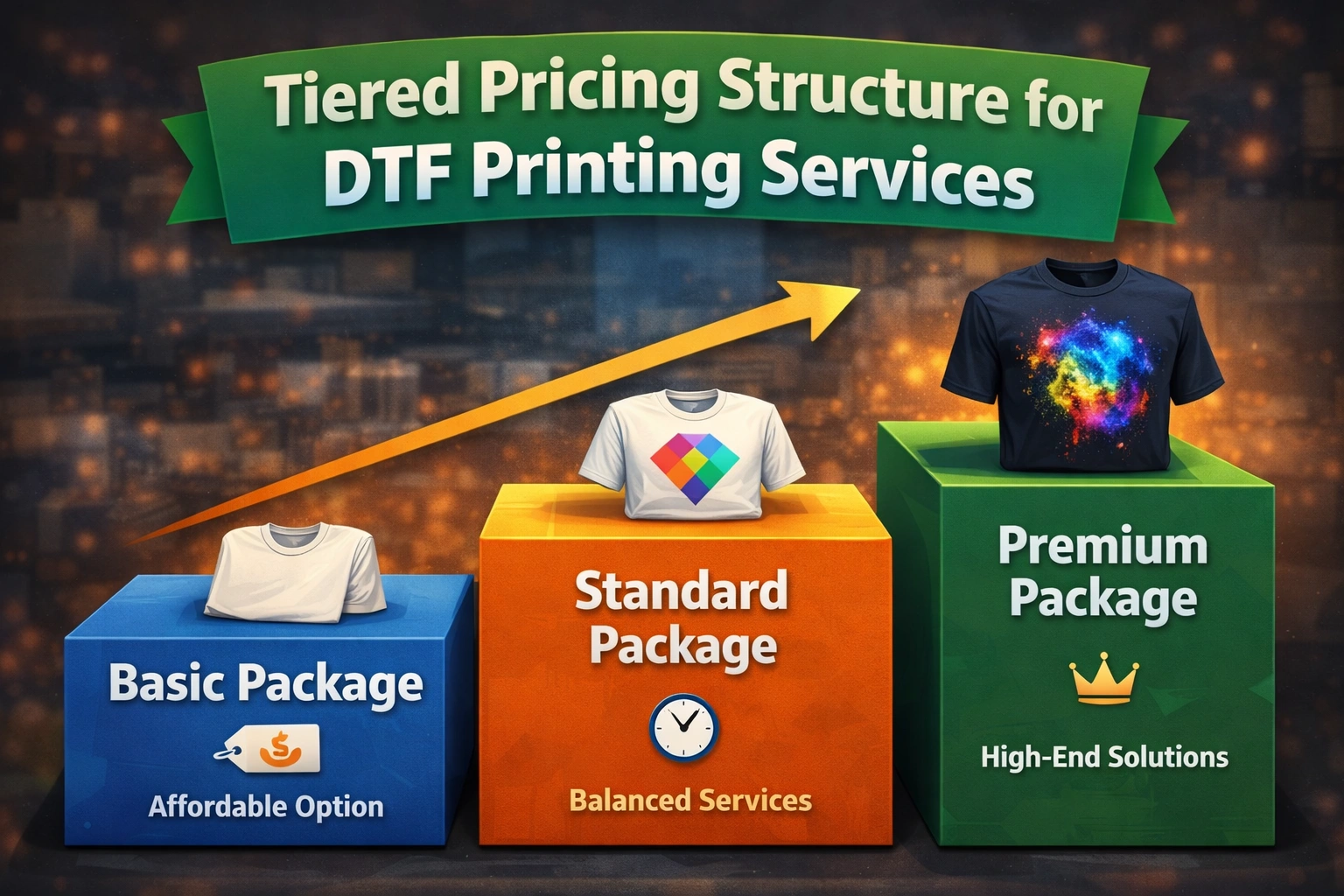
A well-designed pricing structure usually includes three to four tiers.
Entry-Level Tier
Best for startups and individual buyers:
Standard print quality
Basic color settings
Longer turnaround time
This tier focuses on affordability and volume entry.
Standard Business Tier
Designed for growing businesses:
Improved color accuracy
Moderate turnaround time
Small customization options
This tier balances value and profitability.
Premium Tier
Targeted at professional clients:
High-resolution prints
Priority production
Custom color matching
Faster delivery
Higher pricing reflects superior service and attention.
Custom Project Tier
For unique or complex requirements:
Personalized designs
Special materials
Variable pricing based on complexity
This tier maximizes profit potential on specialized work.
Sample Pricing Structure (Illustrative)
Small Order Pricing
Single print: higher per-unit price
Discounts start at 10–20 pieces
Bulk Order Pricing
Reduced per-print cost at 100+ units
Additional discounts at higher volumes
Custom Design Pricing
Separate design or setup fee
Print cost adjusted based on design complexity
These examples should always be adjusted based on your actual costs and local market conditions.
Transparency and Pricing Communication
Clear communication builds confidence and reduces misunderstandings.
Clear Inclusions
Each tier should clearly mention:
Print size limits
Fabric compatibility
Turnaround time
Included revisions
Additional Charges
Always disclose:
Design fees
Rush order costs
Special material charges
Transparency reduces disputes and increases professionalism.
Managing Client Relationships Through Pricing
Pricing is not just numbers—it’s part of customer experience.
Negotiation Strategy
While flexibility is important, avoid excessive discounts that devalue your service. Offer upgrades or added value instead of price cuts.
Loyalty Benefits
Reward repeat clients with:
Exclusive discounts
Priority scheduling
Seasonal offers
This improves retention without harming margins.
Feedback-Driven Adjustments
Regularly review client feedback to refine pricing tiers and service offerings.
Scaling Your Pricing as Your Business Grows
As your DTF business expands, your pricing must evolve.
Reassess material and labor costs
Introduce premium services
Adjust tiers based on demand
Monitor competitor pricing
A flexible pricing strategy keeps your business competitive and profitable.
Common Pricing Mistakes to Avoid
Underpricing to attract customers
Ignoring hidden costs
Offering unlimited customization at low rates
Failing to revise prices over time
Avoiding these mistakes protects long-term sustainability.
Future Trends in DTF Pricing
With automation, better inks, and faster printers, cost structures will evolve. Businesses that adapt pricing based on technology and client expectations will gain a competitive advantage.
Conclusion
A well-planned DTF printing pricing strategy is the foundation of a successful printing business. Tiered pricing allows you to serve diverse clients, maximize profitability, and maintain transparency without compromising quality.
By understanding your costs, identifying your ideal clients, and clearly defining service tiers, you can create a pricing structure that supports growth, builds trust, and ensures long-term success in the competitive DTF printing market. explore our high-quality DTF printers here!
Frequently Asked Questions
What is DTF printing?
DTF printing is a method where designs are printed onto a special film and then transferred onto fabric using heat and pressure, offering excellent color vibrancy and durability.
Why is tiered pricing important for DTF businesses?
Tiered pricing helps serve different customer needs while maximizing profit and reducing pricing conflicts.
How often should pricing be updated?
Review your pricing every 6–12 months or whenever material and operational costs change significantly.
Can small businesses benefit from tiered pricing?
Yes, tiered pricing allows small businesses to start with affordable options and scale up as their needs grow.