

 HOME
HOME PRODUCT CENTER
 ABOUT US
 DOWNLOAD CENTER
 SUPPORT CENTER
 SUBSCRIBE
 BLOG
BLOGDTF Printer Guide for Jersey, Denim, and Canvas Printing
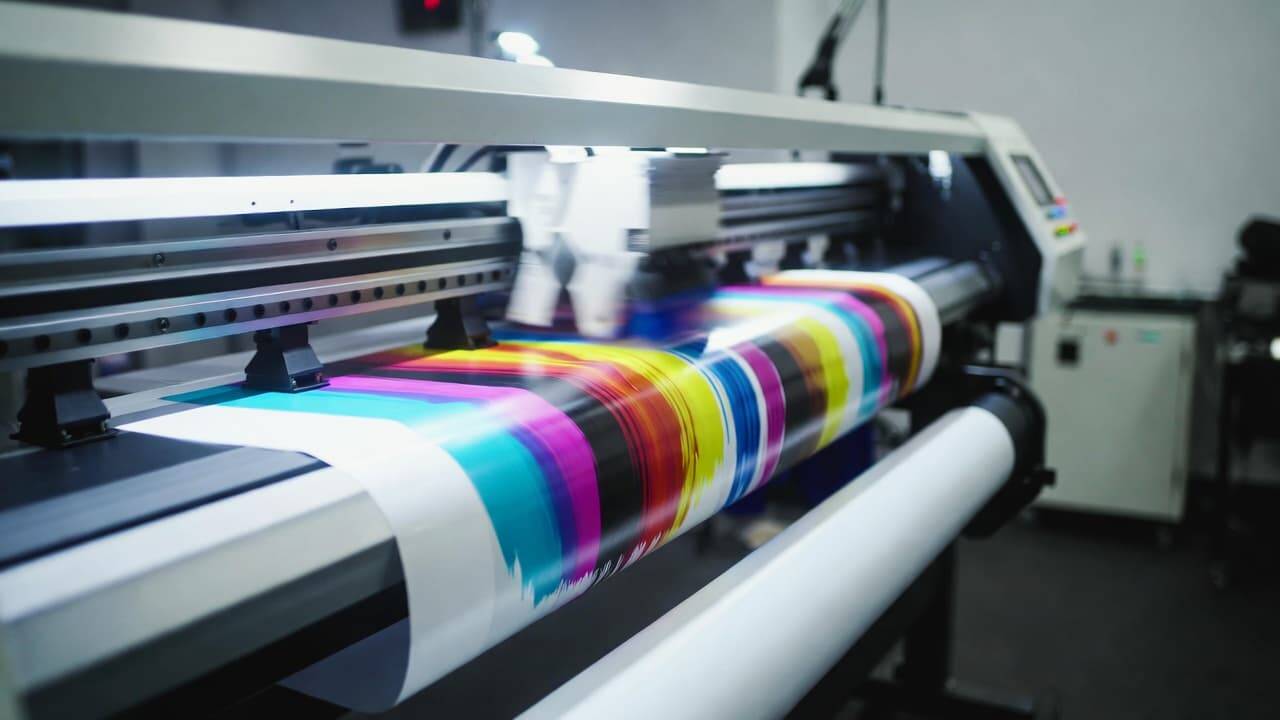
The demand for customized apparel and personalized textile products has grown rapidly in recent years. From custom sports jerseys to designer denim jackets and branded canvas tote bags, customers today expect high-quality, vibrant, and durable prints. To meet this growing demand, printing businesses are adopting modern technologies that deliver professional results with efficiency and flexibility.
One of the most powerful innovations in textile printing is the DTF printer (Direct-to-Film printer). This technology has transformed how designs are printed on fabrics like jersey, denim, and canvas. Whether you are starting a custom printing business or upgrading your current setup, understanding DTF printing can help you stay ahead in the competitive market.
This complete guide explains what DTF printing is, how it works, its benefits, features, applications, and why it is ideal for printing on jersey, denim, and canvas materials.
What is DTF Printing?
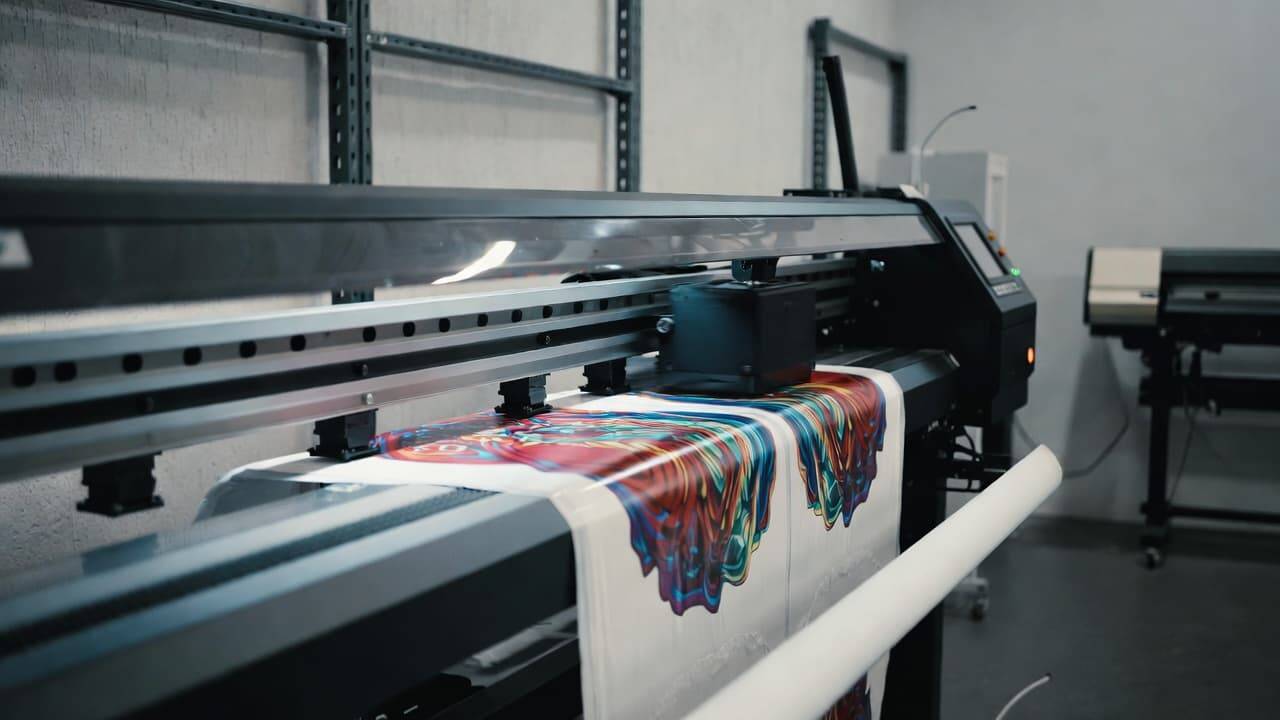
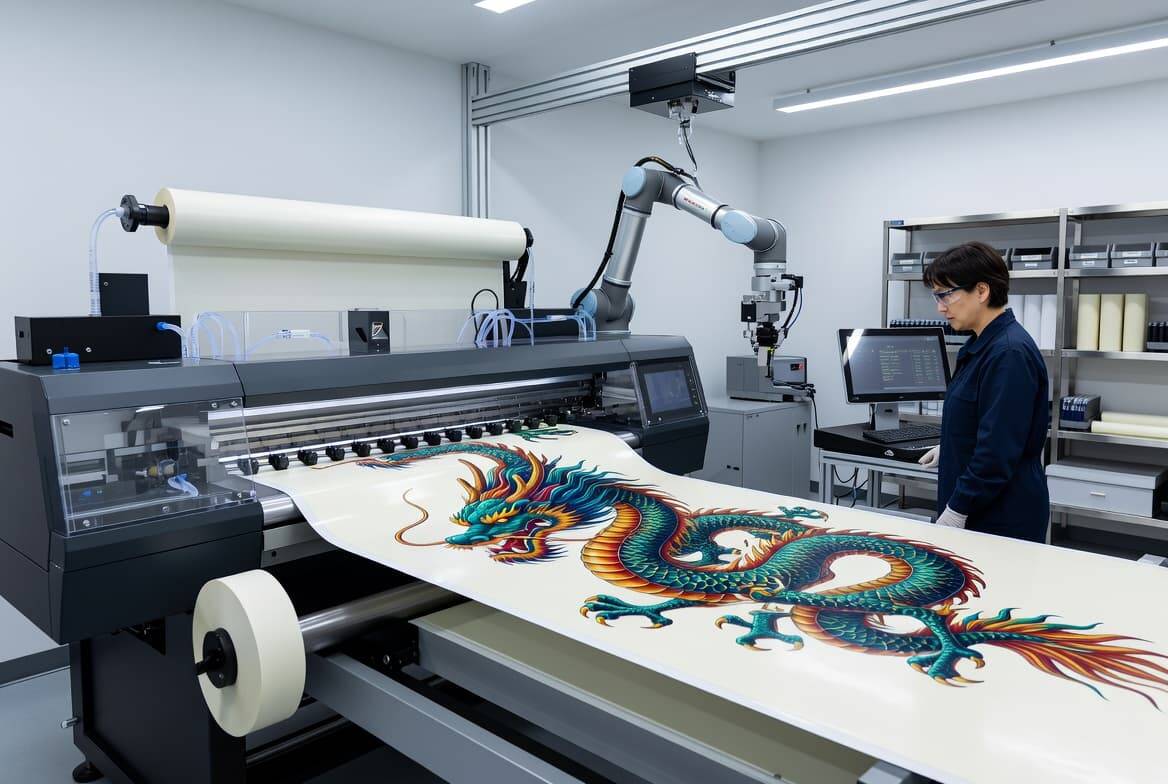
DTF stands for Direct-to-Film printing. It is a digital printing method where designs are printed onto a special PET film and then transferred onto fabric using heat and adhesive powder.
Unlike traditional methods, DTF printing does not require fabric pre-treatment. This makes the process faster, simpler, and more cost-effective while still delivering high-quality and long-lasting prints.
How DTF Printing Works (Step-by-Step Process)
Design Creation
The artwork is prepared using graphic design software.Printing on Film
The design is printed onto a special DTF transfer film using pigment-based textile inks.Applying Adhesive Powder
Hot-melt adhesive powder is applied to the printed design.Curing the Film
The film is heated to activate and melt the adhesive powder.Heat Transfer to Fabric
The design is transferred onto the garment using a heat press machine.Peeling the Film
Once cooled or warmed (depending on film type), the film is peeled off, leaving a vibrant and durable print on the fabric.
This process ensures flexibility, durability, and vibrant color output across multiple fabric types.
Why DTF Printing is Becoming Popular
DTF printing is quickly becoming a preferred choice for custom garment businesses because it offers multiple advantages.
1. Versatility Across Fabrics
DTF printers can print on:
Cotton
Polyester
Blended fabrics
Jersey
Denim
Canvas
This flexibility allows businesses to offer a wide range of customized products without investing in multiple machines.
2. High-Quality Prints
DTF technology produces:
Bright and vivid colors
Sharp details
Smooth gradients
Professional finish
Even complex and multi-color designs look clean and attractive.
3. Excellent Durability
DTF prints are:
Resistant to cracking
Resistant to peeling
Wash-resistant
Long-lasting
This makes them perfect for daily-wear garments and frequently washed apparel.
4. No Fabric Pre-Treatment Required
Unlike some other printing methods, DTF does not require pre-treatment. This saves time, reduces labor costs, and simplifies the workflow.
5. Cost-Effective for Small and Large Orders
DTF printing is ideal for:
Small custom orders
Print-on-demand businesses
Bulk production
There are no expensive setup costs like screens, making it suitable for startups and growing businesses.
Key Features to Look for in a DTF Printer
When investing in a DTF printer, choosing the right model is crucial. Here are important features to consider:
High Print Resolution
Look for a printer offering at least 1440 DPI resolution for detailed and sharp designs.
White Ink Circulation System
White ink is essential for printing on dark fabrics. A good DTF printer includes an automatic white ink circulation system to prevent clogging.
Reliable Ink System
Use printers compatible with high-quality pigment-based textile inks for vibrant and durable prints.
Fast Printing Speed
If your business handles high-volume orders, choose a printer that balances speed and print quality.
User-Friendly Software
Modern DTF printers come with RIP software for:
Color management
Layer control
White underbase adjustment
Easy-to-use software reduces errors and improves efficiency.
Stable Film Feeding Mechanism
A smooth and stable film feeding system ensures accurate alignment and prevents print distortion.
DTF Printing on Jersey Fabric
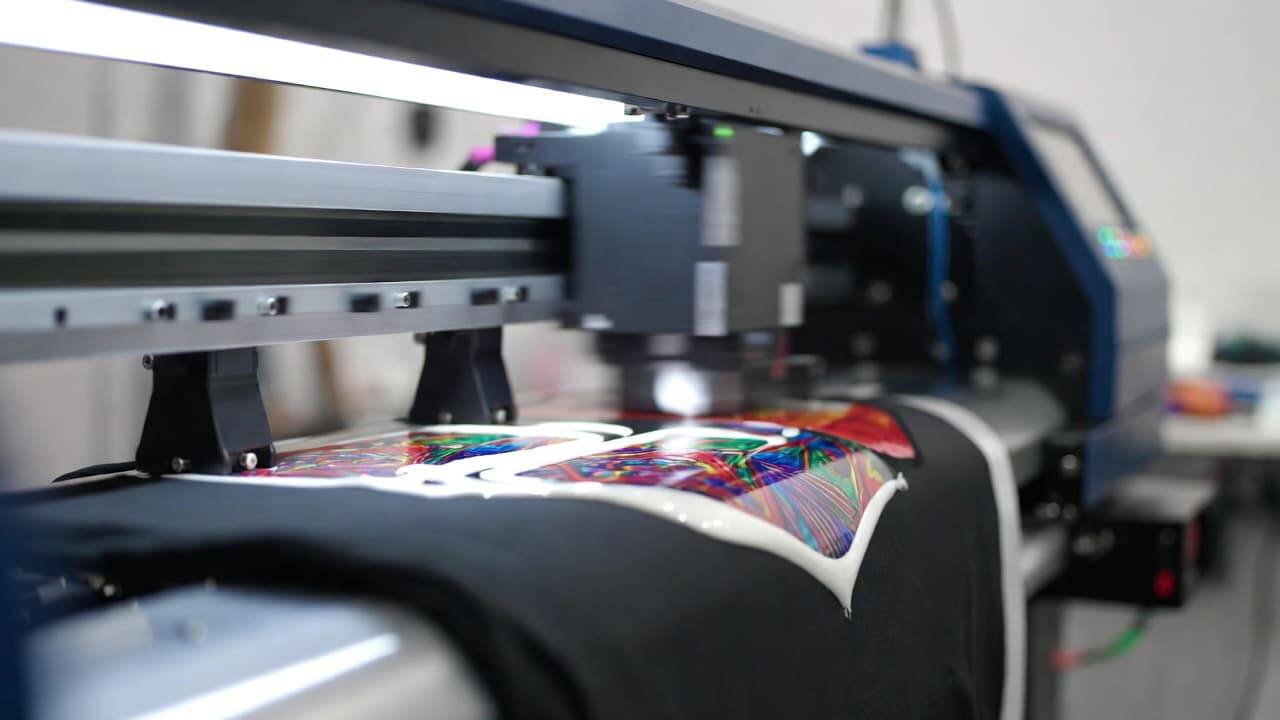
Jersey fabric is commonly used for:
Sports uniforms
Team jerseys
Athletic wear
Casual clothing
Because jersey material stretches and experiences heavy use, the printing method must be flexible and durable.
Why DTF is Ideal for Jersey
Flexible prints that stretch with fabric
Vibrant logos, names, and numbers
Soft finish without stiffness
Long-lasting even after multiple washes
DTF printing ensures team graphics and player names remain sharp and bright throughout the garment’s lifespan.
DTF Printing on Denim
Denim is a strong and textured fabric used in:
Jackets
Jeans
Shirts
Fashion apparel
Printing on denim requires strong adhesion and durability.
Benefits of DTF Printing on Denim
Excellent bonding with thick fabric
Bold and eye-catching designs
Resistant to cracking and peeling
Maintains fabric strength
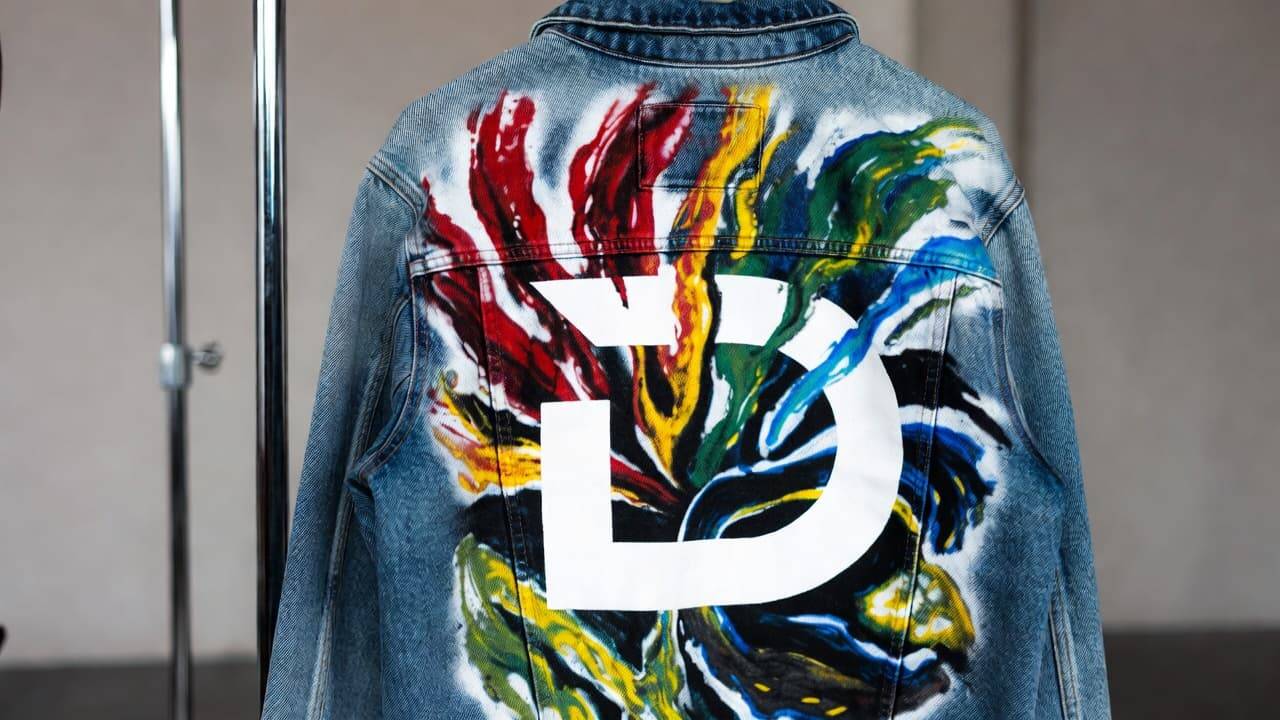
DTF allows designers to create custom back prints, sleeve artwork, and detailed graphics on denim garments without damaging the material.
DTF Printing on Canvas
Canvas is widely used for:
Tote bags
Backpacks
Cushion covers
Shoes
Decorative items
Its textured surface can be challenging, but DTF printing handles it effectively.
Why DTF Works Well on Canvas
Strong adhesive bonding
High-detail image reproduction
Vibrant color output
Durable for everyday use
DTF printing opens endless customization opportunities for canvas products, making it popular in the promotional and gift industry.
DTF vs Other Printing Methods
Understanding the comparison helps you make an informed decision.
DTF vs DTG (Direct-to-Garment)
DTG prints directly onto fabric.
DTF transfers from film to fabric.
DTF works on more fabric types.
DTF does not require pre-treatment.
DTF vs Screen Printing
Screen printing is better for large bulk orders.
DTF is better for small runs and complex multi-color designs.
DTF has lower setup costs.
DTF vs Heat Transfer Vinyl
Vinyl is good for simple designs.
DTF offers better detail and smoother finish.
How to Choose the Right DTF Printer for Your Business
Before buying a DTF printer, consider the following:
Production Volume
Small business → Compact desktop model
Large-scale production → Industrial DTF printer
Budget Planning
Consider:
Printer cost
Ink cost
Film and powder expenses
Maintenance
Workspace Requirements
Ensure proper space for:
Printer
Heat press
Curing oven
Ventilation
After-Sales Support
Choose suppliers offering:
Technical support
Training
Spare parts availability
Maintenance Tips for DTF Printers
Proper maintenance ensures long-term performance.
Daily Cleaning
Clean print heads regularly to avoid clogging.
White Ink Circulation
Run white ink circulation frequently to prevent sediment buildup.
Use Quality Supplies
Always use recommended:
DTF inks
Transfer films
Adhesive powders
Maintain Proper Environment
Keep the printing area:
Dust-free
Temperature controlled
Properly ventilated
Is DTF Printing Profitable?
Yes, DTF printing can be highly profitable when managed correctly.
Reasons for High Profit Potential
Low setup costs
On-demand printing
Customization flexibility
High customer demand
Custom apparel often has strong profit margins, especially in sportswear, streetwear, and promotional products.
Future of DTF Printing
The custom garment industry continues to grow. As demand for personalized clothing increases, DTF technology is evolving with:
Faster printers
Improved ink formulations
Better automation systems
DTF printing is expected to remain a leading solution in textile customization for years to come.
Conclusion
DTF printing has revolutionized the textile printing industry. Its ability to produce vibrant, durable, and flexible prints on jersey, denim, and canvas makes it one of the most versatile printing solutions available today.
Whether you are printing sports jerseys, fashion denim, or canvas accessories, a DTF printer provides professional results with cost efficiency and ease of operation. For businesses looking to expand their product offerings and increase profitability, investing in a DTF printer is a smart and future-ready decision.explore our high-quality DTF printers here
Frequently Asked Questions (FAQ)
What is the difference between DTF and DTG printing?
DTF transfers designs from film to fabric, while DTG prints directly onto garments. DTF works on more fabric types and does not require pre-treatment.
Are DTF prints washable?
Yes, DTF prints are highly durable and can withstand multiple washes without significant fading or cracking.
What ink is used in DTF printing?
DTF uses water-based pigment textile inks, including white ink for underbase layers.
Is DTF printing suitable for beginners?
Yes, modern DTF printers are user-friendly, and with basic training, beginners can operate them efficiently.
Which fabrics are best for DTF printing?
DTF works well on cotton, polyester, blends, jersey, denim, canvas, and many other materials.