

 HOME
HOME PRODUCT CENTER
 ABOUT US
 DOWNLOAD CENTER
 SUPPORT CENTER
 SUBSCRIBE
 BLOG
BLOGDTF Printing in 2025: Trends, Technology, and Business Growth Guide
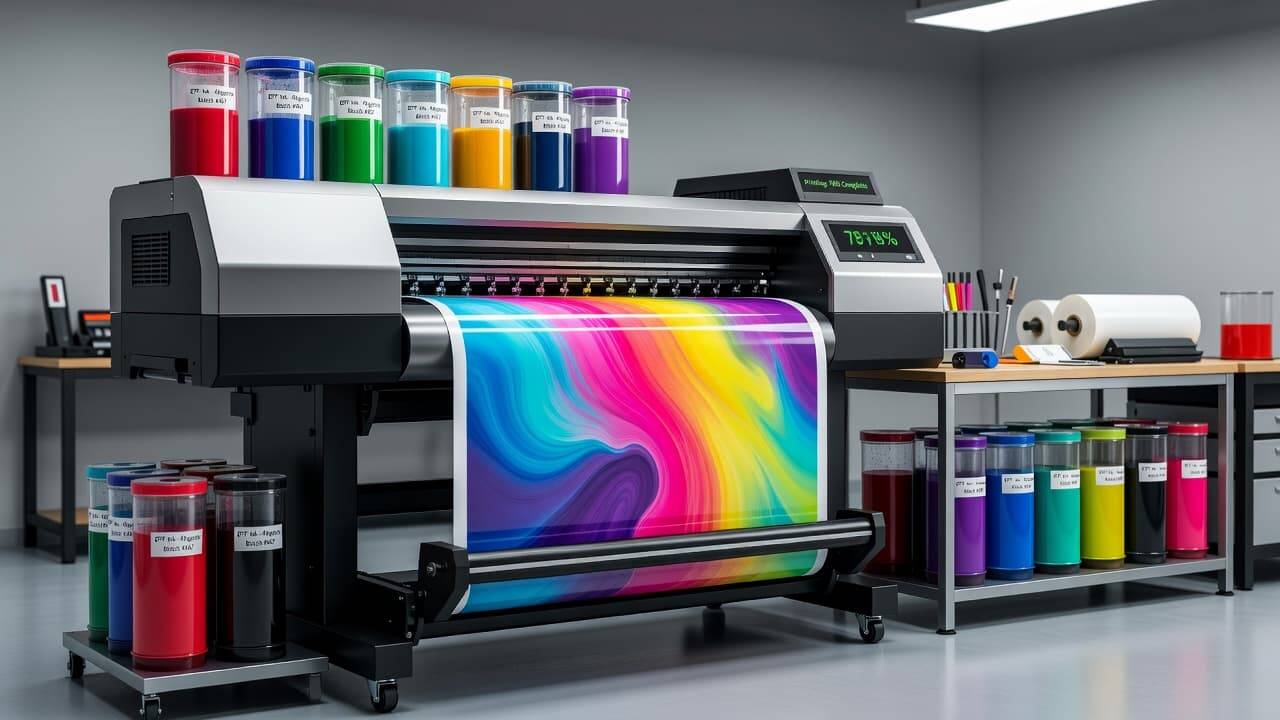
Direct-to-Film (DTF) printing has quickly become one of the most talked-about technologies in the custom apparel industry. From startups launching online t-shirt brands to established print shops expanding their service offerings, DTF printers are opening new doors for creativity and profitability.
As we move toward 2025, the DTF printing industry is evolving at a rapid pace. Advancements in equipment, ink technology, software, and automation are reshaping how businesses produce custom garments. At the same time, customer expectations are shifting toward personalization, fast delivery, and sustainable production.
In this comprehensive guide, we’ll explore:
What DTF printing is and how it works
Key trends shaping the industry in 2025
Emerging technologies transforming production
Business opportunities and niche markets
Challenges you need to prepare for
FAQs for buyers and entrepreneurs
If you're planning to invest in a DTF printer or expand your printing business, this article will help you stay ahead of the competition.
What Is DTF Printing?
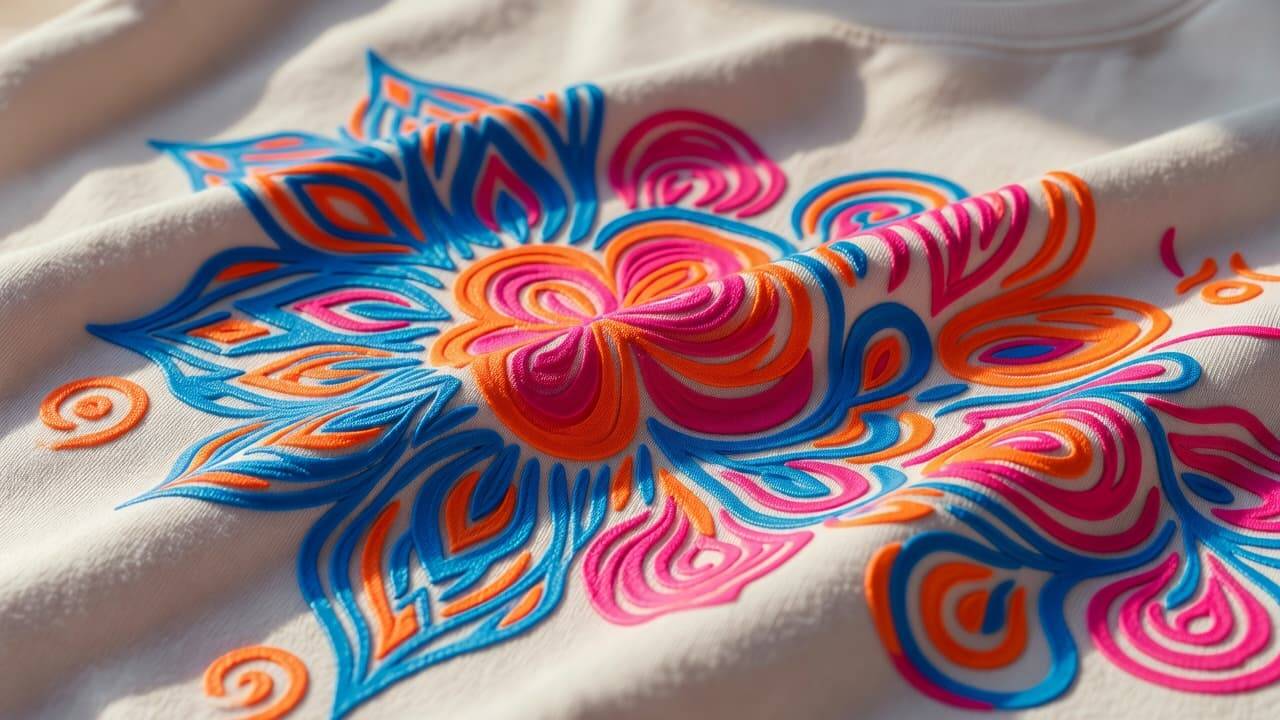
DTF printing, short for Direct-to-Film printing, is a digital printing process where a design is printed onto a special PET film using specialized inks. After printing, adhesive powder is applied to the film. The design is then cured and heat-pressed onto fabric.
Unlike other printing methods, DTF does not require pre-treatment of garments in most cases. This makes it highly versatile and efficient for printing on:
Cotton
Polyester
Blends
Dark and light fabrics
Performance wear
The result is a vibrant, durable print that resists cracking and fading when properly applied.
Why DTF Printing Is Growing So Fast
The rise of DTF printing is not accidental. It addresses several limitations of traditional methods like screen printing and other digital processes. Businesses prefer DTF because it offers:
Lower setup costs compared to screen printing
Better flexibility for small batch orders
Strong adhesion on multiple fabric types
High-detail prints with rich color output
Faster turnaround for custom orders
In a world where personalization is king, DTF printing fits perfectly into the modern print-on-demand model.
Key Trends Shaping DTF Printing in 2025
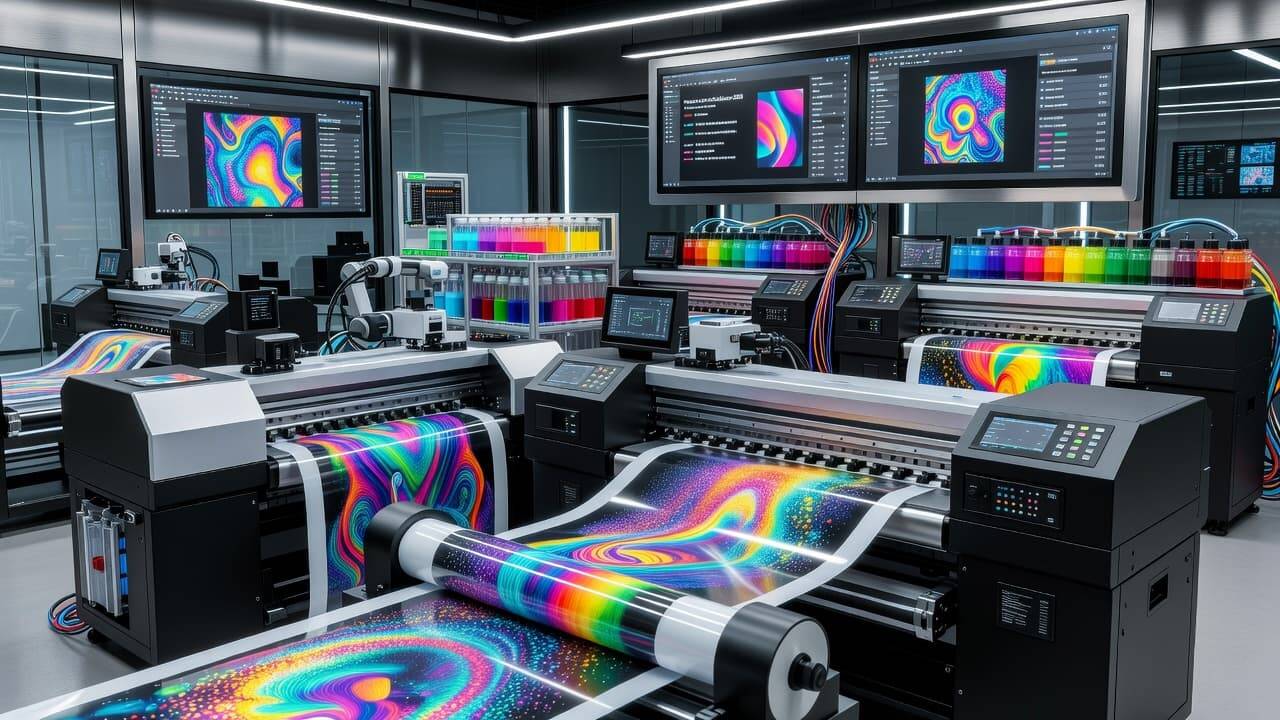
The future of DTF printing looks promising. Let’s examine the most important trends that will shape the market in 2025 and beyond.
1. Rising Demand for Customization
Customers today want products that reflect their personality. Whether it’s a custom hoodie, branded merchandise, or sports team uniforms, personalization is driving growth.
DTF printing makes it easy to produce one-off designs without high setup costs. As personalization continues to dominate e-commerce, businesses using DTF printers will have a competitive advantage.
Expect to see:
Increased demand for name and number customization
Limited edition product drops
Personalized corporate gifts
Custom influencer merchandise
2. Shift Toward Eco-Friendly Printing
Sustainability is no longer optional—it’s a priority. Customers are becoming more conscious about how products are made.
In 2025, the DTF industry is moving toward:
Eco-friendly water-based inks
Reduced chemical usage
Energy-efficient curing systems
Biodegradable or recyclable films
Businesses that highlight sustainable practices in their branding will likely attract environmentally aware consumers.
3. Integration with E-Commerce Platforms
The growth of online stores has transformed the custom apparel industry. DTF printing businesses are increasingly integrating their systems with platforms like:
Shopify
WooCommerce
Etsy
Amazon
Automation between online stores and DTF printing workflows allows for:
Real-time order processing
Automatic design uploads
Faster shipping times
Reduced manual errors
This integration is especially powerful for print-on-demand businesses.
4. Smarter Design and Print Software
Modern DTF printers rely heavily on advanced RIP (Raster Image Processor) software and design tools. In 2025, we expect:
Improved color matching systems
AI-assisted design corrections
Faster file processing
Automated white ink management
These advancements will reduce waste, increase efficiency, and make the process more beginner-friendly.
5. Expansion into Niche Markets
DTF printing is not limited to t-shirts anymore. Businesses are expanding into specialized markets such as:
Sportswear
Workwear
Streetwear brands
Pet apparel
School uniforms
Event merchandise
Because DTF works on various fabric types, it enables print shops to diversify revenue streams.
Emerging Technologies Transforming DTF Printing
Innovation is at the heart of the DTF revolution. Here are some technologies reshaping the industry.
1. LED UV Technology
LED UV curing systems are becoming more energy-efficient and faster. These systems reduce drying time and improve print durability.
Benefits include:
Lower power consumption
Reduced heat exposure
Faster production cycles
Improved environmental performance
2. Advanced Color Management Systems
Accurate color reproduction is critical in custom printing. Enhanced color management systems in 2025 provide:
More precise Pantone matching
Better gradient transitions
Consistent results across batches
This increases customer satisfaction and reduces costly reprints.
3. Automation and Robotics
Automation is transforming manufacturing industries worldwide, and DTF printing is no exception.
Robotic systems and automated workflows can handle:
Film feeding
Powder application
Curing processes
Print cutting
Automation reduces labor costs and improves consistency, especially in high-volume operations.
4. Improved Ink Formulations
Research and development in ink chemistry is producing:
More stretch-resistant inks
Enhanced wash durability
Reduced cracking on performance fabrics
Softer hand feel on garments
Better inks mean longer-lasting prints and happier customers.
5. Virtual Product Visualization
Interactive 3D previews are becoming popular in online apparel stores. Customers can visualize their custom designs before placing an order, improving confidence and reducing returns.
Although still developing, virtual product tools are expected to become a standard feature in competitive DTF businesses.
DTF vs Other Printing Methods
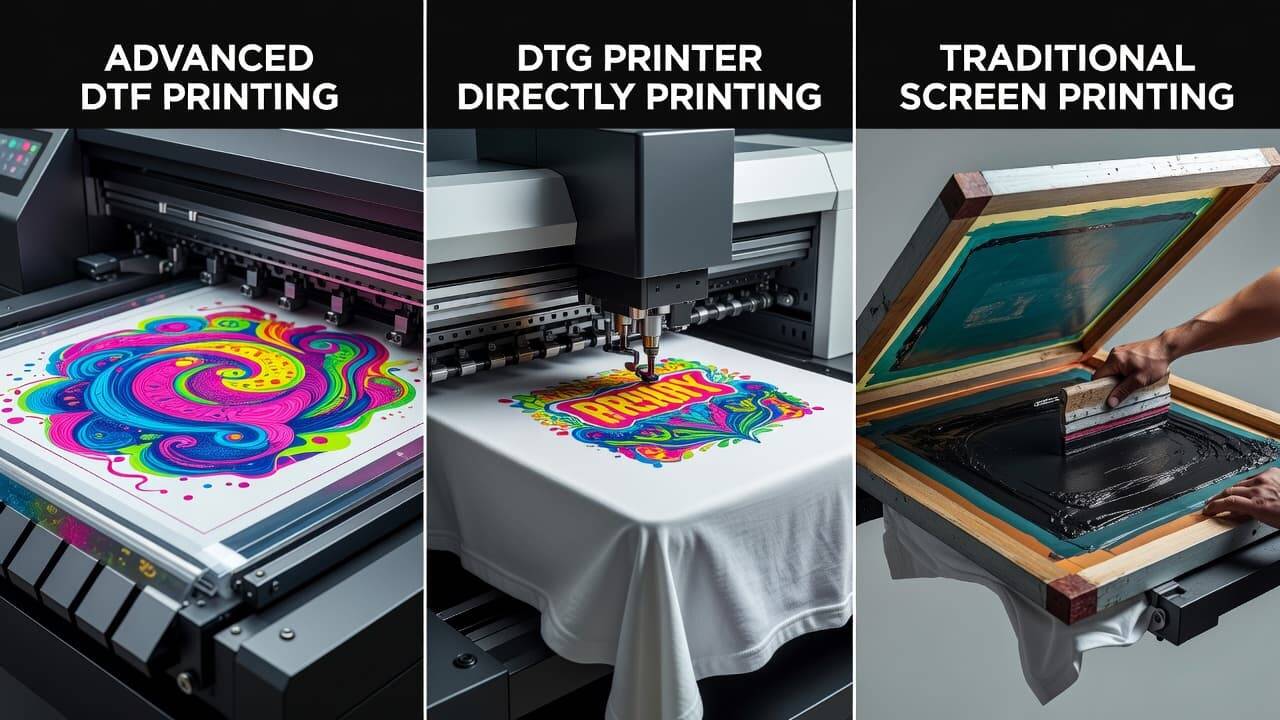
Many business owners compare DTF with other popular printing methods. Two major competitors are:
Direct-to-Garment printing
Screen printing
DTF vs Direct-to-Garment
Direct-to-Garment (DTG) printing requires pre-treatment for most fabrics and works best on cotton. DTF, on the other hand, prints on film and transfers to almost any fabric type without heavy preparation.
DTF is generally better for:
Polyester and blends
Small batch production
Bright colors on dark garments
DTF vs Screen Printing
Screen printing is ideal for bulk orders but involves setup time and higher initial costs. DTF excels in small to medium runs and highly detailed designs.
For modern print-on-demand models, DTF offers greater flexibility.
Business Opportunities with DTF Printing
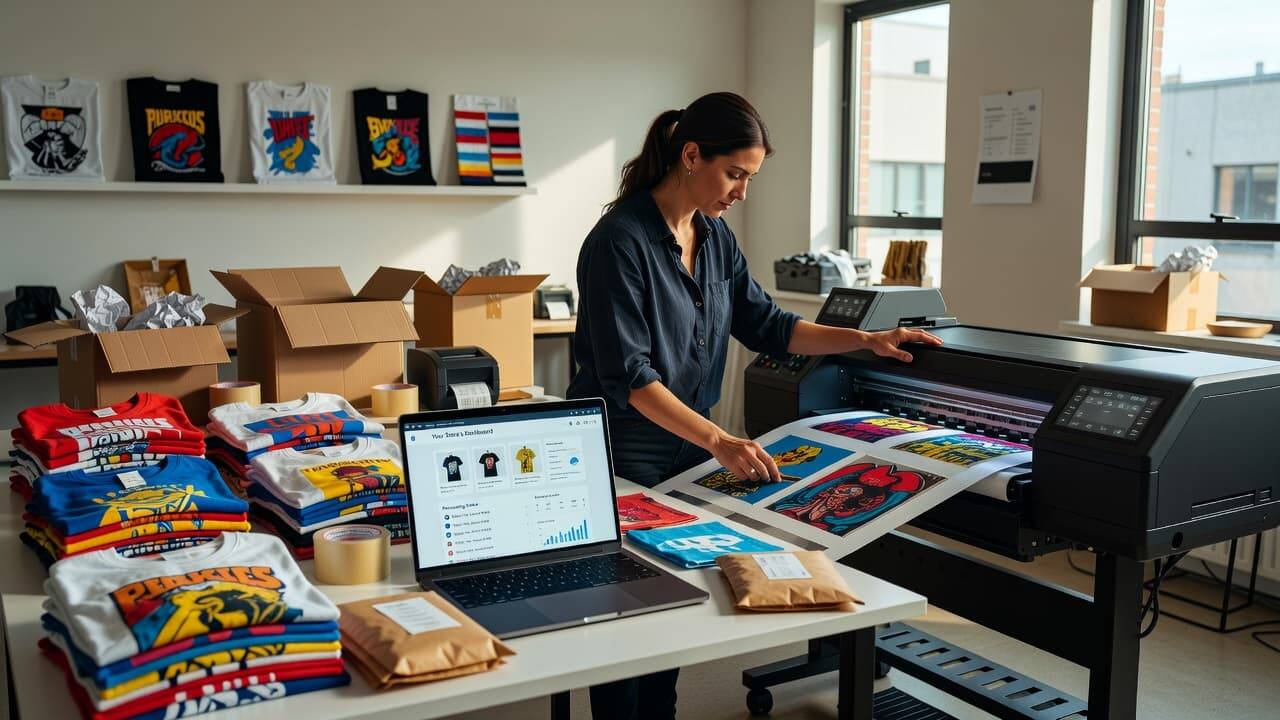
DTF printing is not just a technology—it’s a business opportunity. Entrepreneurs can leverage it in multiple ways.
1. Print-on-Demand Stores
Launch an online apparel brand with minimal inventory. Produce items only when customers place orders.
2. Local Business Merchandise
Offer branded uniforms and promotional items to local companies.
3. Event and Festival Printing
Provide custom apparel for weddings, concerts, sports events, and corporate gatherings.
4. Influencer and Creator Merch
Collaborate with content creators to produce exclusive merchandise collections.
The low setup cost makes DTF accessible for startups while scalable enough for growing operations.
Challenges Facing the DTF Printing Industry
Despite its growth, DTF printing has some challenges that businesses must address.
1. Market Competition
As more businesses adopt DTF technology, competition is increasing. Differentiation through quality, branding, and customer service becomes essential.
2. Skill Gap
Advanced printers require trained operators. Businesses must invest in proper training to maximize efficiency and reduce errors.
3. Quality Control
Maintaining consistent print quality at scale can be challenging. Implementing strict quality checks is necessary to avoid returns and reputation damage.
4. Equipment Maintenance
DTF printers require regular cleaning and maintenance, especially for white ink systems. Poor maintenance can lead to clogging and downtime.
How to Choose the Right DTF Printer
If you’re planning to invest in a DTF printer, consider these factors:
Print size capacity
Speed and production volume
Ink quality and availability
Software compatibility
After-sales support
Warranty coverage
Scalability options
Choosing the right equipment can significantly impact profitability and long-term growth.
The Future Outlook of DTF Printing
By 2025 and beyond, DTF printing is expected to become even more refined and accessible. As consumer demand for custom, sustainable, and fast-delivery apparel continues to grow, DTF will remain a key player in the textile printing industry.
Businesses that:
Embrace automation
Invest in quality equipment
Focus on branding
Optimize e-commerce integration
Maintain strict quality control
will lead the market.
The future belongs to those who adapt quickly and innovate consistently.
Frequently Asked Questions (FAQ)
What is DTF printing?
DTF printing is a process where designs are printed onto transfer film and then heat-pressed onto fabric. It allows vibrant, durable prints on various materials.
Is DTF better than DTG printing?
DTF is more versatile for different fabrics and small runs. DTG is best suited for cotton and direct garment printing without transfer film. The better option depends on your business needs.
What are the main advantages of DTF printing?
Works on multiple fabric types
No heavy pre-treatment required
Vibrant color output
Strong durability
Cost-effective for small batches
Is DTF printing profitable in 2025?
Yes. With the rise of customization and e-commerce, DTF printing remains a profitable opportunity for both small startups and established print shops.
What should I consider before buying a DTF printer?
Consider production volume, maintenance requirements, software compatibility, ink quality, and technical support availability.
Final Thoughts
DTF printing is transforming the custom apparel landscape. As technology advances and consumer expectations evolve, this printing method is positioned to dominate the market in 2025 and beyond.
For entrepreneurs and established businesses alike, investing in DTF printing can unlock new revenue streams, improve production flexibility, and enhance customer satisfaction.explore our high-quality DTF printers here
If you’re ready to grow your apparel business, now is the perfect time to explore high-quality DTF printers and position yourself at the forefront of this rapidly expanding industry.