

 HOME
HOME PRODUCT CENTER
 ABOUT US
 DOWNLOAD CENTER
 SUPPORT CENTER
 SUBSCRIBE
 BLOG
BLOGDye Sublimation vs Direct-to-Fabric Printing: Which Textile Workflow Should You Choose?
Choosing the right digital textile printing workflow can directly affect production speed, color performance, fabric compatibility, equipment investment, and overall operating efficiency. Two of the most important options for polyester-focused textile production are dye sublimation transfer printing and direct-to-fabric printing.
When comparing sublimation vs direct to fabric, the key difference is where the image is printed before the final fixation stage. Sublimation transfer printing first places the design on transfer paper and then transfers the image to polyester fabric with heat. Direct-to-fabric printing applies the ink directly onto the textile before heat fixation. MTuTech supports both approaches within its digital textile printing portfolio, giving businesses more flexibility to select equipment according to their materials and production requirements.
This guide compares the two workflows across materials, production steps, print quality, cost considerations, and applications so you can choose the right textile printing solution for your business.
What Is Dye Sublimation Printing?
Dye sublimation is a heat-transfer printing process primarily designed for polyester and other suitable synthetic materials. In the conventional transfer workflow, the printer first prints a reversed image onto specially coated sublimation paper. The printed paper is then aligned with the fabric and subjected to heat and pressure. The sublimation dye changes into a gas and penetrates the polyester fibers, where it becomes permanently fixed as the material cools.
MTuTech’s sublimation printing portfolio includes industrial and commercial systems designed for applications such as sportswear, fashion, home textiles, soft signage, and promotional products. Its current models include equipment using multiple Epson printheads, wide-format configurations, and sublimation inks for high-volume textile production.
For businesses focused heavily on polyester fabric and applications requiring strong color saturation, Sublimation provides a dedicated pathway for transfer-based textile production.
Typical Dye Sublimation Workflow
1. Prepare the artwork and color settings.
2. Print the design in reverse onto sublimation transfer paper.
3. Dry and handle the printed paper carefully.
4. Align the transfer paper with the polyester fabric.
5. Apply heat and pressure using a calender or heat press.
6. Remove the paper and inspect the finished textile.
The additional paper-transfer stage makes sublimation especially useful when the production setup is optimized around polyester products and repeatable transfer processes.
What Is Direct-to-Fabric Printing?
Direct-to-fabric printing removes the intermediate transfer-paper stage. Instead, the digital printer deposits textile ink directly onto the prepared fabric. Depending on the ink technology and substrate, the textile may then require a dedicated fixation or finishing stage.
The major advantage is workflow simplification. By eliminating transfer paper, direct printing can reduce material handling and make it easier to move from digital artwork to printed fabric. MTuTech’s Direct to Fabric range includes machines designed for cotton, polyester, silk, linen, blended textiles, and other fabric categories, depending on the ink configuration and machine model.
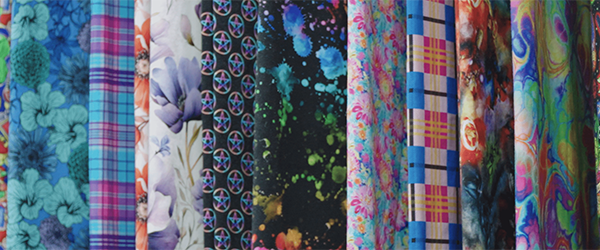
For businesses seeking a broader textile production platform, Direct-to-Fabric equipment can support applications including fashion apparel, upholstery, home décor, flags, banners, and other fabric-based products.
Typical Direct-to-Fabric Workflow
1. Select and prepare the appropriate textile.
2. Apply any required pre-treatment according to the ink and fabric.
3. Load and tension the fabric correctly.
4. Print the artwork directly onto the textile.
5. Complete the required heat-fixation or finishing process.
6. Inspect, cut, sew, or otherwise finish the textile product.
The direct workflow can be especially attractive when reducing consumables, streamlining material handling, or printing directly onto fabric is a priority.
Sublimation vs Direct to Fabric: Key Differences
The best way to understand sublimation vs direct to fabric is to compare the entire workflow rather than looking only at the printer.
Feature | Dye Sublimation Transfer | Direct-to-Fabric |
Image carrier | Transfer paper | Fabric |
Printing stage | Print onto paper first | Print directly onto textile |
Main material focus | Polyester and suitable synthetic materials | Depends on ink type and fabric |
Transfer paper | Required | Not required |
Fixation | Heat transfer/fixation | Heat fixation or other finishing process |
Color appearance | Strong, vivid color on suitable polyester | Depends on ink, substrate, and penetration |
Material handling | Paper + fabric | Primarily fabric |
Workflow complexity | More transfer steps | More direct workflow |
Best suited for | Polyester apparel, sportswear, soft signage, décor | Broader textile and customized fabric applications |
Production flexibility | Excellent for polyester-focused production | Excellent when fabric variety is important |
The table shows that neither technology is universally better. The right choice depends on your materials, product mix, workflow design, and expected production volume.
Dye Sublimation vs Direct-to-Fabric: Cost, Speed and Quality
Cost is often more complicated than the initial printer price. Businesses should evaluate the full workflow, including ink, paper, labor, energy, finishing equipment, fabric preparation, maintenance, and waste.
Cost Considerations
Sublimation transfer printing adds a transfer-paper cost and requires an additional transfer stage. However, for businesses producing large quantities of polyester products, this workflow can be highly efficient because the process is well suited to repeatable, standardized production.
Direct-to-fabric printing eliminates transfer paper, potentially reducing consumable handling and simplifying the material flow. However, some direct textile applications may require fabric pre-treatment, fixation, or other finishing processes depending on the ink and substrate.
Speed and Productivity
The fastest workflow depends on the entire production line rather than printer speed alone.
Sublimation transfer requires printing, drying, transfer, and fixation. Direct printing can reduce the number of material-transfer steps, but fabric preparation and post-processing still need to be considered.
For industrial environments, MTuTech offers high-productivity equipment in both textile printing categories. Its sublimation range includes industrial systems, while its Direct to Fabric range includes models with different widths and printhead configurations for various production requirements.
Print Quality and Color
Sublimation is well known for producing vivid, smooth, and durable graphics on polyester because the dye becomes integrated into the suitable synthetic fibers during heat transfer.
Direct-to-fabric output depends more heavily on the specific ink technology, fabric construction, pre-treatment, and fixation method. This can be an advantage when a production operation needs to support more types of textiles rather than concentrating exclusively on polyester.
For businesses comparing technologies, it is therefore better to evaluate actual production samples on the exact fabrics they intend to sell.
Step-by-Step Guides: Choosing the Right Textile Workflow
Guide 1: Choose Dye Sublimation When Polyester Is Your Core Market
Step 1: Define your primary substrates.
If most of your products use polyester or compatible synthetic textiles, sublimation is a natural option.
Step 2: Review your product range.
Sports jerseys, activewear, flags, soft signage, banners, and many home-textile products can fit well into a sublimation workflow.
Step 3: Calculate the complete transfer cost.
Include sublimation paper, transfer equipment, labor, energy, and finishing time.
Step 4: Evaluate color requirements.
For highly saturated, full-color polyester graphics, sublimation can offer strong visual performance.
Step 5: Match printer capacity to demand.
Choose print width, printhead configuration, and production speed based on actual daily output rather than peak machine specifications alone.
Guide 2: Choose Direct-to-Fabric When Fabric Flexibility Matters
Step 1: List the fabrics you need to print.
Identify whether your business works with cotton, linen, silk, blends, polyester, or other textiles.
Step 2: Select the correct ink technology.
Different fibers require different ink chemistry and finishing methods.
Step 3: Review preparation requirements.
Determine whether your workflow needs pre-treatment, drying, heat fixation, washing, or other finishing stages.
Step 4: Estimate total production handling.
Compare the number of material movements and processing stages with your current workflow.
Step 5: Choose a scalable printer platform.
Look for a machine that can support your expected fabric range, production width, and future application expansion.
Which Workflow Is Better for Different Applications?
Different products naturally favor different printing methods.
Application | Recommended Starting Point | Why |
Sportswear | Dye sublimation | Excellent fit for polyester-based garments |
Polyester flags | Dye sublimation | Strong color and established transfer workflow |
Soft signage | Dye sublimation or direct-to-fabric | Choice depends on fabric and workflow |
Fashion textiles | Direct-to-fabric or sublimation | Depends on fiber composition and product design |
Cotton products | Direct-to-fabric | Better suited when cotton is a core material |
Home décor | Either | Selection depends on fabric, volume, and finishing |
Mixed-fabric production | Direct-to-fabric | Potentially greater ink and substrate flexibility |
There is also a growing role for hybrid production environments. Businesses do not necessarily need to treat sublimation and direct printing as mutually exclusive technologies. A printer portfolio can be designed around different product categories, materials, and customer requirements.
How to Build a Complete Digital Textile Printing Solution
Choosing a printer is only one part of building a profitable textile workflow. Businesses should consider the complete chain from artwork preparation through final finishing.
MTuTech provides a broader Digital Textile Solution covering digital textile sublimation, direct-to-fabric printing, pigment printing, reactive printing, and other textile ink technologies. Its product portfolio also includes different textile printer configurations for fashion, home textiles, advertising, flags, and related applications.
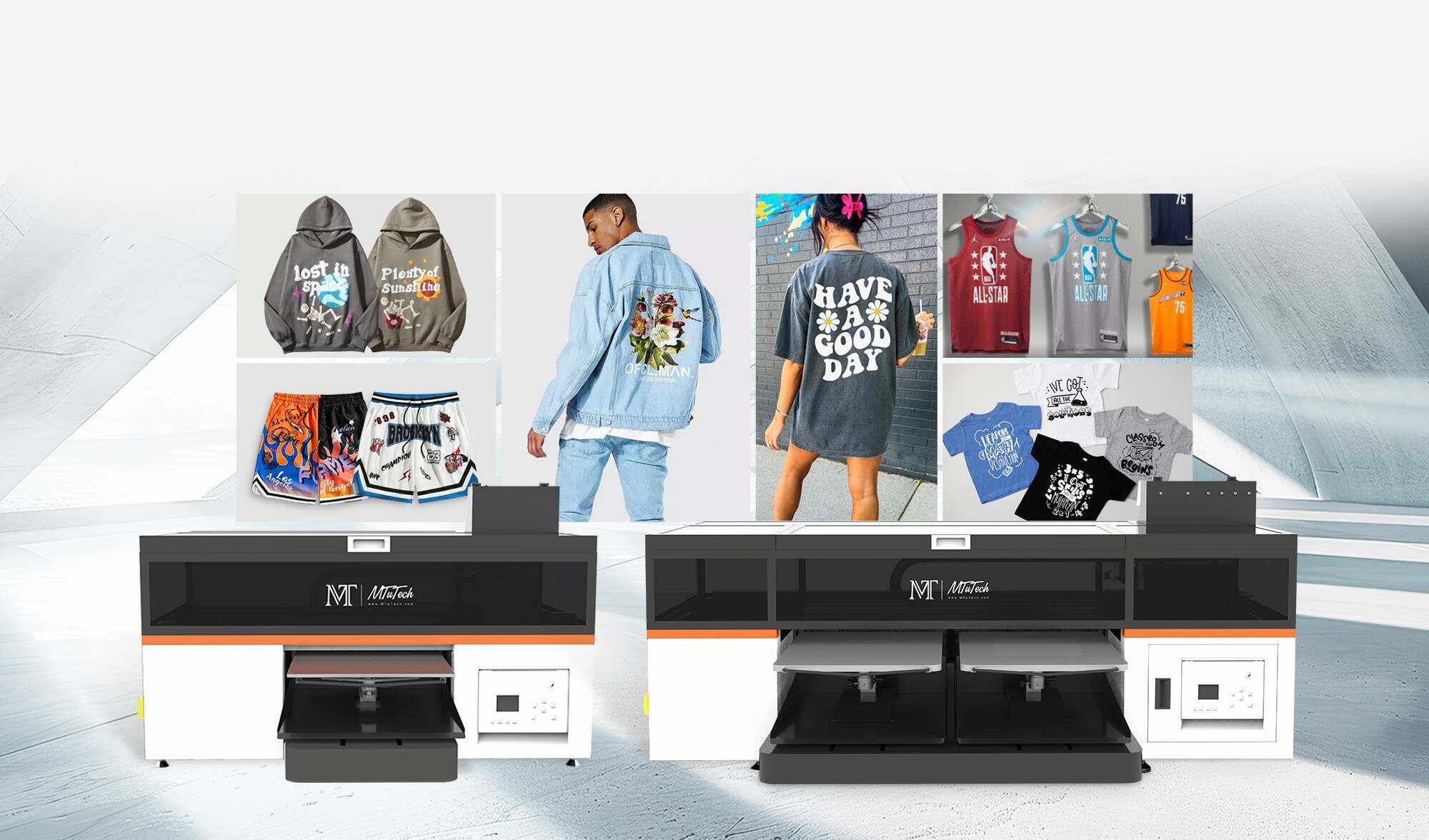
A practical evaluation should therefore include:
· Fabric compatibility
· Ink type
· Printer width
· Expected daily output
· Color requirements
· Transfer or fixation equipment
· Consumable costs
· Labor and handling requirements
· Maintenance and technical support
· Future product expansion
This approach helps prevent a common mistake: choosing equipment based only on advertised print speed while overlooking the productivity of the complete workflow.
Final Verdict: Sublimation or Direct-to-Fabric?
So, which technology should you choose when comparing sublimation vs direct to fabric?
Choose dye sublimation when polyester is the foundation of your product range and you prioritize vivid color, durable graphics, and an established heat-transfer workflow.
Choose direct-to-fabric printing when fabric variety, direct production, reduced transfer-paper handling, or broader textile applications are more important.
For businesses with diverse requirements, the smartest strategy may be to evaluate both technologies as complementary production tools rather than competitors. The final decision should be based on your fabric portfolio, application mix, production volume, finishing capabilities, and long-term expansion plans.
With MTuTech’s right combination of printer, ink, substrate, and workflow, digital textile printing can become a scalable production platform rather than simply a printing method.