

 HOME
HOME PRODUCT CENTER
 ABOUT US
 DOWNLOAD CENTER
 SUPPORT CENTER
 SUBSCRIBE
 BLOG
BLOG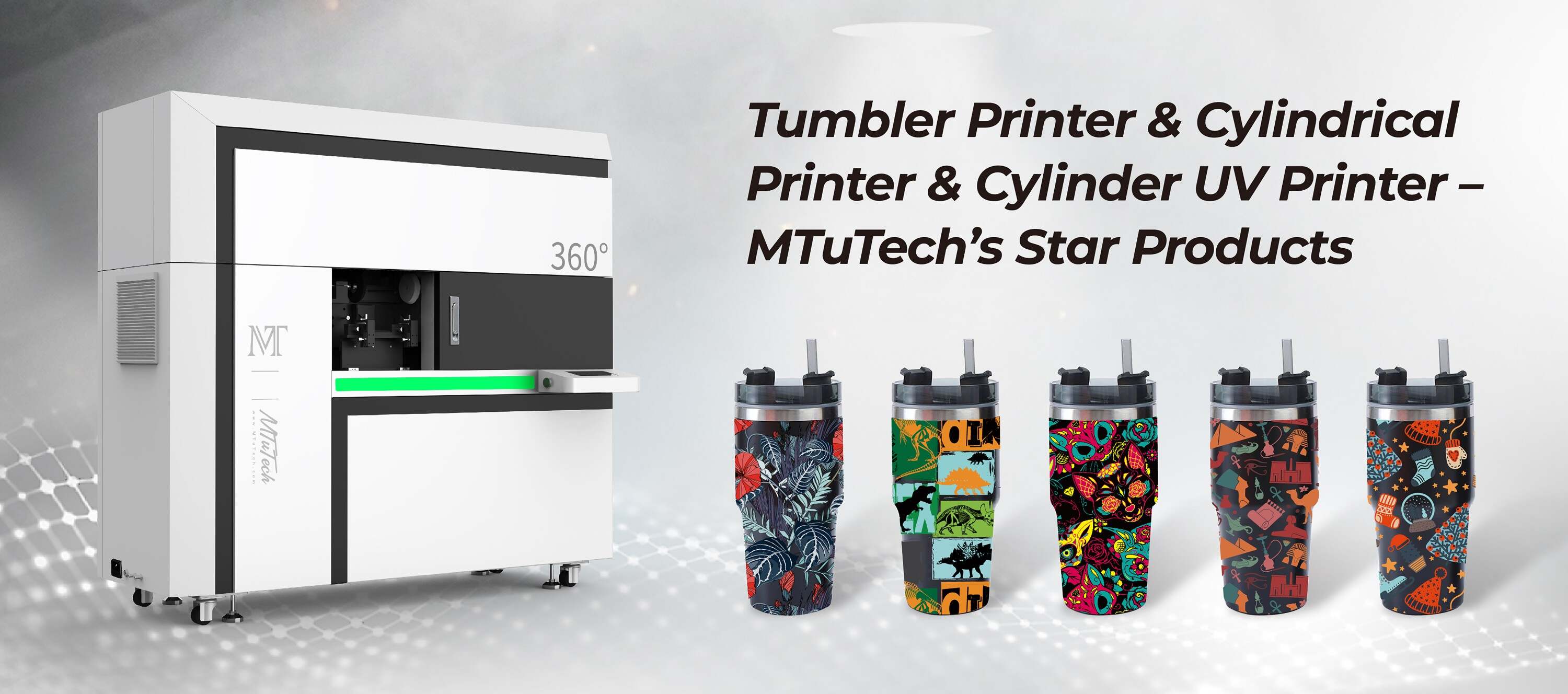
Best Practices for Seamless 360° Cylinder UV Printing
Introduction
In the vibrant world of printing technology, 360° cylinder UV printing stands out for its versatility and quality. This method allows for the printing of designs on cylindrical objects, making it ideal for products such as bottles, jars, and even promotional items. As businesses seek ways to stand out through unique packaging and branding, mastering the art of cylinder UV printing becomes essential. This blog explores the best practices for achieving seamless results in 360° cylinder UV printing.
Understanding 360° Cylinder UV Printing
360° cylinder UV printing refers to a printing technique where ultraviolet light is used to cure or dry the ink as it is printed on cylindrical surfaces. This process is known for its ability to produce vibrant colors and highly detailed images that are resistant to fading and scratching. With advancements in printer technology, businesses can achieve high-quality prints with ease.
How Does Cylinder UV Printing Work?
The technology behind cylinder UV printing involves inkjet printers that use UV-curable inks. These inks are applied to the substrate, and immediately cured by UV light, resulting in a fast-drying and durable finish. The key components include:
·
UV Inks: Formulated to harden quickly, ensuring maximum adhesion to curved surfaces.
·
·
Printhead Technology: Essential for achieving fine detail and consistent ink application.
·
·
Curing Units: UV light sources that instantly cure the ink for long-lasting effects.
·
Choosing the Right Cylinder UV Printer
The foundation for seamless 360° cylinder UV printing begins with selecting the right printer. Consider the following factors when making your choice:
1. Printer Size and Capacity
Determine the sizes of the cylindrical objects you plan to print. Ensure your printer can accommodate those sizes effectively, whether you’re printing small bottles or larger containers.
2. Print Quality
Look for printers that offer high-resolution capabilities. A printer that can produce at least 1200 dpi will ensure your designs are sharp and vibrant.
3. Ink Compatibility
Choose a printer that utilizes high-quality UV inks that deliver good adhesion and coverage on diverse materials like glass, plastic, and metal.
4. User-Friendly Interface
An intuitive interface can significantly enhance your productivity. Opt for printers with easy-to-navigate software for design setup and printer management.
5. Maintenance and Support
Consider the warranty, customer support, and the availability of parts for maintenance. This ensures that your printer remains in optimal condition without significant downtime.
Preparing for 360° Cylinder UV Printing
Preparation is vital for successful cylinder UV printing. Here are key steps to ensure quality results:
1. Surface Preparation
Ensure that the surface of the cylinder is clean and free from any contaminants. A clean substrate helps achieve better ink adhesion and print quality.
2. Design Considerations
Designs should be created specifically for cylindrical surfaces. Consider how the design wraps around the object, ensuring that important elements are not distorted or cut off at seams.
3. Color Management
Implement robust color management techniques, including the use of color profiles and proofs, to ensure that the colors on-screen match the final printed product.
Printing Techniques for Seamless Results
Employing the right printing techniques can significantly impact the quality of your final product:
1. Calibration and Testing
Before starting a large print run, always calibrate the printer and conduct test prints. This helps to fine-tune settings such as speed, ink density, and curing times, ensuring optimal results.
2. Multi-Pass Printing
For intricate designs, consider using a multi-pass printing approach. This involves making multiple passes over the cylindrical object, allowing for finer detail and enhanced saturation.
3. Adjusting Curing Settings
Fine-tune the UV curing settings to ensure that the ink is properly cured without overheating the substrate. Proper curing prevents issues like ink bleeding or distortion.
Post-Printing Considerations
Once printing is complete, there are a few crucial steps to maintain quality:
1. Inspection and Quality Control
Inspect every printed piece for defects such as misprints or inconsistencies in color. Implementing quality control measures ensures that only flawless products reach customers.
2. Packaging and Handling
Carefully package and handle finished products to avoid scratching or damaging the surface print. Consider using protective materials that prevent abrasion.
3. Customer Feedback
Gather feedback from customers regarding the quality and longevity of the printed items. Use this feedback to make improvements in the printing process and customer satisfaction.
Conclusion
Mastering 360° cylinder UV printing involves a combination of the right technology, robust preparation, effective printing techniques, and diligent post-printing practices. By adhering to these best practices, businesses can produce stunning, high-quality prints that meet customer expectations and stand out in a competitive marketplace. If you're looking to invest in high-quality printing solutions, consider exploring your options to enhance your production capabilities. For those interested in professional-grade equipment, explore our high-quality Cylinder UV printers here.
FAQ
What types of materials can be printed using cylinder UV printing?
Cylinder UV printers are versatile and can print on various materials, including glass, plastic, metal, and ceramic, making them suitable for a wide array of products.
How long does it take for the ink to cure in cylinder UV printing?
The curing process is immediate, typically taking only a few seconds as the UV light instantly dries the ink on contact, allowing for fast production times.
Can I print on irregular shapes with a UV printer?
While cylinder UV printers are designed for cylindrical surfaces, some models may handle slightly irregular shapes. However, for best results, it’s advisable to use them primarily on standard cylindrical forms.
What maintenance is required for cylinder UV printers?
Routine maintenance includes cleaning the print heads, checking for clogs, managing ink levels, and performing regular software updates to ensure optimal printer performance.
Are there environmental concerns associated with UV printing?
While UV printing is generally considered to be more environmentally friendly than many other printing methods, it is essential to handle inks responsibly and follow local regulations regarding disposal and emissions.