

 HOME
HOME PRODUCT CENTER
 ABOUT US
 DOWNLOAD CENTER
 SUPPORT CENTER
 SUBSCRIBE
 BLOG
BLOG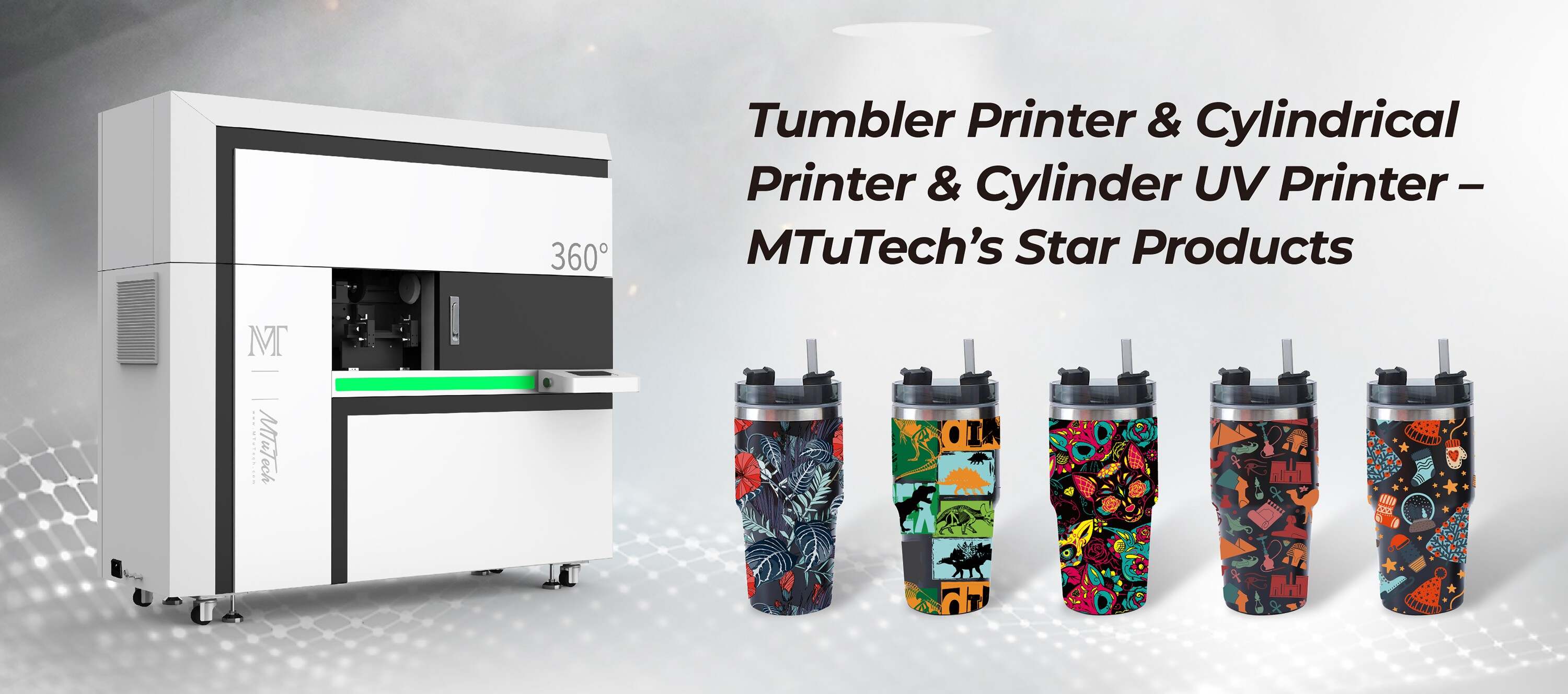
Common Issues and Fixes in Cylinder UV Printing
Introduction
Cylinder UV printing is a revolutionary technique in the world of custom printing, offering high-quality results on a variety of surfaces. Whether you’re printing on cylindrical objects, bottles, or jars, this technology promises precision and vibrant colors. However, like any printing process, it comes with its own set of challenges. In this blog post, we’ll explore common issues faced during cylinder UV printing and how to resolve them effectively, ensuring your printing projects run smoothly.
Understanding Cylinder UV Printing
Cylinder UV printing utilizes ultraviolet light to cure or dry the ink as it is printed. This immediate curing helps in producing high-resolution images with increased durability and vibrancy. The cylinder design allows for printing on different cylindrical surfaces, making it a versatile choice for various industries.
Common Issues in Cylinder UV Printing
1. Ink Smudging
One of the prevalent issues in cylinder UV printing is ink smudging, which often occurs when the ink does not cure correctly. This can lead to blurred images and unsatisfactory finishes.
·
Cause: Insufficient UV light exposure or improper curing lamp settings.
·
·
Solution: Ensure that the UV lamps are functioning correctly. Regularly check the intensity and positioning of the lamps to guarantee that they provide adequate coverage across the substrate.
·
2. Inconsistent Print Quality
Inconsistent print quality can manifest as variations in color intensity or pixelation across different prints. This inconsistency can be frustrating and may affect the overall branding.
·
Cause: Variability in ink thickness, machine calibration, or surface texture of the substrate.
·
·
Solution: Maintain uniform ink application by calibrating the printing machine regularly. Additionally, test different print settings to find the optimal configuration for the specific material being printed.
·
3. Poor Adhesion
Another common issue is poor adhesion of the ink to the substrate, which can result in peeling or flaking, especially in high-contact areas.
·
Cause: Uneven surface preparation or incorrect ink selection.
·
·
Solution: Ensure thorough surface cleaning and preparation before printing. Also, choose the right ink type that is compatible with the substrate for better adhesion.
·
4. Curing Problems
Curing issues can lead to soft prints that can easily be damaged. Ink that hasn’t cured properly can affect the durability of the printed item.
·
Cause: Incorrect UV lamp settings or dirty lamps.
·
·
Solution: Regularly clean the UV lamps to prevent dust and residue buildup. Additionally, make adjustments to the speed of the printer and the intensity of the UV lights, ensuring proper curing time for the ink.
·
5. Ink Buildup
Ink buildup can obstruct print heads, leading to uneven ink distribution and poor print quality.
·
Cause: Lack of regular maintenance and cleaning of print heads.
·
·
Solution: Implement a detailed cleaning schedule for print heads and other components. Regular maintenance will minimize the risk of ink buildup and keep the printing process smooth.
·
6. Color Shift
Color shift occurs when the printed colors do not match the expected outcome from the digital design files, leading to discrepancies in branding.
·
Cause: Calibration issues or inconsistent ink formulation.
·
·
Solution: Calibrate your printer to ensure that color profiles match between the printer and the design software. Keeping ink formulations uniform will also help in achieving consistent color outputs.
·
Best Practices for Successful Cylinder UV Printing
To enhance the effectiveness of your cylinder UV printing process, consider implementing the following best practices:
·
Regular Maintenance: Schedule routine maintenance for your printer and UV lamps to prevent issues before they arise.
·
·
Use Quality Inks: Invest in high-quality inks that are specifically designed for cylinder printing. This will significantly improve adhesion and overall print quality.
·
·
Test Runs: Conduct test prints before committing to larger productions. This helps in identifying potential issues early on.
·
·
Adjust Temperature and Humidity: Maintain optimal environmental conditions to prevent unwanted changes in ink viscosity and adhesion.
·
Conclusion
Cylinder UV printing is a powerful method for producing high-quality prints on a range of surfaces. By understanding and addressing common issues such as ink smudging, poor adhesion, and curing problems, you can significantly enhance the quality and durability of your prints. Regular maintenance and implementing best practices will ensure that your cylinder UV printing process runs smoothly, allowing you to focus on creating stunning designs. Whether you’re a seasoned professional or just starting, staying informed about these challenges will help you achieve the best results in your printing endeavors. If you're interested in elevating your printing capabilities, explore our high-quality Cylinder UV printers here.
FAQ
What is cylinder UV printing?
Cylinder UV printing is a digital printing technology that uses ultraviolet light to cure or dry the inks as they are printed. This method allows for printing on cylindrical surfaces with high precision and vibrant colors.
What are the main advantages of using cylinder UV printing?
The main advantages include the ability to print on various materials, rapid drying of inks, durability of prints, and high-quality output with fine details and vibrant colors.
Can I print on any material using cylinder UV printing?
While cylinder UV printing is versatile, the compatibility depends on the ink and substrate used. It's essential to select the appropriate ink for the specific material to ensure optimal adhesion and print quality.
How can I troubleshoot poor print quality?
To troubleshoot poor print quality, check for issues such as ink smudging, inconsistent print patterns, and color shifts. Regular maintenance, proper calibration, and choosing the right inks will help resolve these problems.
Is maintenance important for cylinder UV printers?
Yes, regular maintenance is crucial for cylinder UV printers to ensure optimal performance and quality. This includes cleaning print heads, checking UV lamps, and calibrating equipment to prevent common issues.