

 HOME
HOME PRODUCT CENTER
 ABOUT US
 DOWNLOAD CENTER
 SUPPORT CENTER
 SUBSCRIBE
 BLOG
BLOG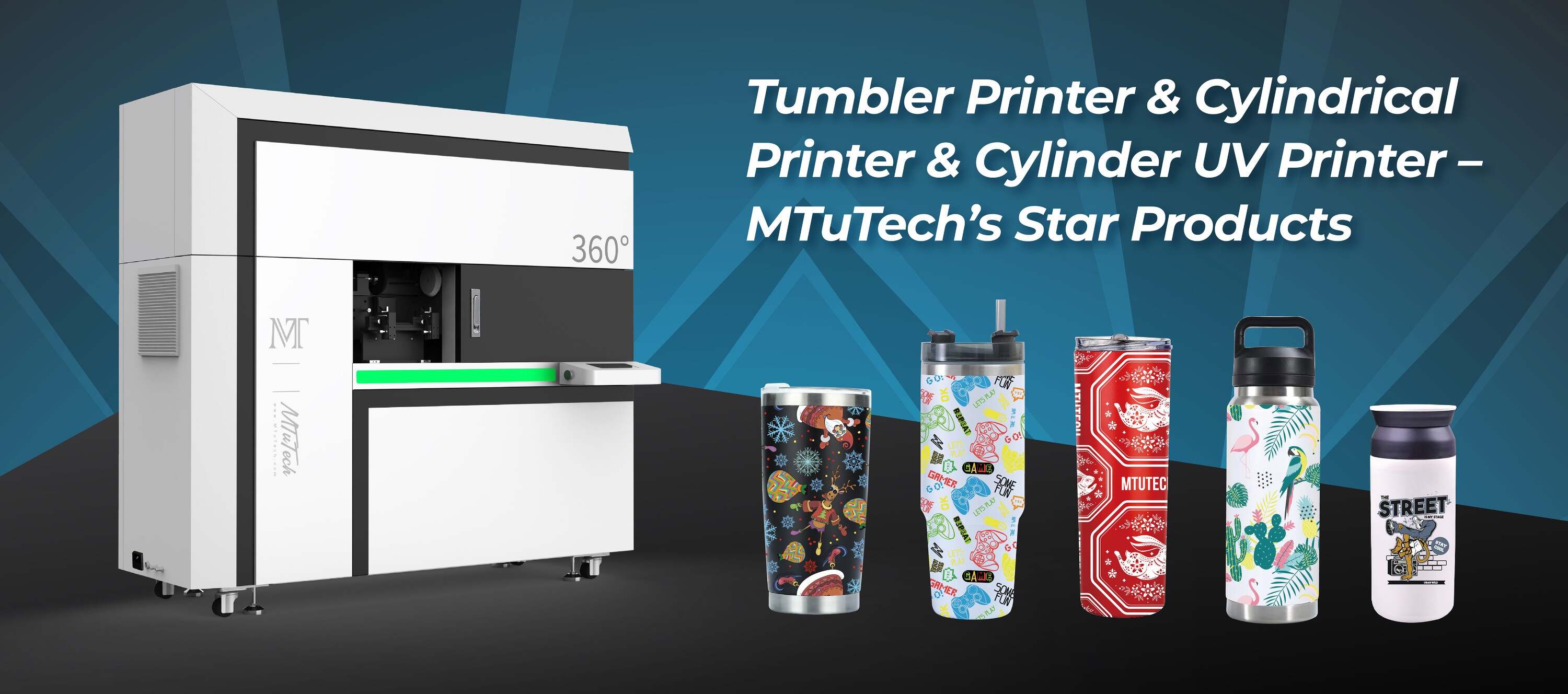
Creating 3D Textures with Multi-Layer Cylindrical UV Printing
Introduction
In today's competitive landscape, businesses are continuously seeking innovative ways to differentiate their products and enhance customer engagement. One of the leading technologies that are reshaping product design and customization is multi-layer cylindrical UV printing. This advanced technique allows for the creation of stunning 3D textures on a variety of cylindrical surfaces, which can captivate consumers and elevate brand perception. In this blog post, we’ll delve into the intricacies of multi-layer cylindrical UV printing, exploring its processes, benefits, applications, and tips for creating compelling designs.
Understanding Multi-Layer Cylindrical UV Printing
Multi-layer cylindrical UV printing represents a significant advancement in digital printing technology. This method employs ultraviolet (UV) light to cure or dry the ink as it is printed onto cylindrical objects. The result is not only a visually striking design but also a durable finish that can withstand various environmental conditions.
The Printing Process
The process of multi-layer cylindrical UV printing involves several key steps:
·
Preparation: The cylindrical surface is cleaned and prepped to ensure proper adhesion of the ink.
·
·
Design Creation: Using graphic design software, intricate designs and textures are developed, tailored specifically for cylindrical printing.
·
·
Layering: The printer applies multiple layers of UV ink. Each layer can differ in color, opacity, and texture, creating a three-dimensional effect.
·
·
Curing: After each layer is printed, UV light cures the ink instantly, ensuring a fast turnaround.
·
·
Final Finishing: A protective coating may be added to enhance durability and shine.
·
Benefits of Multi-Layer Cylindrical UV Printing
Utilizing multi-layer cylindrical UV printing offers a myriad of benefits, particularly for brands looking to stand out in a crowded marketplace. Here are some of the key advantages:
1. Enhanced Visual Appeal
One of the most significant benefits of this technology is its ability to produce visually striking 3D effects. The layers create depth and texture, giving products a premium look and feel that attracts consumers.
2. Customization Options
This printing method provides unparalleled customization options. Brands can create unique designs that resonate with their target audience, tailoring products to individual preferences, trends, or promotional events.
3. Durability
The UV-cured inks are highly resistant to fading, scratching, and moisture. This durability ensures that the finished product maintains its aesthetic appeal for an extended period, even in challenging environments.
4. Eco-Friendly Practices
Many modern UV inks are environmentally friendly. They produce fewer volatile organic compounds (VOCs) compared to traditional printing methods, making them a sustainable choice for businesses.
Applications of Multi-Layer Cylindrical UV Printing
Multi-layer cylindrical UV printing can be applied across various industries due to its versatility and high-quality output. Here are some of the most common applications:
1. Promotional Products
From coffee mugs to water bottles, multi-layer cylindrical UV printing is perfect for promotional merchandise, allowing brands to showcase their logos and designs effectively.
2. Packaging Solutions
Cylindrical packaging solutions, such as cosmetic containers and food packaging, benefit from this printing technology by enhancing shelf appeal and providing informative designs.
3. Decorative Items
Home decor items, such as vases and decorative jars, can be transformed into eye-catching pieces through custom multi-layer textures that add a unique flair.
4. Industrial Products
Tools and equipment can also be personalized using this technology, ensuring brand visibility and differentiation in industrial sectors.
Tips for Creating Compelling 3D Textures
Creating effective and visually appealing designs requires both creativity and technical skill. Here are some tips for creating captivating 3D textures with multi-layer cylindrical UV printing:
1. Utilize Design Software
Leverage advanced graphic design software like Adobe Illustrator or CorelDRAW to create intricate designs. Experiment with layering effects, gradients, and textures to achieve a three-dimensional look.
2. Test Prints
Always conduct test prints before finalizing your design. This allows you to see how the design translates to the physical product and make any necessary adjustments.
3. Pay Attention to Color Selection
Choosing the right colors is crucial in creating an eye-catching design. Consider using contrasting colors or complementary shades that will stand out while maintaining brand consistency.
4. Incorporate Layers Wisely
When designing your textures, think about the layering process. Use various levels of opacity and textures to add depth without making the design feel overcrowded.
Challenges in Multi-Layer Cylindrical UV Printing
While multi-layer cylindrical UV printing offers numerous advantages, it does come with certain challenges:
1. Equipment Costs
The cost of high-quality cylindrical UV printers can be significant. However, this investment can pay off in terms of the unique products and customizations offered.
2. Design Complexity
Creating a successful layered design can be complex and requires a solid understanding of the technology and design principles. Investing time in training can help overcome this hurdle.
3. Material Compatibility
Not all cylindrical materials are suitable for UV printing. It's essential to choose compatible substrates to ensure optimal adhesion and durability.
Conclusion
The rise of multi-layer cylindrical UV printing represents a pivotal moment in product customization and design. This innovative technology not only allows brands to create stunning visual effects with 3D textures but also promotes durability and sustainability. By understanding the process and employing smart design strategies, businesses can leverage this technology to stand out in a crowded market, creating unique and appealing products for their customers. To get started, explore our high-quality Cylindrical printers here, and transform your design visions into reality.
FAQ
What types of materials can be used with multi-layer cylindrical UV printing?
Multi-layer cylindrical UV printing can be applied to a variety of materials, including plastics, glass, metal, and paper. The key is to ensure that the material is compatible with UV inks for optimal results.
How does multi-layer cylindrical UV printing differ from traditional printing methods?
Unlike traditional printing methods, which often require drying time and can be susceptible to smudging or bleeding, multi-layer cylindrical UV printing instantly cures the ink using UV light, providing immediate durability and vibrant colors.
Is it possible to achieve high-resolution designs with this printing technique?
Yes, multi-layer cylindrical UV printing can achieve high-resolution designs. With the right printer and settings, you can produce intricate details and vivid colors that enhance overall product appeal.
What industries benefit most from multi-layer cylindrical UV printing?
Various industries benefit from multi-layer cylindrical UV printing, including consumer goods, cosmetics, food and beverage, industrial products, and promotional merchandise. Its versatility makes it suitable for many applications.