

 HOME
HOME PRODUCT CENTER
 ABOUT US
 DOWNLOAD CENTER
 SUPPORT CENTER
 SUBSCRIBE
 BLOG
BLOG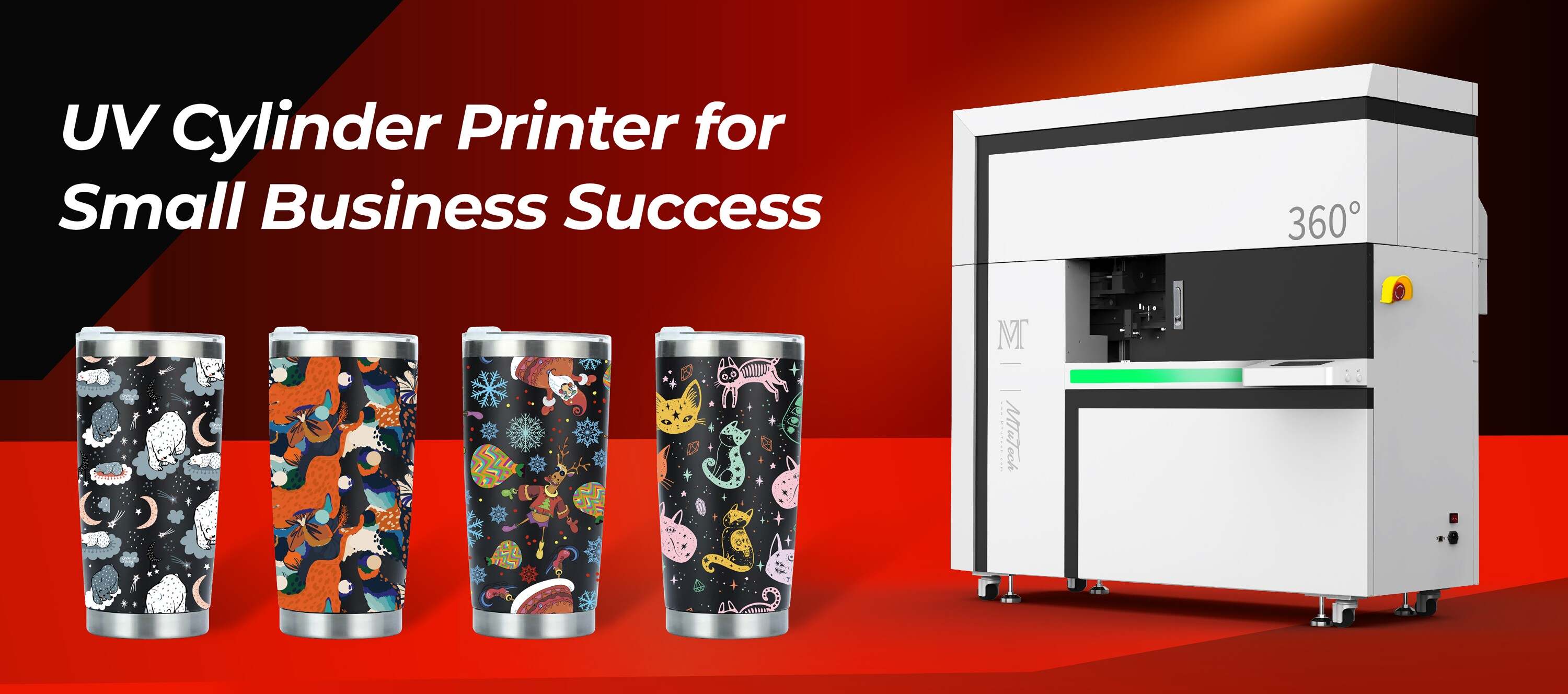 Cylinder UV Printer Ink Pooling at Object Base: Root Cause Analysis
Introduction
In the world of customized printing, Cylinder UV printers have transformed the capabilities of producing vibrant, high-quality images on a variety of surfaces. However, as with any advanced technology, issues can arise during operation—one such challenge is ink pooling at the object base. This phenomenon can impact the final product's quality and aesthetics, leading to potential dissatisfaction from customers. In this article, we will delve into the root causes of ink pooling, the effects it can have on print quality, and effective solutions to mitigate this problem.
Understanding Cylinder UV Printing
Cylinder UV printing is a specialized form of printing that uses ultraviolet light to cure or dry the ink as it is printed on a substrate. This technology is valued for its speed, efficiency, and ability to print on challenging materials, including glass, plastic, and metals. However, the rapid curing process can sometimes lead to issues like ink pooling. To address this effectively, one must first understand the mechanisms involved in Cylinder UV printing.
How Cylinder UV Printing Works
The process begins with the ink being applied to the substrate, followed by exposure to UV light, which causes the ink to polymerize and form a durable layer. This system allows for an array of colors and finishes, making Cylinder UV printers versatile for various customer needs. However, if the ink is not evenly distributed during application, pooling can occur, leading to excessive buildup at the base of the objects being printed.
Root Causes of Ink Pooling
Identifying the root causes of ink pooling is crucial for developing effective solutions. Several factors contribute to this issue in Cylinder UV printing:
1. Ink Viscosity
The viscosity of the ink plays a vital role in its ability to spread evenly across the surface. If the ink is too thick, it may not flow properly, resulting in pooling. Conversely, inks that are too thin can spread too much, leading to oversaturation.
2. Surface Properties of the Substrate
The characteristics of the substrate can significantly influence ink behavior. Surfaces that are too smooth or have low adhesion can prevent inks from properly adhering, resulting in pooling at the base. On the other hand, highly porous materials may overly absorb ink, causing uneven distribution.
3. Print Settings and Configuration
Improper printer settings can also contribute to ink pooling. Factors such as print speed, UV light intensity, and layer thickness all affect how the ink is applied. For example, a high print speed may not allow the ink to cure adequately before the next layer is applied, leading to pooling.
4. Environment and External Factors
Environmental conditions, such as temperature and humidity, can impact ink behavior during printing. High humidity can cause ink to dry slowly, while extreme temperatures can adversely affect viscosity, leading to inconsistent ink application.
Effects of Ink Pooling on Print Quality
Ink pooling at the object base can have several negative effects on the final printed product:
·
Color Inconsistency: Pooling results in uneven color distribution, leading to patchy or dull appearances that fail to meet quality standards.
·
·
Texture Issues: Excess ink can create an unwanted texture, making objects appear less professional and visually unappealing.
·
·
Durability Problems: Ink that is improperly cured due to pooling can compromise the overall durability of the print, making it susceptible to wear and fading.
·
Management Strategies to Prevent Ink Pooling
Once you've identified the root causes of ink pooling, it's essential to implement strategies to prevent this issue in future print runs:
1. Optimize Ink Viscosity
Ensure that the ink viscosity is appropriate for the specific substrate being used. Experiment with different inks to find the best match that maintains the desired print quality without causing pooling.
2. Correct Substrate Selection
Select substrates that are compatible with the chosen ink to improve adhesion and reduce the likelihood of pooling. Consider treatments or coatings that enhance surface properties, ultimately leading to more even ink application.
3. Fine-Tune Printer Settings
Adjust print settings, including speed, UV intensity, and layer thickness, to optimize ink distribution. Running test prints can help determine the optimal configuration for different substrates and printer models.
4. Control Environmental Conditions
Maintain an optimal printing environment by controlling temperature and humidity levels. Investing in climate control systems can significantly impact ink behavior, leading to improved print quality.
5. Regular Maintenance of Printer
Ensure that the printer is regularly maintained to avoid any mechanical issues that might contribute to ink pooling. Regular cleaning of printheads and calibration can go a long way in ensuring consistent performance.
Conclusion
Ink pooling at the object base in Cylinder UV printing is a significant challenge that can adversely affect product quality and customer satisfaction. By understanding the root causes, including ink viscosity, substrate properties, printer settings, and environmental conditions, businesses can take preventive measures to ensure superior print quality. Implementing the strategies outlined in this article can help printing professionals maintain high standards and deliver exceptional products.
For those looking to enhance their printing capabilities, consider exploring our range of Cylinder UV printers. Explore our high-quality Cylinder UV printers here to find solutions tailored to your production needs.
FAQ
What is Cylinder UV printing?
Cylinder UV printing is a method that utilizes ultraviolet light to cure or dry ink as it is printed on substrates. This technique allows for high-quality and durable prints on various surfaces.
Why does ink pooling happen?
Ink pooling occurs due to several factors, including improper ink viscosity, unsuitable substrate properties, incorrect printer settings, and environmental conditions that affect ink behavior.
How can I prevent ink pooling in my prints?
To prevent ink pooling, optimize ink viscosity, choose the right substrates, fine-tune printer settings, control environmental conditions, and maintain your printer regularly.
Can ink pooling affect the durability of prints?
Yes, ink pooling can lead to inadequate curing of ink, which compromises the durability of the final print, making it more susceptible to wear and fading.
What substrates are best for Cylinder UV printing?
Substrates that are moderately textured or coated for better adhesion and compatibility with UV inks are ideal. Choosing the right substrate is critical for achieving high-quality prints without pooling.