

 HOME
HOME PRODUCT CENTER
 ABOUT US
 DOWNLOAD CENTER
 SUPPORT CENTER
 SUBSCRIBE
 BLOG
BLOG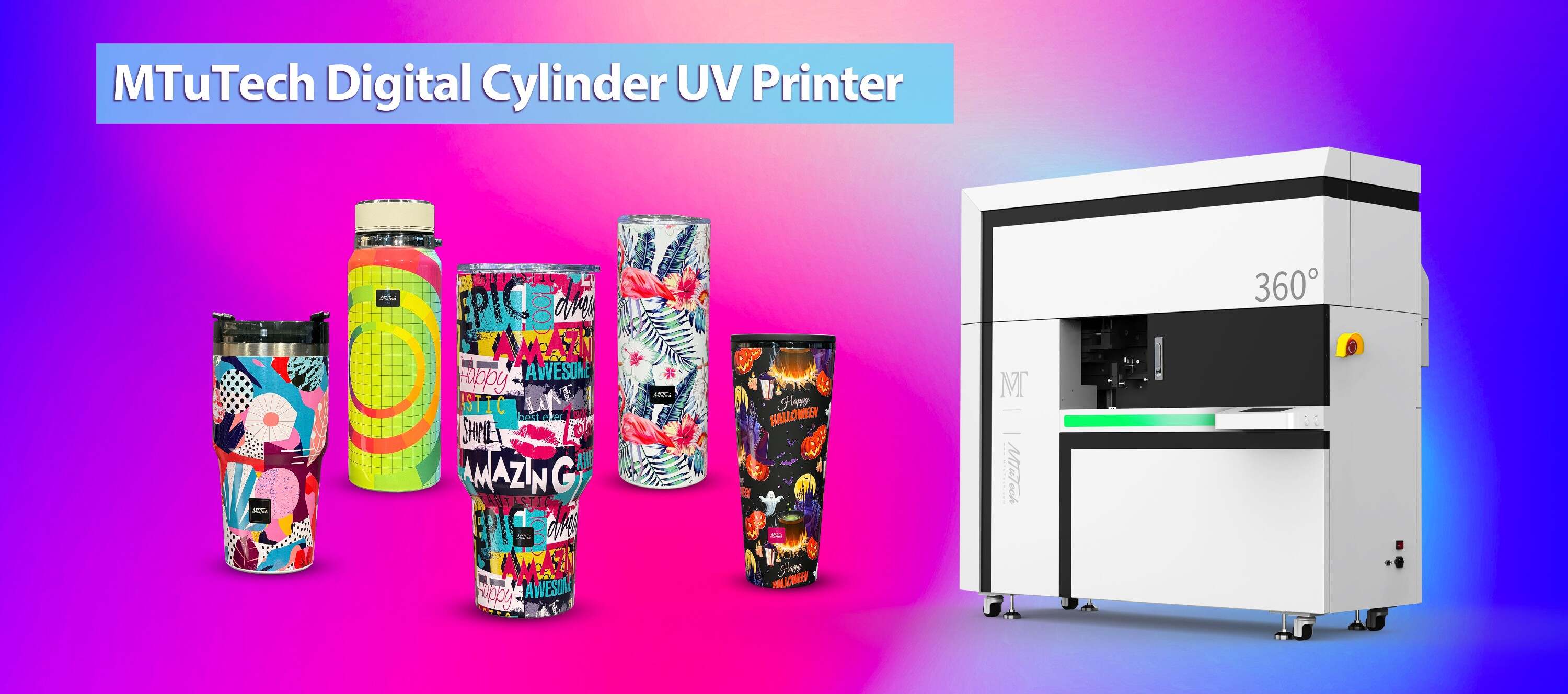
Cylinder UV Printer Servo Motor vs Stepper Motor Rotation Systems
Introduction
In the world of digital printing, the technology employed can drastically influence the quality and efficiency of the final product. Among the myriad of choices available, cylinder UV printers stand out due to their ability to print directly onto cylindrical objects. One of the more critical components of these printers is the motor system that drives the rotation of the cylinder. Two predominant types of motors used in cylinder UV printers are servo motors and stepper motors. Each has its distinct features, benefits, and applications. In this blog post, we will explore the differences between these two motor systems, enabling you to make an informed decision when considering your printing needs.
Understanding Cylinder UV Printers
Cylinder UV printers are specially designed to print on cylindrical surfaces such as bottles, jars, and pipes. The UV curing process allows for vibrant colors and sharp details, crucial for high-quality printing. The efficiency and precision of the printing process are heavily reliant on the rotation system employed, which is fundamentally determined by the type of motor used. This is where servo and stepper motors come into play.
Servo Motors in Cylinder UV Printers
Overview of Servo Motors
Servo motors are highly sophisticated devices that provide precise control of angular position. They are generally employed in applications requiring high speed, high torque, and precise positioning. In the context of cylinder UV printing, servo motors offer several advantages that can enhance the printing process.
Benefits of Using Servo Motors
·
Precision: Servo motors provide remarkable accuracy in positioning, allowing for intricate designs and fine details in prints.
·
·
Speed: These motors can operate at high speeds, significantly reducing printing time.
·
·
Torque Control: Servo motors can maintain a consistent torque level, providing stability throughout the printing process.
·
·
Efficiency: The ability to maintain precise control leads to reduced energy consumption, making servo motors more efficient in the long run.
·
Applications of Servo Motors in Printing
Servo motors are particularly beneficial for tasks that demand large-scale production and high-quality results. They excel in applications where intricate details are needed, making them suitable for labeling, decorative printing, and customized product designs.
Stepper Motors in Cylinder UV Printers
Overview of Stepper Motors
Stepper motors operate differently compared to servo motors. They move in discrete steps, offering less precision than servo motors but sufficient control for many applications. In a stepper motor, the position is controlled by the number of steps taken, making them simpler and often less costly than servo motors.
Benefits of Using Stepper Motors
·
Simplicity: Stepper motors are easier to control and program, making them user-friendly for operators.
·
·
Cost-Effective: Typically, stepper motors are less expensive to purchase and maintain than servo motors.
·
·
Good Holding Torque: Stepper motors can hold their position without additional control, which can be advantageous for certain printing applications.
·
·
Robustness: They are generally more durable and require less frequent maintenance than servo systems.
·
Applications of Stepper Motors in Printing
Stepper motors are well-suited for applications where high precision isn’t the primary concern. They are commonly used in simpler printing setups, entry-level equipment, and where cost is a significant factor.
Comparing Servo Motors and Stepper Motors
Precision and Control
One of the most significant differentiators between servo motors and stepper motors is precision. Servo motors excel in applications that require precise control of motion. This results in a higher impression quality, particularly important in high-end printing. Conversely, stepper motors provide less precision, which can lead to potential quality issues in complex designs.
Performance and Speed
When it comes to speed and efficiency, servo motors drastically outperform stepper motors. Due to their design, servo motors can reach higher speeds without losing torque or accuracy. In a high-demand environment, this translates into quicker turnaround times and increased productivity.
Cost Considerations
While servo motors offer superior performance, they come at a higher cost. This often makes them more suitable for commercial operations where quality and speed justify the investment. On the other hand, stepper motors are ideal for smaller businesses or budget-conscious projects where print quality requirements are moderate.
Energy Consumption
Servo motors are designed for energy efficiency, reducing overall power consumption during operation, particularly during idle phases. In contrast, stepper motors often consume energy continuously while holding their position, making them less efficient in long-run scenarios.
Conclusion
Choosing between a servo motor and a stepper motor for your cylinder UV printer boils down to your specific printing needs, budget, and quality expectations. If your priority is high precision, efficiency, and rapid production capabilities, servo motors are the superior choice. However, if you are working within a tighter budget and the application does not demand high-end precision, stepper motors may serve your needs adequately.
Regardless of your choice, both motor types have their pros and cons, and understanding these differences will help you select the most suitable option for your printing solutions. For those seeking top-tier quality, consider exploring high-quality cylinder UV printers that leverage advanced motor technology to enhance your custom printing capabilities. Explore our high-quality Cylinder UV printers here.
FAQ
What is the main difference between servo motors and stepper motors?
The primary difference lies in their movement control. Servo motors offer continuous motion control and high precision, while stepper motors operate in discrete steps and are generally simpler and less expensive.
Which motor system is better for high-quality printing?
Servo motors are typically better for high-quality printing due to their accuracy and speed, resulting in finer print details and quicker production times.
Are stepper motors suitable for industrial applications?
Yes, stepper motors can be suitable for industrial applications where high precision is not critical. They are often used in entry-level systems or where cost is a factor.
How does energy consumption vary between the two motor types?
Servo motors are generally more energy-efficient, particularly during idle phases, while stepper motors may consume energy continuously to maintain position.
What factors should I consider when choosing a motor for my cylinder UV printer?
Consider your specific printing needs, including precision, speed, budget, and the importance of energy efficiency in long-term use.