

 HOME
HOME PRODUCT CENTER
 ABOUT US
 DOWNLOAD CENTER
 SUPPORT CENTER
 SUBSCRIBE
 BLOG
BLOG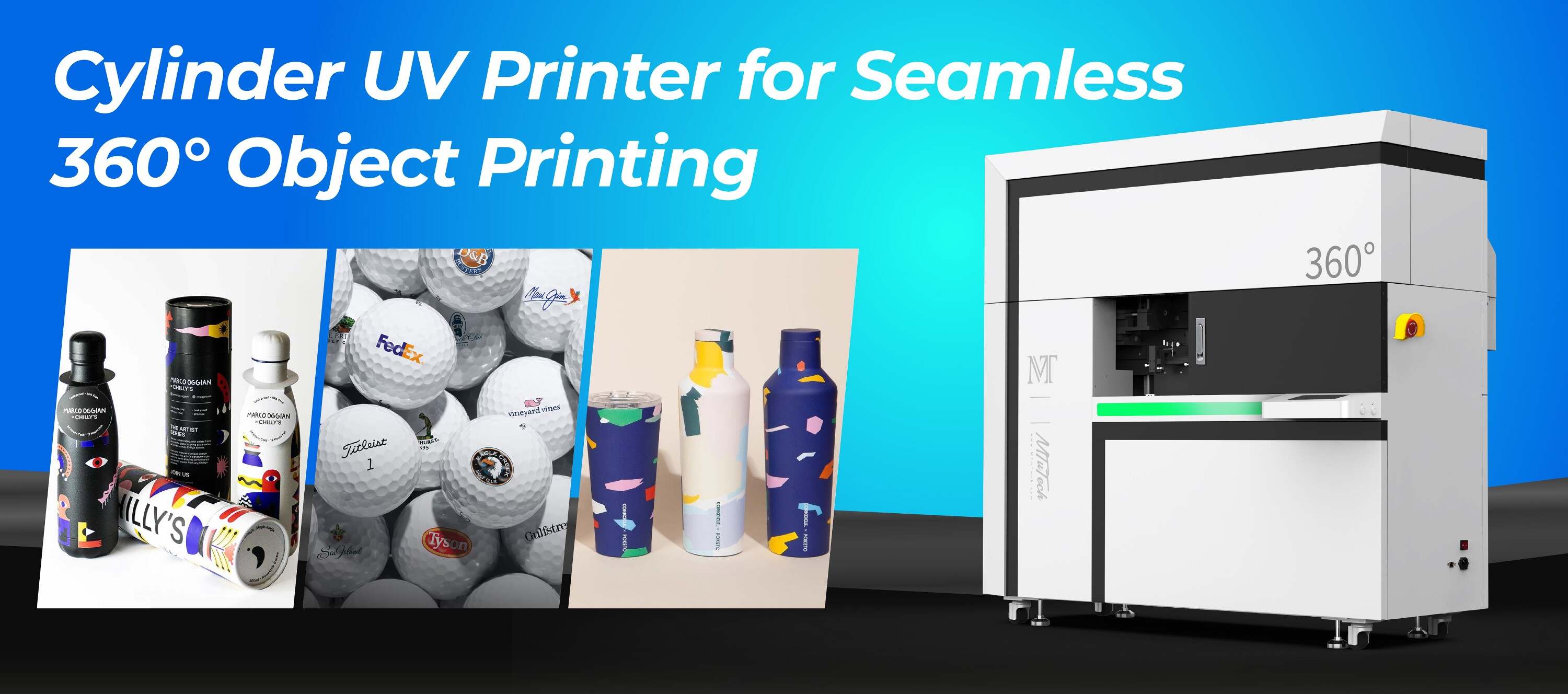
Cylinder UV Printers vs. Traditional Screen Printing – A Comprehensive Comparison
Introduction
In the ever-evolving world of printing technology, businesses are faced with a myriad of options to meet their custom printing needs. Among the most popular methods are Cylinder UV Printing and Traditional Screen Printing. Each method has its unique advantages and limitations, making it essential for businesses to understand their differences when choosing the right printing technique for their projects. This blog explores a comprehensive comparison between these two methods, helping you make an informed decision for your printing endeavors.
What is Cylinder UV Printing?
Cylinder UV Printing is a modern technique that utilizes ultraviolet light to cure or dry the ink as it is printed on cylindrical objects. This method has gained popularity due to its ability to print on a wide range of substrates, including plastics, metals, glass, and more. The process involves using a cylinder as a base, which allows for high-quality, vibrant prints that are durable and long-lasting.
What is Traditional Screen Printing?
Traditional Screen Printing, often referred to as silk screening, is a time-tested method that involves creating a stencil (or screen) and using it to apply layers of ink onto various surfaces. This printing technique is well-suited for larger production runs and can efficiently produce high-quality designs on fabrics, paper, and other materials. However, it can be limited when it comes to printing on complex shapes or materials.
Key Differences Between Cylinder UV Printers and Traditional Screen Printing
1. Printing Technology
The fundamental difference between the two methods lies in how the ink is applied and cured. Cylinder UV Printing uses UV light to cure the ink instantly, allowing for quick production times and the ability to print on uneven surfaces and multiple materials. In contrast, Traditional Screen Printing relies on a physical screen to layer ink, making it less versatile in terms of substrate variety and requiring longer drying times.
2. Print Quality
Both Cylinder UV Printing and Traditional Screen Printing can produce high-quality prints; however, there are notable distinctions:
·
Cylinder UV Printing: Known for its vibrant colors with sharp details, UV printing can deliver photographic quality and intricate designs that stand out.
·
·
Traditional Screen Printing: While it can yield striking results, especially with simpler designs and solid colors, it may struggle with gradients and fine details compared to UV printing.
·
3. Substrate Versatility
In terms of substrate compatibility, Cylinder UV Printing takes the lead:
·
Cylinder UV Printing: Can print on nearly any surface, including plastics, metals, wood, glass, and ceramics, making it ideal for custom items with various shapes and textures.
·
·
Traditional Screen Printing: Primarily used on fabrics, paper, and certain plastics; it is not well-suited for complex surfaces, such as cylindrical objects.
·
4. Production Speed and Efficiency
Speed can be a crucial factor, especially for businesses with tight deadlines:
·
Cylinder UV Printing: With the ability to cure ink instantly using UV light, this method offers quicker turnaround times, allowing for faster production schedules.
·
·
Traditional Screen Printing: Generally slower due to the manual setup process and drying time between color applications, which can delay overall production.
·
5. Cost-Effectiveness
Cost can be a deciding factor when choosing between these printing methods:
·
Cylinder UV Printing: Typically has a higher initial setup cost due to the equipment and technology involved. However, it can be more cost-effective in smaller runs, as it eliminates the need for multiple screens.
·
·
Traditional Screen Printing: Often more economical for large production runs, but the costs can escalate with the number of colors and complexity of designs due to the need for multiple screens.
·
6. Environmental Impact
In today's eco-conscious world, the environmental impact of printing methods is more significant than ever:
·
Cylinder UV Printing: Typically produces less waste as the UV curing process means less ink is needed, and inks are often free of harmful solvents and chemicals.
·
·
Traditional Screen Printing: Can produce more waste due to the need for screens and additional materials, depending on the inks and processes used.
·
Benefits of Cylinder UV Printers
The advantages of choosing Cylinder UV Printing over Traditional Screen Printing can be evident in various aspects:
1. High Precision
The technology behind Cylinder UV Printers allows for high precision and detailed artwork, making it ideal for intricate designs and vibrant colors that demand attention.
2. Faster Turnaround Times
Due to the instantaneous curing process, businesses can expect a faster output, which is essential for meeting tight deadlines.
3. Durability of Prints
Prints produced with Cylinder UV Printing are typically more durable and resistant to fading, scratches, and water damage, ensuring that they stand the test of time.
4. Environmentally Friendly
With advancements in UV ink formulation, many Cylinder UV Printers utilize eco-friendly inks, reducing the impact on the environment.
Conclusion
When comparing Cylinder UV Printers and Traditional Screen Printing, it’s evident that both methods offer unique advantages and applications. If you're looking for versatility, high-quality prints on a variety of materials, and faster production times, Cylinder UV Printing is the way to go. However, for large-scale projects with simple designs, Traditional Screen Printing remains a viable option. Understanding the specific needs of your project, including budget, material type, and production speed, will ultimately lead you to the right printing solution.
Ultimately, whether you choose a Cylinder UV Printer or Traditional Screen Printing, both methods have their place in the industry. As you weigh your options, consider what features are most important for your printing needs and explore how you can elevate your printing projects to the next level. To get started on your printing journey, explore our high-quality Cylinder UV printers here.
FAQ
What types of materials can I print on with Cylinder UV Printers?
Cylinder UV Printers can print on a wide range of materials, including plastics, metals, glass, wood, and ceramics, making them versatile for various projects.
Is Cylinder UV Printing more expensive than Traditional Screen Printing?
Cylinder UV Printing generally has a higher initial setup cost, but it can be more cost-effective for smaller runs, whereas Traditional Screen Printing may be more economical for larger orders due to bulk pricing.
How long does it take for prints to dry using Cylinder UV Printing?
One of the significant advantages of Cylinder UV Printing is that the ink cures instantly when exposed to UV light, meaning that prints are ready for handling immediately after printing.
Can I achieve the same color vibrancy with Traditional Screen Printing?
While Traditional Screen Printing can achieve vibrant colors, it may not match the precision and detail provided by Cylinder UV Printing, especially for complex designs.
Which printing method is more environmentally friendly?
Cylinder UV Printing often uses eco-friendly inks and produces less waste compared to Traditional Screen Printing, making it a more environmentally conscious choice.