

 HOME
HOME PRODUCT CENTER
 ABOUT US
 DOWNLOAD CENTER
 SUPPORT CENTER
 SUBSCRIBE
 BLOG
BLOG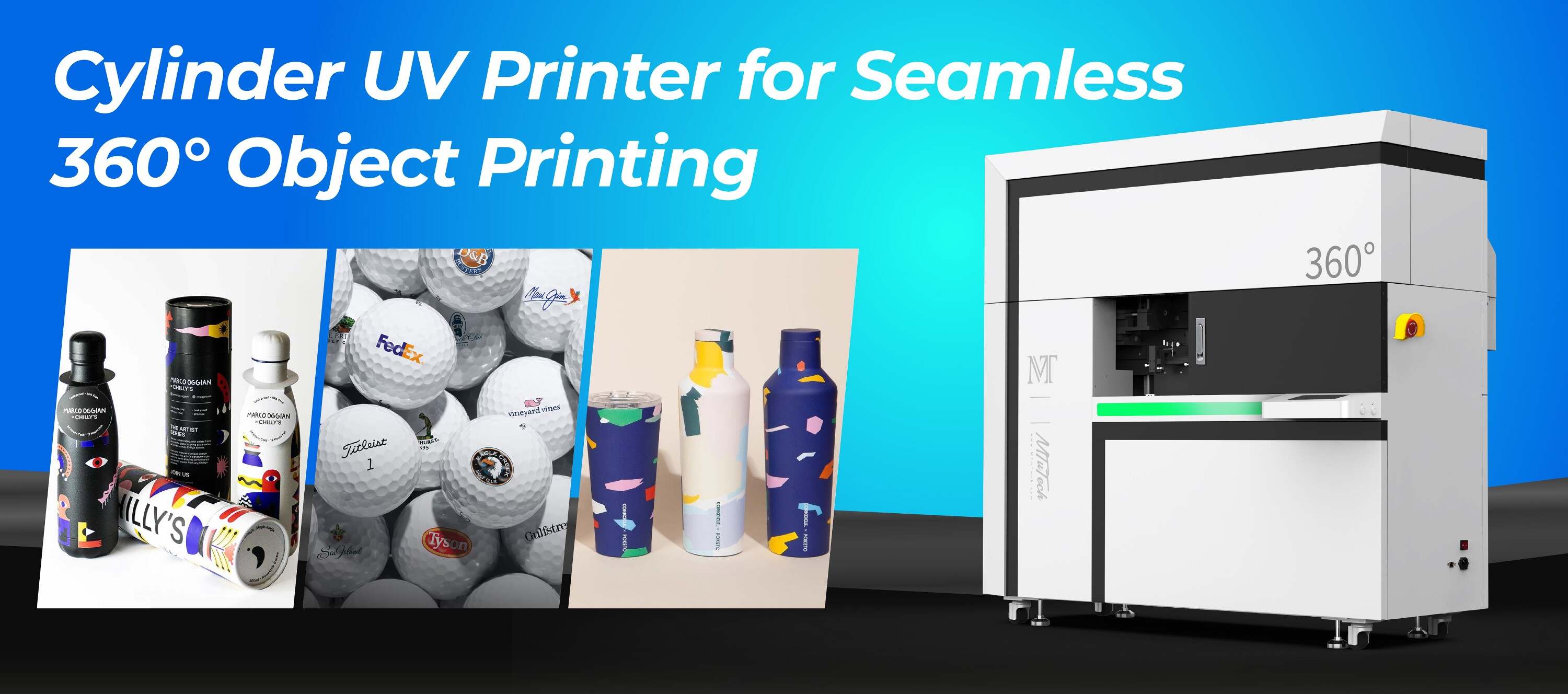
Cylinder UV Printing Business: Calculating Cost Per Revolution
Introduction
Cylinder UV printing has revolutionized the custom printing industry by enabling the production of high-quality prints on cylindrical objects. Whether you're in the business of promotional items, packaging, or customized gifts, understanding the cost per revolution is vital for optimizing your pricing strategy and ensuring profitability. This blog post will guide you through evaluating the cost per revolution for Cylinder UV printing, helping you make informed decisions to grow your business successfully.
Understanding Cylinder UV Printing
Cylinder UV printing describes the process of printing directly onto cylindrical surfaces, utilizing ultraviolet light to cure the ink as it is printed. This method has several notable advantages compared to traditional printing techniques:
·
Versatility: Able to print on various materials including plastic, glass, metal, and wood.
·
·
Durability: UV-cured inks are resistant to fading, scratches, and water damage, ensuring long-lasting results.
·
·
Eco-Friendliness: UV printing is a more environmentally friendly option, emitting fewer volatile organic compounds (VOCs) than conventional inks.
·
Key Factors in Calculating Cost Per Revolution
When calculating the cost per revolution for a Cylinder UV printing business, several factors come into play. Each component contributes to the total operational cost and, ultimately, the pricing structure of your prints. Here are the essential factors to consider:
1. Material Costs
The type of material you choose to print upon significantly impacts your overall costs. Different substrates, such as glass, metal, or plastic, can vary dramatically in price. To accurately calculate material costs:
·
Determine the price per unit of the substrate.
·
·
Consider the size and shape of the items being printed.
·
·
Factor in any waste material that may occur during the printing process.
·
2. Ink Costs
The price of UV ink is another crucial factor in your cost calculation. Similar to substrates, ink prices can vary based on the brand and quality you choose. Keep the following in mind:
·
Calculate the cost of ink per revolution based on the amount used per unit.
·
·
Monitor ink usage closely to minimize waste and improve cost-efficiency.
·
3. Labor Costs
Operational labor is often a significant cost in any printing business. When calculating labor costs:
·
Take into account the time taken to set up the machine and print.
·
·
Consider the hourly wage of your employees involved in the printing process.
·
·
Account for additional tasks, such as quality control and post-printing finishing processes.
·
4. Equipment Depreciation
Your Cylinder UV printer represents a substantial financial investment. Calculating its depreciation is essential to understanding the cost per revolution:
·
Estimate the lifespan of your printing equipment (in years).
·
·
Divide the total cost of the printer by the estimated number of revolutions it can perform throughout its lifespan.
·
5. Overhead Costs
Don’t forget to factor in your overhead costs. These might include utility bills, rent, maintenance, and other administrative expenses. To incorporate overhead into your calculations:
·
Determine your total monthly overhead costs.
·
·
Divide this figure by the number of print jobs you complete per month to find the overhead contribution per print job.
·
6. Profit Margin
Once you’ve calculated all of your costs, you’ll want to establish a profit margin. This percentage should reflect your business goals and market standards. To set your profit margin:
·
Consider industry benchmarks for similar printing services.
·
·
Factor in any additional value you provide, such as superior customer service or product quality.
·
Calculating Cost Per Revolution
After you've evaluated the above factors, it's time to calculate the actual cost per revolution. Here's a simple equation to follow:
Cost Per Revolution Formula
Cost Per Revolution = (Material Cost + Ink Cost + Labor Cost + Equipment Depreciation + Overhead Cost) / Number of Revolutions
This formula allows you to obtain a comprehensive understanding of the total cost associated with each print cycle, providing invaluable insight into your pricing strategy.
Benefits of Accurate Cost Calculation
Understanding your cost per revolution offers several advantages:
·
Enhanced Pricing Strategies: Knowledge of your costs equips you to set competitive prices that still ensure profitability.
·
·
Informed Financial Planning: Precise cost calculations improve your budgeting and financial forecasts, reducing the risk of unexpected expenses.
·
·
Operational Efficiency: Identifying areas to reduce costs leads to streamlined processes, ultimately increasing the bottom line.
·
Conclusion
In the competitive world of Cylinder UV printing, mastering the art of calculating cost per revolution is essential for sustainable success. By thoroughly evaluating material costs, ink usage, labor, equipment depreciation, overhead, and profit margins, you can accurately determine your pricing strategy and improve your business’s financial health. If you’re looking to expand your printing capabilities, explore our high-quality Cylinder UV printers to revolutionize your custom printing solutions.
FAQ
What is Cylinder UV printing?
Cylinder UV printing is a direct printing process on cylindrical objects using UV light to cure the ink instantly. This results in high-quality finishes that are vibrant and durable across various materials.
How do I determine the price of my printing services?
To determine the price of your printing services, you must calculate your cost per revolution, including material, ink, labor, equipment depreciation, and overhead costs, then add a suitable profit margin.
Can I reduce my cost per revolution?
Yes, you can reduce your cost per revolution by optimizing your processes, such as minimizing waste, streamlining labor, purchasing materials in bulk, and regularly maintaining your equipment.
Is UV printing environmentally friendly?
Yes, UV printing is generally considered more eco-friendly than traditional printing methods, as it emits lower levels of volatile organic compounds (VOCs) and uses less energy due to its quick curing times.