

 HOME
HOME PRODUCT CENTER
 ABOUT US
 DOWNLOAD CENTER
 SUPPORT CENTER
 SUBSCRIBE
 BLOG
BLOG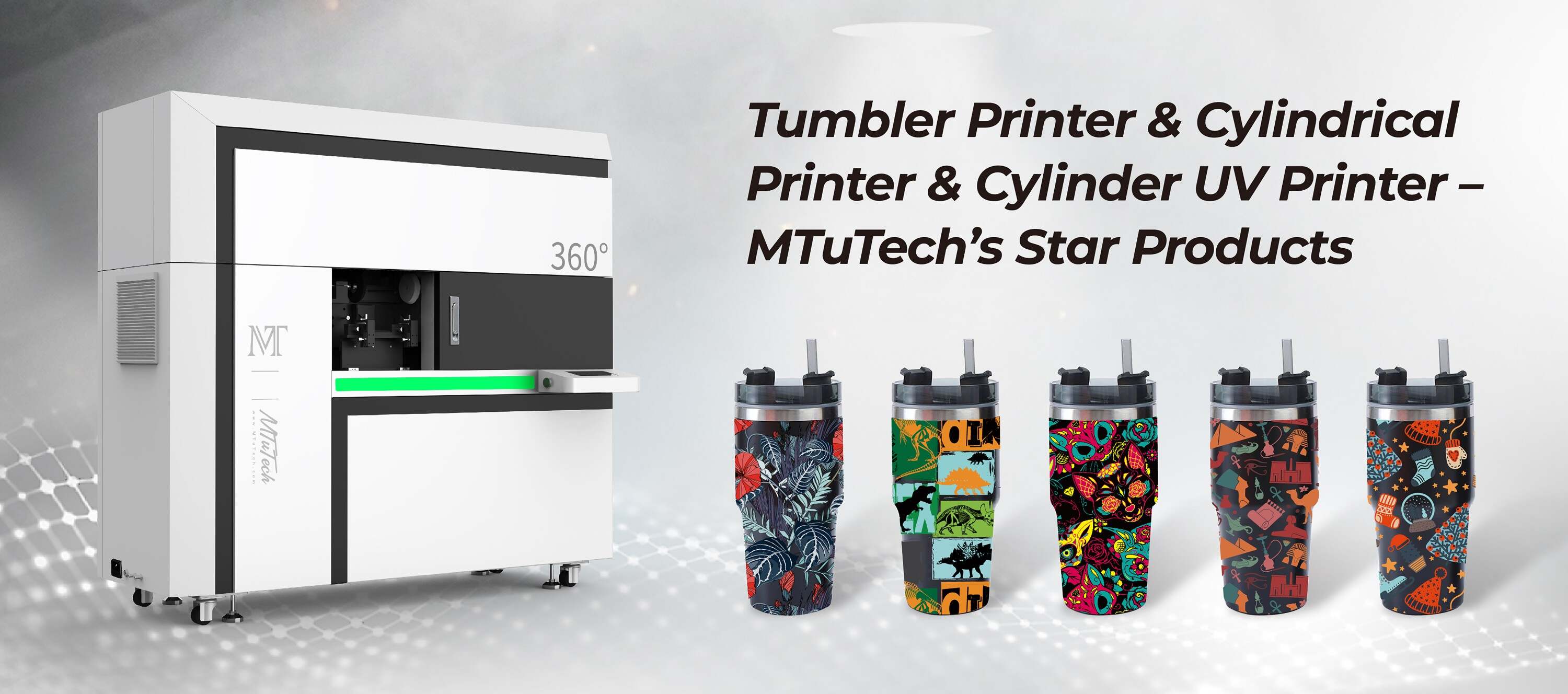
Cylindrical Printer Floor Loading Requirements for Industrial Models
Introduction
Cylindrical printers have become an essential tool in various industries, allowing for high-quality printing on a variety of cylindrical objects such as bottles, cans, and tubes. As these printers are increasingly integrated into production lines, understanding their floor loading requirements is crucial for efficient and safe operation. In this blog post, we will explore the loading requirements for industrial cylindrical printers, helping you make informed decisions for your workspace.
What are Floor Loading Requirements?
Floor loading requirements refer to the amount of weight that a floor can safely support. For industrial cylindrical printers, these requirements are especially important because the machinery can be heavy, and the dynamic forces during operation can lead to additional stress on the flooring. Failing to account for these requirements can result in serious safety hazards and costly damages.
Importance of Understanding Floor Loading Requirements
Grasping the floor loading requirements of cylindrical printers is vital for several reasons:
·
Safety: Ensuring that the floor can support the printer prevents accidents and injuries.
·
·
Operational Efficiency: Proper placement of printers reduces the risk of relocation issues and operational downtimes.
·
·
Equipment Longevity: Adequate floor support minimizes vibrations and damages, extending the life of your equipment.
·
Factors Influencing Floor Loading Requirements
Several factors determine the floor loading requirements for cylindrical printers:
Material of the Printer
The material and design of the cylindrical printer impact its weight and, consequently, the loading requirements. For example, printers made from heavy-duty steel may require stronger flooring than those made from aluminum or plastic.
Printer Size and Capacity
Industrial printers come in various sizes, and larger models generally have higher weight capacities. It's essential to account for this when assessing your floor's load-bearing ability.
Type of Floor
The type of flooring material also plays a significant role. Concrete floors typically have higher load-bearing capacity compared to wood or tile. Evaluating the existing floor's condition is equally important, as cracks or weaknesses can hinder its capacity to support heavy machinery.
Dynamic Loads
Cylindrical printers are not stationary; they generate dynamic loads during operation, which can exert additional forces on the flooring. Factors such as vibration, movement, and mechanical motion must be considered in your calculations.
Calculating Floor Loading Requirements
To determine the necessary floor loading capacity for your cylindrical printer, you can follow these steps:
1. Gather Equipment Specifications
Start by collecting the manufacturer's specifications for your cylindrical printer. Look for its weight, dimensions, and any specific floor loading recommendations they provide.
2. Calculate Total Load
The total load will not only include the weight of the printer but also any additional weight from materials, operators, and potential accessories. For example:
·
Printer weight: 1500 lbs
·
·
Additional materials: 200 lbs
·
·
Operator weight: 180 lbs
·
In this case, the total load would be 1880 lbs.
3. Assess the Floor’s Load Capacity
Different flooring materials have varying load capacities. For example, typical concrete floors can handle approximately 250 lbs per square foot, while wooden floors might only support 100 lbs per square foot. Make sure to measure the area where the printer will be placed and calculate its load capacity based on its dimensions.
4. Consider Safety Factors
Always include a safety margin in your calculations. It is recommended to add an additional 20-25% to accommodate potential dynamic loads and the natural wear and tear of flooring materials over time.
Best Practices for Placement of Cylindrical Printers
To further ensure proper operation and longevity of your cylindrical printer, consider these best practices for its placement:
Choose the Right Location
Placement should optimize workflow while ensuring safety. Avoid locations near heavy foot traffic or areas prone to vibration.
Use Proper Support Structures
If the existing flooring doesn’t meet the necessary load requirements, consider reinforcing it with support structures or placing the printer on a dedicated pad designed for heavy equipment.
Maintain Adequate Clearance
Leave sufficient space around the printer for maintenance and operation. This helps mitigate risks associated with movement and allows for easy access during servicing.
Regular Maintenance and Inspections
Once your cylindrical printer is in place, regular maintenance and inspections are crucial to ensure that the flooring remains viable:
·
Check for cracks, wear, or other signs of stress in the flooring regularly.
·
·
Inspect the printer and surrounding area for any signs of leakage or damage.
·
·
Conduct load assessments periodically to confirm the flooring’s integrity is maintained.
·
Conclusion
Understanding the floor loading requirements for your cylindrical printer is critical for ensuring safety, operational efficiency, and equipment longevity. By considering factors such as printer specifications, floor material, dynamic loads, and safety margins, you can create a well-prepared environment that maximizes productivity while safeguarding your resources. If you are looking for a reliable cylindrical printing solution that meets your production needs, explore our high-quality cylindrical printers here.
FAQ
What is the average weight of industrial cylindrical printers?
The average weight of industrial cylindrical printers can range from 1,500 to over 5,000 lbs depending on their size and capabilities. Always refer to the manufacturer's specifications for accurate weights.
What type of flooring is best for heavy machinery like cylindrical printers?
Concrete floors are generally preferred for heavy machinery as they have higher load-bearing capacities. Reinforced vinyl can also serve as an effective surface for additional cushioning.
How often should I inspect the floor under my cylindrical printer?
It is advisable to conduct inspections at least every six months, or more frequently if the printer is heavily used, to ensure that the flooring remains in good condition.
Can I use a cylindrical printer on a wooden floor?
While it may be possible, the load capacity of wooden flooring is often lower, making it important to evaluate the floor's condition and possibly reinforce it before placing heavy equipment.
What are some methods to reinforce flooring for heavy printers?
Reinforcement methods may include adding support beams, pouring additional concrete, or utilizing heavy-duty mats designed for industrial equipment to distribute the load evenly.