

 HOME
HOME PRODUCT CENTER
 ABOUT US
 DOWNLOAD CENTER
 SUPPORT CENTER
 SUBSCRIBE
 BLOG
BLOG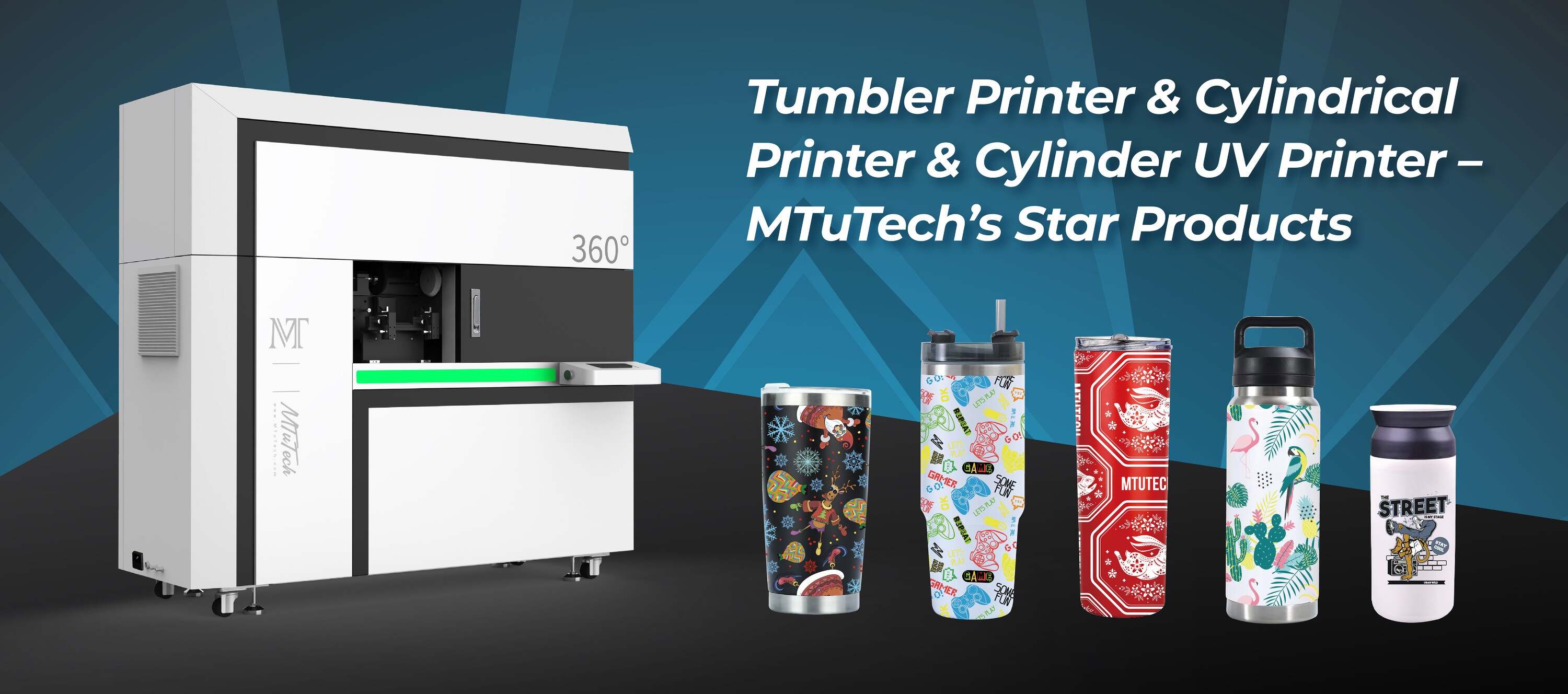
Cylindrical Printer Maximum Object Weight Capacity: Why It Matters
Introduction
In the world of printing technology, cylindrical printers have emerged as essential tools for businesses that require high-quality printing on irregular or round surfaces. Whether it’s for branding bottles, cans, or other cylindrical objects, the versatility of these printers cannot be overstated. However, one critical aspect that businesses often overlook is the maximum object weight capacity of cylindrical printers. Understanding this capacity is vital for optimizing production and ensuring successful printing results. In this blog post, we will dive deeper into why the weight capacity of cylindrical printers matters, its implications for businesses, and how to choose the right printer based on this crucial feature.
The Importance of Object Weight Capacity
The maximum object weight capacity of a cylindrical printer refers to the heaviest item that the equipment can effectively handle without compromising its performance or risking damage. This factor significantly influences various aspects of your printing operations.
1. Operational Efficiency
If your cylindrical printer has a low weight capacity, it may restrict the variety of items you can print on. This limitation can result in inefficiencies such as:
·
Reduced product offerings, limiting market reach.
·
·
Frequent changes in printing setups, increasing downtime.
·
·
Higher operational costs due to the need for additional printers or equipment.
·
Conversely, a printer with a higher weight capacity allows your business to diversify its product range, catering to various market demands while maximizing operational efficiency.
2. Quality of Print
The weight of the object can affect the quality of the print. Heavier objects may require more stability during the printing process. If a printer is overloaded, it may lead to:
·
Misalignments and skewing of printed images.
·
·
Inconsistent ink application.
·
·
Increased wear and tear on printer components.
·
Choosing a printer that can handle the weight of your objects without compromising performance is essential for producing high-quality results that elevate your brand.
3. Safety and Maintenance
Overloading a printer can lead to operational hazards and maintenance issues. A machine that is not designed for heavy objects is prone to:
·
Damaging its internal mechanisms.
·
·
Causing safety hazards, putting operators at risk.
·
·
Increasing maintenance costs due to frequent repairs.
·
By selecting a printer with an adequate weight capacity, you can enhance safety standards and reduce potential costs associated with equipment failure.
Factors Influencing Maximum Weight Capacity
Several factors influence the maximum weight capacity of a cylindrical printer. Understanding these can help businesses choose the most suitable printer for their needs.
1. Printer Design and Construction
The build quality and design of a cylindrical printer play significant roles in determining its maximum load capacity. Printers constructed with robust materials, such as high-grade metals, generally offer higher weight limits compared to those made from lighter materials. Features to look for include:
·
Reinforced support structures.
·
·
Adhesive properties for securing heavier objects.
·
·
Design that facilitates weight distribution.
·
2. Power and Stability
The motor and drive system of a cylindrical printer also influence its weight capacity. More powerful motors can handle greater weights without compromising performance. Additionally, the stability of the printing mechanism is crucial for high-quality printing, especially for heavier items. Look for:
·
High-torque motors.
·
·
Advanced stabilization technology.
·
·
Controls for adjusting load dynamics.
·
3. Compatibility with Various Materials
Different materials have varying weights and densities. A versatile cylindrical printer that can handle a wide range of materials, from lightweight plastics to heavier metals, will benefit businesses that aim for a diverse client base. Considerations include:
·
Material types that the printer can accommodate.
·
·
Customization options for specific printing requirements.
·
·
The printer's adjustability to handle different thicknesses and weights.
·
Choosing the Right Cylindrical Printer
Selecting the right cylindrical printer based on maximum object weight capacity involves assessing several key criteria. Here’s a guide to help you make an informed decision:
1. Define Your Printing Needs
Begin by clarifying your printing objectives. Determine the type of objects you will be printing on and their respective weights. This analysis will help you identify the weight capacity you require.
2. Research Available Options
Not all printers are created equal. Research various manufacturers and their products to find printers that align with your weight capacity requirements. Consider factors such as:
·
The maximum object weight listed by each manufacturer.
·
·
User reviews and feedback on performance.
·
·
After-sale support and warranty options.
·
3. Test Before You Buy
If possible, test the printer with actual objects you plan to use. Engaging in hands-on experience will give you insights into the printer’s performance and whether it meets your expectations regarding weight capacity and print quality.
4. Consult with Experts
Sometimes, expert opinions can provide valuable insights. Consulting with industry experts or dealers can guide you in selecting a printer that perfectly suits your specific weight capacity requirements.
Conclusion
In summary, the maximum object weight capacity of a cylindrical printer is a vital consideration for any business involved in custom printing. It impacts efficiency, print quality, safety, and maintenance. By carefully evaluating the various factors influencing weight capacity and following the steps for selecting the right printer, businesses can optimize their printing operations for enhanced output and customer satisfaction. Investing in a high-capacity cylindrical printer can ultimately lead to improved product offerings and a stronger competitive edge in the market. For those looking to elevate their custom UV printing solutions, explore our high-quality cylindrical printers here.
FAQ
What is the typical maximum weight capacity of cylindrical printers?
The maximum weight capacity of cylindrical printers can vary widely, typically ranging from a few kilograms to over 50 kg, depending on the model and manufacturer. It is crucial to consult the specifications of each printer to find the most suitable option for your needs.
How does object weight affect the printing process?
Heavier objects can influence stability, print quality, and alignment during the printing process. If a printer is overloaded, it may produce subpar results or suffer mechanical issues.
Are there special considerations for printing on heavier materials?
Yes, heavier materials may require specific printer features, such as powerful motors and enhanced stability systems, to ensure consistent and high-quality printing outcomes.
Can I use a cylindrical printer for different weight capacities?
Most cylindrical printers are designed to accommodate various weights, but it is advisable to stay within the manufacturer’s recommended limits to avoid damage and ensure optimal performance.
Is it necessary to maintain my cylindrical printer for maximum load capacity?
Absolutely. Regular maintenance ensures that the printer functions efficiently, especially when dealing with heavier objects. Proper care prevents wear and tear and ultimately extends the life of your equipment.