

 HOME
HOME PRODUCT CENTER
 ABOUT US
 DOWNLOAD CENTER
 SUPPORT CENTER
 SUBSCRIBE
 BLOG
BLOG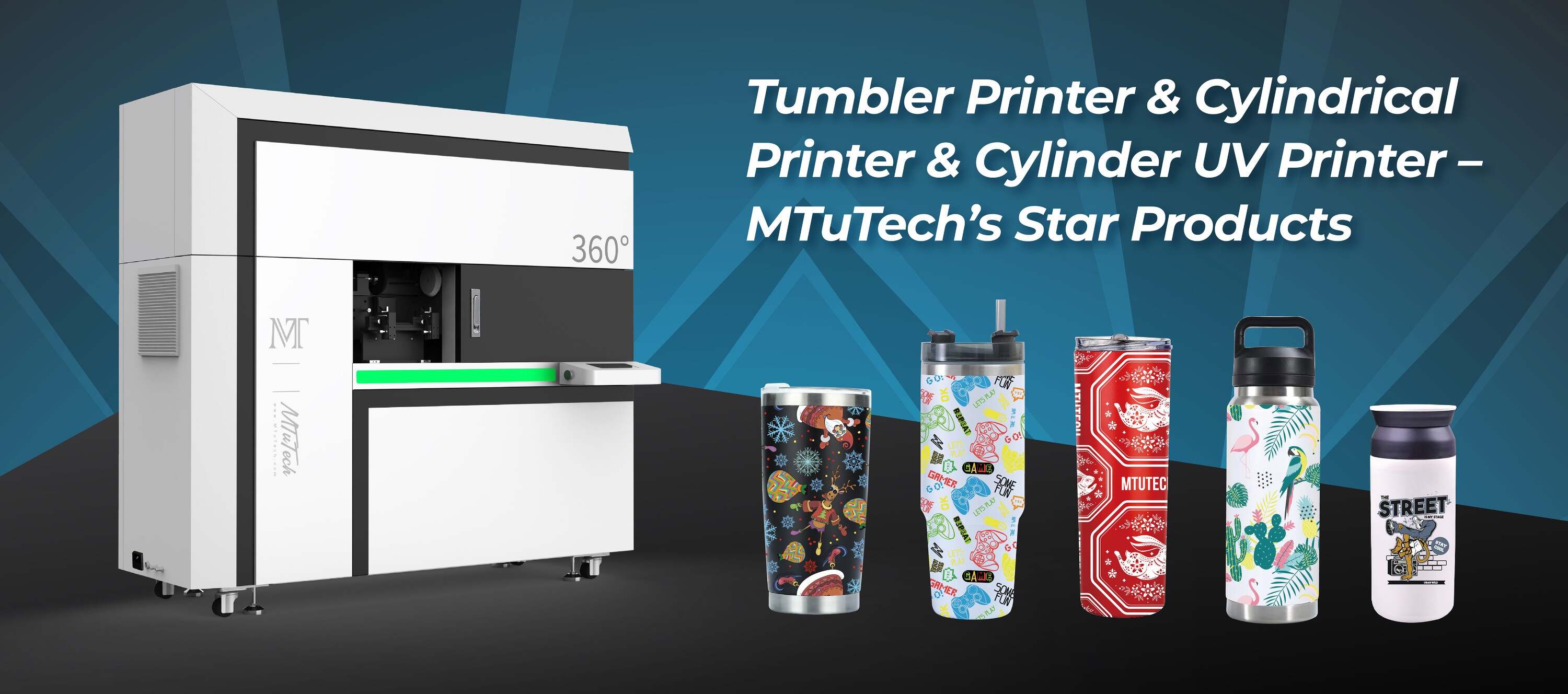
Cylindrical Printer Printhead Collision with Object Lips and Rims
Introduction
Cylindrical printing technology has transformed the way we approach decorative and functional printing on various surfaces, particularly in industries requiring prints on cylindrical objects such as bottles, cans, and tubes. However, one of the critical challenges in this process is managing printhead collisions with object lips and rims. These collisions can lead to costly production errors, equipment damage, and wasted materials. Understanding these collisions—and how to prevent them—is essential for anyone looking to optimize their cylindrical printing operations.
What is a Cylindrical Printer?
A cylindrical printer is a specialized type of printer designed to print on curved surfaces. Unlike traditional flatbed printers, cylindrical printers employ a unique mechanism that allows them to adapt to the contours of various cylindrical objects. This is commonly achieved through rotary printing technology, where objects are rotated as the printhead moves across the surface.
Key Features of Cylindrical Printers
·
Rotational Print Head: The printhead rotates around the object to achieve even distribution of ink.
·
·
Adaptive Height Adjustments: Modern printers can automatically adjust height according to the object’s dimensions.
·
·
High-Resolution Output: Cylindrical printers deliver high-quality and vibrant designs, making them suitable for both functional and aesthetic applications.
·
·
UV Printing Technology: Many cylindrical printers use UV technology, which cures the ink instantly, improving durability and drying time.
·
Understanding Printhead Collisions
Printhead collisions with the lips and rims of objects occur when the printhead comes into contact with protruding features of the object being printed. This could happen due to a variety of factors, including:
·
Incorrect Height Settings: If the height of the printhead is not properly calibrated, it can lead to collisions.
·
·
Object Variability: Differences in object dimensions can cause collisions, particularly with bespoke or non-standard shapes.
·
·
Inappropriate Speed Settings: Printing too quickly may not give the printer adequate time to react to changes in the object’s surface.
·
Consequences of Printhead Collisions
Collisions can lead to several serious issues, including:
·
Physical damage to the printhead.
·
·
Scratched or damaged printed surfaces.
·
·
Wasting ink and materials, resulting in increased operational costs.
·
·
Downtime and increased maintenance requirements, affecting overall productivity.
·
Preventing Printhead Collisions
Effective prevention strategies can significantly decrease the likelihood of printhead collisions. Here are some key practices you can adopt:
1. Proper Calibration
Before beginning any printing project, ensure that your printer's height is accurately calibrated. Most advanced cylindrical printers come equipped with sensors that detect the object’s surface and adjust the printhead accordingly. Regular maintenance and calibration checks are crucial.
2. Use of Soft Landing Mechanics
Some printers feature soft landing mechanisms that provide gentle support for the printhead as it approaches the object. This can help avoid abrupt collisions, allowing for smoother transitions during the printing process.
3. Implementing Collision Detection Sensors
Investing in printers that feature collision detection technology can identify potential collisions in real time. These systems allow the printer to halt operations before contact occurs, preventing damage to both the printhead and the object.
4. Adjusting Print Speed
To ensure safety and precision, consider lowering the print speed when working with intricate or irregularly shaped objects. This strategy gives the printer more time to react, reducing the risk of collisions.
5. Conducting Test Prints
Before finalizing any print job, run test prints using dummy objects or samples to test the dimensions and configurations. This practice allows you to identify potential collision areas and make necessary adjustments before commencing full-scale production.
Benefits of Using Cylindrical Printers
Aside from their ability to minimize printhead collisions, cylindrical printers provide numerous other advantages:
1. Versatility in Applications
Cylindrical printers are highly versatile and can be used for various applications, including packaging, labeling, and decorative printing across different industries such as beverage, cosmetics, and pharmaceuticals.
2. Enhanced Productivity
These printers can significantly speed up the printing process, reducing the time needed for setups and allowing for faster turnaround times without compromising print quality.
3. Cost-Efficiency
By optimizing the printing process and minimizing errors, companies can reduce material waste and overall production costs, making cylindrical printing more economically feasible.
Common Applications of Cylindrical Printing
Examples of successful cylindrical printing applications include:
·
Beverage Bottles: Printing on glass or plastic bottles for branding and labeling.
·
·
Cosmetics Containers: Custom designs on tubes and jars for personal care products.
·
·
Industrial Products: Marking serial numbers or important information on cylindrical components.
·
Conclusion
Understanding the complexities involved in cylindrical printing, particularly regarding printhead collisions with object lips and rims, is crucial for maximizing efficiency and minimizing errors in production. By implementing proper practices and utilizing advanced technologies, businesses can enhance the reliability of their cylindrical printing operations while delivering quality outputs. If you are looking to elevate your cylindrical printing capabilities, explore our high-quality cylindrical printers here and discover solutions tailored to your specific needs.
FAQ
What are the most common printhead collision scenarios?
Printhead collisions typically occur when the printer encounters protruding features such as lips, rims, or other irregularities on cylindrical objects. Common scenarios include uncalibrated height settings, irregular object shapes, or unexpected speeds during printing.
How can I determine the right height for my cylindrical printer?
Your cylindrical printer should come with guidelines for height calibration. Many models are equipped with sensors that automatically determine the appropriate height. Regular checks and adjustments based on the specific objects being printed are essential for optimal performance.
Can printhead collisions be completely avoided?
While it's challenging to completely eliminate the risk of printhead collisions, implementing best practices—such as proper calibration, collision detection systems, and test printing—can significantly reduce their likelihood.
What are the signs of a damaged printhead?
Common signs of a damaged printhead include uneven ink distribution, dropped or missing inks, poor print quality, and visible physical damage on the printhead itself. Regular maintenance can help catch issues before they escalate.
Are cylindrical printers suitable for small businesses?
Yes, cylindrical printers can be a great investment for small businesses, especially those in labeling, packaging, or custom product design. With high efficiency and reduced material waste, they can provide a solid return on investment.