

 HOME
HOME PRODUCT CENTER
 ABOUT US
 DOWNLOAD CENTER
 SUPPORT CENTER
 SUBSCRIBE
 BLOG
BLOG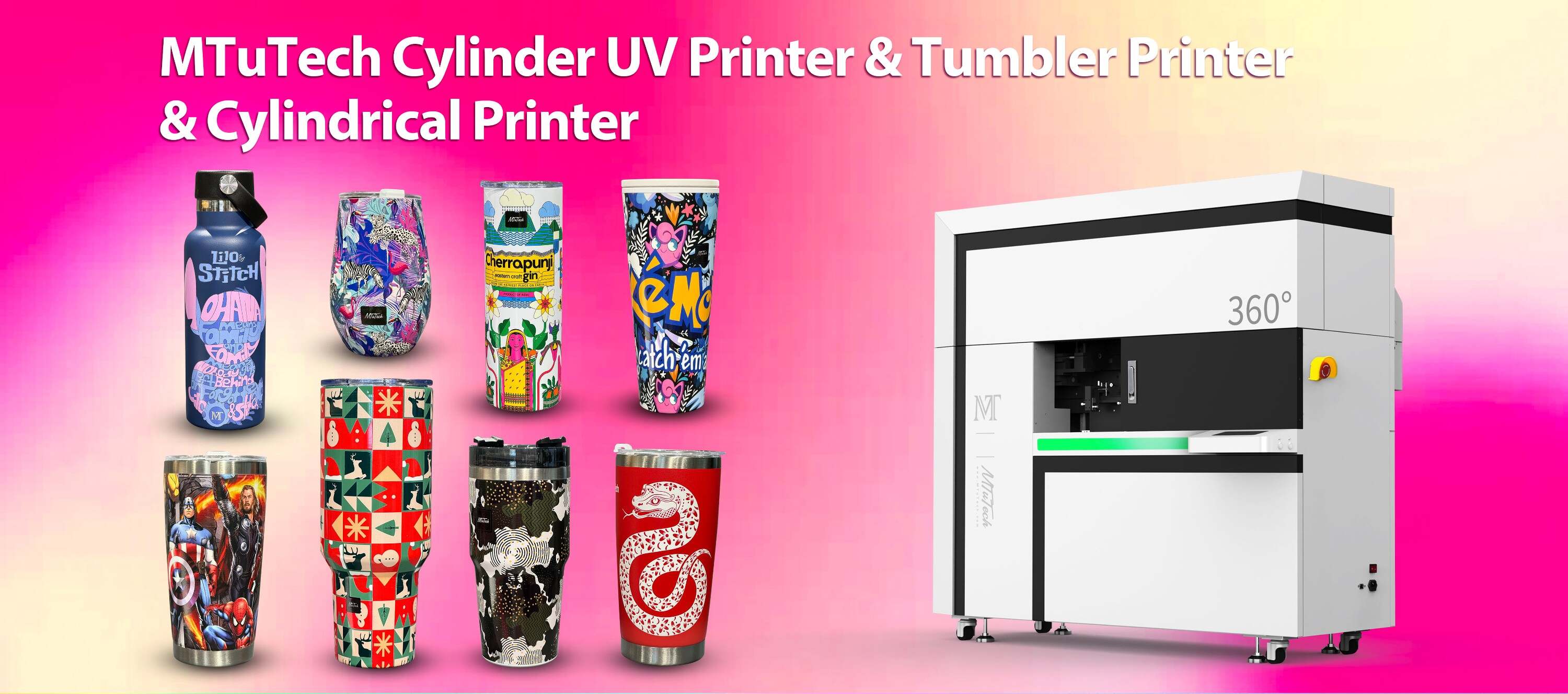
Cylindrical Printer Spindle Types: Live Center vs Dead Center Explained
Introduction
Cylindrical printers have revolutionized the way products are printed, especially in the realm of packaging and promotional materials. These printers utilize various spindle types to manage the rotation of the items being printed, but which one is the best for your needs? In this article, we will delve into the differences between the two primary spindle types: live centers and dead centers. We will explore their functionality, benefits, and ideal applications, helping you make an informed decision for your cylindrical printing needs.
What Are Cylindrical Printers?
Cylindrical printers are specialized machines designed to print on round objects, such as bottles, jars, cups, and even cylindrical promotional items. They utilize a rotating mechanism to ensure smooth, even application of ink across the surface of the product. The effectiveness of this process largely depends on the type of spindle used in the printer.
The Types of Printer Spindles
In cylindrical printing, the two predominant spindle types are live centers and dead centers. While both serve the essential purpose of stabilizing and rotating the printed object, their operational mechanisms and advantages differ significantly. Let’s take a closer look at each.
What is a Live Center Spindle?
A live center spindle is an advanced, dynamic mechanism designed to rotate in conjunction with the object being printed. This means that as the printer executes its task, the live center provides continuous support and allows for real-time adjustments to enhance precision.
Key Features of Live Center Spindles
·
Dynamic Movement: The center rotates, providing real-time support.
·
·
Higher Precision: Reduces potential printing defects due to better alignment.
·
·
Versatility: Accommodates a wide range of materials and shapes.
·
Benefits of Live Center Spindles
·
Improved Print Quality: The ability to rotate with the object results in fewer smudges and better ink adhesion.
·
·
Increased Speed: The dynamic nature of live centers enables faster printing cycles, boosting overall productivity.
·
·
Greater Operational Flexibility: Live centers can handle various sizes and materials, making them versatile for different printing jobs.
·
Applications of Live Center Spindles
Due to their advantages, live center spindles are ideal for:
·
High-speed production lines
·
·
Printing on uneven or textured surfaces
·
·
Detailed designs requiring higher precision
·
What is a Dead Center Spindle?
In contrast, a dead center spindle is a simpler mechanism that holds the object still during the printing process. The spindle does not rotate with the item; instead, it acts as a fixed point, allowing the cylindrical printer to apply ink while the object remains stationary.
Key Features of Dead Center Spindles
·
Fixed Position: Provides a steady base for printing.
·
·
Cost-Effective: Generally less expensive to produce and maintain.
·
·
Simplicity: Fewer moving parts lead to lower chances of mechanical failure.
·
Benefits of Dead Center Spindles
·
Lower Initial Costs: Because they are simpler in design, dead center spindles can be cheaper upfront.
·
·
Ease of Maintenance: Fewer components mean simpler maintenance routines.
·
·
Ideal for Certain Print Jobs: Effective for printing simple designs or on uniform surfaces.
·
Applications of Dead Center Spindles
Given their characteristics, dead center spindles work best for:
·
Low to medium-speed production lines
·
·
Basic designs and graphics
·
·
Objects that have uniform shapes
·
Live Center vs. Dead Center: A Quick Comparison
Understanding the primary differences between live and dead center spindles can help you decide which is suitable for your printing operations. Here’s a side-by-side comparison:
Feature | Live Center Spindle | Dead Center Spindle |
Movement | Rotates with the object | Fixed position |
Cost | Higher | Lower |
Precision | High | Moderate |
Speed | Fast | Slower |
Applications | Complex designs, various shapes | Basic designs, uniform shapes |
Choosing the Right Spindle for Your Needs
When deciding between a live center and a dead center spindle, consider the following factors:
·
Production Volume: Higher volumes may benefit from the speed and precision of live center spindles.
·
·
Type of Material: If you’re working with varying shapes or textures, live centers provide better adaptability.
·
·
Budget Constraints: Dead center spindles are more budget-friendly, making them a viable option for simple printing jobs.
·
For a more profound exploration into cylindrical printers and their spindle types, you can explore our high-quality Cylindrical printers here.
Conclusion
The choice between a live center and a dead center spindle ultimately comes down to your specific needs in cylindrical printing. Live center spindles offer advanced capabilities for complex designs and high-speed production, while dead center spindles provide a cost-effective solution for simpler printing tasks. Understanding these key differences will empower you to make the best decision for your printing operations and enhance the quality and efficiency of your work.
FAQ
What is the main difference between live center and dead center spindles?
The primary difference is that a live center spindle rotates with the object being printed, providing real-time support and enhanced precision. In contrast, a dead center spindle holds the object stationary during the printing process.
Which spindle type is better for high-speed production?
Live center spindles are generally better for high-speed production due to their ability to rotate with the item, allowing for faster printing cycles and greater precision.
Are dead center spindles more affordable?
Yes, dead center spindles are typically more affordable due to their simpler design and fewer moving parts, leading to lower initial costs and maintenance expenses.
Can I use a live center spindle for all types of printing?
While live center spindles are versatile and can handle many different printing tasks, dead center spindles may be more suitable for simpler designs or uniform objects due to their fixed position.
How do I determine the best spindle for my business?
Consider your production volume, the materials you will be printing on, the complexity of your designs, and your budget. Assessing these factors will help you select the most appropriate spindle type for your specific needs.