

 HOME
HOME PRODUCT CENTER
 ABOUT US
 DOWNLOAD CENTER
 SUPPORT CENTER
 SUBSCRIBE
 BLOG
BLOG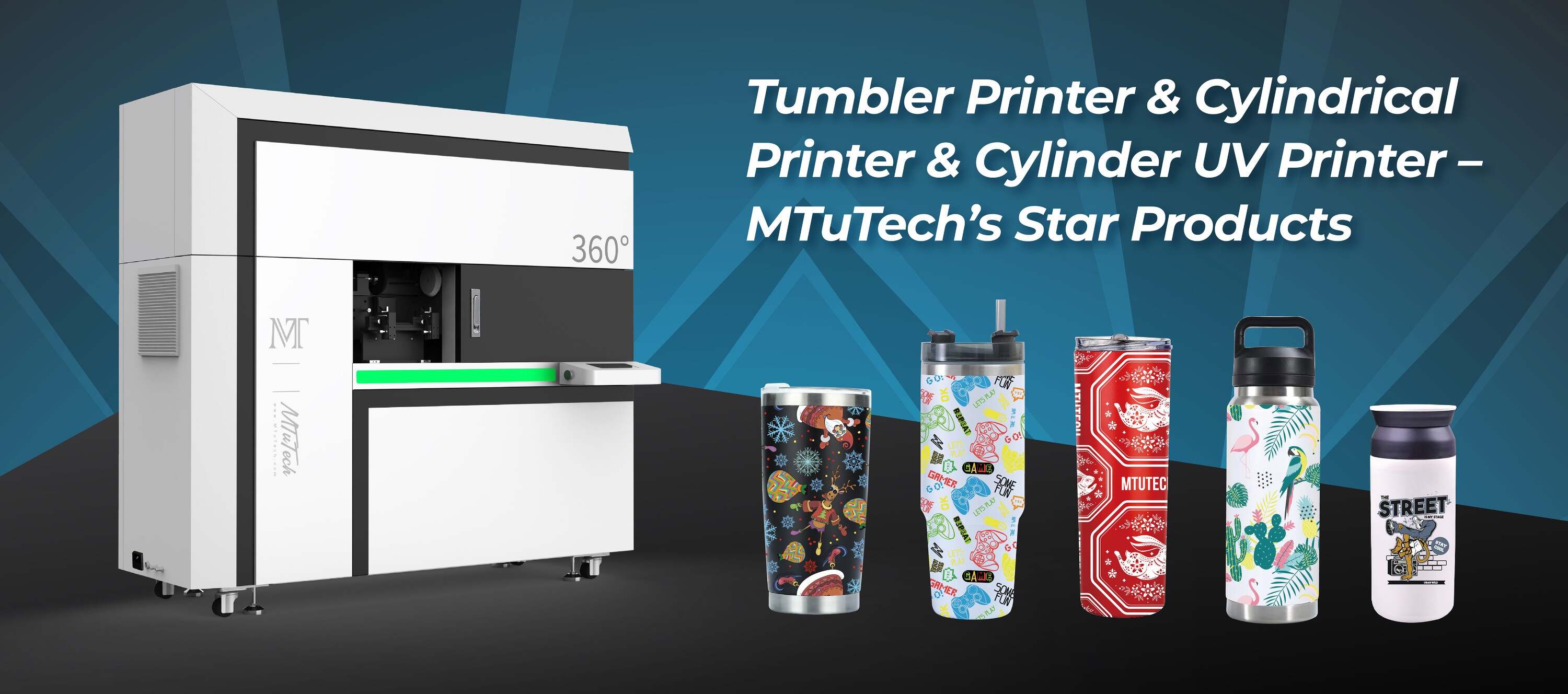
Cylindrical Printing for Pharmaceutical Packaging: Compliance Requirements
Introduction
In the fast-paced world of pharmaceuticals, packaging plays a critical role not only in marketing but also in ensuring compliance with stringent regulations. One of the most effective and innovative techniques in this area is cylindrical printing. This method is increasingly adopted by pharmaceutical companies to enhance the integrity and visibility of their product packaging. However, with its advantages come a set of compliance requirements that must be diligently followed. This article delves into the intricacies of cylindrical printing and the associated compliance requisites within the pharmaceutical sector.
What is Cylindrical Printing?
Cylindrical printing refers to the process of printing on cylindrical objects, which is particularly useful for packaging bottles, vials, and tubes commonly found in the pharmaceutical industry. This printing technique utilizes advanced technology to deliver high-quality graphics, barcodes, and essential labeling on a variety of cylindrical surfaces. The precision and detail achievable through this method are paramount, particularly when it comes to compliance with regulatory mandates.
Benefits of Cylindrical Printing in Pharmaceutical Packaging
Cylindrical printing offers a myriad of benefits that go beyond aesthetics. Here are some key advantages:
·
Enhanced Visibility: The 360-degree printing capability allows for comprehensive information dissemination, making it easier for consumers and healthcare providers to access critical data.
·
·
Compliance with Regulations: Cylindrical printing can accommodate the detailed labeling requirements dictated by health authorities.
·
·
Durability: The advanced inks and techniques used in cylindrical printing ensure resistance to scratches, chemicals, and fading, crucial for products with long shelf lives.
·
·
Eco-Friendly Options: Many cylindrical printers utilize sustainable inks and materials, supporting the industry's growing emphasis on environmental responsibility.
·
Compliance Requirements in Pharmaceutical Packaging
Compliance in pharmaceutical packaging isn't merely about aesthetics; it involves strict adherence to various guidelines set forth by health regulatory agencies. Here are some notable requirements relevant to cylindrical printing:
Regulatory Standards
Leading organizations, such as the Food and Drug Administration (FDA) in the United States and the European Medicines Agency (EMA) in Europe, impose rigorous standards to ensure safety and efficacy. Key aspects include:
·
Labeling Requirements: Labels must include essential information such as active ingredients, dosage instructions, storage conditions, and expiration dates.
·
·
Readability: The font size and style must be easily readable to avoid any misinterpretation.
·
·
Safety Symbols: Incorporation of universally recognized symbols for hazards, warnings, and instructions is crucial.
·
Traceability and Serialization
With the rise of counterfeit medications, many countries have enacted laws demanding serialization of pharmaceutical products. This involves printing unique identifiers on each product package, which typically includes:
·
Unique serial number
·
·
National medicinal product code
·
·
Batch number
·
·
Expiration date
·
These elements must be integrated seamlessly using cylindrical printing technology to maintain compliance.
Quality Control and Assurance
Quality control (QC) is a vital aspect of pharmaceutical packaging compliance. Companies must implement rigorous QC measures to ensure that printed materials meet the required specifications. This includes:
·
Regular Testing: Conducting tests on print quality, ink adhesion, and resistance to environmental factors.
·
·
Documentation: Keeping detailed records of batch testing results and any corrections implemented.
·
·
Training: Ensuring all operational staff are educated on compliance requirements and quality standards.
·
Technologies Used in Cylindrical Printing
The technologies involved in cylindrical printing have seen significant advancements, allowing for improved efficiency and precision. Some of the leading technologies utilized are:
UV Printing
UV printing uses ultraviolet light to swiftly cure or dry the ink as it is printed. This method is preferred in the pharmaceutical industry due to its speed and ability to print on various surfaces without sacrificing quality.
Digital Printing
Digital printing enables direct printing from digital files, eliminating the need for traditional printing plates. This is advantageous for flexibility in design changes and smaller print runs.
Flexographic Printing
Flexographic printing employs flexible relief plates to lay down ink. This method is cost-effective for large volumes and allows for high-quality images at fast speeds.
Cylindrical Printer Maintenance for Compliance
To maintain the efficacy and compliance of cylindrical printing, regular maintenance of the printing equipment is imperative. Here are some best practices:
·
Routine Calibration: Regular calibration ensures consistent print quality, which is crucial for labeling compliance.
·
·
Ink Management: Utilize the right inks that are approved for pharmaceutical use and maintain their quality.
·
·
Cleanliness: Maintain a clean printing environment to avoid contamination and defects in printed materials.
·
Conclusion
Cylindrical printing is an invaluable tool for pharmaceutical packaging, enhancing visibility, compliance, and the overall consumer experience. However, the intricacies of regulatory compliance require meticulous attention to detail, from labeling to quality assurance. By investing in high-quality cylindrical printing technology and adhering to the necessary compliance requirements, pharmaceutical companies can pave the way for success in a highly regulated market. For those looking to enhance their packaging solutions, explore our high-quality Cylindrical printers here.
FAQ
What are the main benefits of cylindrical printing for pharmaceutical packaging?
The main benefits include enhanced visibility for product information, compliance with labeling regulations, durability against wear and tear, and the option for eco-friendly materials.
What compliance standards must pharmaceutical companies adhere to regarding cylindrical printing?
Pharmaceutical companies must comply with labeling requirements, serialization regulations, and quality control standards set by organizations like the FDA and EMA.
How does serialization work in pharmaceutical packaging?
Serialization involves printing a unique identifier, such as a serial number and batch number, on each product package to prevent counterfeiting and ensure traceability.
What technologies are commonly used in cylindrical printing?
Common technologies include UV printing, digital printing, and flexographic printing, each offering unique advantages for quality and efficiency.
How can companies ensure compliance in their cylindrical printing processes?
Companies can ensure compliance by implementing regular quality control measures, maintaining accurate documentation, and training staff on compliance standards and best practices in printing.