

 HOME
HOME PRODUCT CENTER
 ABOUT US
 DOWNLOAD CENTER
 SUPPORT CENTER
 SUBSCRIBE
 BLOG
BLOG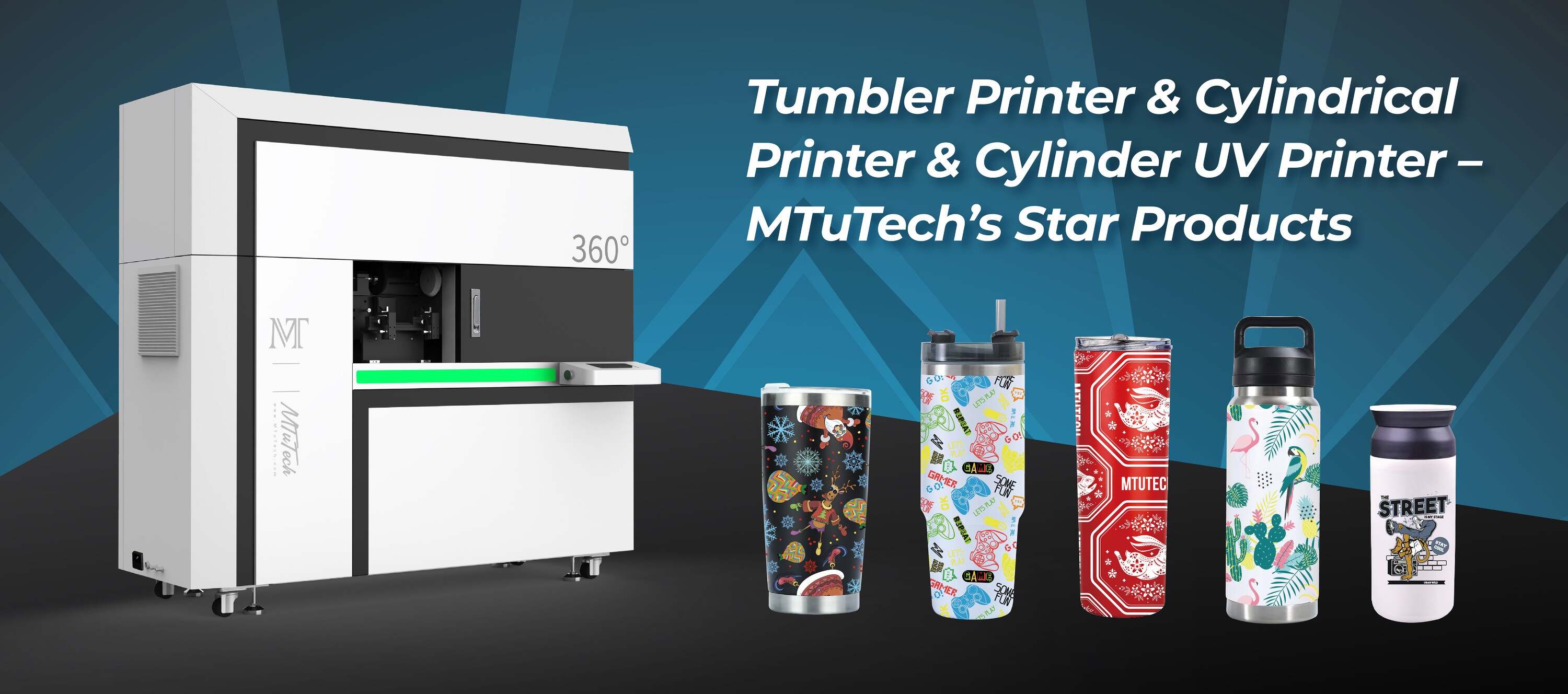
Design Guidelines for Cylindrical Print Layouts
Introduction
Cylindrical print layouts are increasingly popular in various industries due to their versatility and the unique aesthetic they offer. From packaging to promotional materials, printing on cylindrical surfaces allows businesses to create eye-catching designs that stand out. However, designing for cylindrical prints requires a different approach compared to flat surfaces. In this blog post, we will explore essential design guidelines for creating effective cylindrical print layouts that ensure your products not only look good but also effectively communicate your message.
Understanding Cylindrical Printing
Cylindrical printing involves applying designs to items with a cylindrical or rounded shape, such as bottles, cans, or tubes. The process requires specific considerations because the print wraps around a three-dimensional object. Ensuring that your design fits well on a cylindrical surface is crucial to maintaining its visual integrity and overall impact.
The Importance of Measurement
Before diving into the design phase, accurate measurements of the cylindrical object are vital. This includes:
·
Diameter of the cylinder
·
·
Height of the object
·
·
Wrap-around area (the total area to be printed on)
·
These measurements help in creating a design that fits perfectly without distortion or misalignment.
Choosing the Right Design Software
Selecting the right software can greatly enhance your design process. Programs like Adobe Illustrator and CorelDRAW are popular among designers for cylindrical layouts due to their scalability and precision tools. Ensure that the software you choose can handle complex vector graphics and includes features for twodimensional to three-dimensional transformations.
Core Design Guidelines
When designing cylindrical prints, keeping in mind several key guidelines will help ensure that your final product is both visually appealing and functional.
1. Begin with a Template
Using a template that reflects the exact dimensions of your cylindrical object can save time and reduce errors. Templates provide a visual guideline for layout, positioning, and overall design elements, giving you a better understanding of how the final print will look.
2. Focus on the Design Flow
When it comes to designing for cylinders, the flow of your design is paramount. Consider how your artwork flows around the cylindrical shape. Ensure that text and images do not appear cut off or disproportionately warped. It’s essential to have a cohesive visual flow that leads the viewer’s eye seamlessly around the design.
3. Maintain Readability
Text is often an essential component of product designs, but its readability can diminish when wrapped around a cylindrical surface. To enhance readability:
·
Use sans-serif fonts for better clarity.
·
·
Avoid overly complex typography.
·
·
Ensure text size is appropriate and contrasts with the background.
·
Position important information, such as brand names or key product details, at strategic locations where they can be easily seen and read.
4. Consider Color and Contrast
The choice of color can significantly impact the effectiveness of your cylindrical print design. Here are some tips on color usage:
·
Use high-contrast colors to enhance visibility.
·
·
Test colors against the actual material of the cylinder, as different surfaces can affect color perception.
·
·
Be mindful of the color psychology associated with your brand and product.
·
Also, ensure the colors represent your brand effectively and appeal to your target audience.
5. Incorporate Branding Elements
Your cylindrical print design should reflect your brand identity. Including consistent branding elements such as:
·
Logos
·
·
Taglines
·
·
Brand colors
·
Consistent branding contributes to recognition and helps establish trust with your consumers. Be sure to position these elements prominently within the design.
6. Use High-Quality Images
Any images used in your design should be high-resolution to ensure clarity and professionalism. Low-quality images will look pixelated when printed on cylindrical surfaces, diminishing the overall quality of your work. Make sure to use images that are at least 300 DPI (dots per inch) for optimal results.
7. Test Print Samples
Before finalizing your design, executing a test print is a wise step. This allows you to view the design in the physical form and assess elements like color, readability, and flow. Make necessary adjustments before proceeding to the final print run.
Technological Considerations
The advancements in printing technology, especially in cylindrical UV printing, have significantly transformed the approach to design. For creating customized designs effectively, it's essential to utilize the right printer technology. Explore our high-quality Cylinder UV printers here to enhance your printing capabilities and achieve stunning results.
Common Mistakes to Avoid
Mistake 1: Ignoring the Cylinder’s Texture
Different cylindrical materials, such as glass, plastic, or metal, will have varying textures. Not accounting for this can lead to problems with adherence and the overall finish of the print. Always consider the surface material when designing.
Mistake 2: Overloading with Information
A common pitfall is overcrowding the design with too much information. This often makes the design cluttered and overwhelming. Focus on key messages and visuals that will resonate with the audience while keeping it clean and straightforward.
Mistake 3: Disregarding Production Limitations
Understanding the capabilities and limitations of your printing technology is crucial. Designs that are too intricate or detailed may not translate well onto cylindrical surfaces. Always consult with your print provider to ensure your design is feasible.
Conclusion
Designing cylindrical print layouts requires a unique set of skills and considerations. By adhering to these guidelines, you can create visually striking and effective designs that capture the essence of your brand while effectively communicating your message. From accuracy in measurements to thoughtful design flow and color choices, each element plays a vital role in ensuring a successful cylindrical print. Remember, the key is to maintain clarity and quality throughout the design process, and with the right approach, the possibilities are endless.
FAQ
What materials can I use for cylindrical printing?
Cylindrical printing can be done on a variety of materials including glass, plastic, metal, and even paper. The choice of material often depends on the end use of the printed product.
How do I know what sizes to use for my cylindrical print design?
The sizes depend on the specific dimensions of the cylinder being used. Measure the height and diameter accurately, and consider the wrap-around area where the design will be displayed.
Is it necessary to use a professional printer for cylindrical designs?
While DIY methods can be used for small projects, a professional printer offers expertise in quality, material compatibility, and finishing touches, which can significantly enhance the final product's appeal.
Can I use photographs in my cylindrical designs?
Yes, high-resolution photographs can be effectively used in cylindrical designs. Just ensure they are of sufficient quality (300 DPI) to maintain clarity and professionalism.
What are the best practices for text placement in cylindrical designs?
Place text where it is easily read, avoiding areas that might be cut off due to the curvature. Ensure a clear, readable font and maintain a smooth flow with the design elements to enhance visibility.