

 HOME
HOME PRODUCT CENTER
 ABOUT US
 DOWNLOAD CENTER
 SUPPORT CENTER
 SUBSCRIBE
 BLOG
BLOG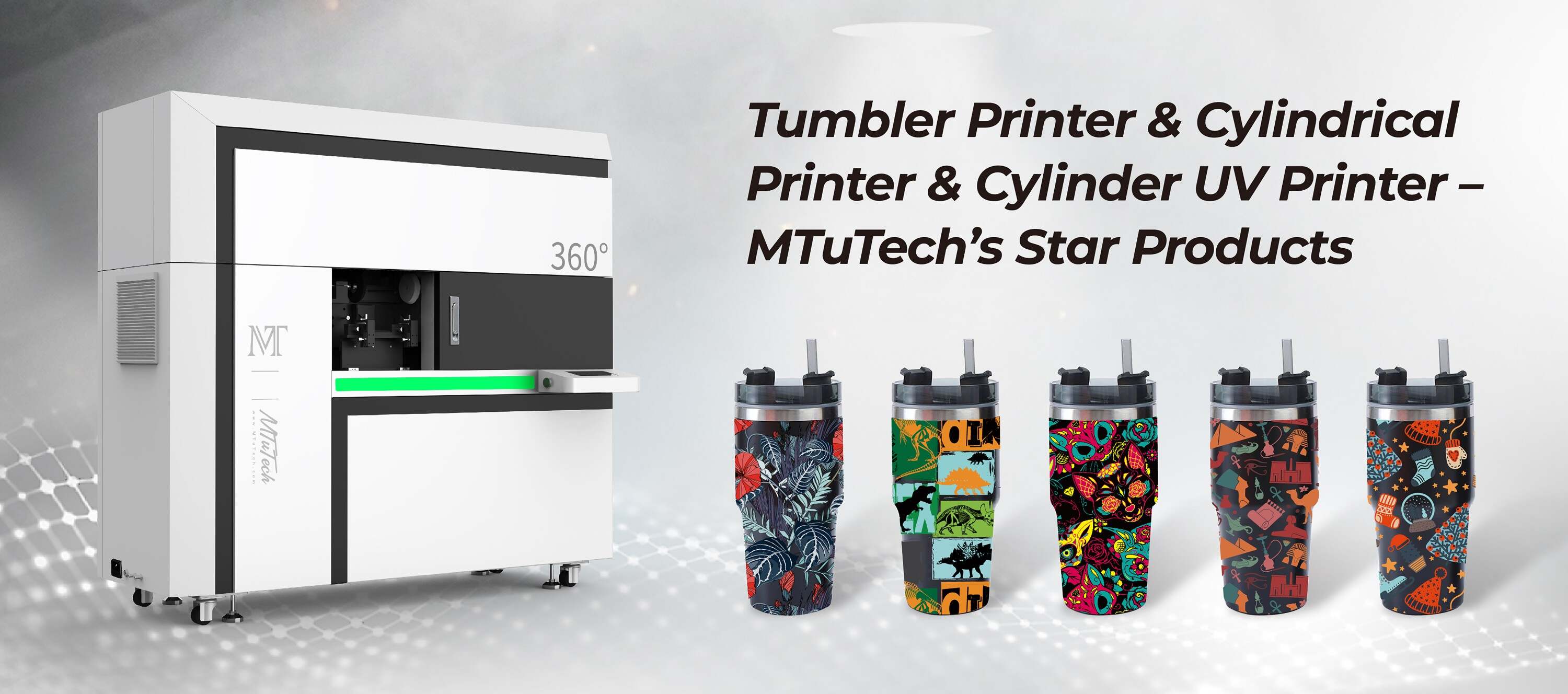
Guide to Choosing the Right Rotary Jig for Tumblers
Introduction
When it comes to crafting custom tumblers, precision and efficiency are key. Whether you are starting a small business or pursuing a DIY project, having the right tools can make all the difference. Among the essential tools for enhancing your tumbler-making process is the rotary jig. This guide will help you understand the various types of rotary jigs available, their benefits, and how to choose the right one for your specific needs.
What is a Rotary Jig?
A rotary jig is a device that supports the tumbler while it is being printed, coated, or decorated. The jig rotates the tumbler, allowing for even coverage and application of materials such as epoxy, paint, or heat transfer vinyl. This ensures that your designs look professional and are applied uniformly, which is crucial for both appearance and durability.
Benefits of Using a Rotary Jig
Investing in a rotary jig has several advantages that can optimize your tumbler crafting process:
·
Even Coating: Rotary jigs facilitate an even application of coatings, reducing the risk of drips and streaks.
·
·
Increased Efficiency: The rotary function allows you to multitask, minimizing the time spent on each piece.
·
·
Versatility: Many rotary jigs can accommodate various types of tumblers, including stainless steel, plastic, and more.
·
·
Better Precision: Achieve intricate designs with ease, as the jig stabilizes the tumbler while turning.
·
Factors to Consider When Choosing a Rotary Jig
When searching for the ideal rotary jig for your tumblers, consider the following factors:
1. Size and Compatibility
Make sure the jig can comfortably fit the tumblers you plan to work with. Look for adjustable models that can accommodate various sizes, from small drinkware to larger tumblers.
2. Material Quality
The durability of the materials used in the construction of the rotary jig is vital. Choose a jig made from high-quality metal or sturdy plastic to ensure that it can withstand the rigors of frequent use.
3. Rotation Speed and Motor Type
The speed and type of motor used in the rotary jig are critical for efficiency. Some models offer variable speed settings, allowing you to adjust the rotation based on the specific requirements of your project.
4. Ease of Use
A user-friendly design will save you time and frustration. Look for features such as a quick-release mechanism for easy loading and unloading of tumblers.
5. Stability
Ensure that the jig has a stable base to prevent wobbling during rotation. A solid foundation is crucial for achieving precise designs.
6. Price and Budget
Rotary jigs come in various price ranges. Assess your budget and consider which features are essential for your crafting needs. Sometimes, investing in a higher-end model can save you money in the long run through better performance and durability.
Types of Rotary Jigs
Understanding the different types of rotary jigs available can assist you in making an informed choice:
1. Manual Rotary Jigs
These jigs require you to physically rotate the tumbler, which can be labor-intensive. However, they are generally more affordable and are suitable for small projects or hobbyists.
2. Electric Rotary Jigs
Electric models offer hands-free operation, allowing you to focus on applying designs or coatings. These jigs can be more expensive but often provide greater efficiency and better results.
3. Adjustable Rotary Jigs
Some rotary jigs are designed to be adjustable, allowing them to fit a wider range of tumbler sizes. If you plan to work with various tumblers, this type could be highly beneficial.
4. Specialty Rotary Jigs
Certain jigs come with unique features designed for specific tasks, such as jigs that incorporate heating elements for curing epoxy. If you have a particular niche in tumbler creation, exploring specialty jigs may yield great results.
Maintenance Tips for Your Rotary Jig
To ensure the longevity and performance of your rotary jig, regular maintenance is essential:
·
Clean Regularly: Remove any residue or materials that may build up during the crafting process. Use a soft cloth and mild cleaner.
·
·
Check Connections: Periodically inspect all connections, especially for electric jigs, to ensure everything is secure and functioning properly.
·
·
Lubricate Moving Parts: If your jig has moving parts, lubricate them occasionally to prevent wear and ensure smooth operation.
·
Common Mistakes to Avoid
When using a rotary jig for tumblers, certain pitfalls are common. Avoid the following mistakes to achieve the best results:
·
Inadequate Testing: Always do a test run with scrap materials before working on your final tumbler.
·
·
Skipping Safety Precautions: Use safety gear, especially when working with adhesives and coatings.
·
·
Not Following Instructions: Ensure you read the user manual for your rotary jig to understand its features and capabilities.
·
Conclusion
Choosing the right rotary jig for tumblers is essential for achieving professional-quality results in your crafting. By considering factors such as size, material quality, rotation speed, ease of use, and budget, you can find the perfect fit for your needs. Remember to maintain your jig effectively and avoid common mistakes to ensure a smooth tumbler-making process. For those looking to expand their capabilities, explore our high-quality Tumbler printers here and see how they can enhance your projects.
FAQ
What is the best rotary jig for beginners?
For beginners, a manual rotary jig or an entry-level electric model is often the best choice. These models typically combine affordability with essential features suitable for starting out.
Can a rotary jig work with any tumbler size?
Not all rotary jigs are designed for every size of tumbler. It's crucial to choose a model that specifically mentions adjustable features or has compatibility with the sizes you plan to work with.
How much should I expect to spend on a rotary jig?
Prices for rotary jigs range widely based on features, size, and material. Expect to spend anywhere from $50 to over $300 depending on the specifications.
Are there any safety precautions I should take?
Yes, always use protective gear, such as gloves and goggles, when working with adhesives, paints, or coatings. Ensure your workspace is well-ventilated and clear of potential hazards.