

 HOME
HOME PRODUCT CENTER
 ABOUT US
 DOWNLOAD CENTER
 SUPPORT CENTER
 SUBSCRIBE
 BLOG
BLOG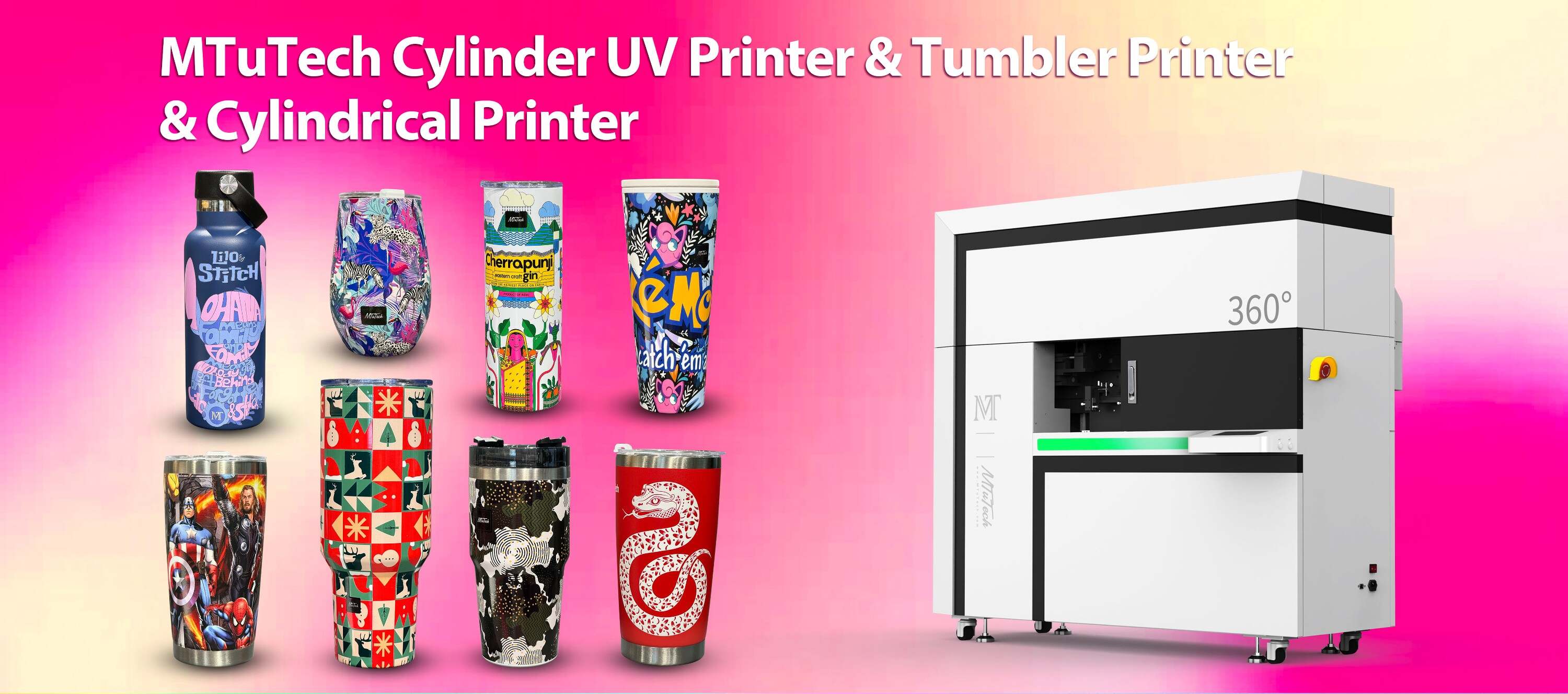
How to Achieve Perfect Color Matching on Cylindrical Surfaces
Introduction
Color matching is a critical aspect of printing, especially when working with cylindrical surfaces. Whether you are printing on bottles, cans, or other rounded objects, ensuring consistent and accurate color reproduction can be challenging. This blog explores techniques, tips, and technologies to achieve perfect color matching on cylindrical surfaces, providing valuable insights for businesses and individuals alike.
The Importance of Color Matching
Accurate color representation is crucial in many industries, including packaging, advertising, and product design. Here are a few reasons why achieving perfect color matching is vital:
·
Brand Consistency: Consistent colors help reinforce brand identity and recognition.
·
·
Consumer Trust: Accurate colors enhance customer satisfaction and trust in the product.
·
·
Competitive Advantage: Companies that master color matching can stand out in a crowded market.
·
Challenges of Color Matching on Cylindrical Surfaces
Printing on cylindrical surfaces poses unique challenges that can affect color accuracy. Understanding these challenges is the first step toward overcoming them.
1. Surface Texture and Finish
The texture and finish of the material can influence how colors appear once printed. For example, a glossy surface may reflect light differently than a matte finish, altering the perceived color.
2. Angle of Viewing
Cylindrical objects can be viewed from multiple angles, which may cause the color to shift based on the viewer's perspective. This phenomenon is known as metamerism and can complicate color matching efforts.
3. Ink Absorption and Interaction
Differing absorption rates across various materials can lead to color inconsistencies. For example, plastic may absorb ink differently than metal, impacting the final output.
Techniques for Achieving Perfect Color Matching
Achieving perfect color matching on cylindrical surfaces requires a systematic approach. Here are some techniques that can help:
1. Use High-Quality Color Proofing
Color proofing involves creating test prints of a design to evaluate colors before full production. Utilizing high-quality color proofing can provide a reliable reference to ensure accurate color reproduction on cylindrical surfaces.
2. Calibrate Your Equipment
Consistent color matching can't be achieved without regular calibration of printers and monitors. Use color calibration tools to ensure that your devices are accurately reproducing colors as expected.
3. Select the Right Inks
Different inks can yield varying results depending on the material. Always choose inks designed for the specific surface you are printing on, as this can significantly affect color accuracy.
Technologies Enhancing Color Matching
Advancements in printing technology have introduced innovative tools and techniques to assist in achieving perfect color matching. Some notable technologies include:
1. Spectrophotometers
Spectrophotometers are devices that measure color by quantifying how much light is absorbed or reflected at different wavelengths. These measurements can be used to create precise color formulations and to ensure consistency across different prints.
2. Color Management Software
Color management software facilitates the calibration and adjustment of colors throughout the production process. By creating a controlled color environment, operators can ensure that what they see on-screen matches what they get in print.
3. Cylinder UV Printers
Cylinder UV printers are specifically designed for cylindrical surfaces, allowing for high-quality prints with vibrant colors. These printers utilize UV curing technology to print durable, consistent, and vivid colors. Explore our high-quality Cylinder UV printers here for more information on how this technology can help you achieve perfect color matching.
Best Practices for Color Matching
Implementing best practices can enhance your color matching efforts significantly. Here are a few recommendations:
·
Conduct Regular Tests: Test prints should be an essential part of the production workflow to catch any discrepancies early.
·
·
Standardize Color References: Utilize a standardized color system, like Pantone, to ensure all stakeholders are on the same page regarding colors.
·
·
Document Everything: Keep a record of ink combinations, surface materials, and calibration protocols to maintain consistency in long-term projects.
·
Conclusion
Achieving perfect color matching on cylindrical surfaces is a multifaceted challenge that requires a thorough understanding of materials, technology, and processes. By applying the techniques and best practices outlined in this guide, you can ensure accurate color reproduction that meets the demands of your projects. Whether you are in the packaging industry or involved in custom printing, mastering these skills will enhance the quality and consistency of your work.
FAQ
What equipment do I need for color matching on cylindrical surfaces?
You will need a high-quality printer designed for cylindrical surfaces, a spectrophotometer for color measurement, and color management software to ensure accurate color calibration and reproduction.
Can I use the same inks for different materials?
It is not advisable to use the same inks for different materials as various substrates absorb ink differently. Always select inks suited for the specific material you are printing on to achieve optimal results.
How often should I calibrate my printer for color accuracy?
Regular calibration is essential, ideally before each print job or at least once a week. Frequent calibration can help maintain consistent color output and reduce discrepancies.
What are the benefits of using UV printers for cylindrical printing?
UV printers offer fast curing times, vibrant colors, and the ability to print on a variety of substrates, making them highly effective for cylindrical surfaces. They also provide excellent durability and resistance to fading.
How can I ensure consistency across multiple production runs?
To ensure consistency, document your processes meticulously, use standardized inks and color references, and perform regular tests and calibrations throughout production runs.