

 HOME
HOME PRODUCT CENTER
 ABOUT US
 DOWNLOAD CENTER
 SUPPORT CENTER
 SUBSCRIBE
 BLOG
BLOG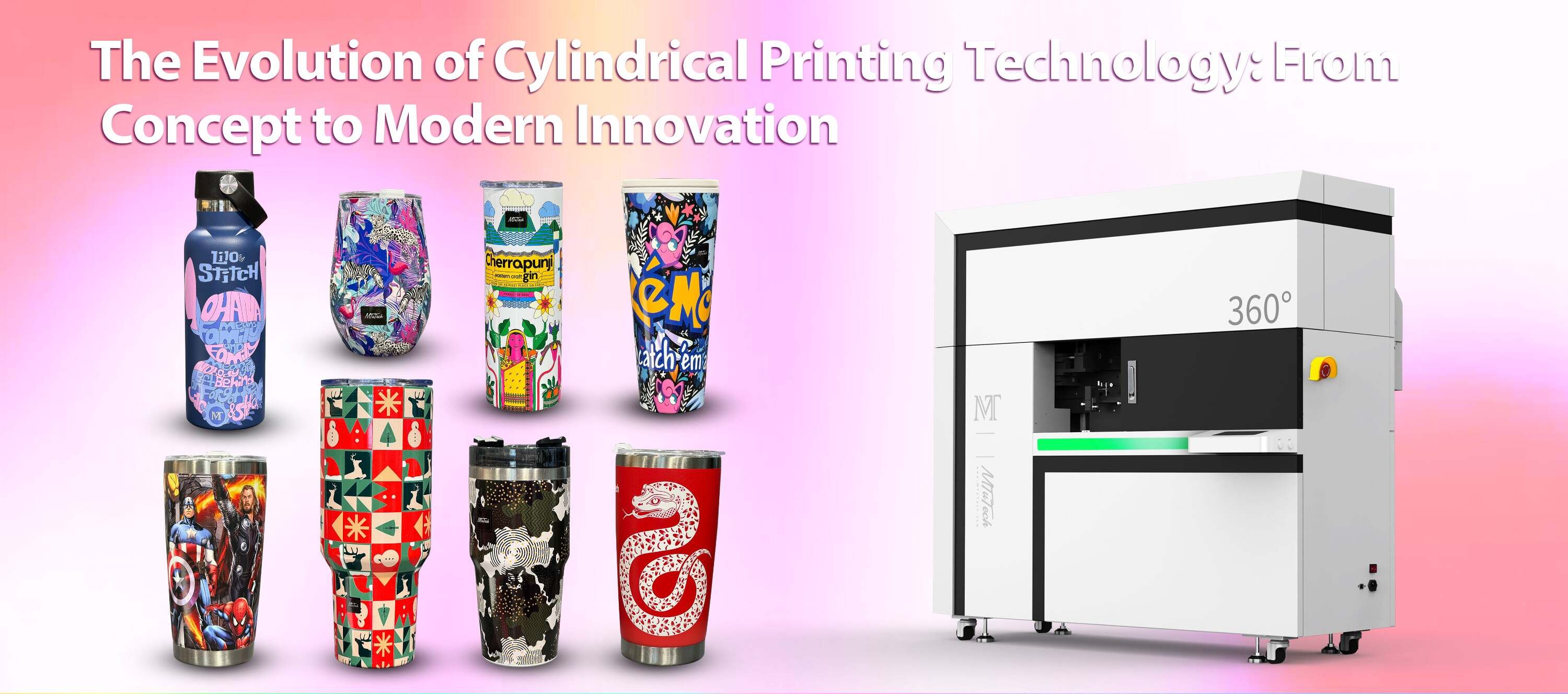
How to Integrate Cylinder UV Printers into a Hybrid Print Setup
Introduction
In today’s fast-paced printing industry, businesses are constantly seeking innovative ways to enhance their services and offer unique products. One method gaining traction is the integration of cylinder UV printers into a hybrid print setup. This combination allows for versatility in printing, catering to a wider range of materials and substrates. In this article, we'll explore the steps and considerations necessary for making this integration successful.
Understanding Cylinder UV Printers
Cylinder UV printers stand out because they utilize ultraviolet light to cure or dry inks as they are printed. This technology allows for vibrant colors, high detail, and the ability to print on a variety of surfaces, including plastic, glass, metal, and wood. The following are key features of cylinder UV printers:
·
Versatile Substrate Handling: They can print on cylindrical and non-traditional surfaces, broadening the range of products you can offer.
·
·
High Print Quality: The UV curing process allows for fast drying, resulting in sharp, vivid colors and intricate details.
·
·
Eco-Friendly Inks: UV inks have lower volatile organic compound (VOC) emissions, contributing to a more sustainable printing process.
·
Benefits of a Hybrid Print Setup
Integrating cylinder UV printers into a hybrid print setup brings multiple advantages:
·
Diverse Product Offerings: A hybrid setup allows printers to handle a wider array of products, from promotional items to custom gifts.
·
·
Increased Production Efficiency: Combining traditional and modern printing methods can streamline the production process, reducing lead times.
·
·
Cost-Effective Solutions: A hybrid setup can minimize waste materials, potentially lowering operational costs over time.
·
Steps to Integrate Cylinder UV Printers into Your Hybrid Setup
1. Assess Your Current Setup
Understanding your existing print environment is crucial. Evaluate the types of printers you currently use, the materials you print on, and your production workflow. Identify areas where the cylinder UV printer can enhance your operations, such as:
·
Customizing products that require specific finishes.
·
·
Printing on different materials that your current setup cannot handle.
·
·
Improving turnaround times for urgent projects.
·
2. Choose the Right Cylinder UV Printer
Not all cylinder UV printers are created equal. Depending on your business needs, consider the following when selecting a printer:
·
Print Size: Ensure the printer can accommodate the dimensions of the products you plan to print.
·
·
Speed and Output: Look for a model that matches your production demands.
·
·
Support and Maintenance: Choose a manufacturer that offers robust customer support and a service plan for maintenance issues.
·
To begin your search for suitable printers, explore our high-quality Cylinder UV printers here.
3. Train Your Team
User training is critical when introducing new equipment. Invest time in training your team on the specific capabilities, maintenance, and operational procedures of the cylinder UV printer. This could include:
·
Safety protocols for UV printing.
·
·
Setup and operation training.
·
·
Routine maintenance procedures to ensure longevity and optimal performance.
·
4. Integrate the Workflows
To maximize efficiency, ensure that the new cylinder UV printer can seamlessly integrate into your existing workflows. This may involve:
·
Adjusting design software to accommodate the printer’s specifications.
·
·
Revising production schedules to reflect the capabilities of the new printer.
·
·
Implementing a quality control system to monitor output across different printers.
·
5. Pilot Projects
Before fully committing to the integration, execute pilot projects. Allow your team to test the cylinder UV printer on smaller runs to identify any operational challenges. Use this time to:
·
Gather feedback from staff on usability and performance.
·
·
Analyze the quality of the prints produced.
·
·
Adjust processes based on performance findings.
·
6. Customer Education and Marketing
Once integrated, educate your customers about the innovative options now available. Use marketing to promote your new offerings effectively. Highlight unique selling points such as:
·
Customization possibilities and unique finishes.
·
·
Faster turnaround times for orders.
·
·
Eco-friendly printing solutions.
·
Challenges and Considerations
While there are many benefits to integrating cylinder UV printers, it’s essential to be aware of potential challenges:
·
Initial Costs: The upfront investment in new technology can be daunting, but consider it a long-term investment.
·
·
Maintenance Needs: Regular maintenance is vital for optimal performance, and may require staff to dedicate time and resources.
·
·
Market Acceptance: Ensure that your target audience is receptive to the new capabilities and offerings.
·
Conclusion
Integrating cylinder UV printers into a hybrid print setup can significantly enhance your printing capabilities and elevate your business offerings. By assessing your current setup, selecting the right printer, training your team, and focusing on seamless integration, you can position your print service for success. While there may be challenges ahead, the benefits are undeniable. Embracing this innovative technology not only improves efficiency but also opens the door to a wider array of creative possibilities.
FAQ
What materials can cylinder UV printers print on?
Cylinder UV printers can print on a wide range of materials, including plastics, glass, metal, wood, and various fabrics. This versatility allows for expanded product offerings.
How do cylinder UV printers differ from traditional printers?
Cylinder UV printers use ultraviolet light to cure inks as they are printed, allowing for immediate drying and vibrant color application. In contrast, traditional printers use methods that may require longer drying times and might be limited to specific substrates.
Are there specific maintenance requirements for cylinder UV printers?
Yes, routine maintenance is essential for cylinder UV printers to ensure consistent performance. This may include regular cleaning of the print heads, checking for ink quality, and ensuring that cooling systems are functioning properly.
What is the typical production speed of a cylinder UV printer?
The production speed can vary based on the model and settings used, but many modern cylinder UV printers are designed to offer high-speed printing to meet commercial production demands. It’s essential to check the specifications of the printer to find one that matches your needs.