

 HOME
HOME PRODUCT CENTER
 ABOUT US
 DOWNLOAD CENTER
 SUPPORT CENTER
 SUBSCRIBE
 BLOG
BLOGWhat Materials Can a UV Printer Print On? A Practical Compatibility Guide
When choosing a UV printer, one of the most important questions is simple: what materials can a UV printer print on?
The answer is broader than many businesses expect. UV printers can print directly onto a wide variety of rigid, semi-rigid, flexible, and specially shaped substrates, including acrylic, glass, wood, metal, plastic, PVC, leather, canvas, ceramic, stone, cardboard, and more. MTuTech’s UV printing solutions are designed for applications ranging from signage and packaging to customized promotional products and interior decoration.
However, material compatibility is not simply a matter of whether a surface is “hard” or “soft.” Ink adhesion, surface texture, material thickness, shape, pretreatment, and printer configuration can all affect the final result. This practical guide explains the most common UV printer materials, how to choose the right workflow, and what to test before production.
What Makes UV Printing Compatible With So Many Materials?
UV printing uses UV-curable ink that is cured by ultraviolet light during the printing process. Instead of relying primarily on evaporation or absorption, the printed ink is cured rapidly on the substrate, making direct printing possible across a much wider range of surfaces.
This is why UV technology is commonly used for materials that would be difficult to handle with conventional printing processes. MTuTech’s UV printer portfolio covers both rigid and flexible media, with flatbed, hybrid, and rotary configurations for different applications.
A key principle is that printer capability and material compatibility must be considered together. A flatbed UV printer may be ideal for large rigid boards, while a rotary UV printer is better suited to cylindrical products such as bottles, tumblers, and other round objects.
For businesses managing multiple product categories, exploring available UV Printers can help determine which machine configuration best matches the materials and dimensions involved.
Common UV Printer Materials: What Can You Print On?
The following table provides a practical overview of common substrates and their typical applications.
UV Printer Materials and Applications
Material | Typical UV Printing Applications | Key Considerations |
Acrylic | Signs, displays, awards, décor panels | Transparent and colored acrylic may require white ink |
Glass | Awards, decorative panels, bottles, drinkware | Adhesion and surface preparation are important |
Wood & MDF | Wall art, signs, furniture panels, décor | Surface smoothness affects image detail |
Metal & Aluminum | Industrial panels, signs, promotional products | Surface treatment may improve adhesion |
Plastic | Phone cases, containers, promotional products | Plastic type and surface energy can vary |
PVC / Foam Board | Signage, displays, POP graphics | Check board flatness and surface quality |
Ceramic / Porcelain | Tiles, gifts, decorative products | Surface finish and coating can affect adhesion |
Leather | Wallets, bags, covers, accessories | Flexible-ink requirements may vary |
Canvas | Wall art, photography, décor | Choose suitable flexible-media settings |
Vinyl & Flexible Media | Banners, graphics, decals and displays | Use a printer/ink configuration intended for flexible substrates |
Cardboard / Carton | Packaging prototypes, boxes, displays | Material construction and thickness should be tested |
Stone / Brick | Décor, architectural applications, specialty signage | Texture and porosity can affect image consistency |
MTuTech specifically lists materials including acrylic, canvas, paper, foam, wood, metal, plastic, glass, leather, stone, brick, porcelain, cardboard, and carton among the media supported by its UV printing systems.
Rigid Materials
Rigid substrates are among the most common UV printer materials.
Acrylic is widely used for signage, displays, decorative panels, awards, and retail graphics. Glass can be used for personalized décor, awards, panels, and selected cylindrical products. Wood and MDF are suitable for signs, wall art, furniture components, and decorative products.
Metal and aluminum are also important for industrial printing, control panels, signage, nameplates, and promotional products. Depending on the exact coating and finish, the surface may require additional preparation or adhesion testing before production.
Flexible and Semi-Flexible Materials
UV printing is not limited to rigid boards. Certain UV printer configurations can handle flexible media such as vinyl, coated fabrics, banners, canvas, wallpaper, and other display materials.
MTuTech’s roll-to-roll UV solution specifically covers applications such as backlit graphics, banners, leather, canvas, wallpaper, and other flexible media.
This makes UV printing useful for businesses that want to combine rigid signage production with customized displays and decorative graphics.
Choosing the Right UV Printer for Different Materials
Different substrates require different mechanical setups. The printer should be selected according to material shape, size, thickness, and production volume.
Flatbed UV Printing for Rigid Substrates
A flatbed configuration is generally suitable for boards, sheets, panels, and other relatively flat objects.
Typical materials include:
· Acrylic
· Glass
· Wood and MDF
· Metal and aluminum
· PVC
· Foam board
· Ceramic
· Stone
· Cardboard
MTuTech’s large-format flatbed systems are designed for rigid substrates and applications such as signage, home décor, advertising, and display production. Some models also support media with substantial thickness, making them suitable for more specialized objects.
Rotary UV Printing for Cylindrical Products
When the substrate is cylindrical or tapered, a rotary printing system can be more appropriate than a standard flatbed.
Common examples include:
· Bottles
· Tumblers
· Mugs
· Cans
· Cylindrical promotional products
· Decorative vessels
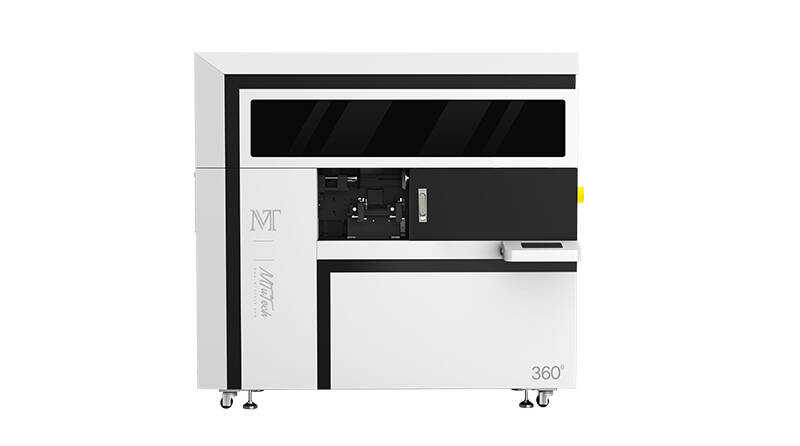
MTuTech’s 360 rotary UV printers are specifically designed for cylindrical objects and can print on materials such as plastic, glass, and metal.
Hybrid UV Printing for Mixed Workflows
Businesses handling both rigid and flexible media may benefit from a hybrid UV system.
Hybrid machines can expand the range of materials that can be produced without requiring completely separate production equipment. MTuTech’s hybrid UV solutions are positioned for rigid, flexible, promotional, signage, and décor applications.
What Factors Affect UV Printer Material Compatibility?
Even when a material is technically printable, achieving reliable production quality requires attention to several factors.
1. Surface Characteristics
Smooth, clean surfaces generally provide more predictable print results. Textured, porous, oily, or heavily coated substrates can behave differently because the ink may interact with the surface in different ways.
For materials such as glass, coated metal, and certain plastics, adhesion testing should be part of the production workflow.
2. Ink Adhesion
Not every UV ink behaves identically on every substrate. Material composition, coating, flexibility, and intended use can affect adhesion and durability.
For difficult materials, a suitable pretreatment or primer may be required. Testing a small sample before committing to a production run can prevent expensive reprints.
3. Material Shape and Height
A printer must physically accommodate the object.
For flat boards, the key considerations are print area, thickness, and vacuum holding. For three-dimensional objects, the operator must consider height variation, printhead clearance, object positioning, and whether a rotary attachment is required.
MTuTech’s visual positioning systems are designed to identify object location and orientation, which can be particularly useful when printing irregular or pre-shaped promotional products.
4. Color and Transparency
Transparent and dark substrates may require white ink to create a stronger visual foundation for CMYK colors.
For example, white underprinting can help maintain image brightness on transparent glass, acrylic, or colored materials. Clear and gloss effects can also be used when the printer supports those capabilities.
Step-by-Step Guide: How to Test a New UV Printer Material
Before adding a new substrate to regular production, follow a controlled testing process.
Step 1: Identify the Material
Record the exact material type, thickness, coating, finish, and manufacturer. “Plastic” or “metal” alone may not provide enough information because different formulations can have very different surface properties.
Step 2: Clean and Prepare the Surface
Remove dust, grease, fingerprints, and loose particles. For materials that require pretreatment, follow the recommended preparation method.
Step 3: Check Printer Compatibility
Confirm the material dimensions, thickness, weight, and shape against the printer’s specifications. Make sure the printhead clearance and media-holding system are suitable.
Step 4: Select an Appropriate Ink Configuration
Determine whether the standard UV ink setup is suitable or whether a configuration designed for flexible or specialty substrates is more appropriate.
Step 5: Run a Small Test Print
Start with a limited sample rather than a full production batch. Test color density, registration, surface adhesion, curing, and image detail.
Step 6: Perform Durability Testing
Depending on the application, evaluate resistance to scratching, rubbing, moisture, handling, or outdoor exposure. The required testing level should match the product’s expected service environment.
UV Printer Materials for Promotional Products and Customization
One of the strongest advantages of UV printing is the ability to customize finished products rather than simply printing flat sheets.
This includes phone cases, USB drives, badges, keychains, bottle openers, mirrors, trophies, gifts, leather goods, and other personalized objects. MTuTech highlights these applications across its small-format and visual-positioning UV solutions.
For print businesses targeting corporate gifts, branded merchandise, personalized products, and short-run customization, Promotional & Custom Products can be a natural extension of the UV printing workflow.
UV Printing for Interior Decoration
UV technology also creates opportunities beyond advertising and promotional products.
Wood panels, glass, ceramic tiles, canvas, wallpaper, and decorative surfaces can be digitally customized with images, patterns, textures, or branding. MTuTech’s applications include printed wood, ceramic, glass, canvas, wallpaper, and other decorative media.
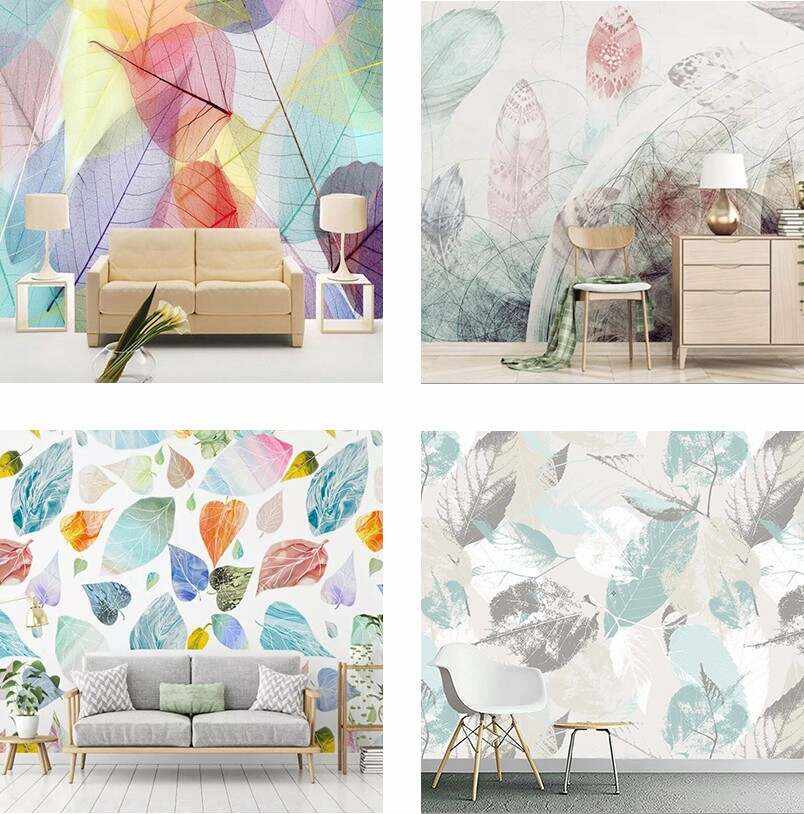
For businesses serving architecture, hospitality, retail, furniture, or residential projects, Interior Decoration applications can turn conventional surfaces into customized design elements.
Final Checklist: Is Your Material Ready for UV Printing?
Before production, check these five points:
Checkpoint | Question |
Surface | Is the material clean and suitable for ink adhesion? |
Shape | Is it flat, flexible, cylindrical, tapered, or irregular? |
Size | Does the printer support its dimensions and thickness? |
Ink | Is the selected ink suitable for the substrate? |
Durability | Does the finished print meet the product’s intended use? |
The most important lesson is that there is no universal “print anything” setting. A material may be printable in principle but still require the right printer configuration, ink, surface preparation, positioning method, or testing procedure.
For businesses comparing UV printer materials, the best approach is therefore to start with the products you actually need to manufacture and work backward toward the appropriate printer. MTuTech offers flatbed, hybrid, roll-to-roll, rotary, and visual-positioning UV solutions covering rigid substrates, flexible media, promotional products, signage, packaging, and décor applications.
Whether you are printing acrylic signs, wooden décor, metal panels, glass products, personalized gifts, or flexible graphics, matching the substrate to the correct UV printing workflow is the foundation for consistent quality and profitable production.