

 HOME
HOME PRODUCT CENTER
 ABOUT US
 DOWNLOAD CENTER
 SUPPORT CENTER
 SUBSCRIBE
 BLOG
BLOGDTG Printers for Cotton and Blended Fabrics
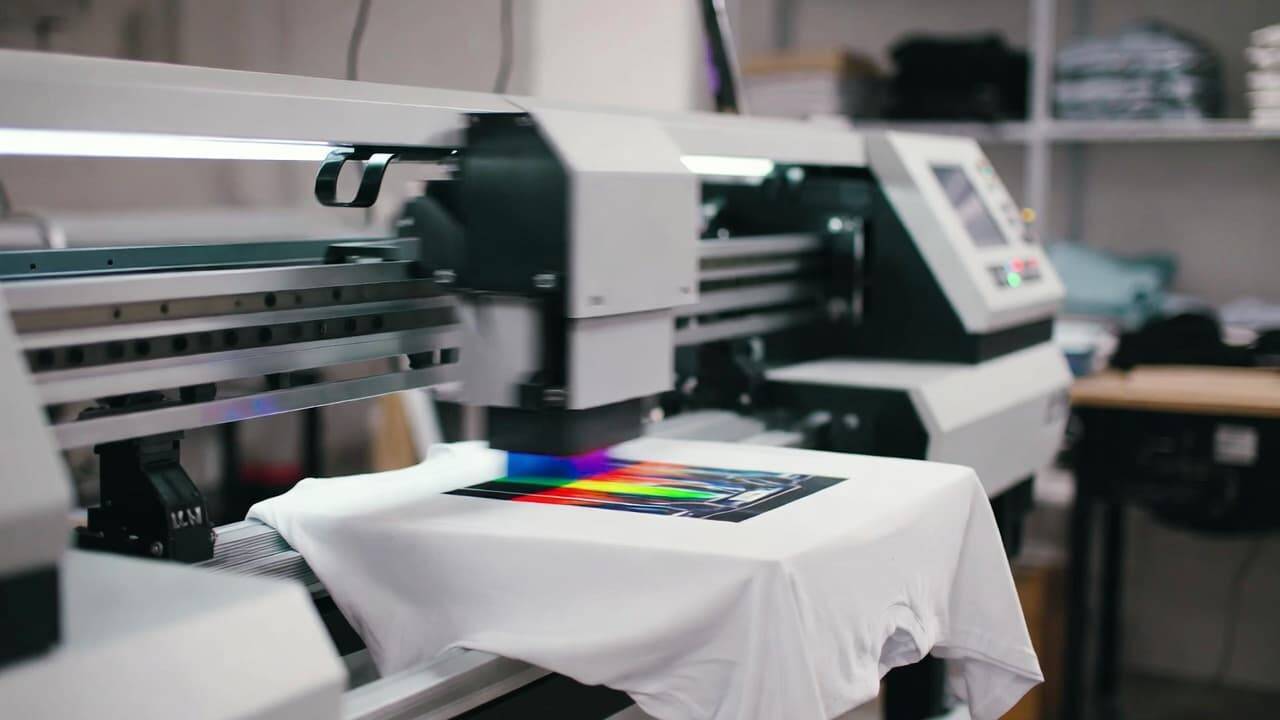
Direct-to-Garment printing, commonly known as DTG printing, has transformed the way businesses print on textiles. From custom apparel startups to large-scale garment decorators, DTG technology allows users to print highly detailed, full-color designs directly onto fabrics with remarkable precision. As demand for personalized clothing, short-run production, and sustainable printing grows, DTG printers have become an essential investment for modern print businesses.
In this comprehensive guide, we will explore how DTG printers work, why they are ideal for cotton and blended fabrics, the benefits they offer, the features to look for when selecting one, and how they compare to traditional printing methods. Whether you are starting a print-on-demand business or upgrading your equipment, understanding DTG technology will help you make the right decision.
Understanding DTG Printing Technology
DTG printing is a digital textile printing process that uses specialized inkjet technology to apply water-based inks directly onto garments. Unlike traditional methods such as screen printing, DTG does not require screens, stencils, or complex setup processes. Instead, the design is printed straight from a digital file onto the fabric.
The printer sprays ink into the fibers of the garment, allowing the design to become part of the material rather than sitting on top of it. This results in soft, breathable prints that maintain the natural feel of the fabric.
DTG printing is especially effective on cotton because cotton fibers absorb water-based inks efficiently. However, advancements in technology now allow excellent results on cotton-rich blends as well.
Why DTG Printing Is Ideal for Cotton and Blended Fabrics
Natural Absorption of Cotton Fibers
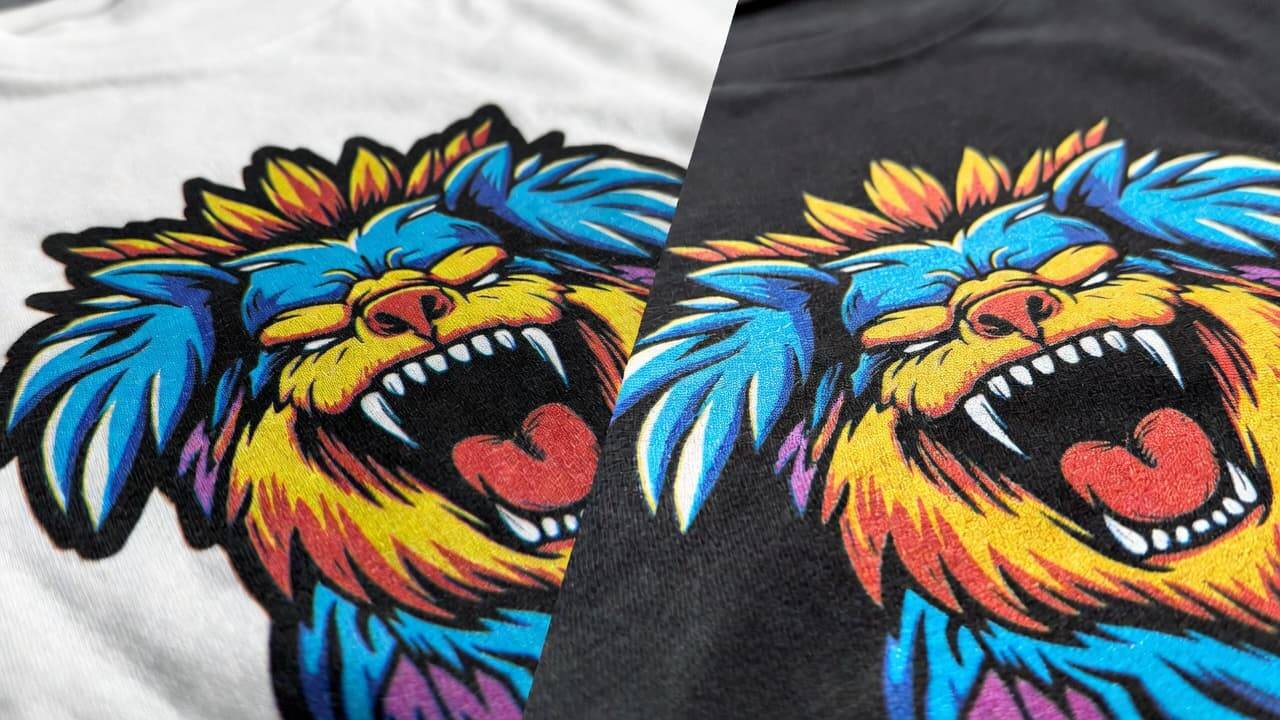
Cotton is highly compatible with DTG printing because its natural fibers allow ink to penetrate deeply. This ensures vibrant colors, sharp detail, and long-lasting durability.
Improved Compatibility with Fabric Blends
Modern DTG printers are engineered to handle blended fabrics such as cotton-polyester mixes. While pure cotton still delivers the best results, cotton-dominant blends (such as 80/20 or 60/40) can achieve impressive print clarity when properly pretreated.
Soft-Hand Feel
Because the ink bonds with the fibers rather than forming a thick layer, DTG prints remain soft to the touch. This is particularly important for fashion brands and premium apparel lines where comfort matters as much as appearance.
Key Benefits of Using DTG Printers
DTG technology offers several advantages that make it a preferred choice for custom garment printing.
Exceptional Print Quality
DTG printers can reproduce highly detailed artwork, including gradients, shadows, textures, and photographic images. This level of precision is difficult to achieve with traditional printing methods.
Unlimited Color Capability
Unlike screen printing, which requires separate screens for each color, DTG printing can produce unlimited colors in a single pass. This allows complex and creative designs without increasing setup costs.
Cost-Effective for Short Runs
DTG is ideal for:
Print-on-demand businesses
Small batch production
Personalized apparel
E-commerce fulfillment
Sampling and prototyping
Since there is minimal setup involved, printing even a single garment is economically viable.
Faster Turnaround Times
Designs can go from digital file to finished garment within minutes. This makes DTG perfect for businesses that require rapid production and customization.
Environmentally Friendly Printing
DTG uses water-based inks that are generally more eco-conscious compared to plastisol inks used in traditional screen printing. Many businesses choose DTG to align with sustainable manufacturing goals.
How DTG Printing Works Step by Step
fEssential Features to Look for in a
Understanding the DTG workflow helps businesses optimize results and maintain consistency.
Step 1: Artwork Preparation
The design is created or uploaded digitally. High-resolution files ensure better final output.
Step 2: Garment Pretreatment
Pretreatment solution is applied to the garment to help ink bond properly with the fibers. This step is crucial, especially for dark-colored fabrics.
Step 3: Printing
The garment is placed inside the DTG printer, which applies the ink directly onto the fabric using precision-controlled print heads.
Step 4: Curing Process
After printing, the garment is heat-cured using a heat press or conveyor dryer. This locks the ink into the fabric and ensures wash durability.
Essential Features to Look for in a DTG Printer
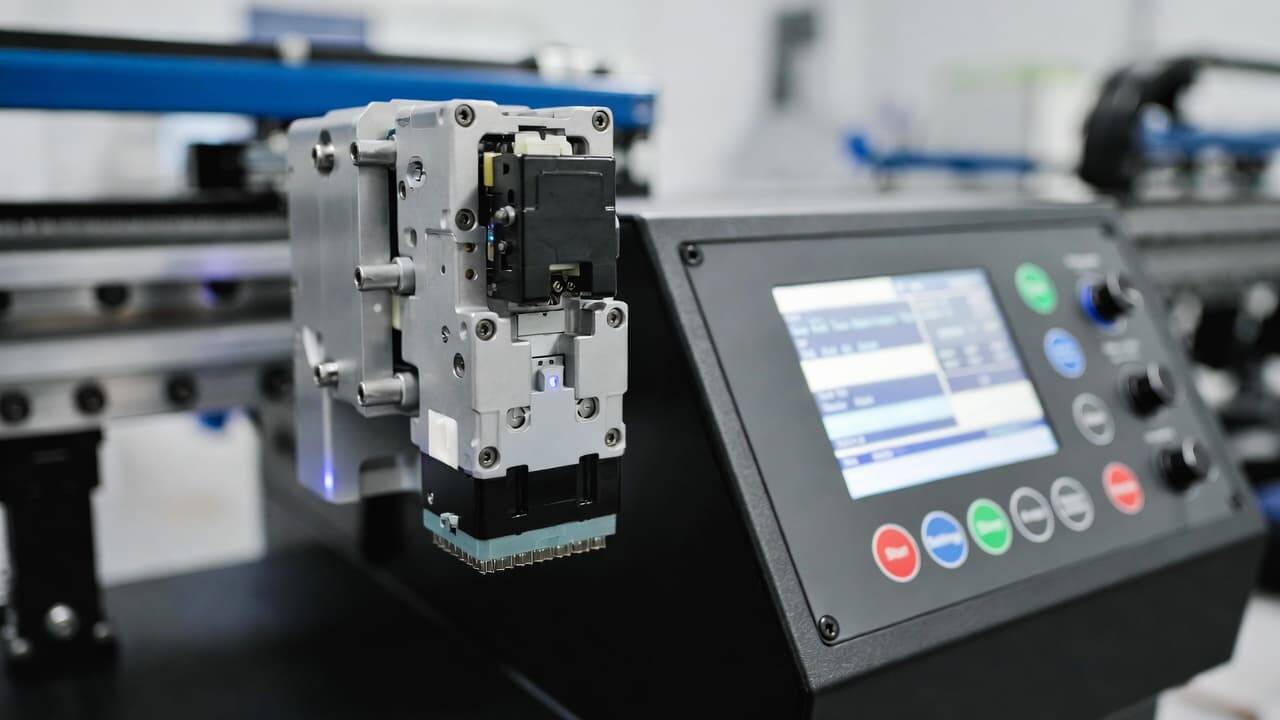
Choosing the right DTG printer requires evaluating several technical and operational factors.
High Printing Resolution
Resolution directly impacts detail clarity. A quality DTG printer should produce sharp images with smooth gradients and accurate line reproduction.
Reliable Print Speed
While DTG is known for quality, modern printers also offer impressive speed. Faster machines increase production capacity without sacrificing results.
Advanced White Ink Management
White ink is used as an underbase when printing on dark garments. A strong white ink system ensures opacity, brightness, and reduced maintenance issues.
Wide Color Gamut
A broader color range allows more accurate color reproduction, essential for branding and photographic prints.
User-Friendly Software Integration
Modern DTG printers integrate with RIP software that controls color management, print settings, and workflow automation.
Low Maintenance Requirements
Efficient cleaning systems and automated circulation reduce clogging and downtime, improving productivity.
Leading DTG Printer Manufacturers in the Market
Several established companies have played a major role in advancing DTG technology.
Brother
Brother is known for producing reliable and user-friendly DTG printers suitable for small to medium businesses. Their machines emphasize consistency, ease of maintenance, and excellent color accuracy.
Epson
Epson has leveraged its expertise in precision inkjet technology to deliver DTG printers with advanced printhead systems, high resolution, and strong production capabilities.
Kornit Digital
Kornit Digital focuses on industrial-scale DTG solutions, offering high-speed machines designed for mass customization and on-demand manufacturing environments.
Ricoh
Ricoh provides DTG printers that balance industrial performance with flexibility, making them popular among professional garment decorators.
DTG Printing vs Traditional Printing Methods
Understanding how DTG compares to other techniques helps businesses determine when to use each method.
DTG vs Screen Printing
Screen printing is ideal for large-volume jobs with limited colors, but it requires time-consuming setup. DTG, on the other hand, excels at short runs and multi-color artwork without setup costs.
DTG vs Heat Transfer Printing
Heat transfer involves applying designs using films or vinyl, which can feel heavy on garments. DTG prints are softer and more integrated into the fabric.
DTG vs Sublimation
Sublimation works only on polyester fabrics, while DTG is highly effective on cotton and cotton blends, making it more versatile for fashion applications.
Applications of DTG Printing in Modern Businesses
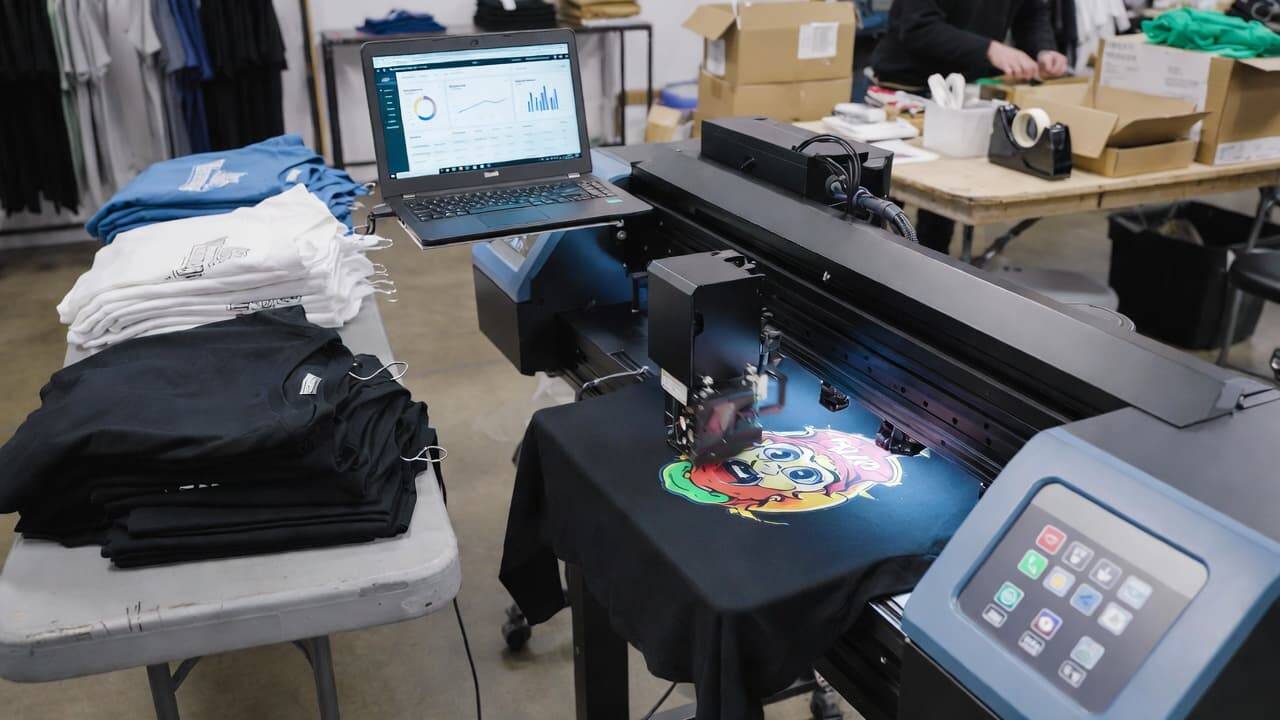
DTG printing is used across a wide range of industries.
Custom Apparel Brands
Fashion startups rely on DTG for producing limited-edition collections without holding large inventories.
Print-on-Demand Services
E-commerce businesses use DTG to fulfill personalized orders quickly, reducing waste and storage costs.
Corporate Merchandise
Companies create branded apparel for promotions, events, and employee uniforms using DTG technology.
Artists and Designers
Independent creators use DTG to reproduce detailed artwork on garments with museum-level color accuracy.
Choosing the Right Fabric for Best Results
Fabric selection plays a critical role in DTG output quality.
100 Percent Cotton
This remains the gold standard for DTG printing because of its superior ink absorption and color vibrancy.
Cotton-Polyester Blends
Blends can produce excellent results, especially when cotton content is high. Proper pretreatment ensures consistent performance.
Ring-Spun Cotton
This smoother cotton type enhances detail reproduction and gives a more premium look.
Maintenance Tips to Keep DTG Printers Performing Optimally
Proper care extends the lifespan of your DTG equipment.
Perform regular printhead cleaning to prevent clogging.
Maintain stable humidity levels in the workspace.
Use manufacturer-approved inks and solutions.
Run daily test prints to keep ink flowing.
Store garments properly before printing to avoid contamination.
Routine maintenance ensures consistent print quality and reduces costly downtime.
Cost Considerations Before Investing in a DTG Printer
While DTG offers flexibility, understanding the cost structure is important.
Initial Investment
DTG printers typically require a higher upfront cost than entry-level printing methods, but they eliminate expenses associated with screens, films, and setup.
Operating Costs
Expenses include:
Ink consumption
Pretreatment solution
Maintenance supplies
Labor and curing equipment
However, the ability to print on demand offsets these costs by minimizing unsold inventory.
Return on Investment
Businesses focused on customization and short-run production often achieve faster ROI due to DTG’s efficiency and versatility.
Future Trends in DTG Printing Technology
DTG continues to evolve as textile printing moves toward digital manufacturing.
Automation and Workflow Integration
Modern systems integrate with e-commerce platforms, enabling fully automated order-to-print workflows.
Improved Ink Formulations
New ink technologies enhance wash durability, stretch resistance, and sustainability.
Hybrid Printing Solutions
Some manufacturers are combining DTG with other digital textile technologies to expand material compatibility and production flexibility.
Sustainable Production Models
On-demand DTG printing reduces overproduction, aligning with global demand for responsible manufacturing.
Common Challenges and How to Overcome Them
While DTG is powerful, understanding potential challenges ensures better results.
Ink Management
White ink requires regular circulation. Using printers with automated systems reduces maintenance complexity.
Fabric Variability
Different garments react differently to pretreatment. Testing fabrics before bulk production helps maintain consistency.
Learning Curve
Operators must understand color profiles, curing times, and fabric preparation. Proper training ensures professional-quality output.
Best Practices for Achieving High-Quality DTG Prints
To maximize results:
Use high-resolution artwork (300 DPI or higher).
Apply even pretreatment to avoid patchiness.
Cure garments at recommended temperatures.
Select high-quality cotton garments.
Calibrate color profiles regularly.
These practices help maintain consistent, vibrant, and durable prints.
Conclusion
DTG printing has reshaped the textile decoration industry by offering a flexible, high-quality, and efficient solution for printing on cotton and blended fabrics. Its ability to deliver detailed, full-color designs without complex setup makes it ideal for businesses focused on customization, short-run production, and print-on-demand services.
By understanding how DTG technology works, selecting the right equipment, and maintaining proper workflow practices, businesses can unlock new creative possibilities while improving operational efficiency. Whether you are launching a new apparel brand or expanding an existing print operation, investing in the right DTG printer can provide long-term value, scalability, and exceptional print quality.
Explore our high-quality DTG printers here
Frequently Asked Questions
What Is DTG Printing?
DTG (Direct-to-Garment) printing is a digital printing process that applies water-based inks directly onto textiles using inkjet technology, producing detailed and vibrant designs.
Which Fabrics Work Best for DTG Printing?
100 percent cotton delivers the best results, but cotton-rich blends also perform well when properly treated.
Can DTG Printers Print on Dark Garments?
Yes. DTG printers use a white ink underbase that allows vibrant colors to appear clearly on dark fabrics.
Are DTG Prints Long-Lasting?
DTG prints are highly durable because the ink bonds with the fabric fibers. With proper washing and care, they maintain their quality for a long time.
Is DTG Printing Suitable for Small Businesses?
Absolutely. DTG is one of the most cost-effective solutions for startups, print-on-demand services, and businesses handling short production runs.