

 HOME
HOME PRODUCT CENTER
 ABOUT US
 DOWNLOAD CENTER
 SUPPORT CENTER
 SUBSCRIBE
 BLOG
BLOG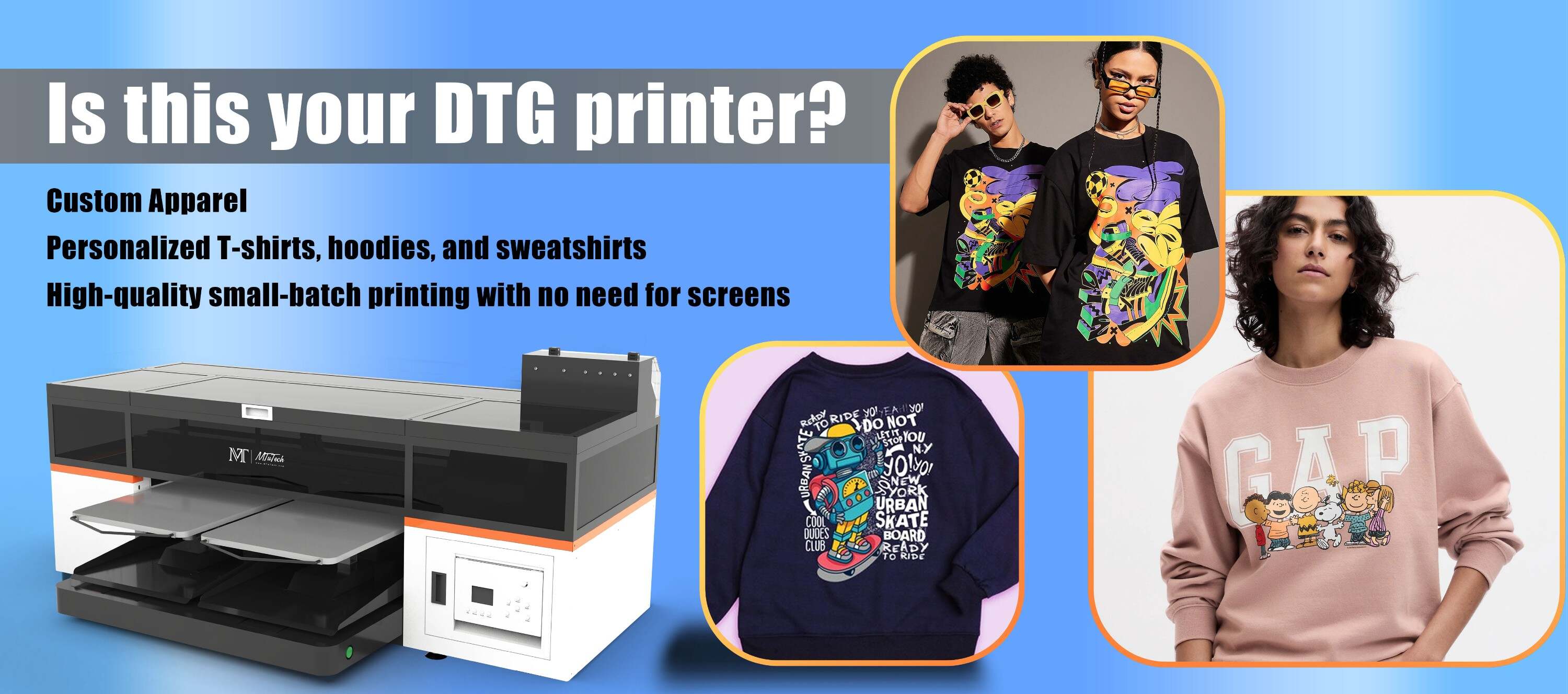
In the rapidly evolving world of Direct-To-Garment (DTG) printing, efficiency, reliability, and print quality are paramount. One key factor that determines the overall quality of your DTG printouts is the pretreatment process. With an array of pretreatment machines available out there, how do you ensure you're choosing the best for your DTG printing needs? This guide walks you through critical considerations and features to watch for while choosing your pretreatment machine for DTG printing.
Introduction
Before we delve into what to look for in a pretreatment machine, let's understand what pretreatment is. In the context of DTG printing, pretreatment is a procedure that prepares the garment for printing. It often entails applying a special solution to the t-shirt or any other garment type to make it ready for the print job. The right pretreatment machine will ensure an optimal and consistent application of this solution, leading to sharper, vibrant, and long-lasting print results.
Benefits of Using a Pretreatment Machine
Improved Print Quality
A well-pretreated garment allows the inks to bond more firmly with the fabric, leading to more vibrant colors and sharper details. Without proper pretreatment, the print might appear dull, blurry or it may even wash out after a few laundry cycles.
Greater Consistency
Manual pretreatment methods can be inconsistent, leading to sub-optimal printing results. A pretreatment machine applies an even layer of solution every time, ensuring consistency across all garments.
Increased Efficiency
A pretreatment machine drastically reduces the time and effort needed in preparing garments for the print job – enabling you to take on larger volume orders without compromising the quality.
Crucial Features to Consider
There are a plethora of pretreatment machines, each boasting various features. However, here are some crucial ones to look into while choosing a machine for your DTG printing needs.
Compatibility: The machine should be suitable for the specific garment or fabric you plan to pretreat.
Adjustability: It should offer adjustability in applying pretreatment solution – like the machine's spray width and height – to accommodate different garment sizes and types.
Capacity: Evaluate the machine's capacity to see if it aligns with your volume requirements. If you handle high-volume orders, you might need a machine with a larger capacity.
Cost: Balance the cost with the offered features and benefits. You might find certain machines to be expensive, but they offer superior features and time-efficiency, justifying their cost.
Make sure to do necessary research before making a final decision. Machines from credible manufacturers offer extensive support and service, ensuring you can rely on it for the long run. Explore our high-quality DTG printers here for a seamless printing experience.
Conclusion
Choosing the right pretreatment machine for DTG printing is not a decision to be taken lightly. It can massively impact the quality, efficiency, and consistency of your printing work. While there are numerous options available, focusing on a few core features – compatibility, adjustability, capacity and cost – can help you select an ideal pretreatment machine that caters to your specific needs and requirements.
FAQ Section
What is a pretreatment machine?
A pretreatment machine is a piece of equipment used in DTG printing. It prepares the fabric for printing by applying a special pretreatment solution to the garment in a consistent and optimal manner.
Why is pretreatment important in DTG printing?
Pretreatment is essential in DTG printing as it helps the inks bind more firmly with the fabric, resulting in sharper, more vibrant printouts. It also ensures the print's longevity, preventing it from washing out quickly.
Are all pretreatment machines alike?
No, not all pretreatment machines are alike. They vary in their features, capacity, efficiency, and cost. Consider your specific needs and requirements while choosing a pretreatment machine for your DTG printing setups.