

 HOME
HOME PRODUCT CENTER
 ABOUT US
 DOWNLOAD CENTER
 SUPPORT CENTER
 SUBSCRIBE
 BLOG
BLOGDTG Printer for Embroidery Businesses: A Practical Guide to Profitable Garment Printing
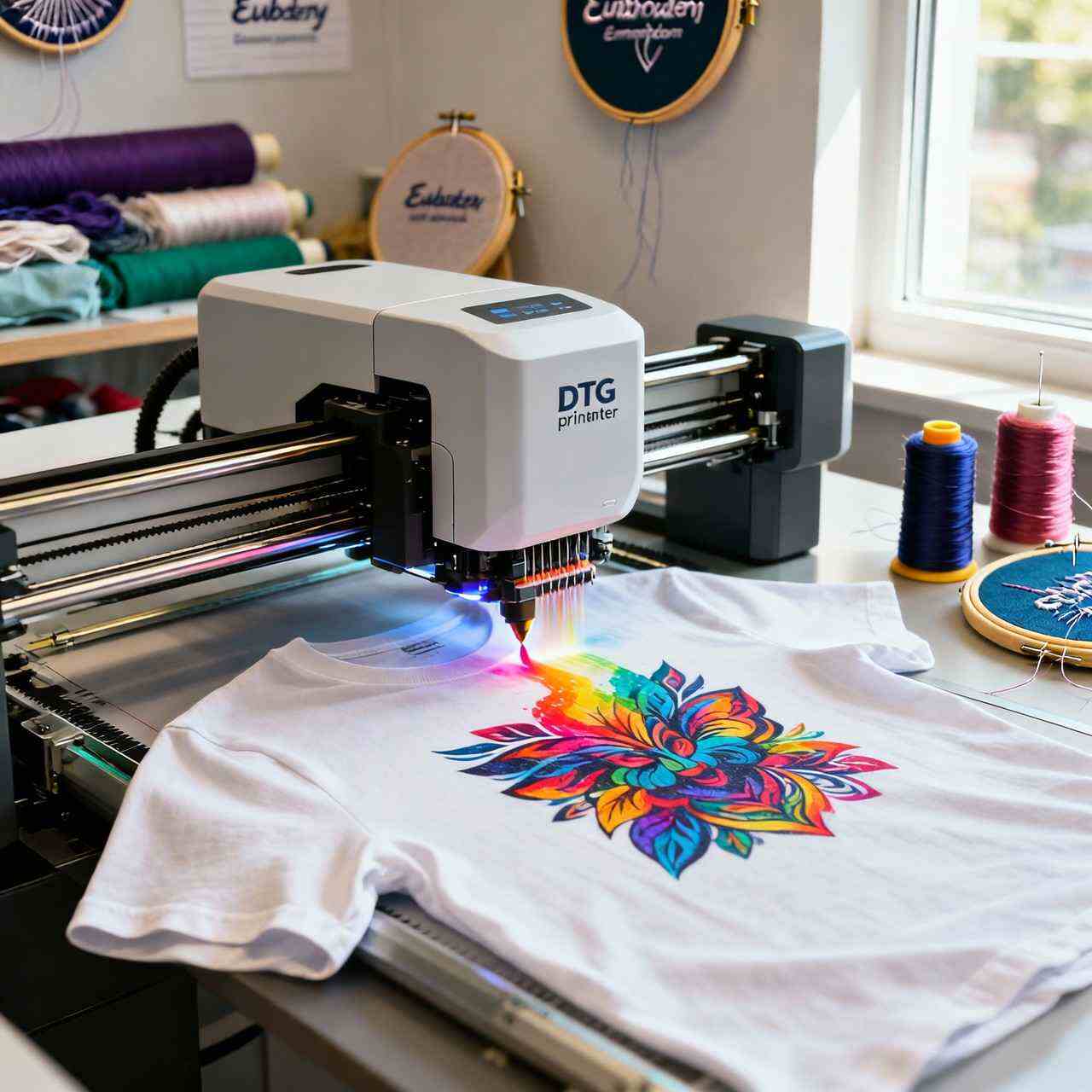
Direct to Garment (DTG) printing has rapidly become one of the most valuable technologies for custom apparel businesses. For embroidery shops in particular, adding a DTG printer is not just an equipment upgrade—it is a strategic expansion that can unlock new services, attract new customer segments, and significantly increase revenue per order. With the ability to print highly detailed, full-color designs directly onto garments, DTG printing complements embroidery perfectly and allows businesses to meet modern customer demands for personalization, speed, and design flexibility.
This in-depth guide explains how a DTG printer can transform an embroidery business, the benefits and features of DTG technology, how to implement it effectively, and how to maximize profitability while maintaining high quality. Whether you are a small embroidery shop owner or running a growing apparel customization business, understanding DTG printing can help you stay competitive in a fast-evolving market.
Understanding What a DTG Printer Is
A DTG printer is a specialized inkjet printer designed to print designs directly onto textiles, primarily cotton and cotton-blend garments. Unlike traditional screen printing, which requires screens for each color and complex setup, DTG printing works directly from a digital file. The design is printed onto the garment using water-based textile inks, allowing for millions of color combinations and photographic-level detail.
For embroidery businesses, this technology fills a major gap. Embroidery is excellent for logos, monograms, and premium textured designs, but it can be limited when it comes to gradients, detailed artwork, and full-color imagery. A DTG printer allows you to offer these complex designs without outsourcing or turning away customers.
Why Embroidery Businesses Should Invest in a DTG Printer
Expanding Your Service Portfolio
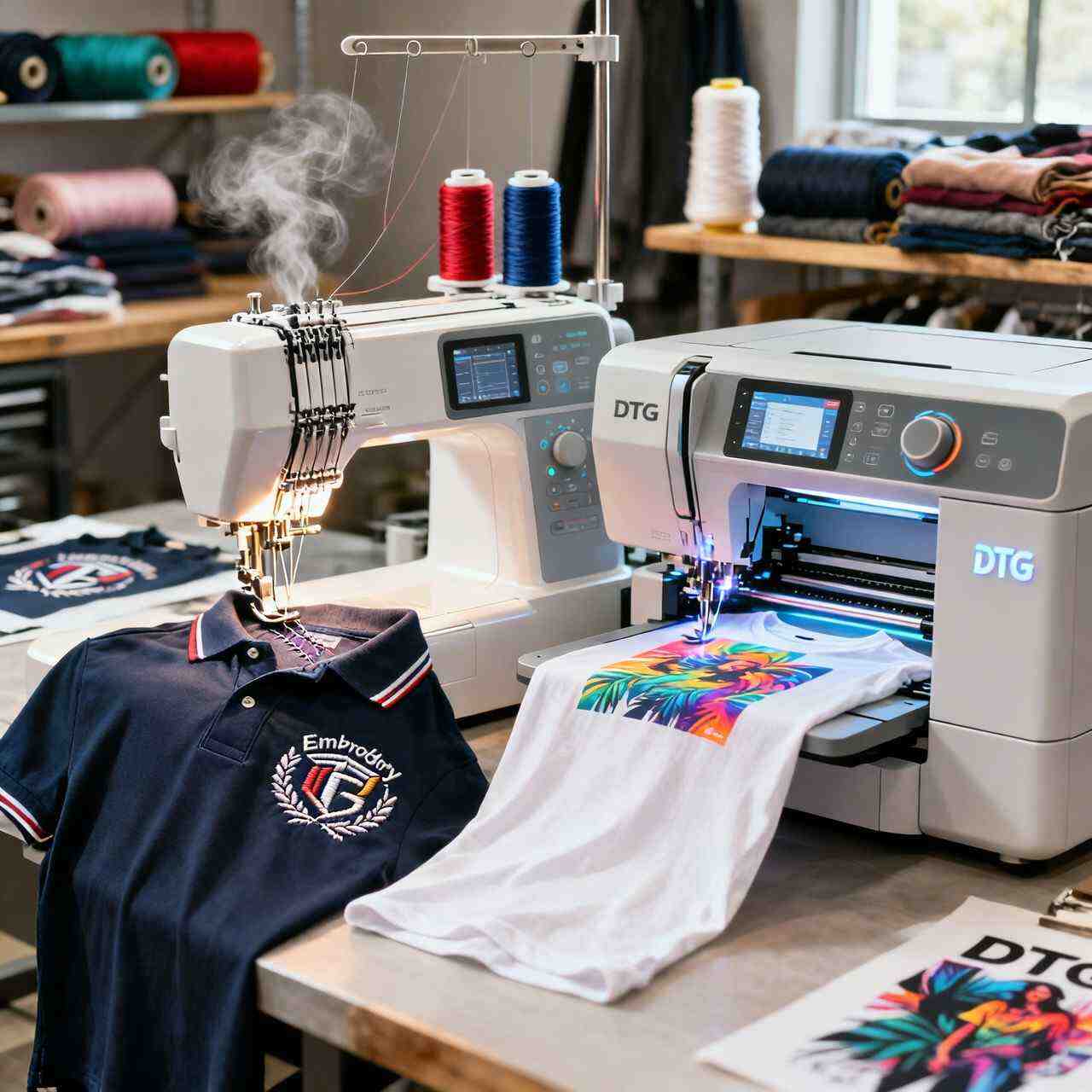
One of the biggest advantages of adding a DTG printer to your embroidery setup is the immediate expansion of services you can offer. Customers often request designs that are too detailed for stitching. Instead of declining these orders, you can now fulfill them in-house.
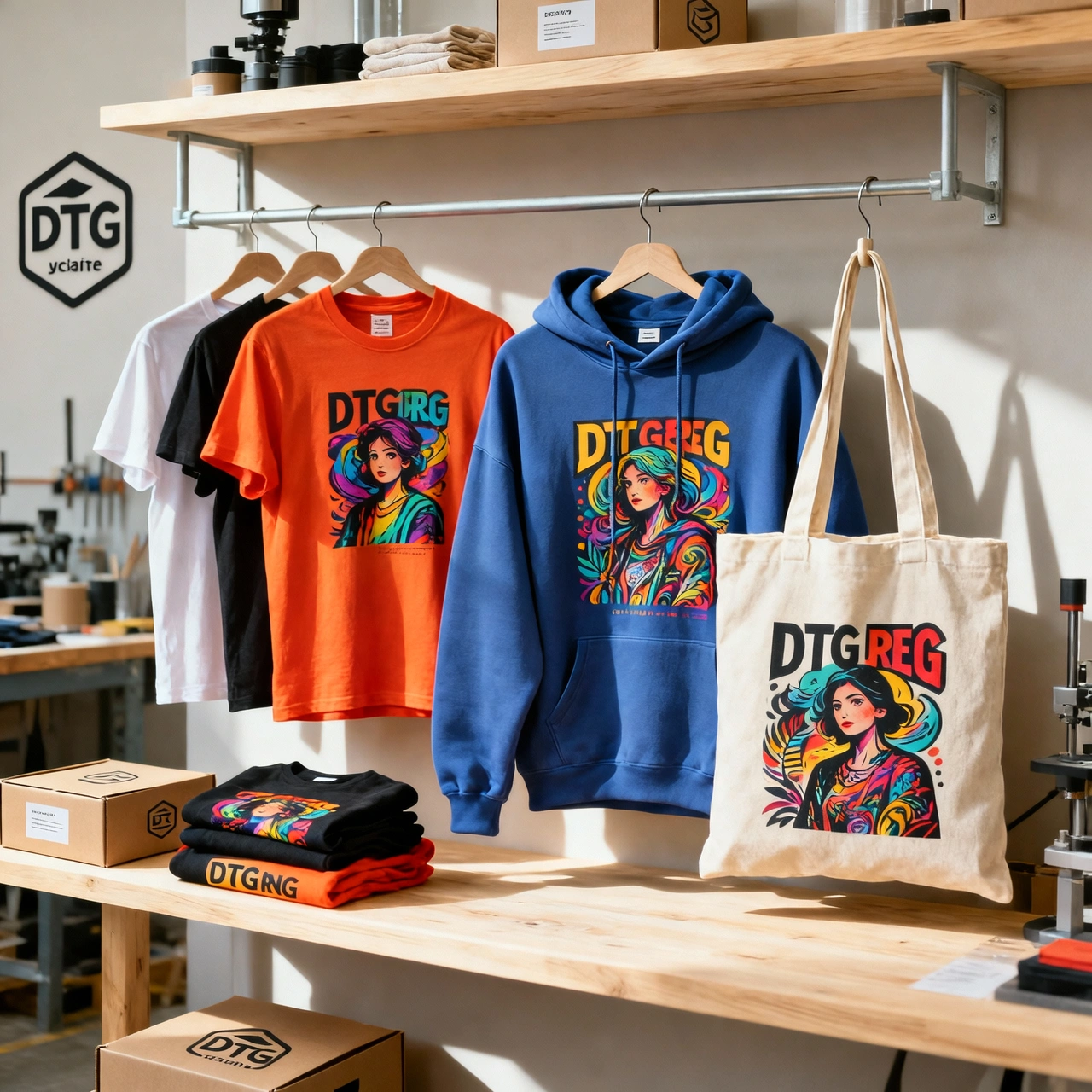
You can print on:
T-shirts
Hoodies and sweatshirts
Tote bags
Baby garments
Fashion apparel
Merchandise for events and promotions
This expansion allows you to serve schools, businesses, influencers, sports teams, online stores, and promotional product clients more effectively.
Meeting Modern Customization Demand
Today’s customers expect customization without minimum order requirements. Small businesses, startups, and individual customers frequently request single items or small batches. A DTG printer allows you to profitably handle one-off prints, something embroidery alone cannot always do efficiently for complex designs.
Increasing Revenue Per Customer
By offering both embroidery and DTG printing, you give customers more options. For example, a corporate client may want embroidered polo shirts and printed promotional T-shirts. Instead of splitting the order between two vendors, you can supply everything.
Key Benefits of Using a DTG Printer
High-Resolution, Photographic Print Quality
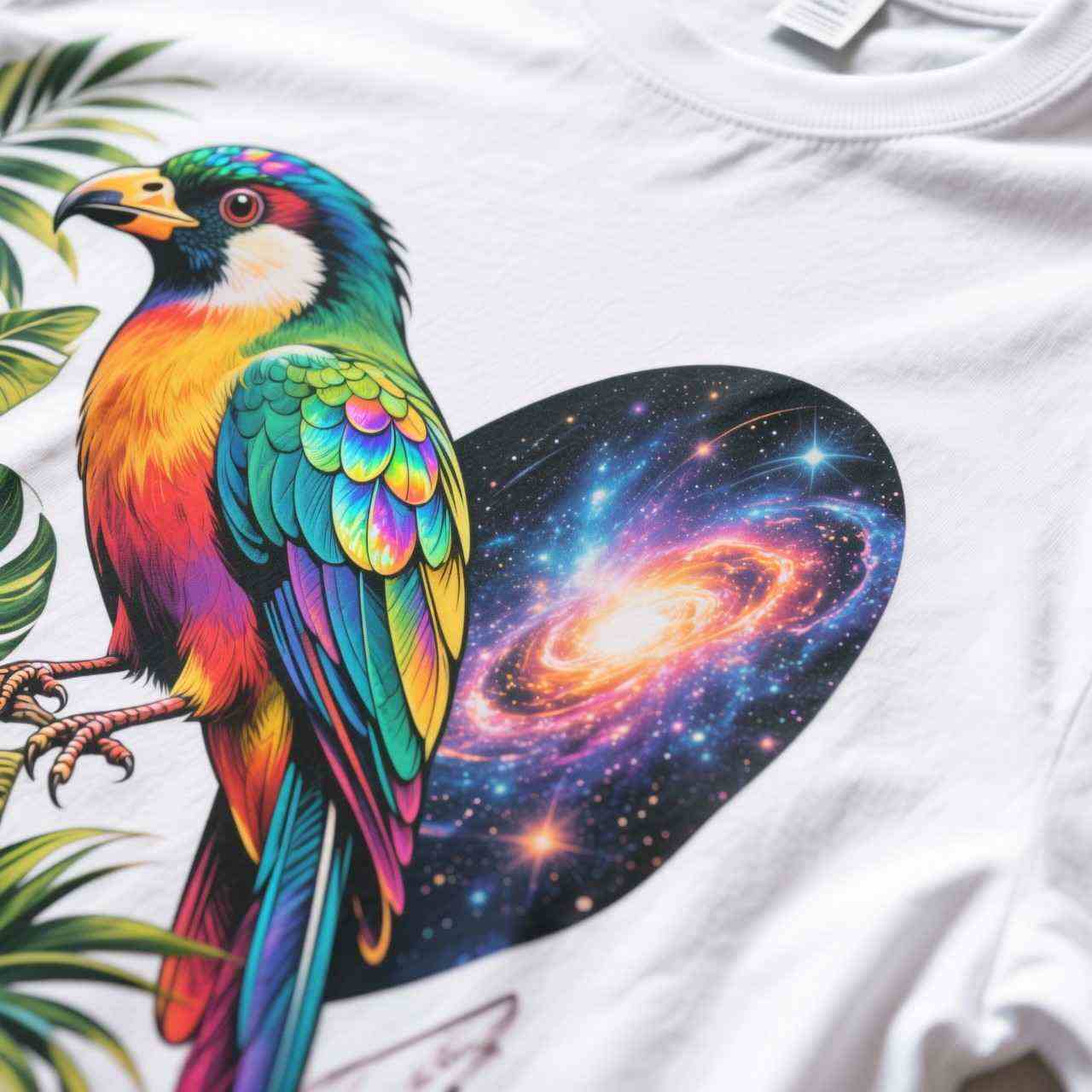
DTG printers can produce incredibly detailed prints with smooth gradients, shadows, and unlimited colors. This quality is difficult to achieve with embroidery or screen printing. Designs that include photographs, artwork, or intricate illustrations look vibrant and professional.
No Color Limitations
Unlike screen printing, which requires separate screens for each color, DTG printing handles full-color artwork in a single pass. This allows complete creative freedom without increasing setup time or cost.
No Minimum Order Quantity
With DTG printing, producing one shirt costs nearly the same in setup effort as producing fifty. This makes it ideal for:
Print-on-demand services
Personalized gifts
Sample production
Small business merchandise
Online custom apparel stores
Faster Setup and Turnaround
Embroidery digitizing and machine setup take time. Screen printing requires screens and preparation. DTG printing requires only the digital file and garment preparation. This significantly reduces turnaround time for custom jobs.
Eco-Friendly Printing Process
DTG printers use water-based, non-toxic inks that are safer for the environment compared to plastisol inks used in screen printing. They also produce less waste, making your business more environmentally responsible.
DTG Printing vs Embroidery: Why They Work Together
Rather than replacing embroidery, DTG printing complements it. Each method has strengths:
| Embroidery | DTG Printing |
|---|---|
| Textured, premium finish | Smooth, detailed prints |
| Ideal for logos and uniforms | Ideal for artwork and photos |
| Durable stitching | Soft, breathable prints |
| Limited color gradients | Unlimited colors and gradients |
| Best for hats, polos, jackets | Best for T-shirts, hoodies, cotton garments |
By offering both, you become a full-service garment decoration provider.
How a DTG Printer Improves Workflow Efficiency
Adding a DTG printer simplifies many processes:
No need to outsource complex print jobs
Reduced waiting time for customer approvals
Faster production for small orders
Easy design changes without extra cost
Digital file management instead of physical setups
This efficiency translates into faster delivery times and happier customers.
Choosing the Right DTG Printer for Your Business
When selecting a DTG printer, consider:
Print Size and Capacity
Choose a printer that supports common garment sizes and allows printing on various apparel types.
Ink System and Maintenance
Reliable ink circulation systems reduce clogging and maintenance issues.
Software Compatibility
Good RIP (Raster Image Processor) software ensures accurate color management and print quality.
Support and Training
Proper training and technical support are crucial, especially when integrating DTG into an embroidery workflow.
Production Speed
Evaluate how many garments per hour the printer can produce to match your order volume.
Preparing Your Embroidery Business for DTG Integration
Learn the Technology
Understanding garment pretreatment, curing, color profiles, and file preparation is essential. Training your staff ensures consistent quality.
Allocate Workspace
DTG printing requires space for:
The printer
Pretreatment area
Heat press for curing
Storage for garments and inks
Plan Initial Investment and ROI
Though a DTG printer requires upfront investment, the ability to handle more orders and offer more services leads to a strong return on investment over time.
Garment Preparation and Pretreatment
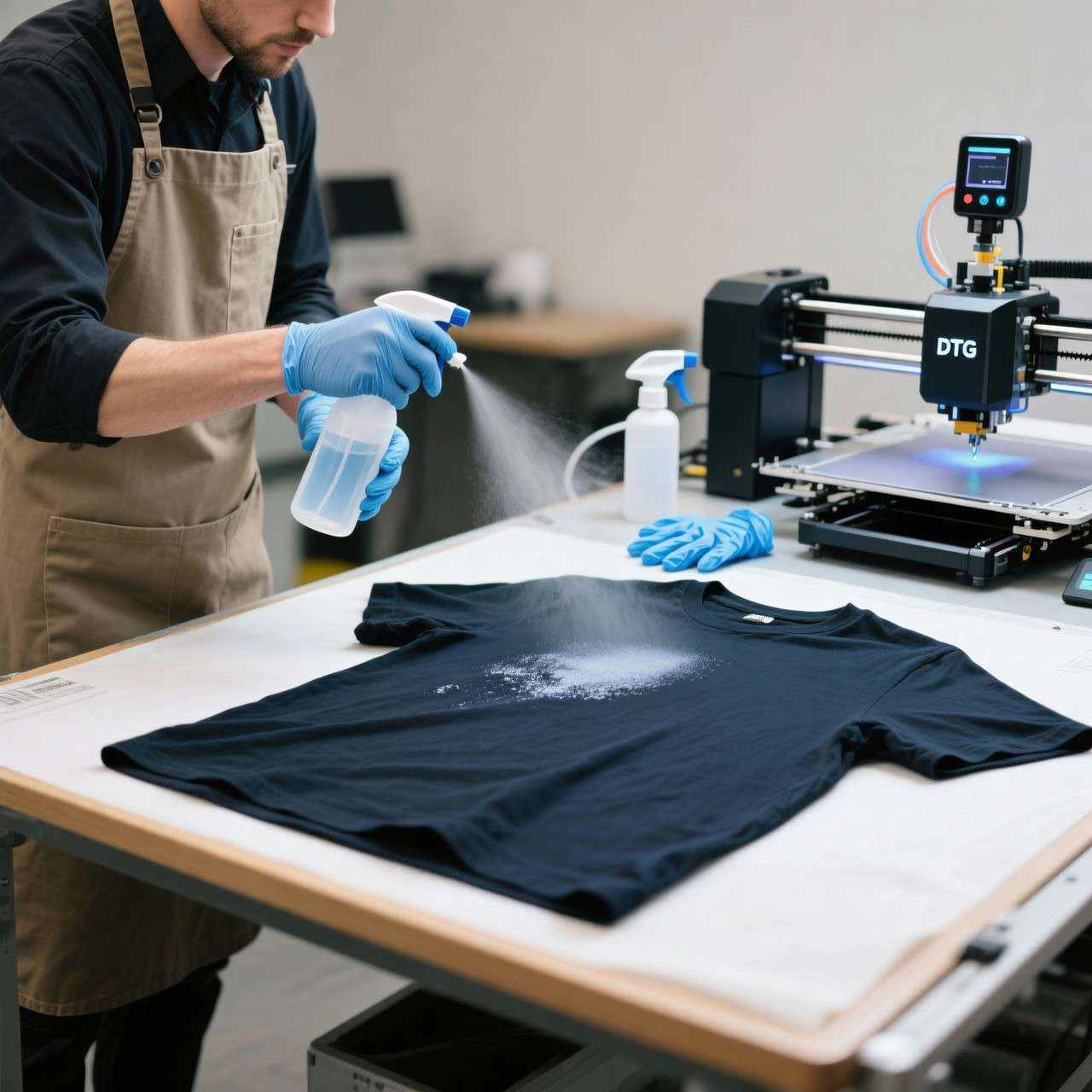
Proper garment preparation is critical for DTG success. Pretreatment helps ink adhere to the fabric and improves vibrancy, especially on dark garments. This step ensures professional results and long-lasting prints.
Common Products You Can Offer with a DTG Printer
Custom graphic T-shirts
Fashion brand apparel
Event merchandise
School and college wear
Corporate promotional items
Personalized gifts
Online store fulfillment
This versatility allows you to enter new markets without additional complex equipment.
Increasing Profitability with Print-On-Demand
DTG printing enables print-on-demand services where customers order individual pieces. This reduces inventory costs and allows you to accept orders from online platforms or local clients without holding stock.
Marketing Your New DTG Printing Services
After installing a DTG printer, promote the service:
Showcase sample prints in your shop
Post high-quality photos on social media
Offer package deals combining embroidery and printing
Inform existing customers about new capabilities
Target small businesses and influencers
Highlight that you can now print complex, colorful designs with no minimum order.
Maintenance and Care for Long-Term Performance
Regular maintenance keeps your DTG printer running smoothly:
Daily nozzle checks
Proper ink storage
Routine cleaning
Using the printer regularly to avoid clogging
Consistent care ensures high print quality and machine longevity.
Overcoming Common Concerns About DTG Printing
Is It Difficult to Learn?
With basic training, operators can learn DTG printing quickly, especially if they are already familiar with embroidery machines and design software.
Are Prints Durable?
When properly cured, DTG prints are long-lasting and withstand multiple washes.
Is It Suitable for Dark Garments?
Yes. With proper pretreatment and white ink layers, DTG printing works excellently on dark fabrics.
Future-Proofing Your Embroidery Business
The custom apparel market is shifting toward personalization and short-run orders. A DTG printer positions your business to adapt to these trends and remain competitive for years to come.
Conclusion
Adding a DTG printer to your embroidery business is a smart investment that expands your capabilities, increases revenue opportunities, and allows you to meet modern customer demands. With high-resolution prints, no color limitations, eco-friendly inks, and the ability to handle small or large orders efficiently, DTG printing perfectly complements embroidery.Explore our high-quality DTG printers here
By understanding the technology, preparing your workspace, training your team, and choosing the right equipment, you can transform your embroidery shop into a complete garment customization hub. The result is greater flexibility, higher profits, and a stronger competitive position in the custom apparel market.
Frequently Asked Questions
What is a DTG printer used for?
A DTG printer is used to print full-color designs directly onto garments such as T-shirts, hoodies, and tote bags using water-based textile inks.
Can a DTG printer replace embroidery?
No. DTG printing complements embroidery. Each method serves different design needs and works best when offered together.
Do DTG printers require minimum orders?
No. DTG printing is cost-effective even for single garments, making it ideal for small orders and personalization.
Are DTG prints washable?
Yes. When properly cured, DTG prints are durable and withstand regular washing.
Is DTG printing environmentally friendly?
Yes. DTG uses water-based inks and produces less waste than many traditional printing methods.