

 HOME
HOME PRODUCT CENTER
 ABOUT US
 DOWNLOAD CENTER
 SUPPORT CENTER
 SUBSCRIBE
 BLOG
BLOGHow to Increase Profit in Your DTG Printing Business
Introduction
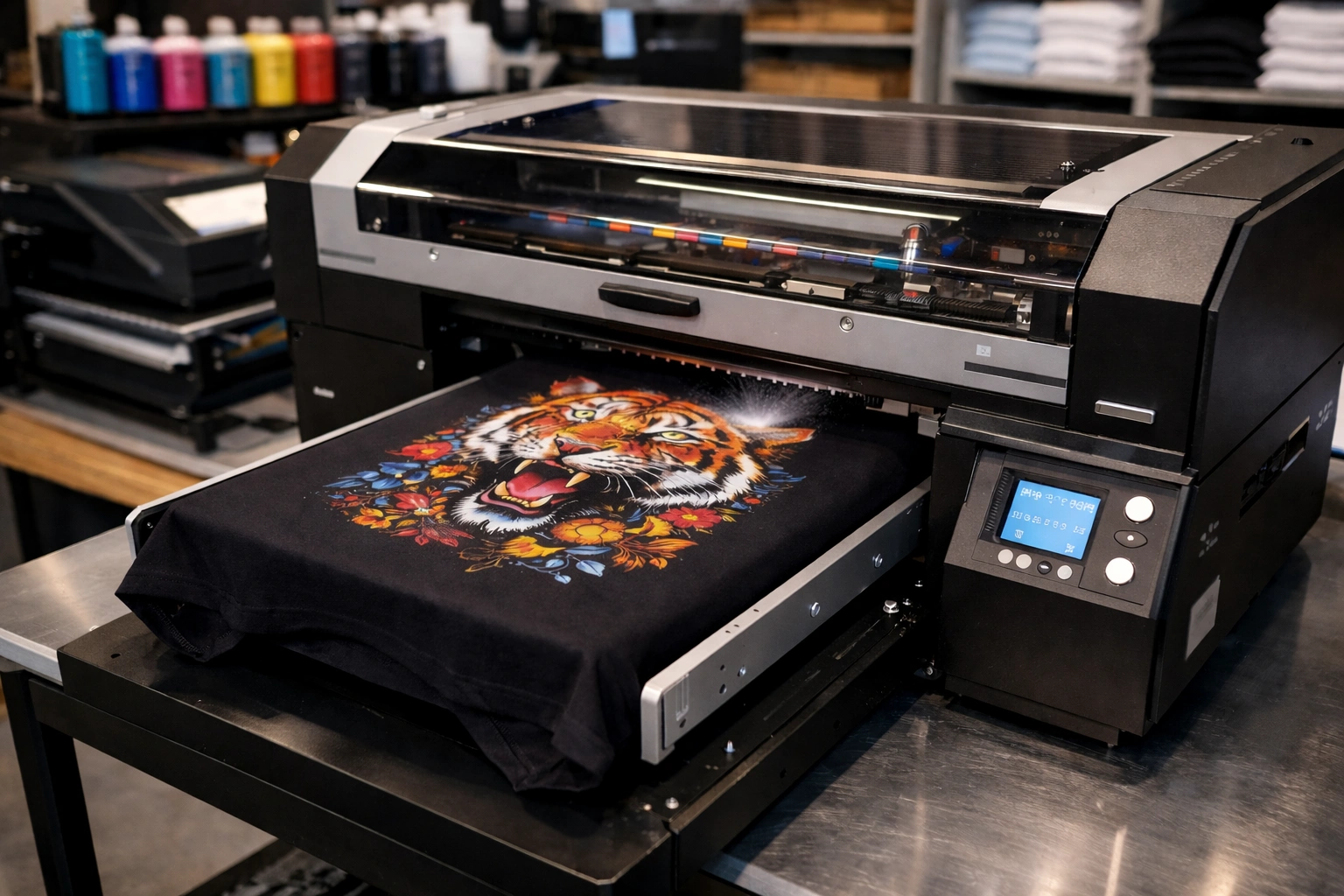
Direct-to-Garment (DTG) printing has transformed the custom apparel industry by allowing print shops to produce highly detailed, full-color designs directly onto garments with speed and precision. Unlike traditional screen printing, DTG requires minimal setup, supports on-demand production, and makes personalization easy and affordable. These advantages have attracted thousands of entrepreneurs and print shop owners to the DTG space.
However, entering the DTG market is one thing—running a consistently profitable DTG printing business is another. Many shop owners struggle with thin margins, high ink costs, inefficient workflows, wasted garments, and poor pricing strategies. The truth is, profitability in DTG is not only about owning a printer. It’s about how well you manage operations, control costs, choose equipment, price your products, and market your services.
This in-depth guide will walk you through proven strategies to improve efficiency, reduce waste, optimize pricing, and scale your DTG printing business for maximum profit.
Understanding the DTG Printing Process
Before improving profits, you must fully understand where your money is spent in the DTG workflow. The typical DTG process includes:
Artwork preparation
Garment selection
Pretreatment
Printing
Curing with heat press
Quality check
Packing and shipping
Each step involves time, labor, consumables, and potential errors. If any step is inefficient, your profit margin shrinks.
Streamline Your Workflow for Maximum Efficiency
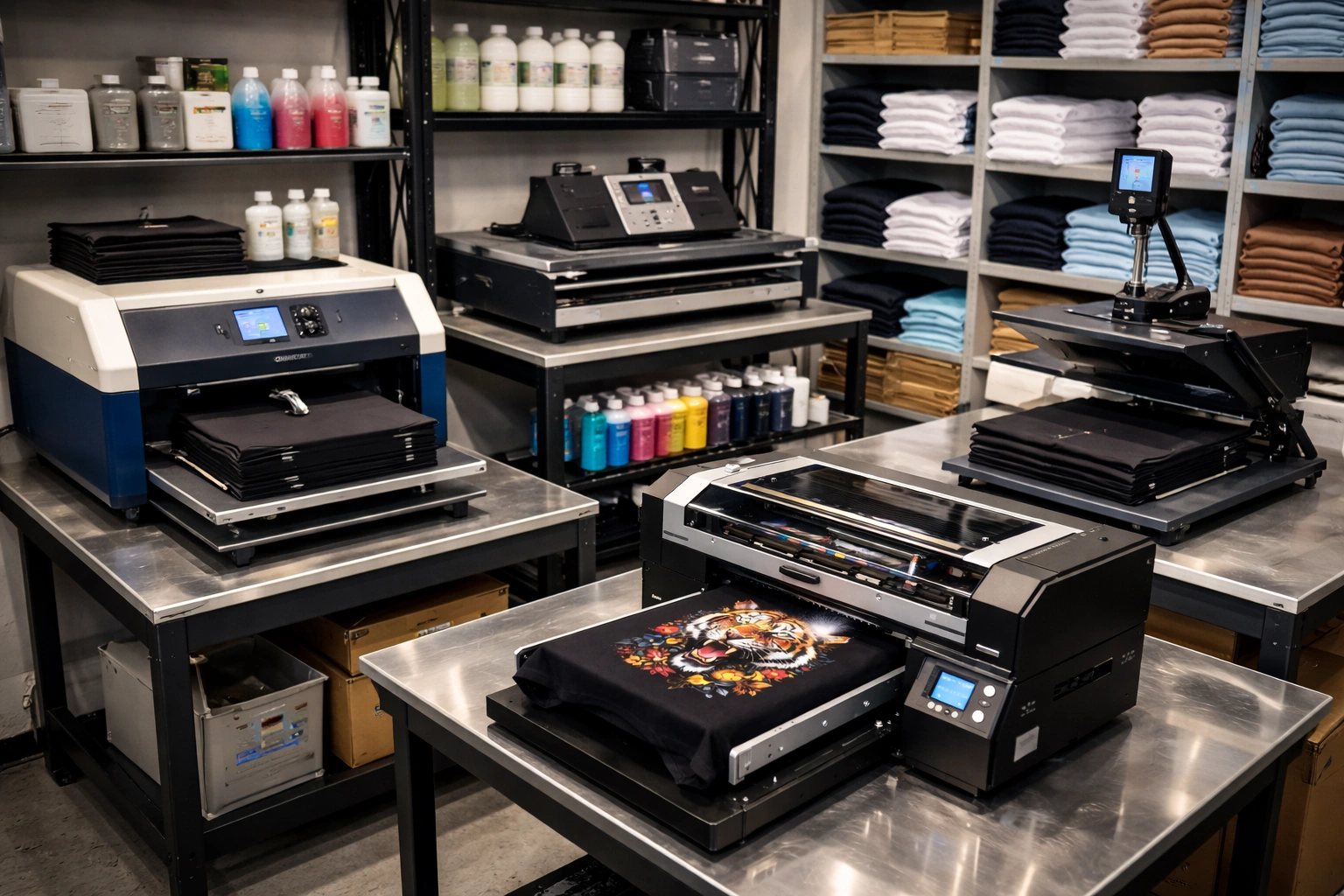
A disorganized DTG shop leads to wasted time and money. Your goal should be to create a smooth production line where garments move logically from one station to the next.
Best practices for workflow optimization:
Keep pretreatment machine, printer, and heat press close together
Prepare artwork files in batches
Use order management software to track jobs
Standardize printing settings for common garment types
Train staff to follow fixed procedures
Reducing even 2–3 minutes per shirt can significantly increase daily output and overall revenue.
Invest in High-Quality DTG Equipment
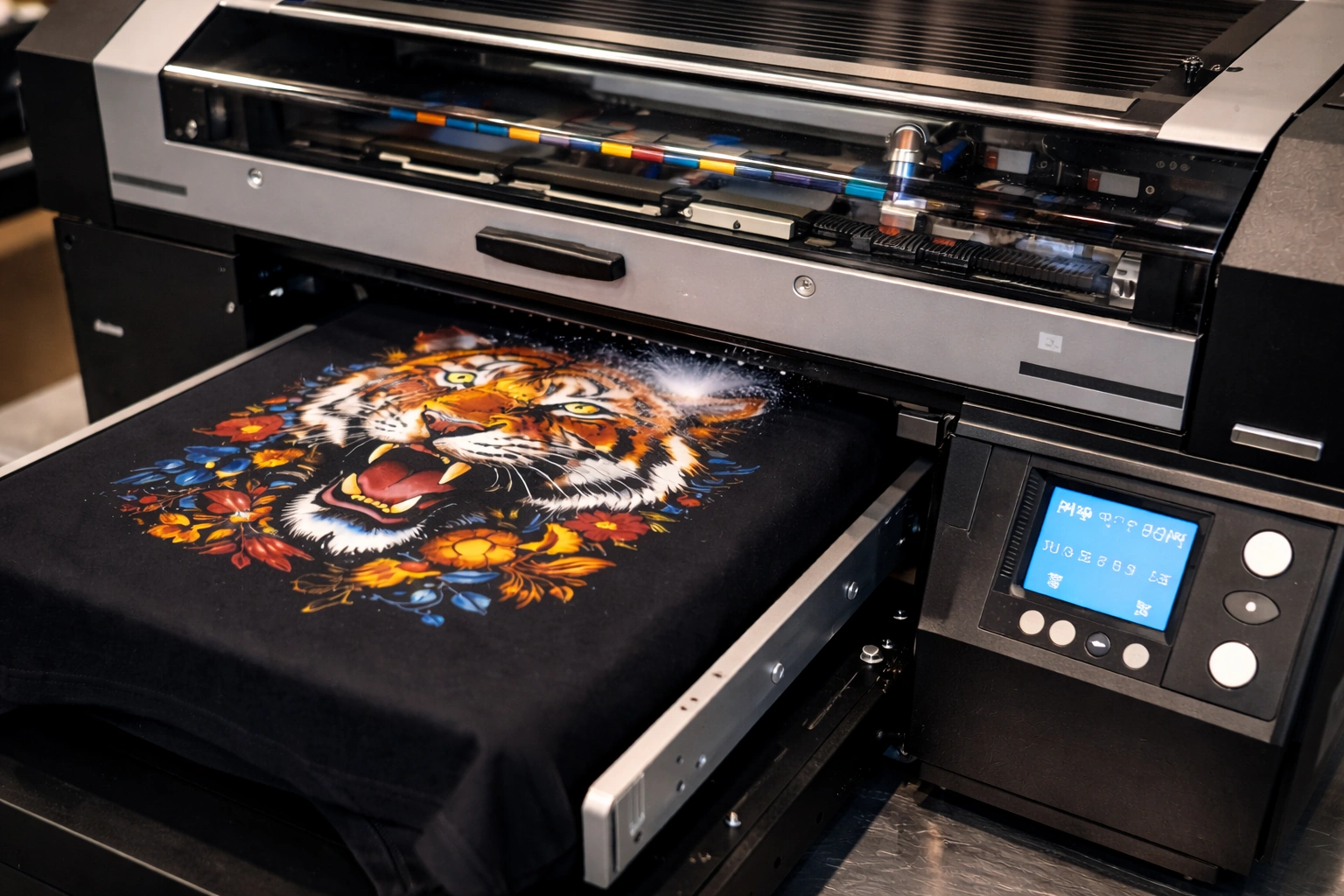
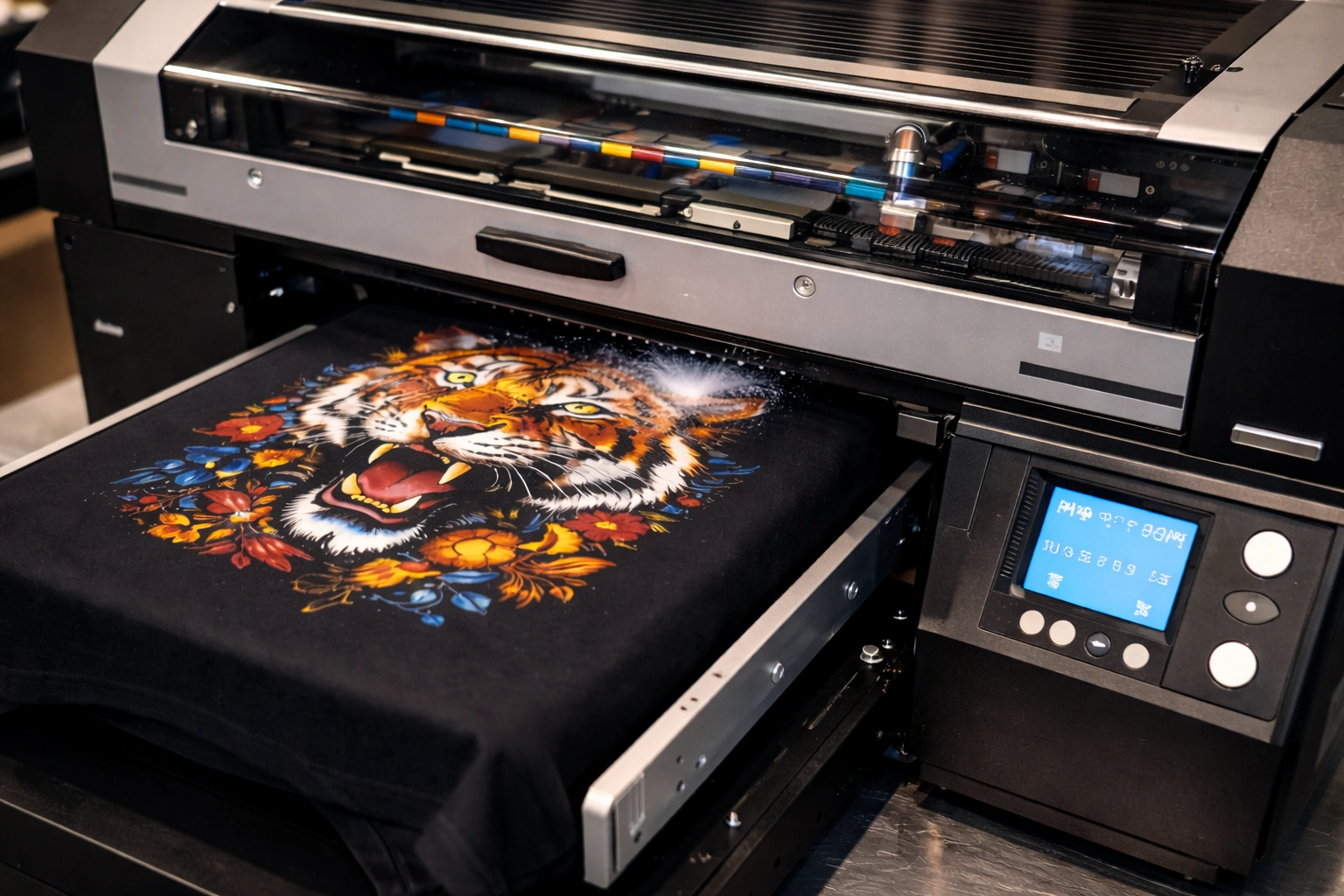
Many beginners try to save money by buying cheaper printers. This often leads to:
Frequent maintenance
Ink wastage
Slow printing speed
Inconsistent print quality
Production delays
A high-quality DTG printer may seem expensive upfront, but it pays for itself through:
Faster production times
Better print accuracy
Lower ink consumption
Less downtime
Ability to handle bulk orders
Reliable equipment is one of the biggest contributors to higher profit margins.
Reduce Ink and Pretreatment Waste
Ink is the most expensive consumable in DTG printing. Poor settings, improper pretreatment, and reprints due to mistakes can destroy profits.
Ways to reduce waste:
Use proper ICC color profiles
Apply consistent pretreatment amounts
Perform nozzle checks daily
Print test swatches before large runs
Store garments in a dust-free area
Small improvements in ink management can save hundreds of dollars every month.
Choose the Right Garments
Not all t-shirts are DTG-friendly. Low-quality fabrics absorb more ink, produce dull prints, and require reprints.
Choose garments with:
High cotton content (100% combed cotton preferred)
Smooth surface
Consistent fabric quality
Reliable suppliers
Premium garments lead to better prints, fewer errors, and happier customers.
Know Your True Printing Cost Per Shirt
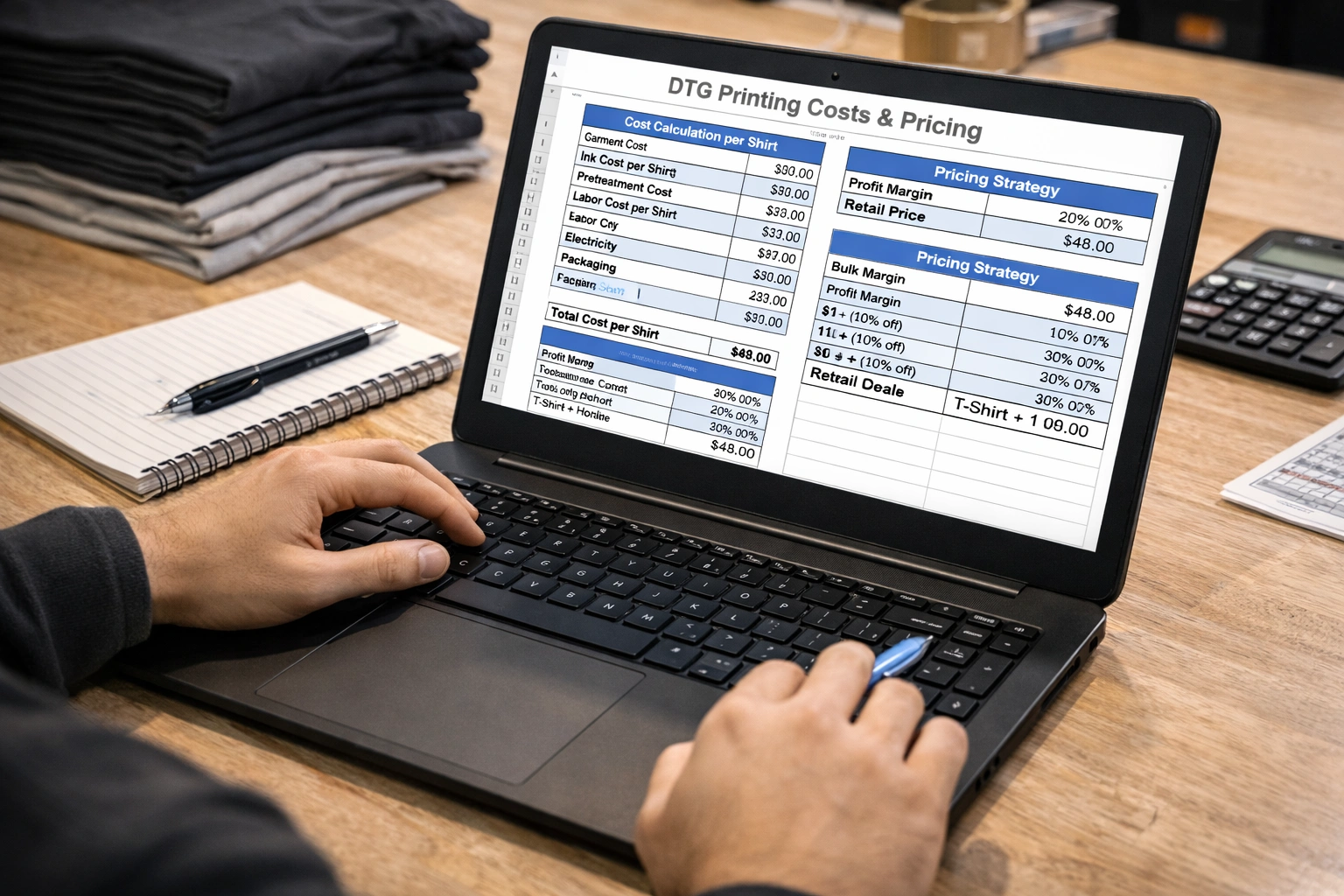
Many print shops price their shirts without calculating the actual cost. You must include:
Ink cost per print
Pretreatment cost
Garment cost
Labor cost
Electricity
Equipment depreciation
Packaging
Once you know the real cost, you can set prices that guarantee profit instead of guessing.
Smart Pricing Strategy for DTG Products
Avoid competing only on price. Instead, focus on value.
Effective pricing techniques:
Charge more for full-color designs
Offer premium garment options
Provide bulk discounts for large orders
Add design service fees
Create combo offers (t-shirt + hoodie)
Customers pay more for customization and quality.
Offer Customization and Personalization
Personalized products have higher perceived value. Offer:
Name printing
Photo printing
Custom quotes
Small batch prints (even 1 piece)
This allows you to charge significantly higher prices compared to generic prints.
Upsell and Cross-Sell Products
Increase order value by offering:
Hoodies
Tote bags
Caps
Kids’ wear
Matching family shirts
Selling multiple products to one customer is easier than finding new customers.
Maintain Your DTG Printer Regularly
Printer downtime means lost revenue. Daily maintenance includes:
Nozzle checks
Head cleaning
Proper shutdown routine
Humidity control in the room
Well-maintained printers produce consistent results and reduce costly repairs.
Build a Strong Online Presence
Today, most DTG orders come from online customers. You need:
A professional website
Social media pages
Google Business Profile
Customer reviews
Design catalog
Showcase your work regularly to attract new customers.
Use Social Media Marketing to Attract Customers
Platforms like Instagram, Facebook, and Pinterest are ideal for showcasing custom apparel.
Post:
Behind-the-scenes printing videos
Customer testimonials
New designs
Offers and discounts
Visual content builds trust and drives orders.
Offer Fast Turnaround Time
Speed is a major advantage of DTG printing. Promote:
Same-day printing
24-hour dispatch
Rush order service (with extra charges)
Customers often pay extra for faster delivery.
Focus on Customer Satisfaction and Repeat Business
Happy customers bring repeat orders and referrals.
Provide consistent print quality
Use good packaging
Offer responsive support
Follow up after delivery
Repeat customers reduce marketing costs and increase profits.
Track Your Production Data
Monitor:
Shirts printed per day
Ink usage
Failed prints
Order types
Peak demand times
Data helps you identify where money is being lost and where improvements can be made.
Train Your Staff Properly
Untrained staff cause ink waste, misprints, and delays. Create:
Standard operating procedures
Training manuals
Checklists for each job
Skilled operators improve speed and quality.
Expand into Niche Markets
Target niches like:
Gym wear
Pet lovers
Couples shirts
Festival and event merchandise
Corporate branding
Niche markets allow premium pricing.
Conclusion
Increasing profit in your DTG printing business is not about printing more shirts—it’s about printing smarter. By optimizing workflow, investing in quality equipment, reducing waste, understanding your costs, applying smart pricing, and marketing effectively, you can transform your DTG shop into a highly profitable operation.Explore our high-quality DTG printers here
The DTG industry offers immense potential for those who focus on efficiency, quality, and customer satisfaction. Apply these strategies consistently, and you will see a significant rise in your profit margins.
Frequently Asked Questions (FAQ)
What is DTG printing?
DTG (Direct-to-Garment) printing is a method of printing designs directly onto fabric using inkjet technology.
Is DTG printing profitable?
Yes, with proper cost control, pricing strategy, and efficient workflow, DTG printing can be highly profitable.
What type of shirts are best for DTG?
100% combed cotton shirts with a smooth surface produce the best results.
How can I reduce ink costs in DTG printing?
Use proper settings, maintain your printer, and avoid reprints through quality control.
How do I get more DTG customers?
Build an online presence, use social media marketing, and provide excellent service to encourage referrals.