

 HOME
HOME PRODUCT CENTER
 ABOUT US
 DOWNLOAD CENTER
 SUPPORT CENTER
 SUBSCRIBE
 BLOG
BLOG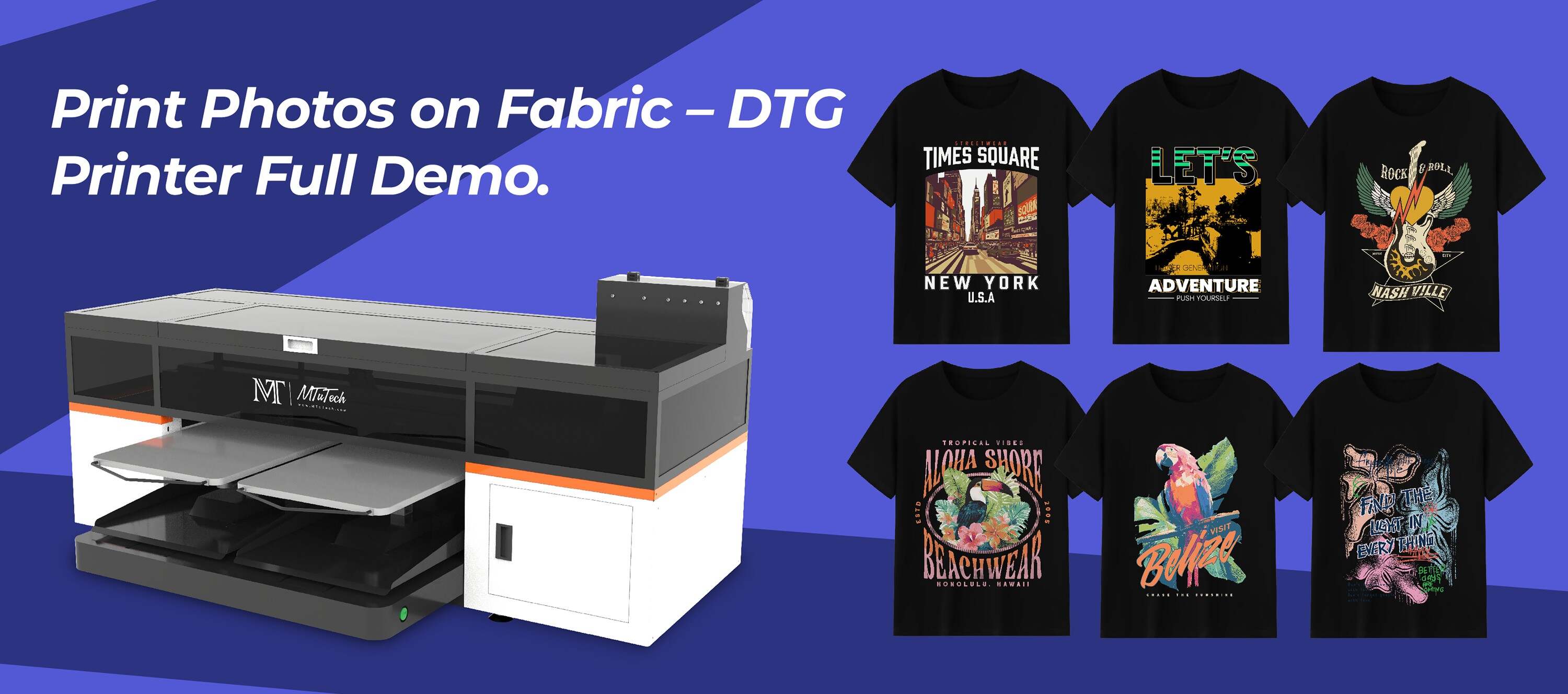
There's no denying that Direct to Garment (DTG) printing has revolutionised the fashion and apparel industry. In a market increasingly driven by custom-made, limited-edition designs, the advantages of DTG are becoming apparent. Imagine customising the printing on your denim jacket back, or embellishing your jeans with your favourite quotes, all possible with remarkable precision with DTG printing. This post will demystify the process and provide you with insights on how to print on denim and other heavy fabrics with DTG printers.
Introduction to DTG Printing
DTG is a technology that allows you to print designs directly onto fabric using specialized ink jet technology. Unlike traditional printing methods that layer designs on top of fabric, DTG imprints designs into the fabric, maintaining the fabric's feel and comfort.
Benefits of DTG Printing on Denim and Heavy Fabrics
Thanks to its ease of application and precise final results, DTG printing on heavy fabrics, including denim, has numerous benefits. Let’s explore some of them:
Detailed Designs: DTG allows for high-resolution prints and can execute complex, intricate designs with a high level of precision.
Ample Design Choices: There are no restrictions to your design choices, enabling you to print photographs, text, patterns, and art efficiently.
Comfort: As DTG prints directly into the fabric, the print feels like part of the fabric and doesn’t peel or crack over time.
Quick Turnaround: DTG printing does not require the time-consuming setup that screen printing does, making it excellent for small runs or one-off designs.
Steps to Print on Heavy Fabrics with a DTG Printer
DTG printing on denim and heavy fabrics involves a simple process that anyone can learn. Here are the basic steps:
Prepare the fabric
Ensure your fabric is clean and free from any debris. It's advisable to use pretreatment solutions for dark fabrics to help the ink bond with the fabric.
Create your design
Prepare your design on a digital platform like Photoshop or Illustrator, ensuring it's in high resolution for optimal results.
Load the design onto the printer
Transfer your design onto the DTG printer using the printer’s software. Adjust the design placement as needed.
Print your design
Place your fabric onto the printer and start the print. The time of printing will depend on the complexity and size of the design.
Cure the print
After printing, the design needs curing to make it durable. This is usually done by heat pressing the design for a certain amount of time.
Expanding Your Design Capabilities with High-Quality DTG Printers
Your choice of DTG printer greatly influences the quality and precision of your print. Opting for machines that offer user-friendly interfaces, high printing speeds, and detailed output is essential. Explore our high-quality DTG printers here and elevate your design capabilities to new heights.
Conclusion
DTG printing on heavy fabrics offers a profitable solution for businesses or even individuals looking for a customized wardrobe. It allows for intricate designs with stellar quality while saving time with easy and flexible operations. With the right DTG printer, your creativity can find a wonderful canvas on denim or any heavy fabric of your choice.
FAQ Section
Can DTG printing be used on any fabric?
DTG printing works best on 100% cotton fabrics. It can also be used on high-cotton blends. However, results might vary with synthetic fabrics such as polyester.
How does the print durability of DTG compare with other techniques?
When properly cured, DTG prints can withstand many washes without significant fading or degradation, outlasting many other techniques such as heat transfer.
Can DTG printers print on dark fabrics?
Yes, advanced DTG printers can print on dark fabrics, including black, by first laying down a white under-base and then printing the colored inks on top.
What care is required for DTG printed garments?
DTG printed garments should be turned inside out before washing. Also, avoid harsh detergents and high-temperature washes, as they can affect the print's color fastness.