

 HOME
HOME PRODUCT CENTER
 ABOUT US
 DOWNLOAD CENTER
 SUPPORT CENTER
 SUBSCRIBE
 BLOG
BLOGDTG Printer Staff Training Guide for High Quality and Profitable Production
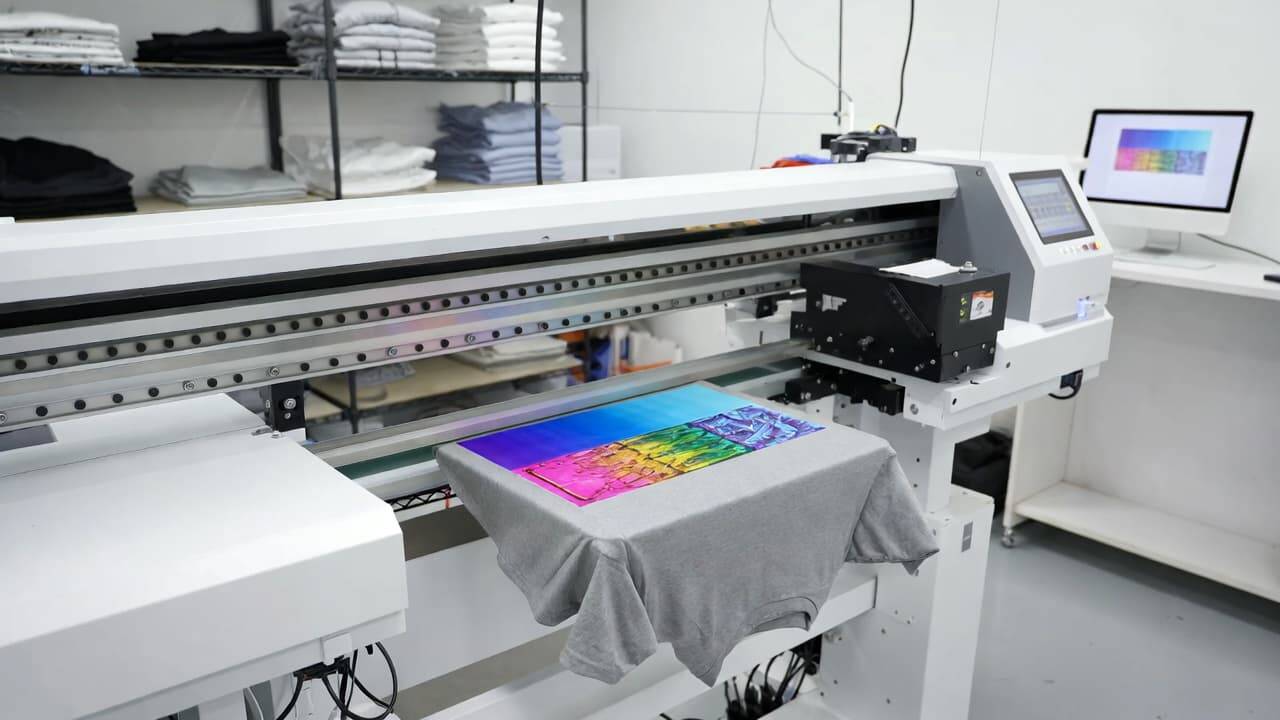
The apparel printing industry has rapidly evolved, and Direct-to-Garment printing has become one of the most preferred technologies for custom apparel production. Businesses that invest in a DTG printer often focus heavily on equipment but overlook one critical factor: proper staff training. No matter how advanced your printer is, your production quality and profitability ultimately depend on how well your team understands and operates the system.
This comprehensive guide explains how to train your staff for efficient DTG print production. The structure is SEO-friendly, written in a human tone, and ready for direct website publishing.
What Is DTG Printing?
Direct-to-Garment printing, commonly known as DTG printing, is a digital printing method that applies water-based inks directly onto garments using specialized inkjet technology. Unlike traditional screen printing, DTG allows full-color, highly detailed designs to be printed without the need for screens.
DTG printing is especially suitable for:
Small batch production
Print-on-demand businesses
Personalized apparel
E-commerce clothing brands
Complex and multicolor artwork
While the technology is powerful, achieving consistent results requires trained operators who understand both the mechanical and digital aspects of the process.
Why Staff Training Is Essential for DTG Print Production
A DTG printer is a precision machine. Its performance, output quality, and longevity depend heavily on the skills of the person operating it. Proper training ensures smoother workflow, fewer errors, and improved customer satisfaction.
Key Benefits of Proper DTG Training
Consistent print quality
Reduced ink and garment waste
Lower machine downtime
Faster order turnaround
Improved customer satisfaction
Higher overall profitability
Without structured training, common issues such as clogged printheads, poor color output, misalignment, and improper curing can negatively affect your business.
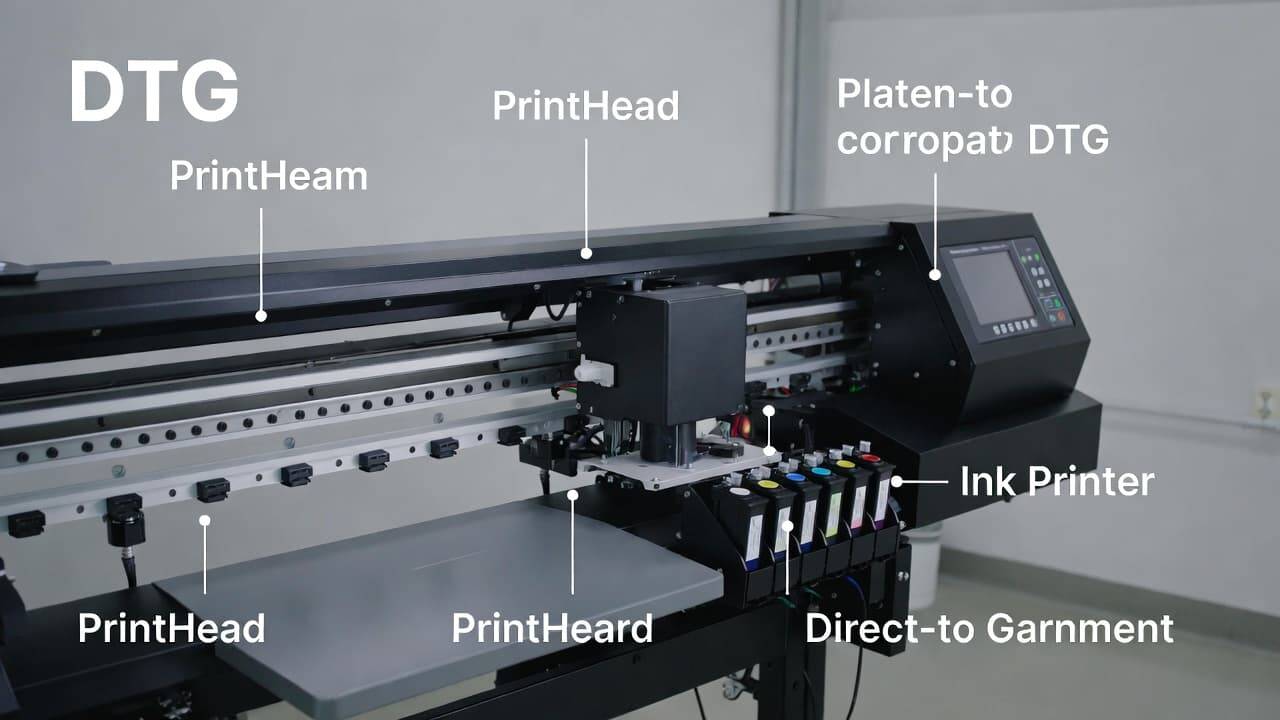 n of Training
The first step in any effective training program is ensuring that your team fully understands the printer and its components.
Major DTG Printer Components
Printhead
Ink cartridges and ink system
Platen
Capping station
Cleaning system
Control panel
Operators should know what each component does and how it affects the final print quality. A solid understanding reduces operational errors and prevents unnecessary damage.
Machine Setup and Calibration
Improper setup is one of the main causes of production errors. Staff training should include:
Correct platen height adjustment
Proper garment placement
Accurate alignment
Pre-treatment application techniques
Correct curing temperature and timing
When setup is done correctly, the result is sharper prints, better color vibrancy, and longer-lasting designs.
Safe Operation Practices
Staff must also be trained in:
Correct startup and shutdown procedures
Safe ink storage
Handling garments without contamination
Preventing accidental ink spills
These practices extend the life of the machine and maintain production consistency.
Mastering DTG Printing Software
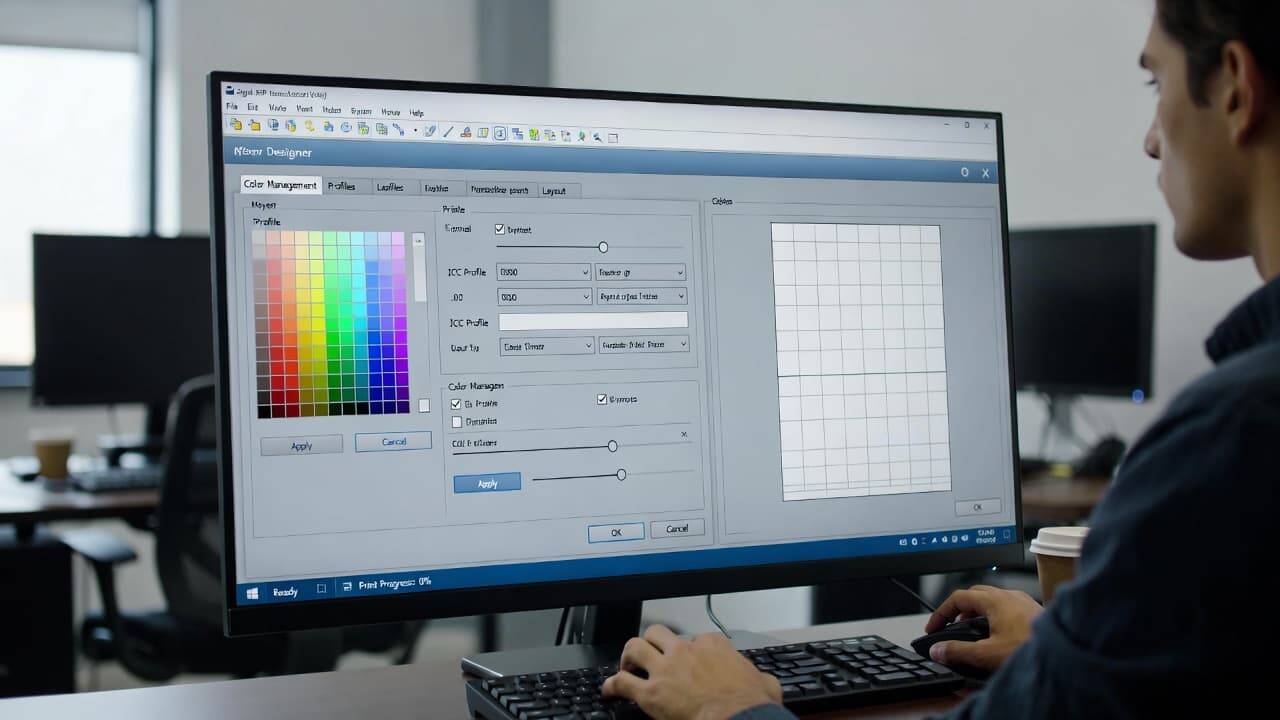
DTG printing is not only about hardware. The software plays a major role in determining print quality. Proper training in design preparation and RIP software usage is essential.
Design Preparation
Your team should understand:
High-resolution file requirements
Supported file formats
Transparent backgrounds
Color mode management
White ink underbase settings
Incorrect file preparation often results in faded or pixelated prints. Teaching staff to review artwork before printing saves time and materials.
Color Management and ICC Profiles
Color accuracy is crucial in DTG printing. Staff should learn:
How to apply ICC profiles
How to adjust ink density
Managing white ink layers
Optimizing designs for light and dark garments
Proper color management ensures that the printed result closely matches the digital design.
RIP Software Optimization
RIP software converts artwork into printable data. Training should include:
Selecting appropriate print modes
Adjusting resolution settings
Managing print queues efficiently
Balancing speed and quality
Skilled operators can increase production speed without compromising print quality.
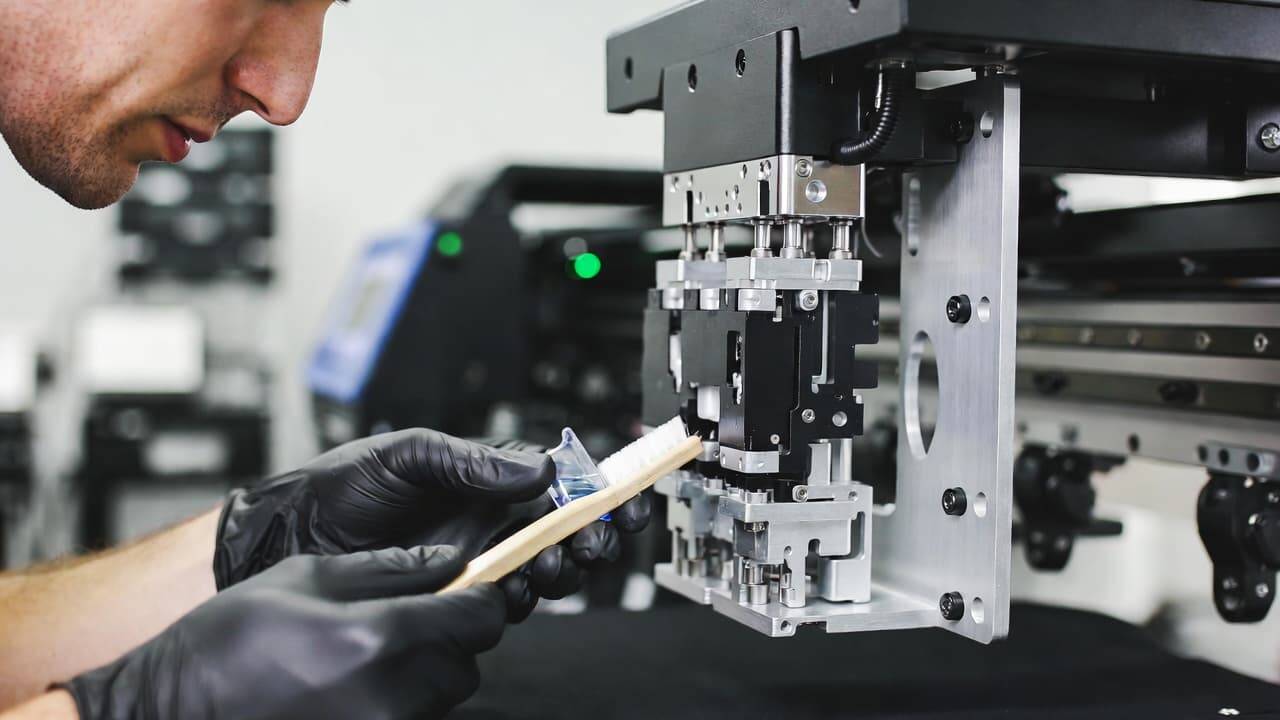 reventive Care
Maintenance is one of the most critical aspects of DTG training. Many operational problems occur due to neglect or improper cleaning.
Daily Maintenance Routine
Perform nozzle checks
Clean printhead area
Wipe capping station
Check ink levels
Clean platen surface
These simple daily tasks prevent serious technical issues and maintain print consistency.
Weekly and Monthly Maintenance
Deep cleaning cycles
Inspect ink lines and dampers
Check firmware updates
Inspect curing equipment
Preventive maintenance reduces unexpected breakdowns and costly repairs.
Basic Troubleshooting Skills
Operators should be able to identify and resolve minor issues such as:
Banding lines in prints
Color inconsistency
Ink splatter
Print misalignment
Weak white underbase
Quick troubleshooting minimizes production delays and keeps orders on schedule.
Quality Control in DTG Production
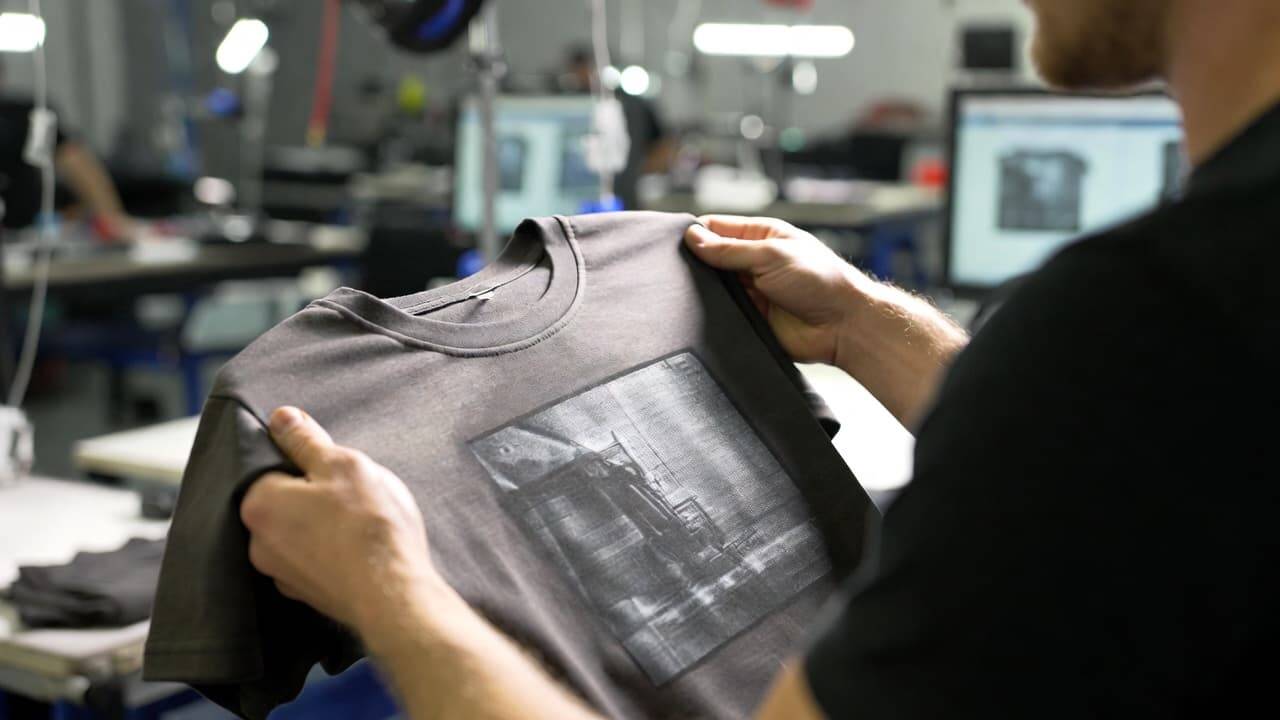
Quality control ensures that every garment meets your brand standards before it reaches the customer.
Pre-Print Inspection
Verify garment size and color
Check pre-treatment consistency
Confirm artwork positioning
Inspect garment surface
Post-Print Inspection
Check color accuracy
Inspect alignment
Ensure proper ink coverage
Verify curing quality
Look for smudges or defects
Implementing a standardized inspection checklist reduces customer complaints and returns.
Wash Testing for Durability
Periodic wash testing helps ensure that prints maintain their vibrancy and durability over time. Teaching staff how to perform wash tests strengthens quality assurance.
Optimizing Workflow for Faster DTG Production
Efficiency is a major competitive advantage. Training should focus on improving workflow across departments.
Smart Production Planning
Batch similar orders together
Organize garments by type
Prioritize urgent jobs
Reduce machine idle time
Role Distribution
In larger operations, dividing responsibilities improves productivity:
Artwork preparation specialist
Pre-treatment operator
Printer operator
Curing and packaging staff
Clear role assignments reduce confusion and increase efficiency.
Customer-Centric DTG Training
Production quality directly impacts customer satisfaction. Staff should understand how to handle custom orders professionally.
Managing Custom Orders
Name personalization
Small batch printing
Urgent requests
Design adjustments
Setting Realistic Expectations
Training should include communication skills to explain:
Possible color variations
Fabric limitations
Print size constraints
Clear communication prevents misunderstandings and builds trust.
Long-Term Business Growth Through Skilled DTG Staff
A well-trained team allows you to expand confidently into new markets and product lines. With improved expertise, you can introduce:
Premium apparel collections
Eco-friendly ink solutions
Faster turnaround services
Advanced customization options
Skilled staff create a strong foundation for sustainable growth and brand reputation.
Conclusion
Direct-to-Garment printing offers unmatched flexibility and customization in the modern apparel industry. However, the true power of a DTG printer lies in the expertise of the people operating it. By investing in structured training, you ensure consistent print quality, reduced downtime, optimized workflow, and higher customer satisfaction.
When your team is confident, skilled, and proactive, your DTG printing business becomes more profitable, reliable, and ready for long-term success.
Explore our high-quality DTG printers here
Frequently Asked Questions
Why is staff training important for DTG printing?
Staff training ensures proper machine operation, maintenance, and troubleshooting, which leads to consistent print quality and reduced downtime.
What should DTG training include?
Training should cover machine components, software handling, maintenance procedures, troubleshooting, quality control, and workflow optimization.
How does DTG training improve profitability?
Proper training reduces production errors, lowers waste, improves turnaround times, and enhances print quality, which increases customer satisfaction and revenue.
How often should DTG staff receive training?
Initial training is essential, but regular refresher sessions are recommended to keep up with software updates, new materials, and improved techniques.