

 HOME
HOME PRODUCT CENTER
 ABOUT US
 DOWNLOAD CENTER
 SUPPORT CENTER
 SUBSCRIBE
 BLOG
BLOGUnderstanding DTG Printing in a Production Environment
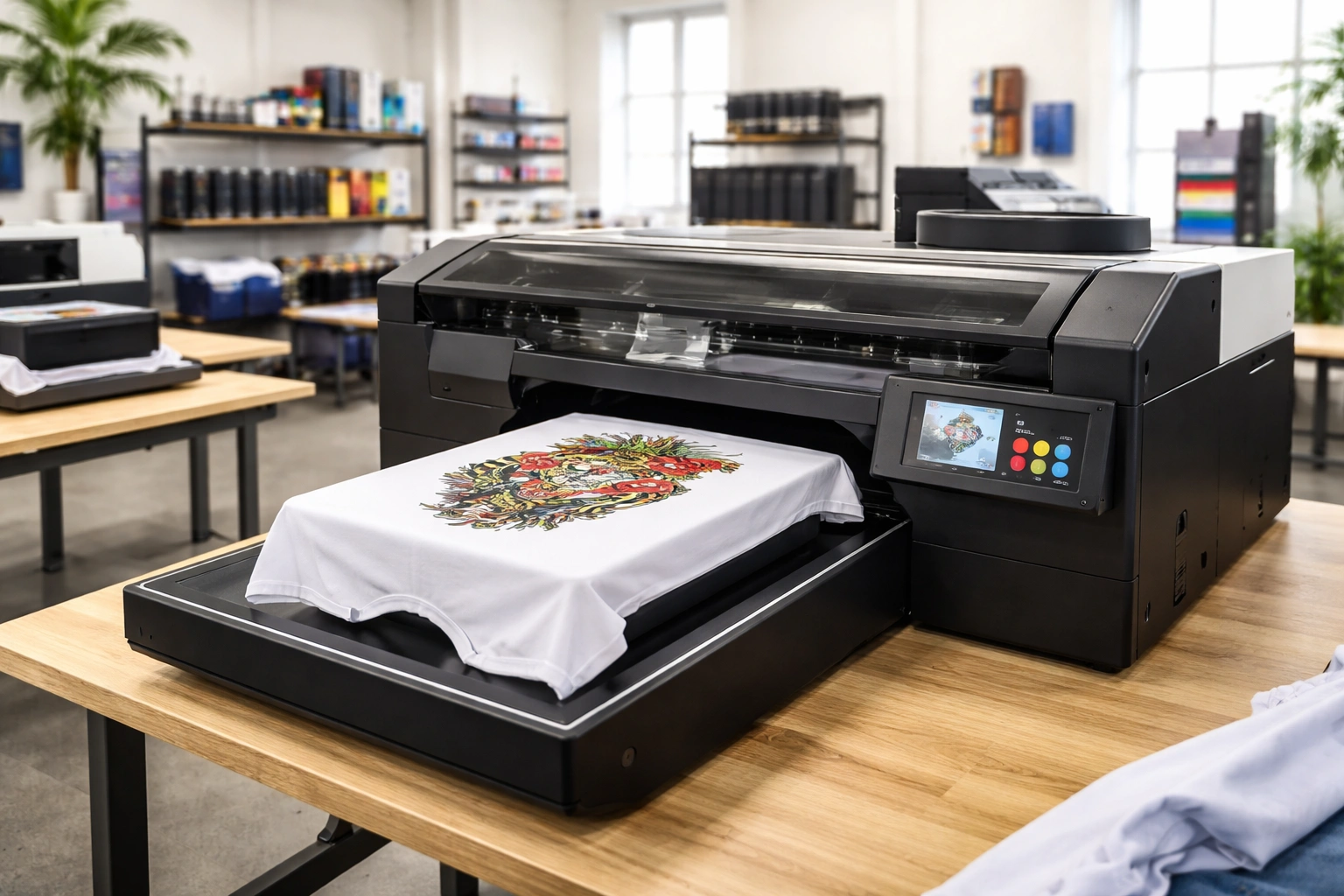
Before diving into training strategies, it is important that staff understand what makes DTG printing unique.
DTG printing is a digital process that uses specialized inkjet technology to apply water-based textile inks directly onto garments. The process typically includes:
Preparing the artwork digitally
Pre-treating the garment (especially for dark fabrics)
Printing the design directly onto the fabric
Curing the ink to ensure durability
Each step requires precision and attention to detail. Unlike traditional printing methods, DTG does not leave much room for error. Small mistakes in file setup, pre-treatment application, or machine maintenance can lead to inconsistent colors, poor wash fastness, or rejected garments.
This is why structured staff training is not optional—it is essential.
Why Staff Training Is Critical for DTG Print Production
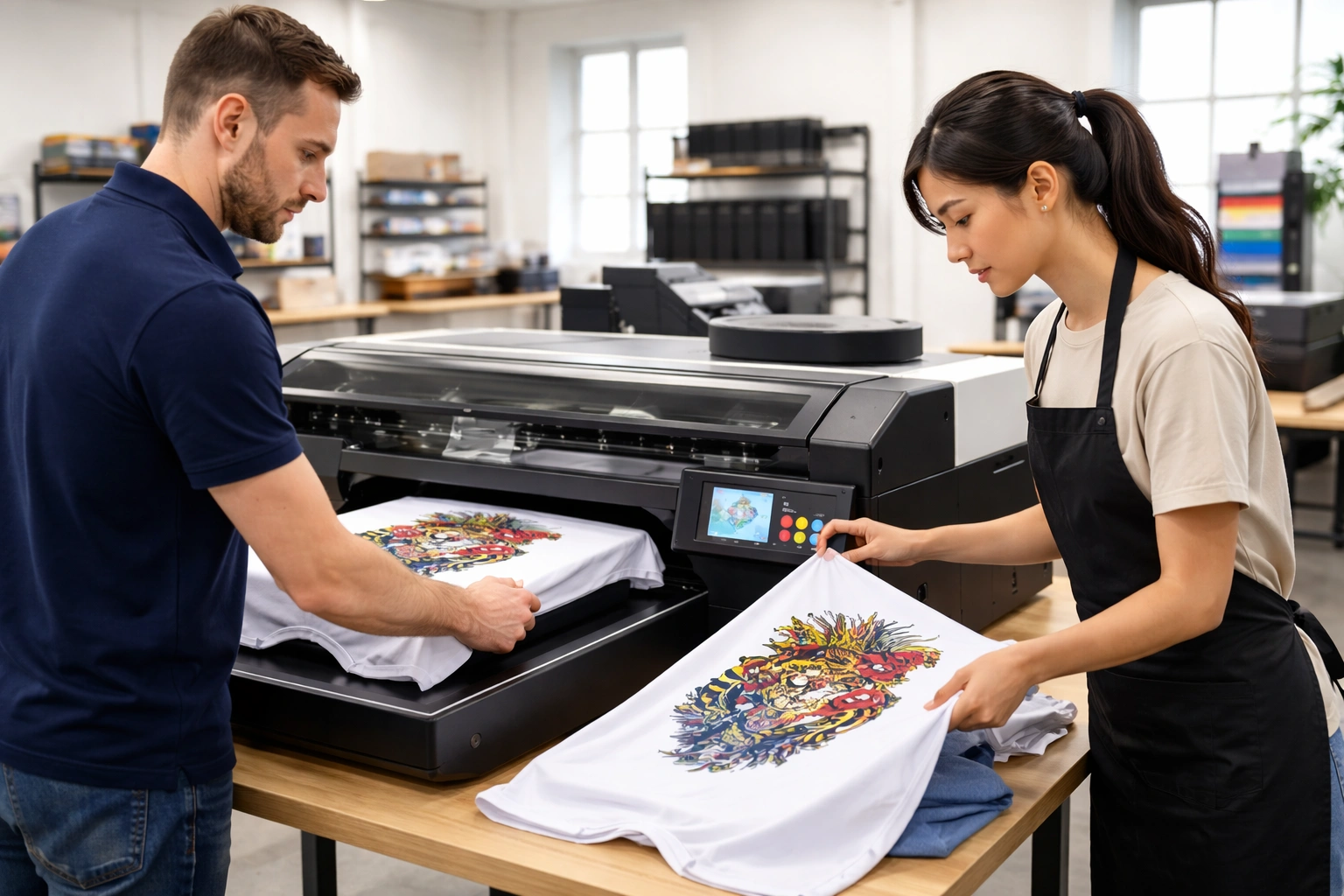
1. Maximizing Printer Performance
A DTG printer is a sophisticated piece of equipment. Trained operators understand optimal print settings, ink behavior, fabric compatibility, and environmental conditions such as humidity and temperature. This knowledge allows them to get the best possible output from the machine without pushing it beyond safe operating limits.
2. Reducing Errors and Waste
Untrained or poorly trained staff are more likely to make mistakes that result in misprints, ink wastage, or damaged garments. Effective training helps employees identify potential issues early, reducing costly errors and material loss.
3. Minimizing Downtime
Downtime is one of the biggest threats to profitability in DTG printing. Staff trained in routine maintenance and basic troubleshooting can resolve minor issues quickly, preventing long interruptions and expensive service calls.
4. Ensuring Consistent Print Quality
Consistency is key to building customer trust. When staff follow standardized procedures and quality checks, every print meets the same high standards—regardless of order size.
5. Supporting Business Scalability
As order volume increases, businesses often struggle if processes are not standardized. A trained team can handle higher workloads efficiently, making it easier to scale operations without sacrificing quality.
Key Roles in a DTG Production Team
Effective training should be role-specific. Each team member contributes differently to the production workflow.
DTG Printer Operators
Responsible for machine setup, printing, daily maintenance, and troubleshooting.
Graphic Designers
Handle artwork preparation, color management, and file optimization for DTG printing.
Pre-Treatment and Curing Staff
Ensure correct application of pre-treatment solutions and proper curing of printed garments.
Quality Control Personnel
Inspect finished garments for defects, color accuracy, and alignment.
Sales and Customer Support Staff
Communicate production capabilities, timelines, and design limitations to customers.
Training programs should address the unique responsibilities of each role while maintaining a shared understanding of the overall process.
Core Components of Effective DTG Print Production Training

1. In-Depth Equipment Knowledge
Staff must understand the DTG printer inside and out. Training should cover:
Printer components and their functions
Ink delivery systems and circulation
Print heads and nozzle behavior
Platen types and garment positioning
Startup and shutdown procedures
When operators understand how the machine works, they can identify abnormal behavior early and take corrective action before problems escalate.
2. DTG Software and RIP Training
DTG printing relies heavily on software. Proper training should include:
Artwork preparation and file formats
Resolution and image scaling best practices
Color profiles and ICC management
White ink settings for light and dark garments
Layering, underbase, and color optimization
Staff should be able to confidently adjust settings based on fabric type, design complexity, and customer requirements.
3. Fabric and Garment Knowledge
Not all garments behave the same way in DTG printing. Training should cover:
Differences between cotton, blends, and treated fabrics
Fabric weight and weave impact on print quality
Light vs. dark garment considerations
Shrinkage and ink absorption behavior
This knowledge helps staff select the right garments and adjust printing parameters accordingly.
4. Pre-Treatment Application Techniques
Pre-treatment is one of the most critical steps in DTG printing, especially for dark garments. Poor application can ruin prints.
Training should include:
Choosing the correct pre-treatment solution
Proper spray or machine application techniques
Avoiding over- or under-application
Drying methods before printing
Consistency at this stage directly affects color vibrancy and durability.
5. Print Execution and Workflow Efficiency
Operators should be trained on:
Proper garment loading and alignment
Platen height adjustments
Batch processing for efficiency
Avoiding contamination between prints
Well-organized workflows reduce production time and improve output consistency.
6. Curing and Post-Print Handling
Incorrect curing can lead to fading, cracking, or peeling. Training should address:
Recommended curing temperatures and times
Differences between heat press and conveyor dryer curing
Handling garments after curing
Wash test procedures to verify durability
Understanding curing ensures that prints meet long-term quality expectations.
7. Routine Maintenance and Cleaning
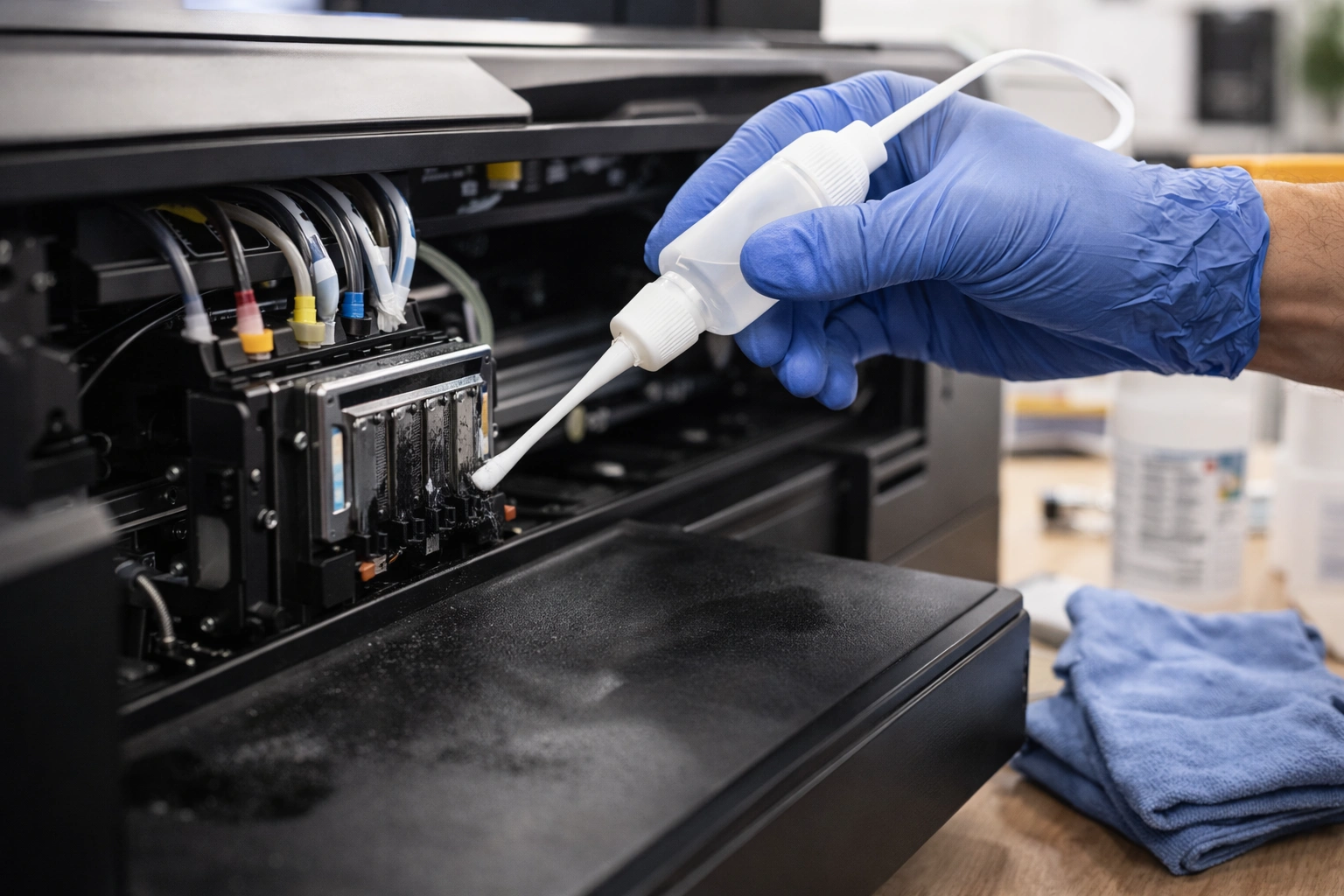
Preventive maintenance is crucial for DTG printers. Training should include:
Daily print head cleaning routines
Ink system flushing procedures
Weekly and monthly maintenance checklists
Safe ink storage and handling
Environmental control (humidity and temperature)
Regular maintenance extends printer lifespan and ensures consistent performance.
8. Basic Troubleshooting Skills
Staff should be trained to identify and resolve common issues such as:
Banding or missing lines in prints
Ink clogging and nozzle dropouts
Color inconsistencies
Pre-treatment marks or stains
Software communication errors
Quick troubleshooting minimizes downtime and keeps production on schedule.
Quality Control and Inspection Training
Quality control is the final checkpoint before a garment reaches the customer.
Training should focus on:
Visual inspection standards
Color accuracy checks
Print alignment verification
Texture and hand-feel evaluation
Packaging and storage best practices
Clear quality benchmarks help staff make consistent decisions and reduce customer complaints.
Creating a Structured DTG Training Program
Step 1: Assess Skill Levels
Begin by evaluating current staff knowledge and experience. Identify gaps in technical skills, software usage, or quality control understanding.
Step 2: Develop Standard Operating Procedures (SOPs)
Document every step of the DTG production process. SOPs ensure consistency and make onboarding new employees easier.
Step 3: Combine Theory with Hands-On Practice
Classroom-style explanations should be paired with supervised practical sessions. Learning by doing is essential in DTG printing.
Step 4: Assign Mentors
Experienced operators can mentor new staff, accelerating learning and promoting best practices.
Step 5: Schedule Regular Refresher Training
Technology, inks, and garments evolve. Ongoing training keeps staff updated and prevents bad habits from forming.
Measuring the Impact of Training
To ensure training effectiveness, track key performance indicators such as:
Print rejection rates
Ink and garment wastage
Average production time per order
Printer downtime frequency
Customer feedback and repeat orders
Positive trends in these metrics indicate that training investments are paying off.
Benefits of Investing in DTG Staff Training
A well-trained team delivers measurable business advantages:
Faster order fulfillment
Lower operating costs
Higher print consistency
Increased customer trust
Improved employee confidence and retention
Training transforms DTG printing from a technical challenge into a scalable, profitable operation.
Common Training Mistakes to Avoid
Relying only on vendor demos without internal SOPs
Skipping maintenance training
Ignoring software and color management education
Not updating training as equipment or inks change
Treating training as a one-time event
Avoiding these pitfalls ensures long-term success.
Future-Proofing Your DTG Workforce
As DTG technology advances, staff must adapt. Encourage a culture of learning by:
Providing access to updated resources
Encouraging experimentation within controlled limits
Promoting cross-training across roles
Staying informed about industry trends
A future-ready team keeps your business competitive.

Conclusion
Training staff for efficient DTG print production is one of the most valuable investments a printing business can make. While DTG technology offers unmatched flexibility and quality, its true potential is unlocked only when operators, designers, and support staff are properly trained.
A structured, role-based training program improves print quality, reduces downtime, minimizes waste, and enhances customer satisfaction. More importantly, it creates a confident, skilled team capable of scaling your business sustainably.Explore our high-quality DTG printers here
In an industry where precision and consistency define success, well-trained staff are your strongest asset.
Frequently Asked Questions (FAQ)
Why is staff training essential for DTG print production?
Training ensures that staff can operate, maintain, and troubleshoot DTG printers effectively, leading to better print quality, reduced downtime, and higher productivity.
What areas should DTG training focus on?
Key areas include equipment operation, DTG software, fabric handling, pre-treatment, curing, maintenance, troubleshooting, and quality control.
How often should DTG staff be trained?
Initial training should be followed by regular refresher sessions, especially when introducing new equipment, inks, or workflows.
Can training really improve profitability?
Yes. Proper training reduces waste, improves efficiency, and increases customer satisfaction, all of which directly impact profitability.
Is ongoing training necessary even for experienced operators?
Absolutely. Continuous training helps experienced staff stay updated with new techniques, prevent bad habits, and adapt to industry changes.