

 HOME
HOME PRODUCT CENTER
 ABOUT US
 DOWNLOAD CENTER
 SUPPORT CENTER
 SUBSCRIBE
 BLOG
BLOGDTG Printing for Kids Apparel and Onesies
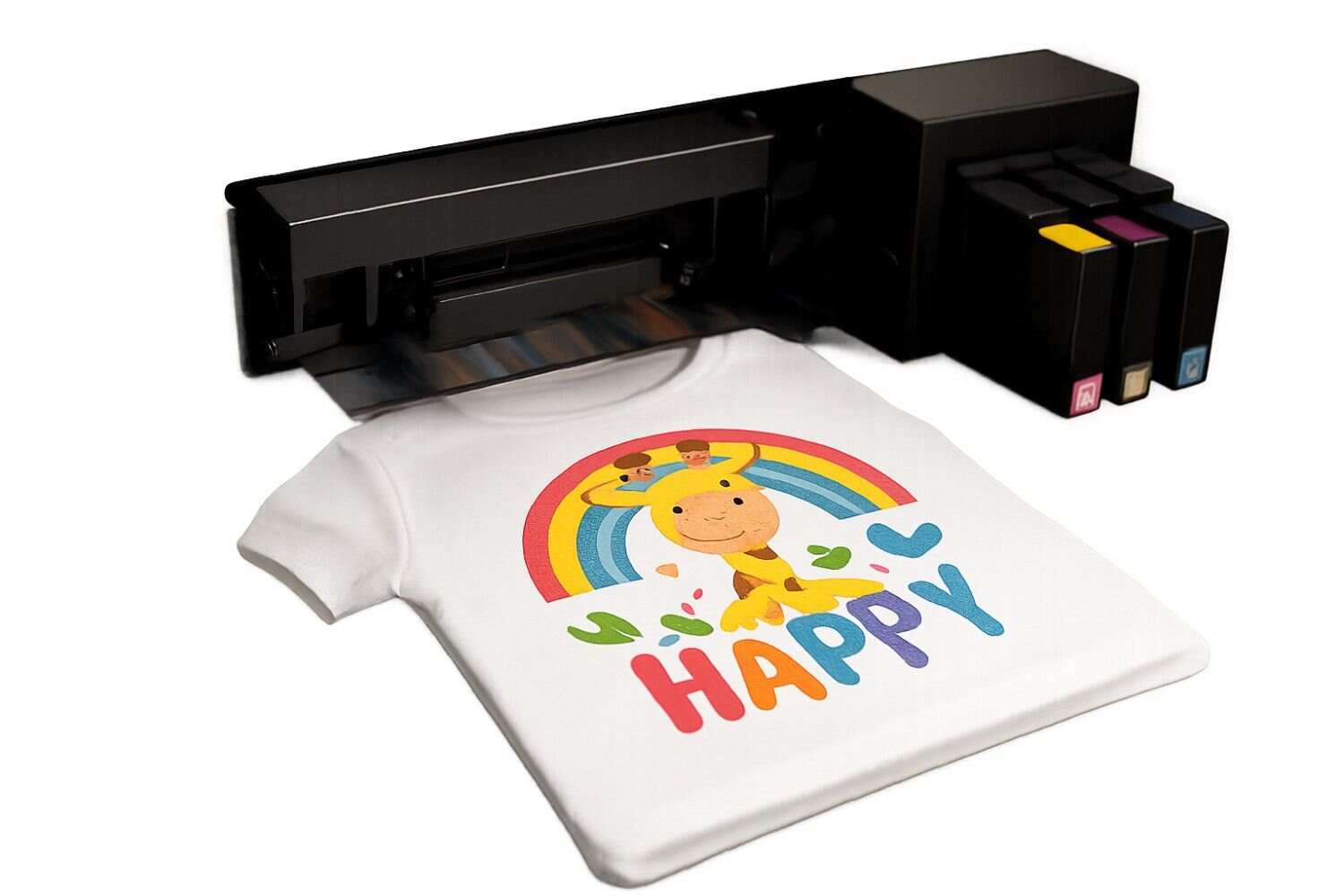
Direct-to-Garment (DTG) printing has reshaped the modern apparel industry by making high-quality, customized clothing accessible to brands of all sizes. What was once limited to large-scale manufacturers using complex and expensive printing methods is now achievable by small businesses, startups, and even individual creators. DTG technology has proven especially valuable in the niche of children’s apparel and baby onesies, where personalization, comfort, safety, and visual appeal are top priorities.
Parents today actively seek unique clothing for their children—garments that reflect personality, celebrate milestones, or carry emotional value through custom names, illustrations, or messages. DTG printing meets this demand perfectly by allowing intricate, colorful designs to be printed directly onto fabric with exceptional accuracy. Unlike traditional methods that require bulk production, DTG supports on-demand printing, enabling brands to fulfill custom orders efficiently without holding excess inventory.
This in-depth guide explores DTG printing from a practical and business-focused perspective. It explains how the technology works, why it is ideal for kids’ clothing and onesies, how to use it effectively, and how businesses can optimize it for quality, durability, and profitability. Whether you are launching a new children’s clothing brand or expanding an existing print operation, understanding DTG printing can give you a strong competitive edge.
What Is DTG Printing?
DTG printing is a digital garment printing process where specialized inkjet printers apply water-based inks directly onto fabric. The printer functions similarly to a high-end paper inkjet printer but is engineered specifically for textiles. Instead of transferring designs through screens, films, or heat presses, DTG prints the artwork straight onto the garment surface.
This direct application allows DTG printers to reproduce complex artwork with fine details, smooth color gradients, and photorealistic effects. The inks are absorbed into the fibers of the fabric, creating a soft, breathable print that feels natural to the touch—an essential quality for children’s and baby clothing.
DTG printing works best on cotton or cotton-rich fabrics, which readily absorb water-based inks. With proper pretreatment and curing, DTG prints can achieve excellent color vibrancy and wash durability, making them suitable for everyday wear.
Why DTG Printing Is Ideal for Kids’ Apparel and Onesies
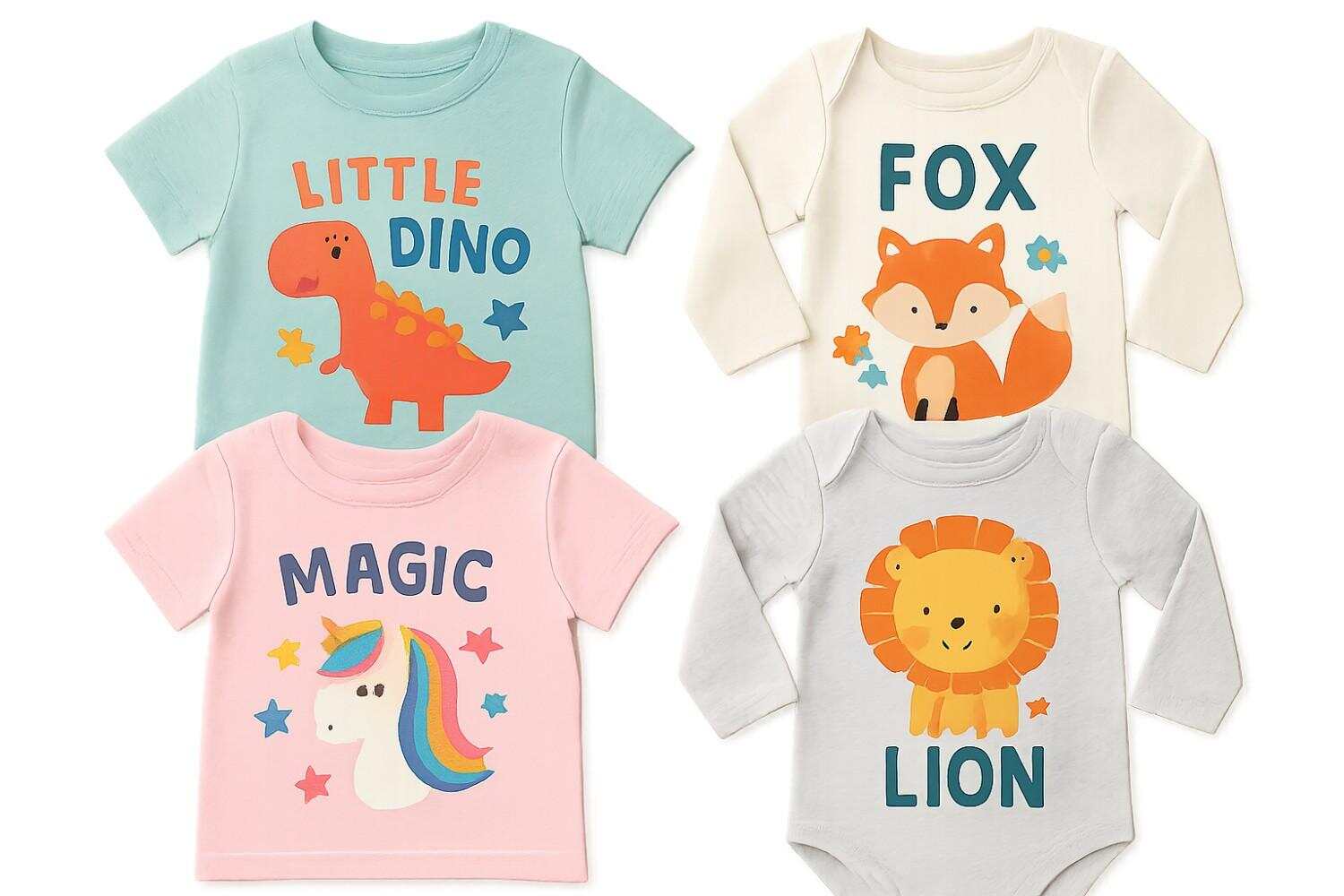
Children’s clothing has unique requirements that set it apart from adult apparel. DTG printing aligns well with these needs, making it one of the most suitable printing technologies for this segment.
Soft and Comfortable Prints
Comfort is critical for kids and babies, especially for onesies worn directly against sensitive skin. DTG inks penetrate the fabric rather than sitting heavily on top, resulting in prints that are soft and flexible. This ensures that garments remain comfortable even after repeated washing and extended wear.
Safe and Eco-Friendly Inks
Most DTG printers use water-based, non-toxic inks that are safe for children’s clothing. These inks are generally free from harsh chemicals and are designed to comply with international safety standards. This makes DTG an excellent choice for baby apparel where safety concerns are paramount.
Unlimited Design Possibilities
Kids’ clothing often features playful illustrations, colorful characters, personalized names, and creative typography. DTG printing supports unlimited colors and intricate details without additional setup costs, allowing designers to bring imaginative concepts to life without compromise.
Perfect for Customization and Personalization
From birthday outfits to newborn announcement onesies, personalization is a major driver in children’s fashion. DTG printing enables one-off custom designs without increasing production costs significantly, making it ideal for personalized orders.
Cost-Effective for Small Batches
Traditional printing methods become expensive for small quantities due to setup requirements. DTG eliminates most setup costs, making it economical to produce single pieces or small batches—perfect for online stores, boutiques, and made-to-order business models.
Key Benefits of DTG Printing
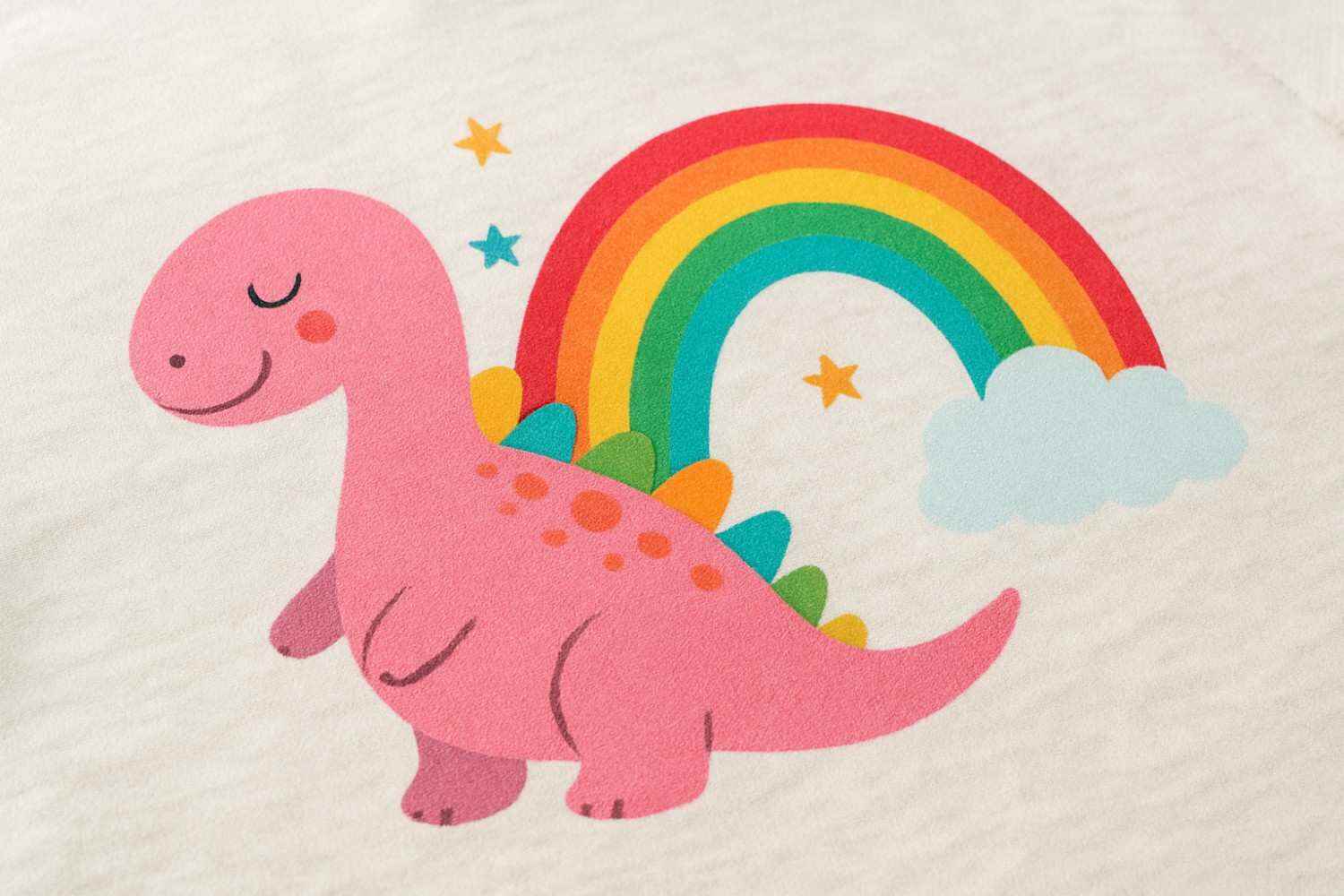
High-Resolution and Detailed Output
DTG printers are capable of producing sharp, high-resolution prints with fine lines and smooth color transitions. This level of detail is difficult to achieve consistently with screen printing or heat transfer methods, especially on small garments.
No Minimum Order Requirement
One of the strongest advantages of DTG printing is the absence of minimum order quantities. Businesses can print exactly what they need, when they need it, reducing waste and storage costs.
Faster Turnaround Times
Once the design is prepared and the garment is pretreated, DTG printing is a fast process. This allows businesses to fulfill orders quickly, which is especially important in the competitive e-commerce environment.
Scalability for Growing Brands
DTG printing supports gradual business growth. Brands can start small with limited designs and scale up production as demand increases without changing their printing method.
Reduced Inventory Risk
Because DTG supports on-demand production, businesses can avoid overstocking and focus on fulfilling confirmed orders. This is particularly useful for seasonal or trend-based kids’ apparel.
Essential Features of DTG Printers
Precision Printhead Technology
Modern DTG printers are equipped with advanced printheads that deliver precise ink placement. This ensures consistent quality across prints, even for detailed and multi-colored designs.
Flatbed Garment Platform
The flatbed design allows garments to remain stable during printing, reducing the risk of misalignment or smudging. This feature is especially important when printing small items like baby onesies.
White Ink Capability
White ink is essential for printing on dark-colored garments. DTG printers with reliable white ink circulation systems can produce vibrant designs on both light and dark fabrics.
User-Friendly Software Integration
DTG printers typically integrate with professional RIP software, allowing users to manage color profiles, ink density, and design placement with precision.
Compatibility With Multiple Fabric Types
While cotton is ideal, many DTG printers can also handle cotton blends and treated polyester fabrics, expanding product possibilities for kids’ apparel lines.
Step-by-Step Guide to Using DTG Printing for Kids’ Apparel
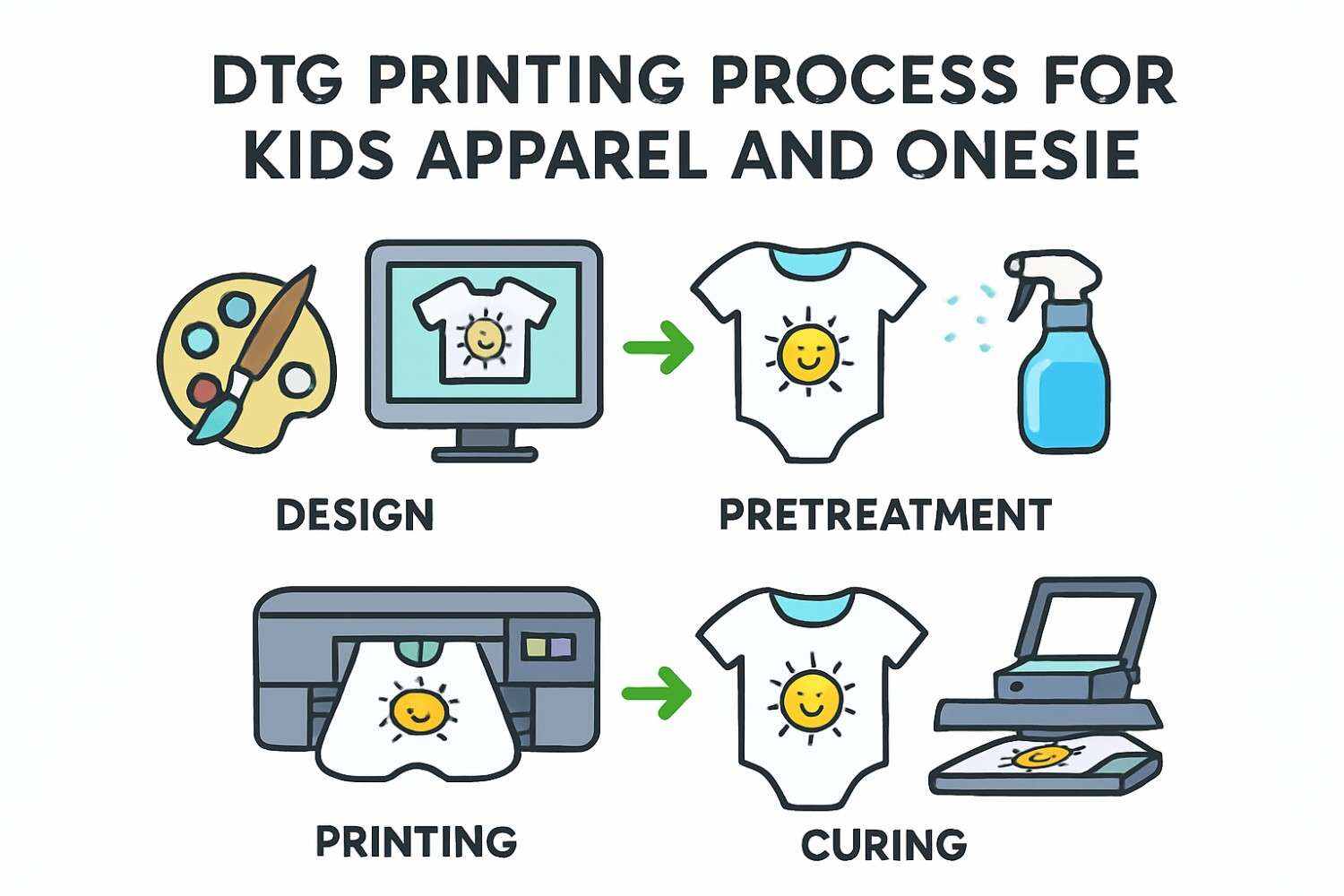
Step 1: Design Creation
Begin by creating your artwork using professional design software. High-resolution files ensure the best print quality. Pay close attention to colors, line thickness, and overall clarity, as DTG printing captures even the smallest details.
Step 2: Garment Selection
Choose high-quality garments made from cotton or cotton-rich blends. For kids’ apparel, softness, durability, and stitching quality are just as important as print compatibility.
Step 3: Pretreatment Process
Pretreatment prepares the fabric to receive ink properly, especially when printing white ink or working with dark garments. Apply pretreatment evenly and allow it to dry completely before printing.
Step 4: Garment Placement
Place the garment carefully on the printer’s platen, ensuring it is flat and properly aligned. Accurate placement prevents print distortion and ensures consistent results.
Step 5: Printing
Load your design into the printer software and initiate the print process. The printer will apply the inks directly onto the garment with precision.
Step 6: Curing
After printing, cure the garment using a heat press or conveyor dryer. Proper curing locks the ink into the fabric, ensuring wash durability and color stability.
Quality Control and Best Practices
Maintaining consistent quality is essential for building trust with customers, especially in the children’s apparel market.
Regular printer maintenance, proper pretreatment application, and accurate curing temperatures all play a critical role in achieving durable, vibrant prints. Washing and testing sample garments before selling them helps identify potential issues early.
DTG Printing vs Other Printing Methods
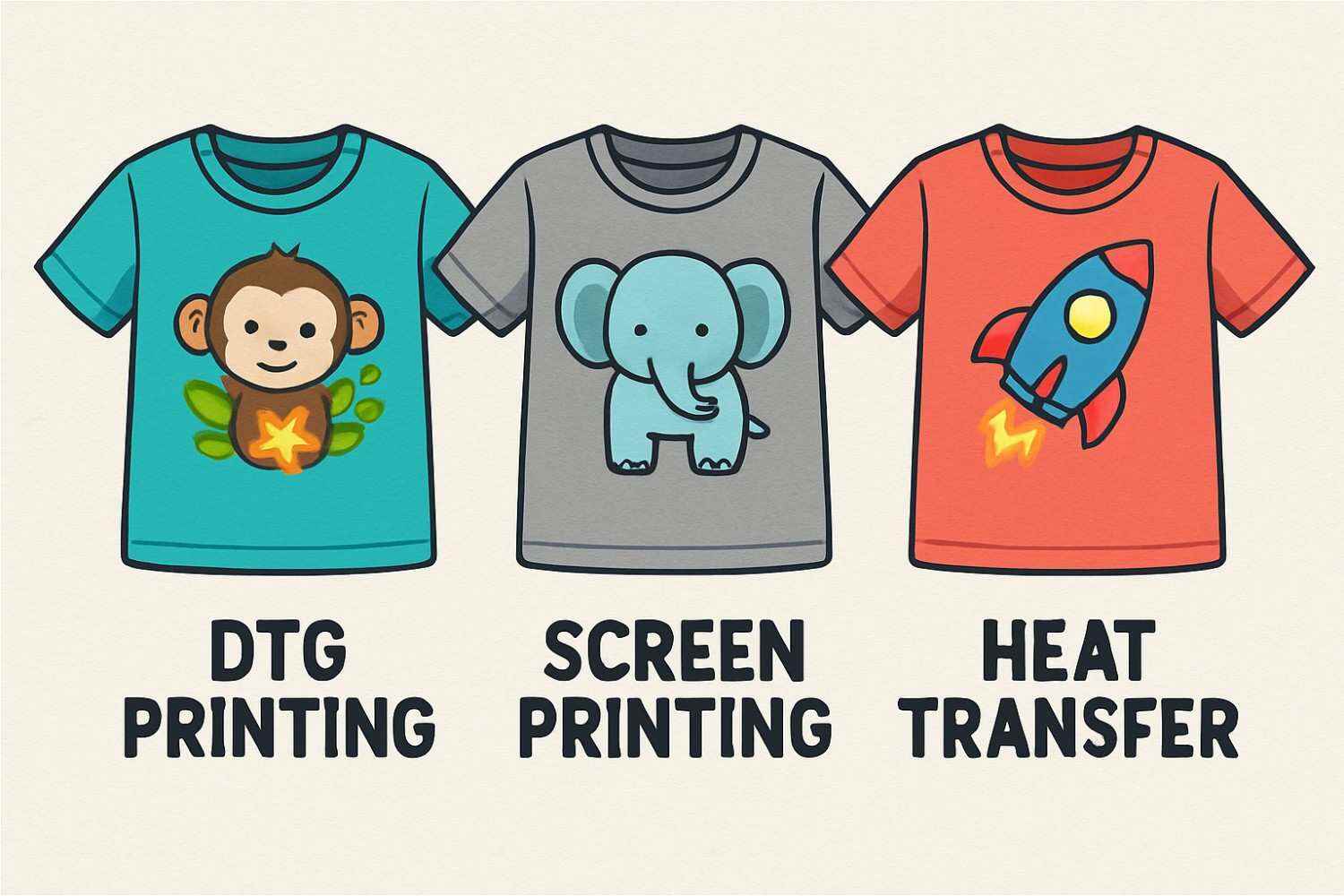
DTG printing stands out when compared to screen printing, heat transfer vinyl, and sublimation. Screen printing is cost-effective for bulk orders but lacks flexibility for small runs. Heat transfer methods can feel heavy and may crack over time. Sublimation is limited to polyester fabrics and light colors.
DTG printing offers the best balance of quality, flexibility, and comfort, making it particularly well-suited for kids’ clothing and onesies.
SEO and Business Advantages of DTG Printing
From an online business perspective, DTG printing supports fast product launches and trend responsiveness. Brands can test new designs quickly, respond to seasonal demand, and offer personalized products that improve customer engagement.
Optimizing product pages with keywords such as “DTG printed kids clothing,” “custom baby onesies,” and “personalized children’s apparel” can help attract organic traffic and improve search engine visibility.
Common Challenges and How to Overcome Them
DTG printing requires attention to detail. Issues such as poor pretreatment, incorrect curing, or low-quality garments can affect results. Investing in proper training, quality materials, and routine maintenance minimizes these challenges and ensures long-term success.
Conclusion
DTG printing has emerged as one of the most effective and versatile technologies for creating custom kids’ apparel and onesies. Its ability to produce soft, detailed, and vibrant prints on demand makes it an ideal solution for modern clothing brands focused on personalization and quality.
By understanding the DTG printing process, investing in the right equipment, and following best practices, businesses can create safe, comfortable, and visually appealing garments that meet the expectations of today’s parents. As the demand for customized children’s clothing continues to grow, DTG printing stands out as a future-ready solution that combines creativity, efficiency, and profitability.