

 HOME
HOME PRODUCT CENTER
 ABOUT US
 DOWNLOAD CENTER
 SUPPORT CENTER
 SUBSCRIBE
 BLOG
BLOG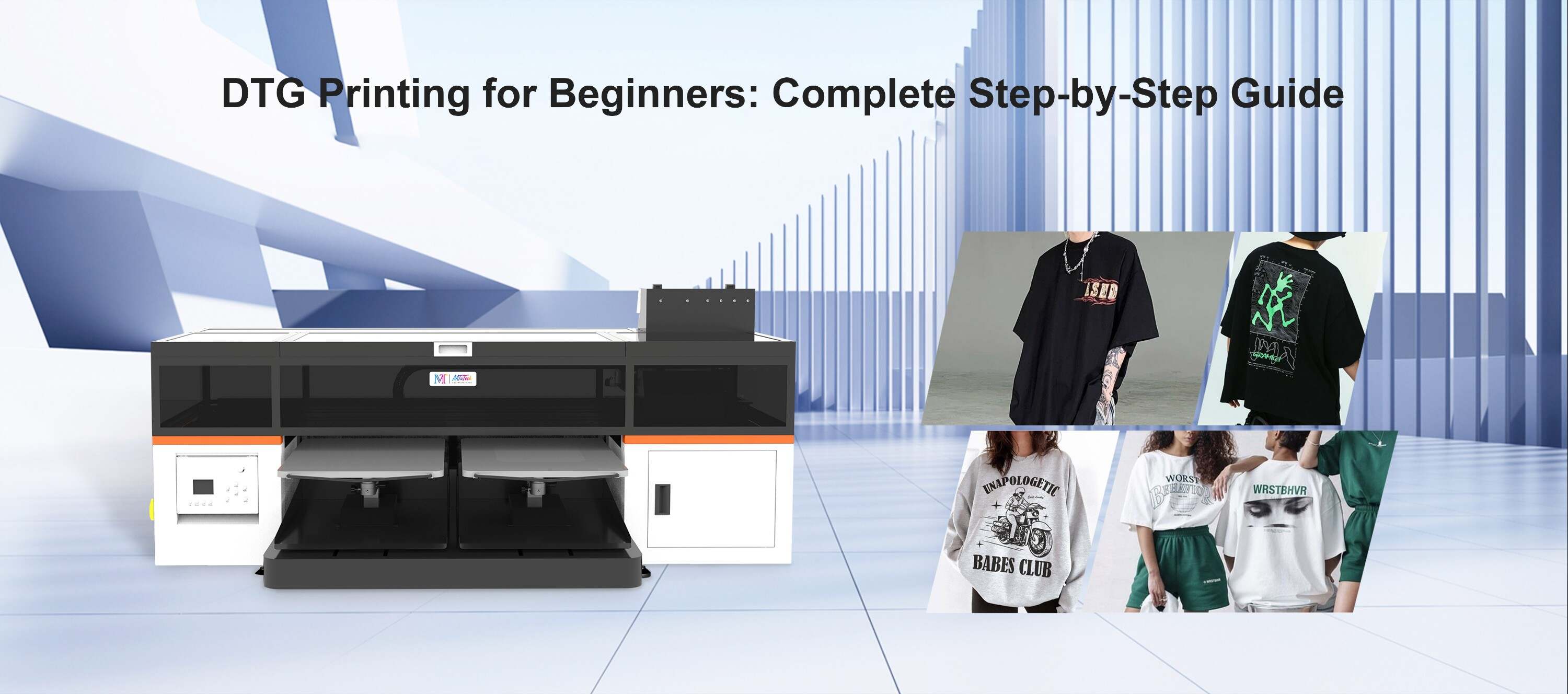 Direct-to-garment (DTG) printing is a high-caliber printing methodology that creates vibrant, long-lasting, high-resolution prints directly on a variety of garments. Yet, as with many complex processes, consistent and reliable results require consistent and controlled conditions. Among the critical factors affecting the DTG print process's consistency and quality, humidity control plays a crucial role, sometimes overlooked. Understanding and managing this aspect can significantly amplify your DTG printing's success, longevity, and overall quality.
Introduction
DTG printing involves applying specialized ink directly onto the textile's surface, which is then absorbed by the fibers. The process thrives in a controlled environment—the right temperature, the right pressure, and critically, the correct humidity. If the surrounding air's moisture content is too high or too low, it can drastically impact the print outcome, leading to less-than-optimal results and potential waste of resources.
The Importance of Humidity Control in DTG Printing
Humidity control in the DTG printing process is a balancing act—too much or too little of it can negatively impact print quality and consistency. Here's why it matters:
Prevents Ink Clogging
One of the main issues related to low humidity levels is ink clogging. In an environment that is too dry, the water component of the DTG ink can evaporate quickly, causing the ink to thicken and potentially clog the printer's nozzles. Maintaining an appropriate humidity level ensures smooth ink flow and prevents equipment damage.
Enhances Print Duration
In a controlled humidity environment, the printed garments last longer with heightened colors vibrancy. This is because sufficient moisture prevents the premature curing of ink, leading to a proper bonding of ink with the fabric during the curing process.
Fosters Ink Consistency
Specific humidity levels maintain the right ink viscosity, ensuring the inkjet printheads deliver the ink effectively. This consistency leads to sharper images and more detailed prints.
Optimizing Humidity Control
For leading-edge, high-quality DTG print production, humidity control is crucial. However, just understanding its importance is not enough—one also needs practical measures to optimize humidity control in their workspaces. Some of the proven techniques include:
Installing Humidifiers
Humidifiers can regulate a workspace's moisture level, ensuring it remains within the recommended range for DTG printing— typically between 40 and 60 percent relative humidity.
Using Dehumidifiers
In some climates, the humidity level may be naturally higher than the ideal range for DTG printing. In these situations, a dehumidifier can reduce moisture in the air, preventing issues associated with high humidity such as slow drying times, print bleeding and diluted colors.
Environment Control
Sealing off the print area from external influences and regularly monitoring the room's temperature and humidity can help keep conditions stable and optimal for DTG printing.
Conclusion
Consistent DTG print quality is not limited to exceptional machinery or superior quality inks—it's also about controlling your print environment, including optimal humidity. By incorporating robust humidity control measures into your workspace, you can elevate the efficiency of the DTG printing process, enhance your print's longevity, and increase yield quality.
If you're looking to take your business to new heights by pitching in the best quality prints, don't overlook the role of humidity control in the process. And to ensure you are using premium machinery, you might want to explore our range of high-quality DTG printers here.
FAQ
What is the ideal humidity level for the DTG printing?
The recommended humidity level for DTG printing usually falls between 40 and 60 percent relative humidity. However, the ideal conditions may vary slightly depending on the specific machine, ink formula, and fabric type.
Can too much humidity harm the DTG printing process?
Yes, too much humidity can lead to problems such as delayed ink drying times, color dilution, and print bleeding. It's crucial to balance humidity levels to prevent such issues and maintain optimal print quality.
What types of equipment can control humidity in DTG printing?
Humidifiers can increase humidity levels in dry climates, while dehumidifiers can reduce moisture levels in humid conditions. Both tools can help to maintain a stable, ideal humidity range for the DTG printing process.
Can I control the humidity level without using a humidifier or dehumidifier?
While a humidifier or dehumidifier can be helpful for controlling the air's moisture content, other measures can also be useful. Some strategies include sealing off the print area from external influences and monitoring indoor conditions closely to ensure they remain within the optimal range.