

 HOME
HOME PRODUCT CENTER
 ABOUT US
 DOWNLOAD CENTER
 SUPPORT CENTER
 SUBSCRIBE
 BLOG
BLOGCommon DTG Printer Mistakes Beginners Must Avoid
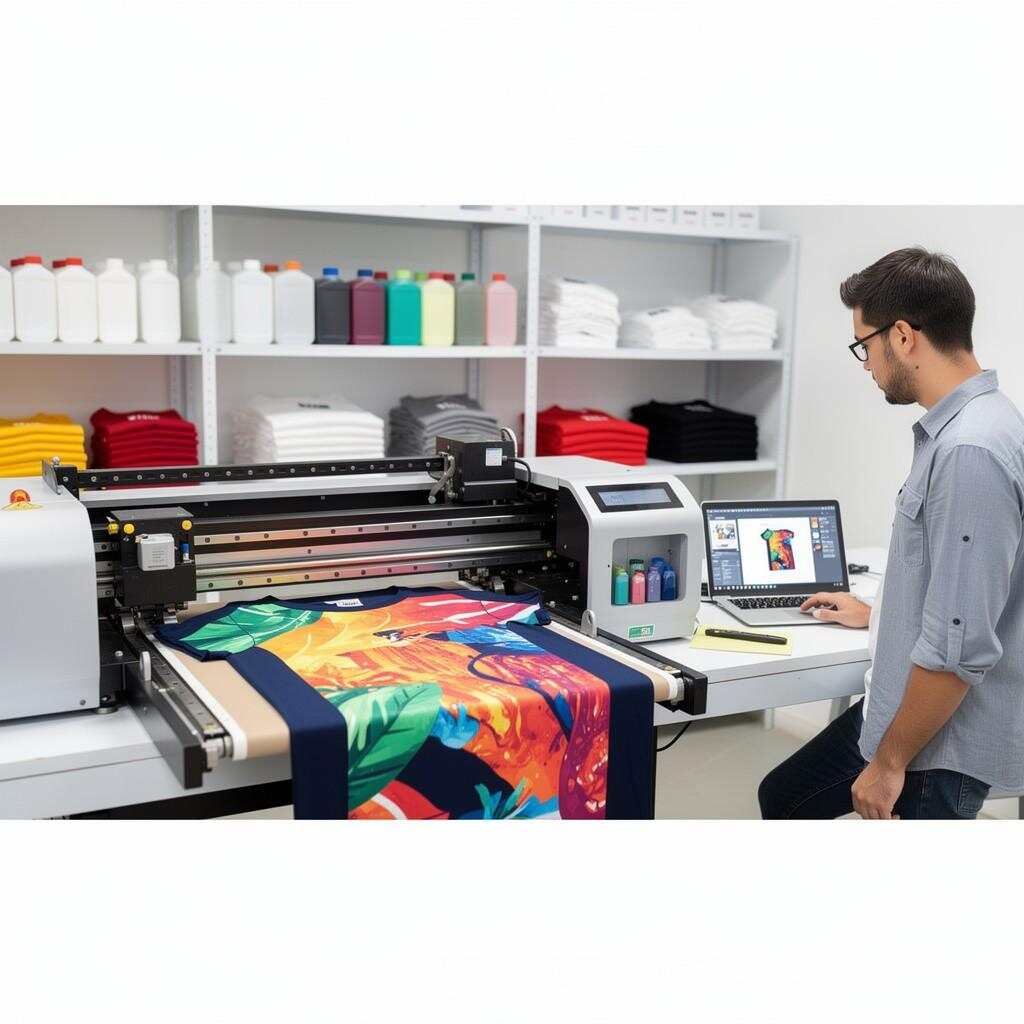
The custom apparel industry has experienced rapid growth over the last decade, and Direct-To-Garment (DTG) printing has become one of the most attractive entry points for entrepreneurs. With its ability to produce high-resolution, full-color designs directly onto fabric, DTG printing allows businesses to offer personalized clothing without large inventory risks. From startups and online sellers to print-on-demand brands, DTG printers are now central to many modern apparel businesses.
However, while DTG printing appears straightforward on the surface, many beginners underestimate the complexity involved in running a successful DTG printing operation. Purchasing a printer and accepting orders is not enough. A lack of preparation, poor equipment choices, and weak business strategies often lead to disappointing results, wasted money, and even business failure.
This in-depth guide explores the most common DTG printer mistakes beginners make when starting out. More importantly, it explains how to avoid these errors and build a sustainable, profitable DTG printing business. Whether you are planning to start a new DTG venture or already own a printer and want to improve your results, this article will help you make smarter decisions from day one.
Understanding DTG Printing Before You Begin
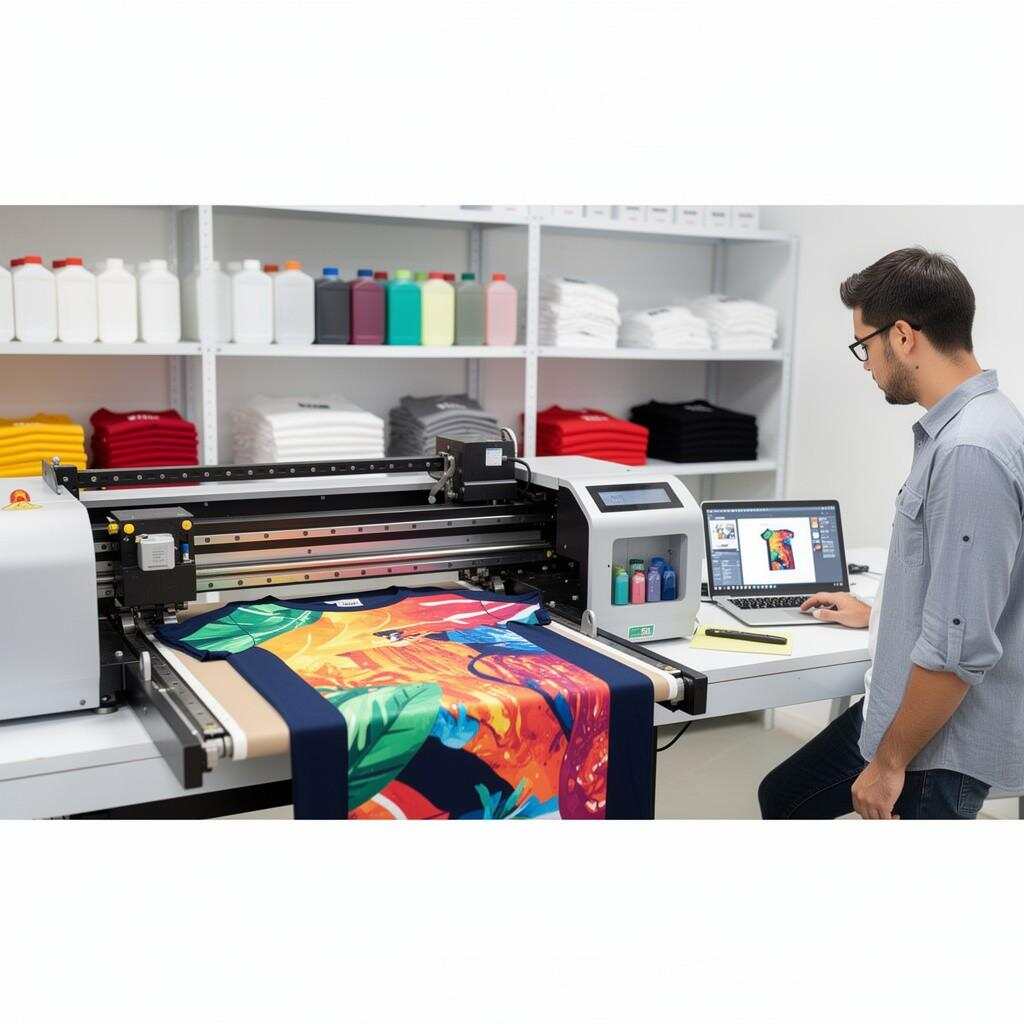
DTG printing is a digital printing method that uses specialized inkjet technology to apply water-based inks directly onto garments. Unlike screen printing, DTG allows for unlimited colors, fine details, and quick turnaround times without setup costs. This makes it ideal for short runs, custom orders, and on-demand production.
Despite these advantages, DTG printing also comes with technical requirements. Fabric type, garment preparation, ink chemistry, humidity control, and software settings all affect print quality. Beginners who overlook these factors often struggle with fading prints, clogged printheads, and inconsistent results.
A successful DTG business starts with a clear understanding of how the technology works and what it demands on a daily operational level.
Mistake 1: Skipping Proper Market Research
One of the biggest mistakes beginners make is jumping into the DTG business without understanding their market. Many entrepreneurs assume that custom T-shirts will automatically sell, but competition in the apparel space is intense.
Why Market Research Matters
Market research helps you identify:
Your ideal customer
Popular design trends
Price sensitivity
Competitor strengths and weaknesses
Demand gaps you can fill
Without this information, you risk offering products no one wants or pricing them incorrectly.
Consequences of Ignoring Market Research
Businesses that skip this step often face:
Low sales despite good print quality
Excessive competition with no differentiation
Poor profit margins
Confusion about branding and messaging
How to Avoid This Mistake
Before buying equipment or launching a website:
Study local and online competitors
Analyze popular niches such as streetwear, corporate apparel, events, or personalized gifts
Research keywords related to DTG printing and custom apparel
Talk to potential customers and gather feedback
A well-researched market strategy gives your DTG business a strong foundation.
Mistake 2: Buying the Wrong DTG Printer
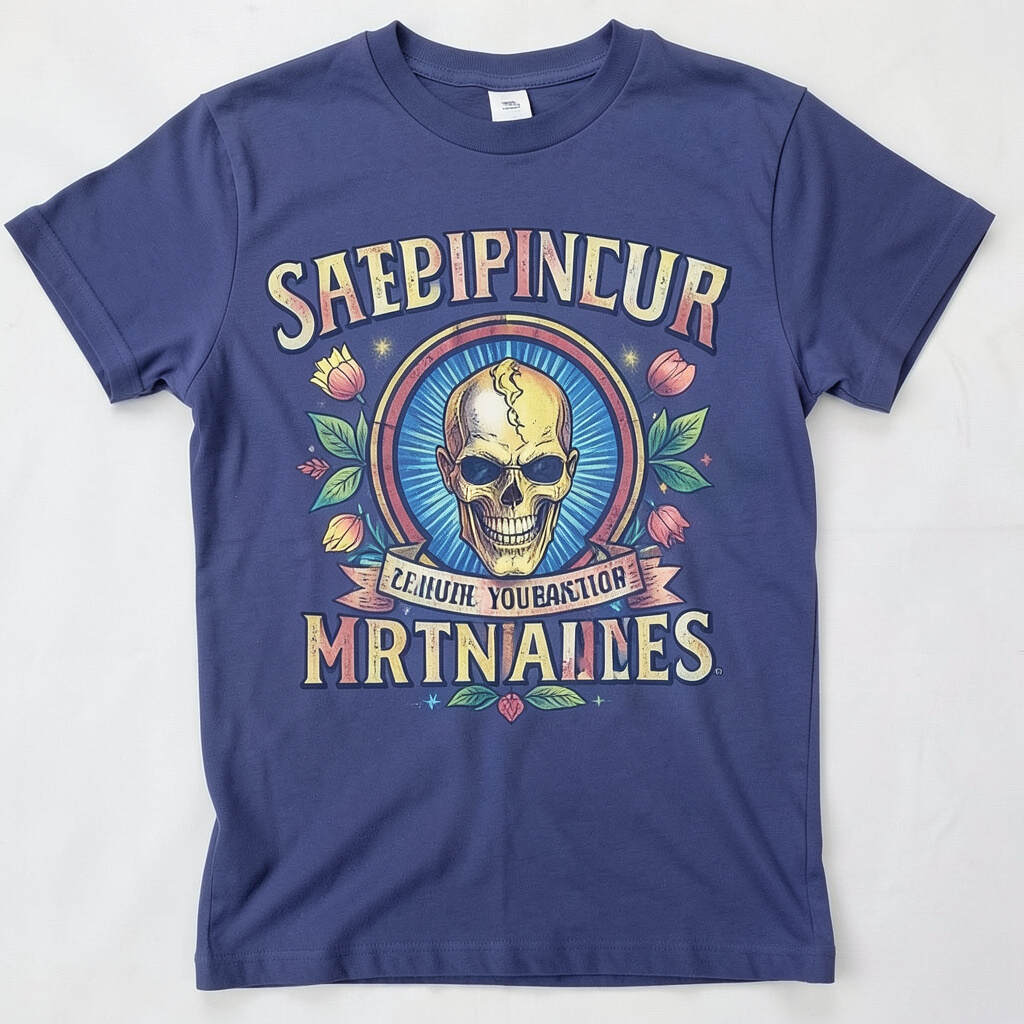
Choosing the wrong DTG printer is one of the most expensive mistakes beginners make. Many first-time buyers focus only on price and end up with machines that cannot meet their business needs.
Common Printer Buying Errors
Choosing the cheapest model available
Ignoring print speed and resolution
Overlooking maintenance requirements
Buying a printer not suitable for expected order volume
Not considering fabric compatibility
Consequences of Poor Equipment Choice
A low-quality or unsuitable printer can result in:
Inconsistent print output
Frequent breakdowns
Expensive repairs and downtime
Customer complaints and refunds
Increased ink and maintenance costs
How to Choose the Right DTG Printer
When selecting a DTG printer, consider:
Print quality and color accuracy
Maximum print size
Compatibility with light and dark garments
Ink consumption and cost per print
Availability of technical support and spare parts
Scalability as your business grows
Investing in the right equipment from the beginning saves money and frustration in the long run.
Mistake 3: Underestimating Training and Skill Development
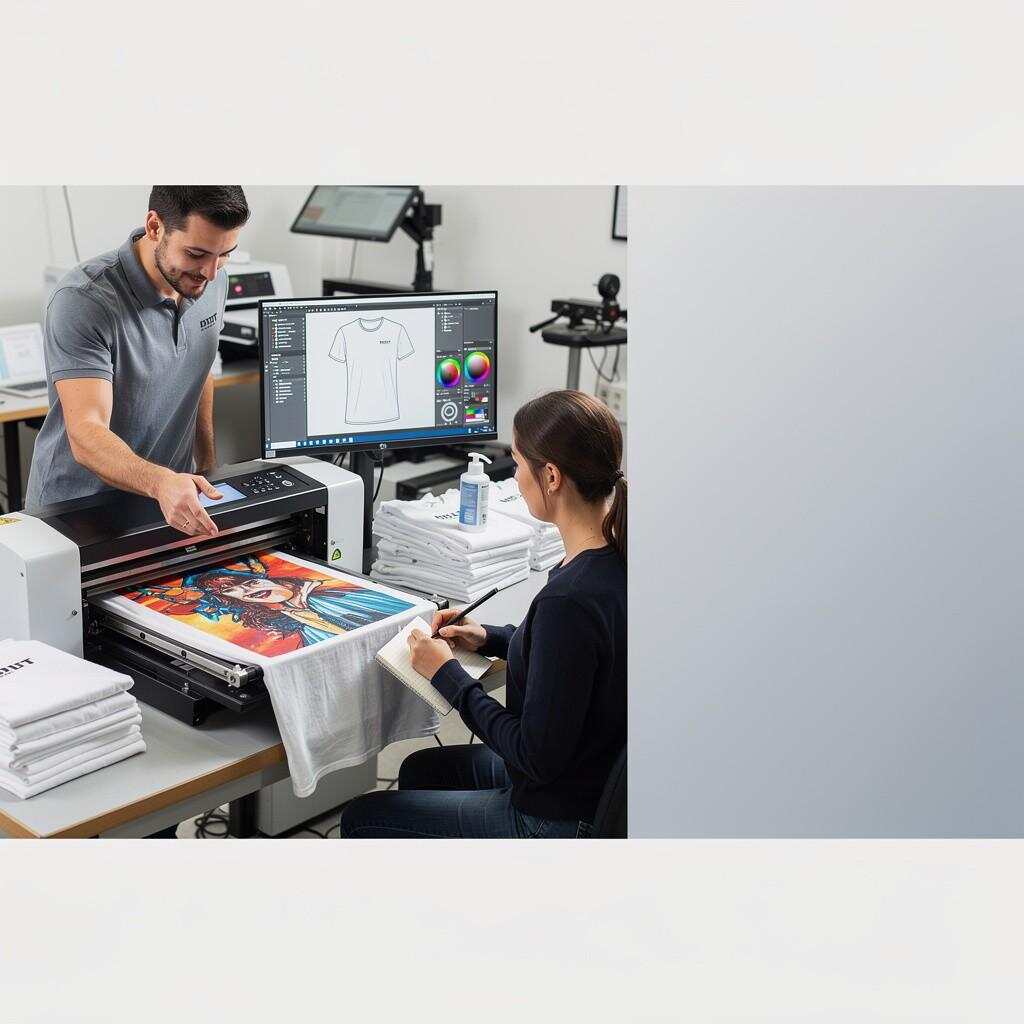
Many beginners assume DTG printing is a “plug-and-play” business. While modern printers are user-friendly, they still require proper training to achieve professional results.
Why Training Is Essential
DTG printing involves:
Pretreatment application
Color profile management
RIP software configuration
Fabric testing
Daily printer maintenance
Without proper training, even high-end printers can produce poor results.
Risks of Inadequate Skills
Lack of training can lead to:
Washed-out or cracking prints
Ink bleeding or uneven coverage
Damaged garments
Increased ink waste
Equipment misuse
How to Build DTG Skills
To avoid this mistake:
Attend manufacturer training sessions
Watch professional tutorials and webinars
Practice on sample garments
Learn color management basics
Stay updated with DTG printing trends and techniques
Skill development directly impacts print quality and customer satisfaction.
Mistake 4: Ignoring Fabric and Garment Quality
The garment itself plays a major role in DTG print quality. Beginners often use low-quality fabrics to reduce costs, not realizing the long-term damage this can cause.
Why Fabric Matters
DTG inks bond best with:
100% cotton
High-cotton blends
Smooth, tightly woven fabrics
Cheap garments often have inconsistent fiber quality, leading to dull prints and poor durability.
Consequences of Poor Garment Choice
Using unsuitable fabrics can result in:
Faded designs after washing
Ink absorption issues
Customer dissatisfaction
High return rates
How to Choose the Right Garments
Test multiple fabric brands before selling
Choose garments designed for DTG printing
Maintain consistent suppliers
Educate customers about fabric options
Quality garments enhance print results and brand reputation.
Mistake 5: Neglecting Pretreatment Process
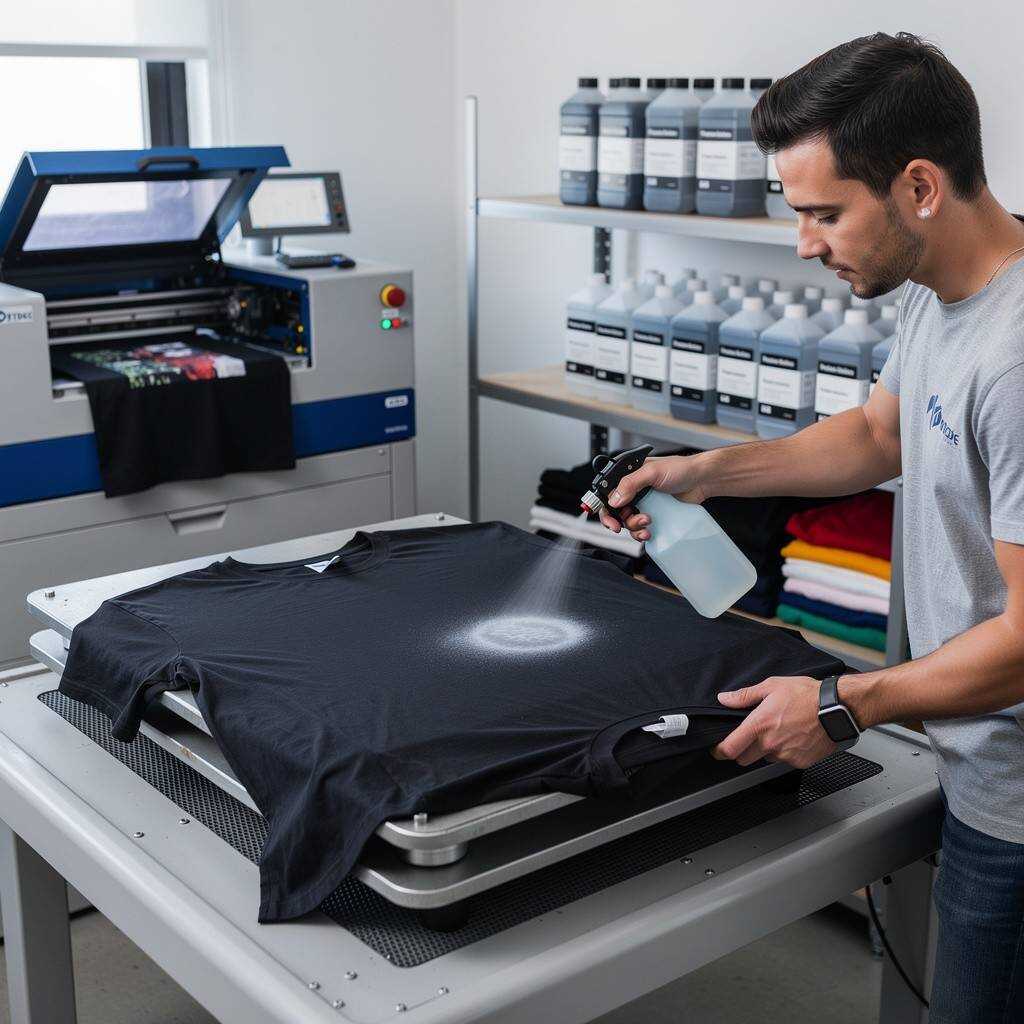
Pretreatment is one of the most critical steps in DTG printing, especially for dark garments. Many beginners either skip it or apply it incorrectly.
Role of Pretreatment
Pretreatment:
Helps ink sit on the fabric surface
Enhances color vibrancy
Prevents ink bleeding
Improves wash durability
Common Pretreatment Errors
Uneven application
Incorrect pretreatment formula
Over- or under-pretreating
Inadequate drying
How to Perfect Pretreatment
Use high-quality pretreatment solutions
Apply evenly using proper equipment
Follow recommended curing times
Test settings for different garments
Mastering pretreatment significantly improves DTG print consistency.
Mistake 6: Poor Maintenance and Printer Care
DTG printers require regular maintenance to function properly. Beginners often ignore cleaning routines, leading to costly damage.
Importance of Regular Maintenance
DTG printers use water-based inks that can dry and clog printheads if neglected.
Consequences of Poor Maintenance
Printhead clogs
Ink flow issues
Reduced print quality
Expensive repairs or replacements
Printer downtime
Best Maintenance Practices
Perform daily nozzle checks
Clean printheads regularly
Maintain proper humidity levels
Use recommended inks
Follow manufacturer guidelines strictly
Preventive maintenance extends printer life and ensures consistent output.
Mistake 7: Weak Pricing Strategy
Many beginners struggle with pricing their DTG products correctly. Some underprice to attract customers, while others overprice without offering value.
Why Pricing Is Critical
Your pricing must cover:
Ink costs
Garment costs
Maintenance expenses
Labor
Marketing
Profit margin
Common Pricing Mistakes
Ignoring hidden costs
Copying competitor prices blindly
Not adjusting prices for customization
How to Set Smart Prices
Calculate true cost per print
Analyze competitor pricing
Offer tiered pricing for bulk orders
Adjust pricing based on design complexity
A balanced pricing strategy ensures long-term profitability.
Mistake 8: Overlooking Marketing and Branding
Even with excellent print quality, a DTG business cannot grow without visibility. Many beginners focus only on production and ignore marketing.
Why Marketing Matters
Customers need to:
Discover your brand
Trust your quality
Remember your business
Consequences of Poor Marketing
Low order volume
Slow growth
Dependence on price discounts
Effective Marketing Strategies
Build an SEO-optimized website
Use social media platforms consistently
Showcase real product photos
Collect and display customer reviews
Partner with influencers or local businesses
Marketing turns your DTG printer into a revenue-generating asset.
Mistake 9: Ignoring Quality Control
Rushing orders without quality checks is a common beginner mistake, especially during high demand periods.
Why Quality Control Is Essential
Small errors can damage your reputation quickly in the custom apparel industry.
Common Quality Issues
Misaligned prints
Incorrect colors
Stains or smudges
Wrong garment sizes
How to Maintain Quality
Inspect every print before shipping
Test wash durability
Maintain consistent workflows
Train staff properly
Quality control builds trust and repeat customers.
Mistake 10: Expecting Instant Success
Many beginners enter the DTG business expecting immediate profits. In reality, building a successful printing business takes time.
Reality of the DTG Business
Learning curves are normal
Mistakes happen
Customer base grows gradually
How to Stay on Track
Set realistic goals
Track performance metrics
Reinvest profits wisely
Continuously improve processes
Patience and consistency separate successful DTG businesses from failed ones.
Conclusion
Starting a DTG printer business is an exciting opportunity, but it requires more than just purchasing a machine. From market research and equipment selection to training, maintenance, and marketing, every decision plays a critical role in long-term success.
By avoiding the common DTG printer mistakes outlined in this guide, beginners can save money, improve print quality, and build a strong brand in the competitive custom apparel industry. A well-planned approach, combined with continuous learning and customer focus, can turn a DTG printing startup into a profitable and sustainable business.Explore our high-quality DTG printers here
Frequently Asked Questions
What is the most common mistake beginners make in DTG printing?
The most common mistake is buying the wrong DTG printer without understanding business needs, print volume, and maintenance requirements.
Is training necessary for running a DTG printer?
Yes. Proper training is essential to understand pretreatment, color management, maintenance, and garment handling.
How important is fabric quality in DTG printing?
Fabric quality directly affects print vibrancy, durability, and customer satisfaction. Using DTG-friendly garments is crucial.
Can a DTG business be profitable for beginners?
Yes, with proper planning, realistic expectations, and consistent quality, a DTG business can be highly profitable over time.