

 HOME
HOME PRODUCT CENTER
 ABOUT US
 DOWNLOAD CENTER
 SUPPORT CENTER
 SUBSCRIBE
 BLOG
BLOG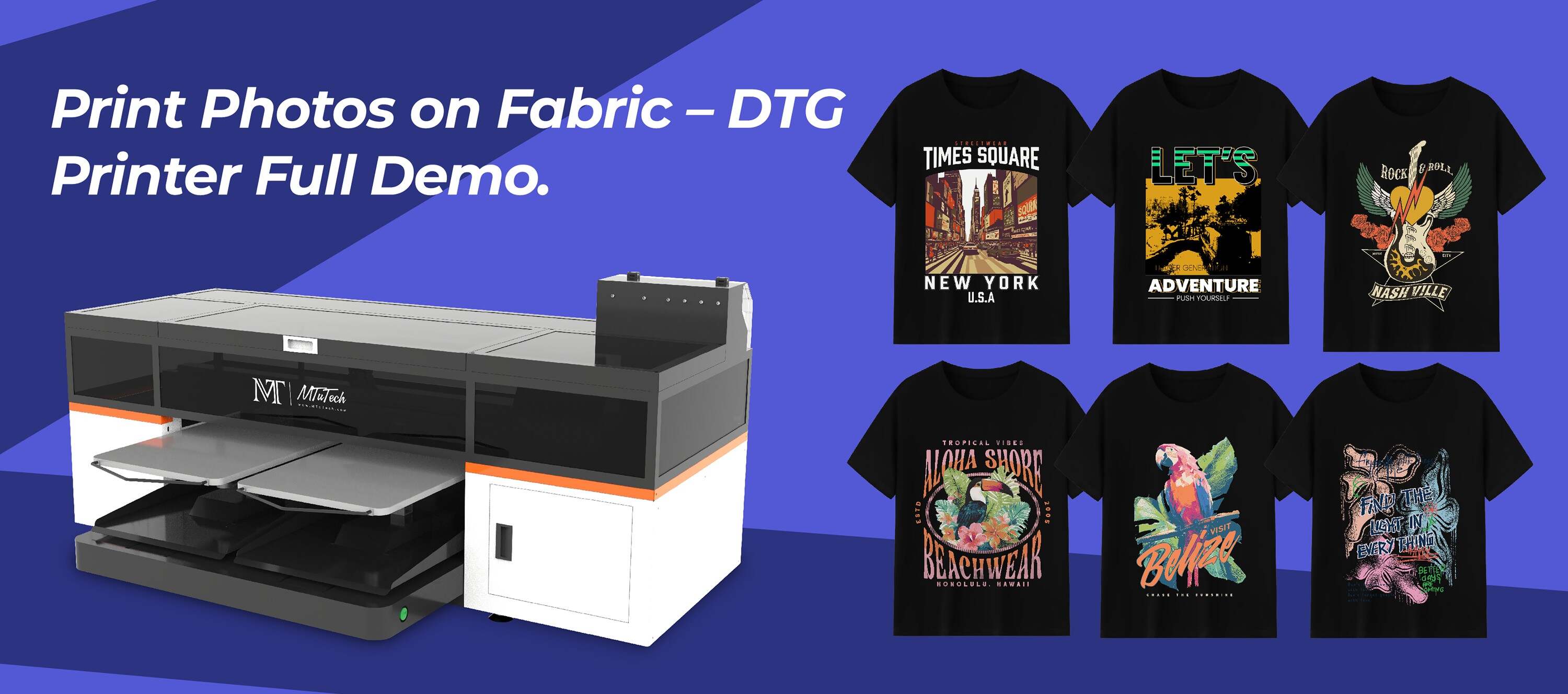 The textile world is diverse, from the materials used in production to the techniques employed during printing. One of these techniques that have gained popularity over the years due to its precision and vibrant prints is Direct-to-Garment (DTG) printing. An important factor to consider when using this technique is fabric absorption. So, what is fabric absorption? And how does it impact the quality of DTG prints? This blog aims to shed light on these aspects.
Introduction
Given that Direct-to-Garment printing involves applying ink directly onto the fabric, it's paramount that the fabric can sufficiently absorb the ink to ensure a clear, vibrant print. If a fabric can't absorb the ink properly, the print may appear washed out or fuzzy. The clarity and vibrancy of a print are largely determined by the concentration and penetration of the ink, both of which are affected by fabric absorption.
Impact of Fabric Absorption on DTG Quality
Fabric absorption is, in essence, the ability of a material to take in a liquid - in this case, ink. This ability directly reflects on the quality of DTG prints. Here are a few ways fabric absorption impacts DTG quality:
Image Sharpness
A fabric's ability to absorb ink effectively affects how sharp an image appears. Absorbent fabric allows more precise ink application, resulting in sharper images compared to a fabric with low absorbency.Color Vibrancy
The vibrancy of a DTG print is majorly determined by the amount of ink that the fabric can hold. In short, the more absorptive the fabric, the more vibrant the print is likely to be since it can hold more ink.Longevity of Prints
Absorbsent fabrics can hold more ink and thus can lead to longer-lasting prints as the ink is less likely to wash off during cleaning. On the other hand, prints on less absorbent fabrics may fade faster due to minimal ink penetration.
Factors That Influence Fabric Absorption
Several factors influence fabric absorption. These include but are not limited to:
Type of Fabric
Natural fibers like cotton often have high absorbency rates compared to synthetic materials such as polyester.Fabric Treatment
Some fabrics undergo treatment processes to enhance or reduce their absorbency rates. For instance, some 100% cotton fabrics may be less absorbent due to chemical treatments.Density of Weave
The tightness of the fabric weave can also affect its absorption capacity. The denser the weave, the likely higher the absorbency.
Understanding these factors is crucial when selecting fabrics for DTG printing. It's also worth noting that the quality and technology of the DTG printer itself plays a significant role in ensuring excellent print output. For state-of-the-art DTG printers designed for superior quality prints, explore high-quality DTG printers here.
Conclusion
DTG printing has paved the way for more vibrant and precise prints, encompassing the potential to elevate the appeal of final products. However, for optimal results, understanding fabric absorption and its impact on print quality is essential. Selecting the right fabric and using high-quality DTG printers enhances the overall print output.
FAQ Section
What is fabric absorption?
Fabric absorption is the capacity of a material to take in a liquid, in this case, the ink used in DTG printing.
Why is fabric absorption important in DTG printing?
Fabric absorption is vital in DTG printing as it directly affects the clarity, vibrancy, and longevity of the print. Highly absorbent fabrics can hold more ink, resulting in vibrant, sharper images that last longer.
Does the type of fabric affect its absorption capacity?
Yes, the type of fabric significantly affects its absorption capacity. Natural fibers, such as cotton, have higher absorption rates compared to synthetic fabrics like polyester.