

 HOME
HOME PRODUCT CENTER
 ABOUT US
 DOWNLOAD CENTER
 SUPPORT CENTER
 SUBSCRIBE
 BLOG
BLOG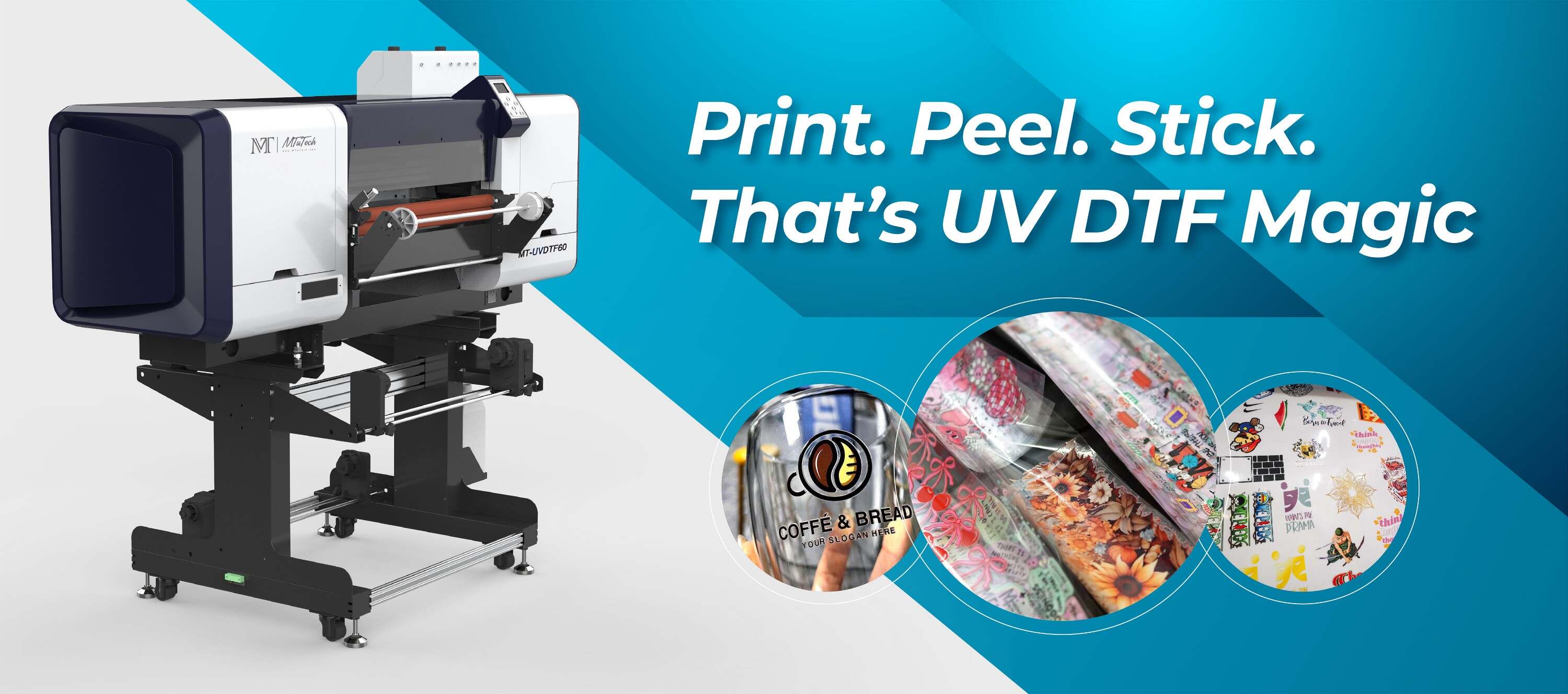
Introduction
In the world of digital printing, UV Direct to Film (DTF) technology has emerged as a game changer, providing vibrant color quality and versatility in material applications. However, achieving optimal adhesion and durability in UV DTF prints can present challenges. Understanding the factors that influence print performance is crucial for both businesses and individuals who rely on UV DTF printing technology. This blog will offer key insights and strategies to enhance UV DTF print adhesion and durability, ensuring stunning results that stand the test of time.
Understanding UV DTF Printing
Before diving into the methods for improvement, it’s important to grasp the basics of UV DTF printing. UV DTF printers work by applying UV ink to a film which is then transferred onto a substrate. The advantage lies in the ink curing process, which utilizes ultraviolet light to solidify the ink, creating durable prints that often resist fading, scratching, and water damage.
Factors Affecting Adhesion and Durability
To enhance adhesion and durability in your UV DTF prints, you must first understand the key factors that influence them:
Substrate Material: The type of surface you are printing on significantly impacts adhesion. Different materials such as plastics, metal, or textiles may require specific preparations.
Ink Quality: The quality of UV inks can vary widely, affecting how well they adhere to the substrate and their resistance to environmental factors.
Curing Process: How effectively the UV light cures the ink plays a crucial role in durability. Insufficient curing can lead to peeling and fading.
Environmental Conditions: Humidity, temperature, and exposure to direct sunlight can all affect print performance and longevity.
Improving Print Adhesion
Enhancing print adhesion involves careful consideration of preparation, settings, and printing techniques. Here are several strategies to improve adhesion:
1. Surface Preparation
Proper surface preparation is critical to achieving strong adhesion. Here are some tips:
Cleaning: Ensure that the substrate is clean and free of dust, grease, or any contaminants that could interfere with adhesion.
Priming: For difficult surfaces, applying a primer specifically designed for UV printing can improve ink bonding.
Texturing: Textured surfaces may promote better adhesion than smooth ones due to the increased surface area.
2. Optimal Printing Conditions
Setting the right environment for printing is vital. Consider these factors:
Temperature and Humidity: Maintain a controlled environment. Ideally, relative humidity should be between 30% and 50%, and the temperature should be around 20-25°C (68-77°F).
Print Speed and Pressure: Adjusting the print speed and pressure can help to ensure that the ink properly penetrates the substrate.
3. Selection of Ink
The choice of UV inks can determine how well your prints adhere to the substrate. Here are some considerations:
High-Quality Inks: Invest in premium inks that offer superior adhesion properties. They often contain additives that enhance bonding capabilities.
Inks for Specific Materials: Use inks formulated for the type of substrate you are working with, such as rigid or flexible materials.
Enhancing Print Durability
Durability is essential for long-lasting prints that can withstand wear and tear. Here are methods to enhance durability:
1. Curing Techniques
The curing process is critical to the overall durability of UV DTF prints. Effective curing ensures that the ink bond is strong and resistant to damage:
Curing Time: Give ample time for the curing process. Under-cured prints are prone to scratching and fading.
UV Light Intensity: Use the appropriate intensity of UV light according to the ink specifications, ensuring that it thoroughly cures the ink.
Layer Thickness: Sometimes, adjusting the ink layer's thickness can provide better results in terms of durability.
2. Post-Processing Treatments
Implementing post-processing treatments can significantly improve the durability of UV DTF prints:
Coatings: Protective coatings or lacquers can provide an additional layer of protection against scratches, chemicals, and UV rays.
Heat Treatment: Some materials benefit from heat treatment after printing, which can help to bond the ink more effectively to the substrate.
Storage Conditions: Store printed materials in proper conditions, away from direct sunlight and moisture, to prolong their life.
3. Testing and Feedback
Continuous testing and gathering of feedback is essential for improvement:
Trial and Error: Don't hesitate to experiment with different settings, inks, and substrates to identify what works best for your specific applications.
Customer Feedback: Listen to your customers’ experiences with the prints. Their feedback can provide valuable insights on durability and adhesion.
Conclusion
Improving UV DTF print adhesion and durability requires a comprehensive approach that encompasses substrate preparation, ink selection, printing conditions, and post-processing. By focusing on these key areas, businesses can achieve stunning prints that not only look great but also withstand the challenges of daily use. Whether you are an artist, a business owner, or a hobbyist, mastering these techniques will enable you to fully harness the potential of UV DTF printing technology.
For those looking to invest in UV DTF printing technology, quality matters. Explore our high-quality UV-DTF printers here to find the right fit for your needs.
FAQ
What is UV DTF printing?
UV DTF printing is a method where UV inks are applied to a film and cured with UV light, allowing for vibrant and durable prints on a variety of substrates.
How can I improve adhesion in UV DTF printing?
Improving adhesion can involve thorough surface cleaning, using appropriate primers, selecting high-quality inks, and adjusting printing conditions such as temperature and pressure.
What factors affect the durability of UV DTF prints?
Factors impacting durability include the curing process, environmental conditions, and materials used. Properly curing the ink and applying protective coatings can significantly enhance durability.
Is the use of coatings on UV DTF prints necessary?
While not always necessary, applying protective coatings can provide added durability against scratches and environmental damage, making prints last longer.
What should I do if my prints are not adhering properly?
If prints are not adhering well, check the surface preparation, review your ink quality, and ensure optimal curing conditions. Testing different methods may help identify the problem.