

 HOME
HOME PRODUCT CENTER
 ABOUT US
 DOWNLOAD CENTER
 SUPPORT CENTER
 SUBSCRIBE
 BLOG
BLOG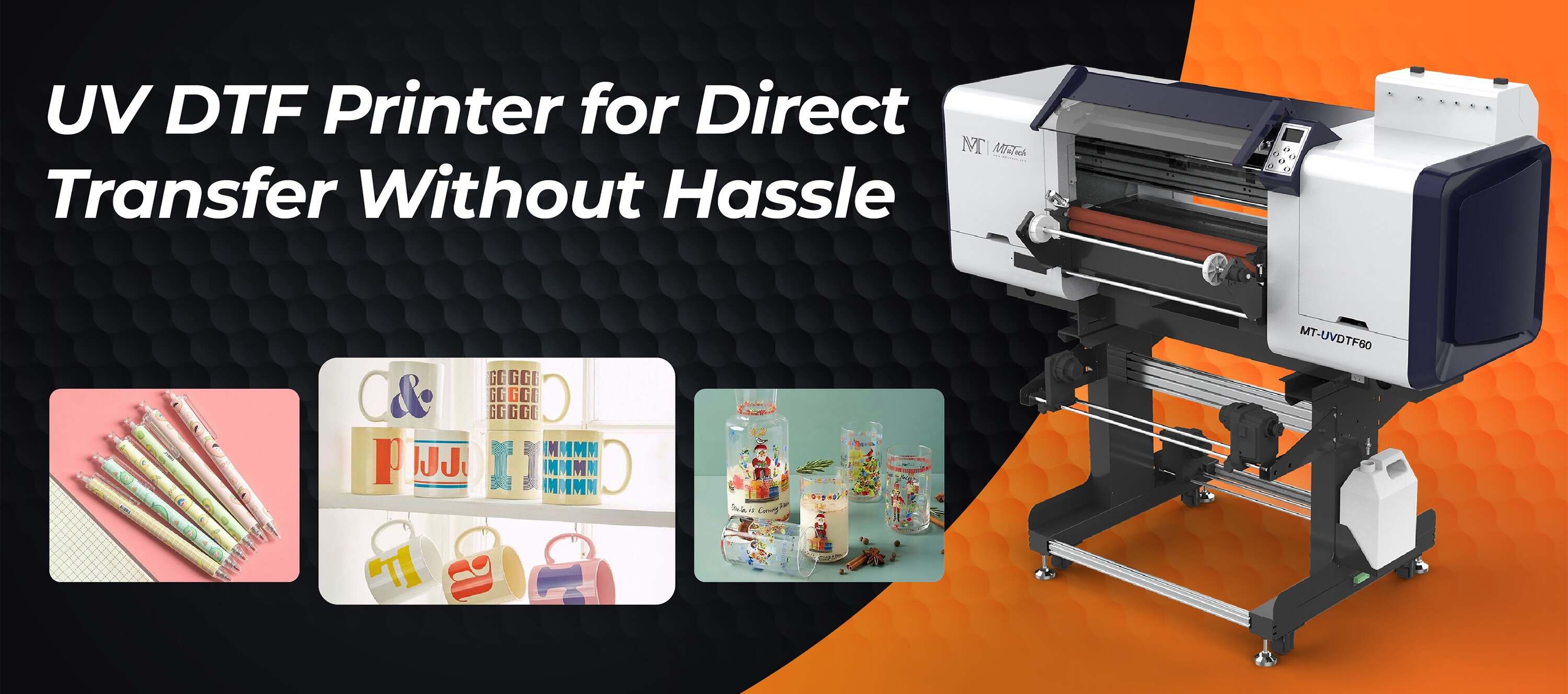
Introduction
In the fast-paced world of printing technology, businesses often seek solutions that blend speed with high-quality output. One of the innovations that has gained traction in recent years is the UV Direct to Film (DTF) printer. These printers have transformed how businesses produce vibrant prints on various surfaces, but a common question remains: What is the realistic output per hour for UV DTF printers? In this blog post, we will explore the production speed of UV DTF printers, factors that influence this speed, and how they can benefit your printing business.
Understanding UV DTF Printing
Before diving into production speeds, it’s crucial to understand what UV DTF printing is. Unlike traditional printing methods, UV DTF printers use ultraviolet (UV) light to cure inks onto film, which can then transfer images onto a variety of substrates, such as textiles, wood, glass, and metal. This technology unlocks numerous possibilities in the printing industry.
Key Benefits of UV DTF Printing
Versatility: UV DTF printers can print on a wide range of materials, enabling customization across different markets.
High Quality: The printing method produces vibrant colors and sharp details that enhance the final product's appeal.
Durability: The UV curing process creates printed products that are resistant to scratches, fading, and water damage.
Eco-Friendly: Many UV inks are free from harmful solvents, making them safer for both operators and the environment.
Production Speed of UV DTF Printers
The output speed of UV DTF printers is a critical factor for businesses aiming to meet customer demands efficiently. The realistic production speed varies based on several factors, including printer model, specifications, and the complexity of the designs being printed.
Typical Production Speeds
On average, UV DTF printers can achieve production speeds ranging from 30 to 100 square feet per hour. However, several factors can influence these speeds:
Printer Model: Higher-end models may offer faster speeds due to advanced technology and more powerful printing heads.
Print Resolution: Higher resolutions typically result in slower speeds. For example, printing at a resolution of 1200 dpi may take longer than at 600 dpi.
Material Type: The type of substrate being printed on can also affect speed. Thicker materials or those requiring more detailed designs may take longer to print.
Print Complexity: Designs with intricate details or multiple colors may slow down production speeds due to increased processing needs.
Factors Affecting Production Time
Understanding the factors that impact production speed will help businesses make informed decisions about their UV DTF printing operations:
Pre-Press Setup: The time needed for job preparation, including file setup and printer calibration, can significantly impact overall production time.
Post-Press Processing: Additional processes like cutting or finishing can add to the time, affecting overall output per hour.
Maintenance and Downtime: Regular maintenance of printing equipment is crucial. Downtime for repairs or adjustments can also affect production speed.
Maximizing Output Per Hour
To maximize the output per hour of your UV DTF printer, consider the following strategies:
1. Optimize Workflow
Develop an efficient workflow that minimizes downtime between jobs. For instance, preparing several jobs in advance and maintaining a timely job-switching process can enhance overall productivity.
2. Choose the Right Settings
Experiment with print resolution and color settings to find optimal configurations that balance speed and print quality, allowing you to achieve faster output without compromising the final product’s appeal.
3. Invest in Technology
Consider upgrading to a more advanced UV DTF printer model that provides better speed and performance. High-quality printers are designed to handle larger volumes without sacrificing quality.
4. Continuous Training
Ensure that your operators are well-trained in using the printers effectively. Understanding the equipment and processes can significantly reduce production time.
Conclusion
In the competitive printing market, knowing the production speed of your UV DTF printer is vital to meeting customer demands while maintaining quality. While typical output ranges from 30 to 100 square feet per hour, several variables can influence these rates. By optimizing your workflow, choosing the right settings, investing in technology, and ensuring continuous training for your staff, you can maximize your printer's output and improve overall efficiency.
To enhance your printing capabilities and meet market demands, explore our high-quality UV-DTF printers here and discover how they can support your business's growth.
FAQ
What is the difference between UV DTF printing and traditional DTF printing?
UV DTF printing uses ultraviolet light to cure the ink on film, enabling vibrant and durable prints on various substrates. Traditional DTF printing transfers the design via a transfer film, which may not offer the same durability or versatility.
Can UV DTF printers print on dark materials?
Yes, UV DTF printers can effectively print on dark materials. The UV inks provide great opacity, allowing for vibrant colors to stand out even on darker substrates.
How often should I maintain my UV DTF printer?
Regular maintenance is essential for optimal performance. It's advisable to perform routine checks and maintenance at least once a month, while cleaning print heads and other components should be done weekly, depending on usage frequency.
Are UV DTF prints environmentally friendly?
Many UV inks are formulated to be eco-friendly, containing fewer volatile organic compounds (VOCs) than traditional inks. This makes them a safer option for both operators and the environment.
What kind of industries benefit from UV DTF printing?
UV DTF printing is utilized across various industries, including fashion, promotional products, signage, and customized gifts, due to its versatility and quality output.