

 HOME
HOME PRODUCT CENTER
 ABOUT US
 DOWNLOAD CENTER
 SUPPORT CENTER
 SUBSCRIBE
 BLOG
BLOG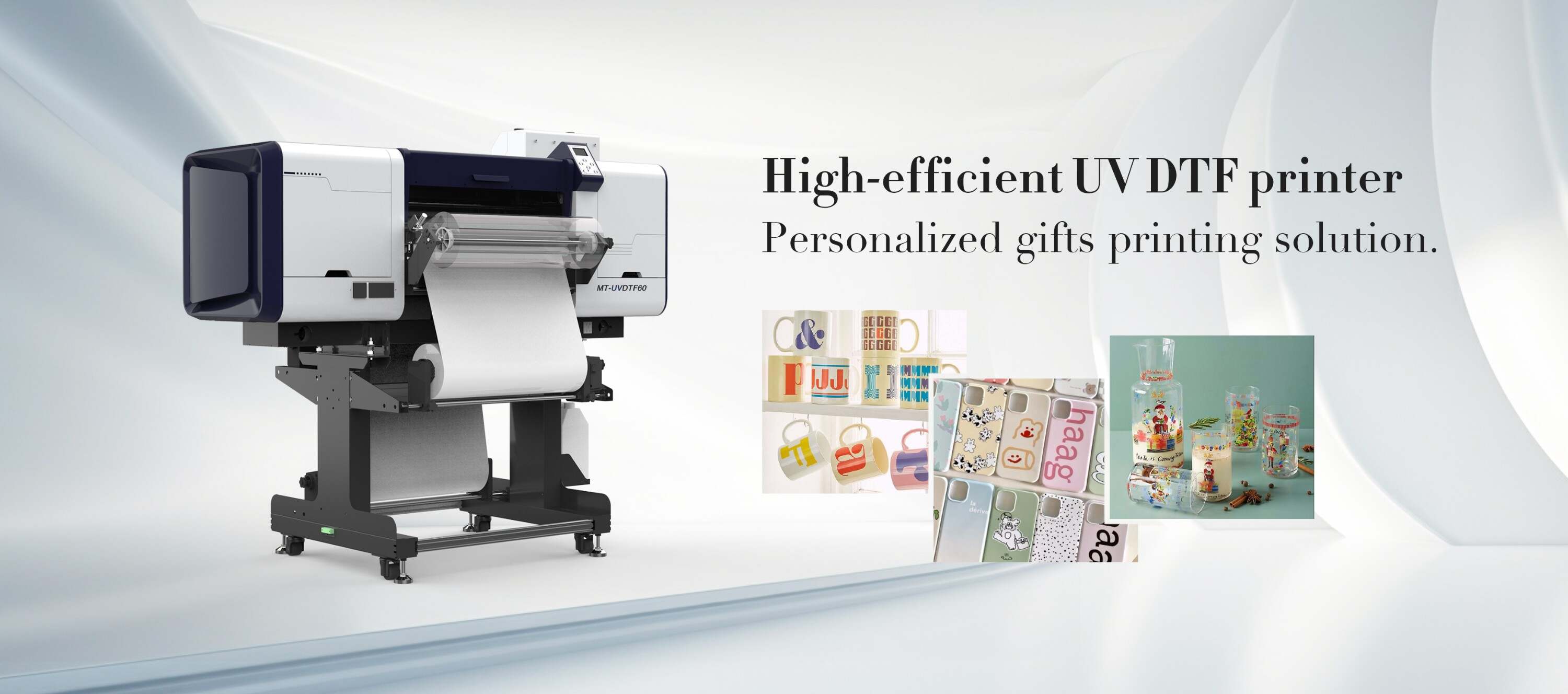 Introduction
In the world of digital printing, efficiency and cost-effectiveness are paramount. The advent of UV Direct to Film (DTF) printing has revolutionized the industry, offering high-quality prints for a plethora of applications. However, one of the most significant challenges that users face is ink waste, especially during the maintenance processes like purging. Understanding how to optimize purge waste reduction can lead to considerable savings and improved productivity. In this blog post, we will explore ways to minimize ink waste with UV DTF printers and how it can benefit your business.
Understanding UV DTF Printing
UV DTF printing is a process that combines the advantages of UV printing and DTF technology. It employs ultraviolet light to instantly cure or dry the ink after it has been applied to the film. This ensures vibrant colors and significant adhesion to various substrates. Despite its benefits, the process can involve considerable ink waste, especially during start-up, shut-down, and cleaning routines.
Why Ink Waste Occurs
Ink waste in UV DTF printing typically occurs for several reasons:
Purge Cycles: Regular purging helps maintain print head performance but can lead to considerable amounts of ink being discarded.
Initial Setup: New prints often require test runs or calibration, consuming more ink before reaching optimal quality.
Clogs and Maintenance: Print heads can become clogged, necessitating additional ink use for cleaning and maintenance.
Temperature and Humidity Changes: Fluctuating environmental conditions can affect ink viscosity and adhesion, leading to increased waste during print adjustments.
Benefits of Reducing Ink Waste
Reducing ink waste not only saves money but also enhances the overall productivity and efficiency of your printing operations. Here are some key benefits:
Cost Savings: Lower ink consumption translates directly to reduced operational costs, significantly enhancing your bottom line.
Environmental Impact: Contributing to a more sustainable printing environment by minimizing waste helps reduce your business’s carbon footprint.
Improved Printer Longevity: Less frequent purging and maintenance can result in decreased wear and tear on equipment, extending its life.
Increased Efficiency: Streamlined processes lead to more efficient production schedules and higher output without sacrificing quality.
Strategies for Purge Waste Reduction
To mitigate ink waste during the purging process or while maintaining UV DTF printers, several strategies can be adopted:
1. Optimize Purge Settings
Most modern UV DTF printers allow you to customize purge settings. Assess and adjust these settings to minimize the amount of ink used during maintenance. For instance, programming shorter purge cycles can help conserve ink while maintaining print head cleanliness.
2. Schedule Maintenance Wisely
Regular maintenance is critical for printer performance but can lead to significant ink loss if not done judiciously. Schedule maintenance activities during periods of lower production demand. This practice ensures that you can afford to waste a little ink while also ensuring optimal performance during your busiest times.
3. Use High-Quality Inks
Investing in high-quality inks can enhance your printer's performance and reduce waste. Lower-quality inks often have inferior adhesion qualities that can lead to problems like clogging. Consistency in color quality can also be achieved with better inks, subsequently reducing the need for test prints.
4. Regular Cleaning and Maintenance
Establish a regular cleaning schedule for your UV DTF printer. A well-maintained printer is less likely to experience clogging, thereby reducing the frequency of purging or cleaning cycles and saving ink.
5. Incorporate Advanced Printing Techniques
Utilizing advanced color management techniques and software can significantly reduce the number of test prints you need to produce. By achieving the desired output with fewer attempts, you'll save ink while also improving turnaround times.
6. Monitor Environmental Conditions
Maintaining stable temperature and humidity levels in your printing environment is crucial. Prevent fluctuations that can affect ink viscosity and adhesion, which may otherwise require additional adjustments and testing that can waste ink.
Tracking and Measuring Ink Usage
Another-effective approach to reducing ink waste is to monitor and measure your ink usage meticulously. Consider implementing the following practices:
1. Maintain Detailed Records
Create a tracking system to record ink usage for each job. This intelligence can help you identify patterns and areas where waste is occurring, allowing you to take targeted action.
2. Analyze Job Requirements
Before starting a new project, analyze the job specifications thoroughly to determine the optimal ink requirements. Avoid overestimating the amount needed, helping to keep waste to a minimum.
3. Use Ink Management Software
Investing in ink management software can help streamline your tracking and reporting. These systems can provide insights into your ink usage trends and help you make informed decisions about maintenance and production practices.
Conclusion
Reducing purge waste in UV DTF printing is more than just a cost-cutting measure; it is a comprehensive strategy that can lead to better productivity, environmental sustainability, and printer longevity. By adopting the methods discussed above, you can effectively manage your ink usage and improve your operational efficiency.
Enhance the quality of your DTF prints while simultaneously saving money on ink and reducing waste. If you’re looking for high-quality UV-DTF printers that can help streamline your printing processes, explore our high-quality UV-DTF printers here.
FAQ
What is a UV DTF printer?
A UV DTF printer uses UV technology to directly print designs onto films that can be transferred to various substrates. This process results in vibrant colors and high durability.
How does purging waste ink occur?
Purging waste ink occurs during maintenance cycles when the printer cleans the print heads to prevent clogging, which can result in significant ink loss.
Why is reducing ink waste important?
Reducing ink waste is essential because it lowers operational costs, contributes to sustainability, increases printer longevity, and improves overall efficiency in production.
What are some tips for minimizing ink usage?
Some tips for minimizing ink usage include optimizing purge settings, maintaining a regular cleaning schedule, investing in high-quality inks, and utilizing advanced printing techniques.
Can I monitor my ink usage effectively?
Yes, by keeping detailed records, analyzing job requirements, and potentially using ink management software, you can monitor and manage your ink usage more effectively.