

 HOME
HOME PRODUCT CENTER
 ABOUT US
 DOWNLOAD CENTER
 SUPPORT CENTER
 SUBSCRIBE
 BLOG
BLOGUV DTF Printer Essentials for High-Quality Printing
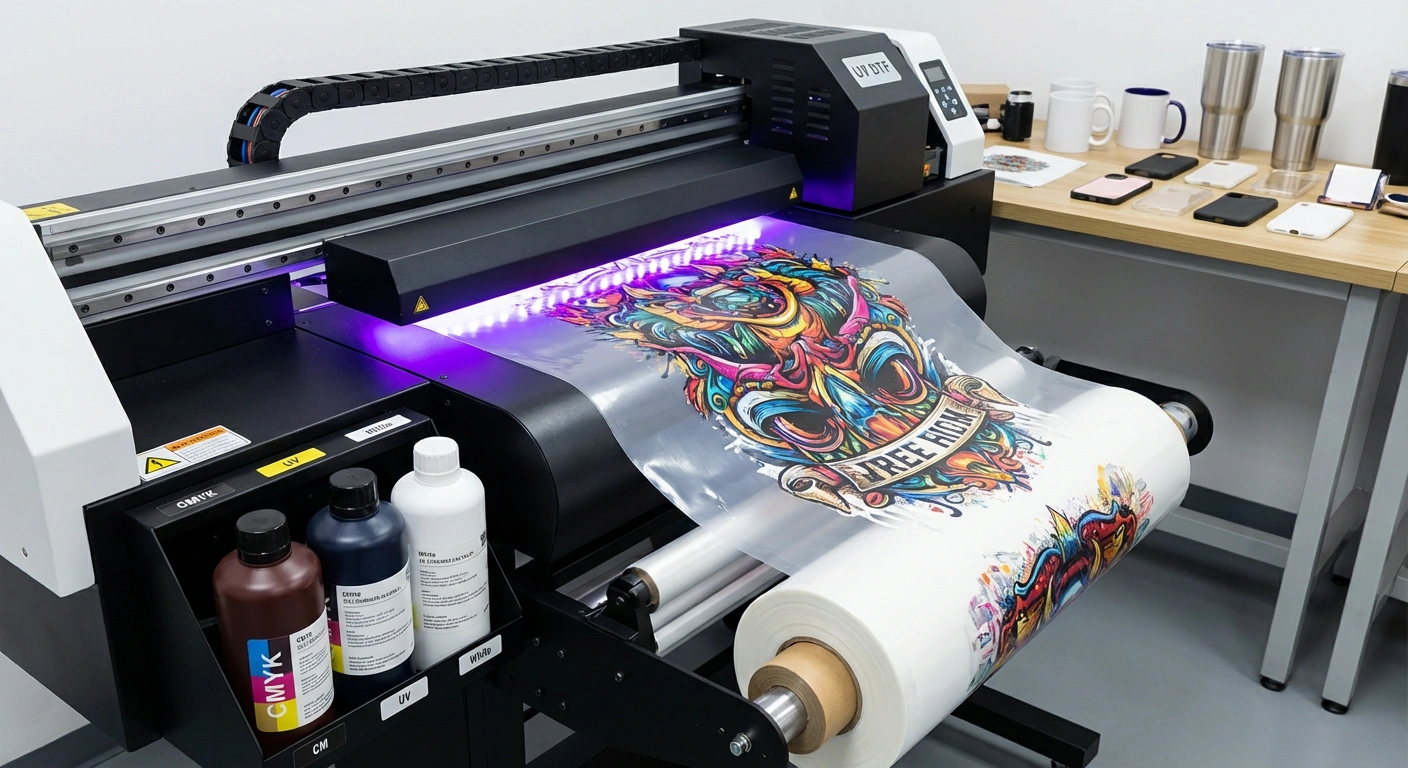
ThUnderstanding UV DTF Printie digital printing industry is evolving rapidly, and one of the most exciting innovations to emerge in recent years is UV Direct-to-Film (UV DTF) printing. This technology has transformed how businesses decorate products, personalize items, and create durable, eye-catching designs across a wide range of materials. From custom merchandise and promotional products to signage and industrial labeling, UV DTF printers have become a powerful tool for both small workshops and large-scale production environments.
However, owning a UV DTF printer alone is not enough to achieve professional-grade results. The quality, durability, and visual impact of your final output depend heavily on the supplies you use—particularly films, inks, and laminating equipment. Each component plays a critical role in ensuring that prints adhere properly, retain vibrant color, and withstand real-world use.
This in-depth guide explores everything you need to know about UV DTF printer essentials. You will learn how UV DTF printing works, why supply quality matters, and how to select the right films, inks, and laminators to maximize performance. Whether you are new to UV DTF printing or looking to refine your existing setup, this article will help you make informed decisions that improve efficiency, reduce waste, and elevate your print quality.
Understanding UV DTF Printing Technology
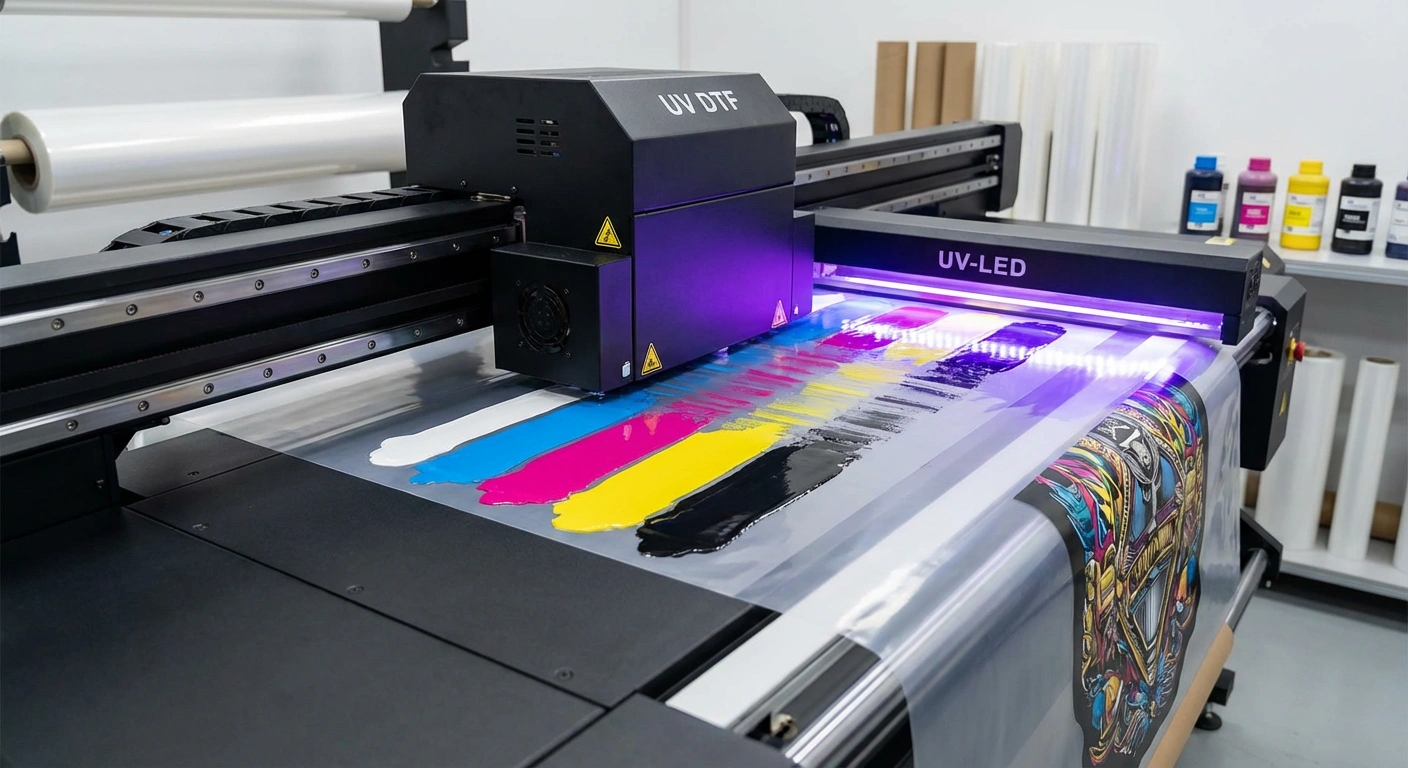
Before choosing supplies, it is important to understand how UV DTF printing differs from other digital printing methods. UV DTF printing combines the flexibility of film transfers with the durability of UV-curable inks, creating a unique and highly adaptable printing process.
What Is UV DTF Printing?
UV DTF printing is a process in which UV-curable inks are printed onto a specialized transfer film rather than directly onto the final substrate. Once printed, the ink is instantly cured using ultraviolet light. The cured design is then transferred from the film onto the target surface using pressure, often with the help of adhesive layers or lamination.
Unlike traditional DTF printing for textiles, UV DTF printing is designed primarily for hard and semi-rigid surfaces. These include:
Glass
Acrylic
Metal
Plastic
Ceramic
Wood
Leather and synthetic materials
This versatility makes UV DTF printers especially popular for custom branding, product decoration, and personalized items.
How UV Curing Works
The defining feature of UV DTF printing is UV curing. Instead of drying through evaporation or heat, UV inks cure instantly when exposed to ultraviolet light. This process offers several advantages:
Immediate drying with no smudging
Strong adhesion to film surfaces
High resistance to scratches and fading
Consistent color accuracy
Because curing happens instantly, production speed increases, making UV DTF printing ideal for short runs and on-demand customization.
Why Supplies Matter in UV DTF Printing
In UV DTF printing, every supply component affects the final result. Even a high-end printer can produce poor output if paired with low-quality consumables. Using the right supplies ensures consistent performance, reduces downtime, and protects your equipment.
Key benefits of using premium UV DTF supplies include:
Cleaner prints with sharper detail
Stronger adhesion across different materials
Reduced ink waste and fewer failed transfers
Longer lifespan of printed designs
Lower maintenance requirements for printers
Investing in the correct supplies is not just about quality—it is also about long-term cost efficiency and customer satisfaction.
UV DTF Films: The Foundation of Quality Transfers
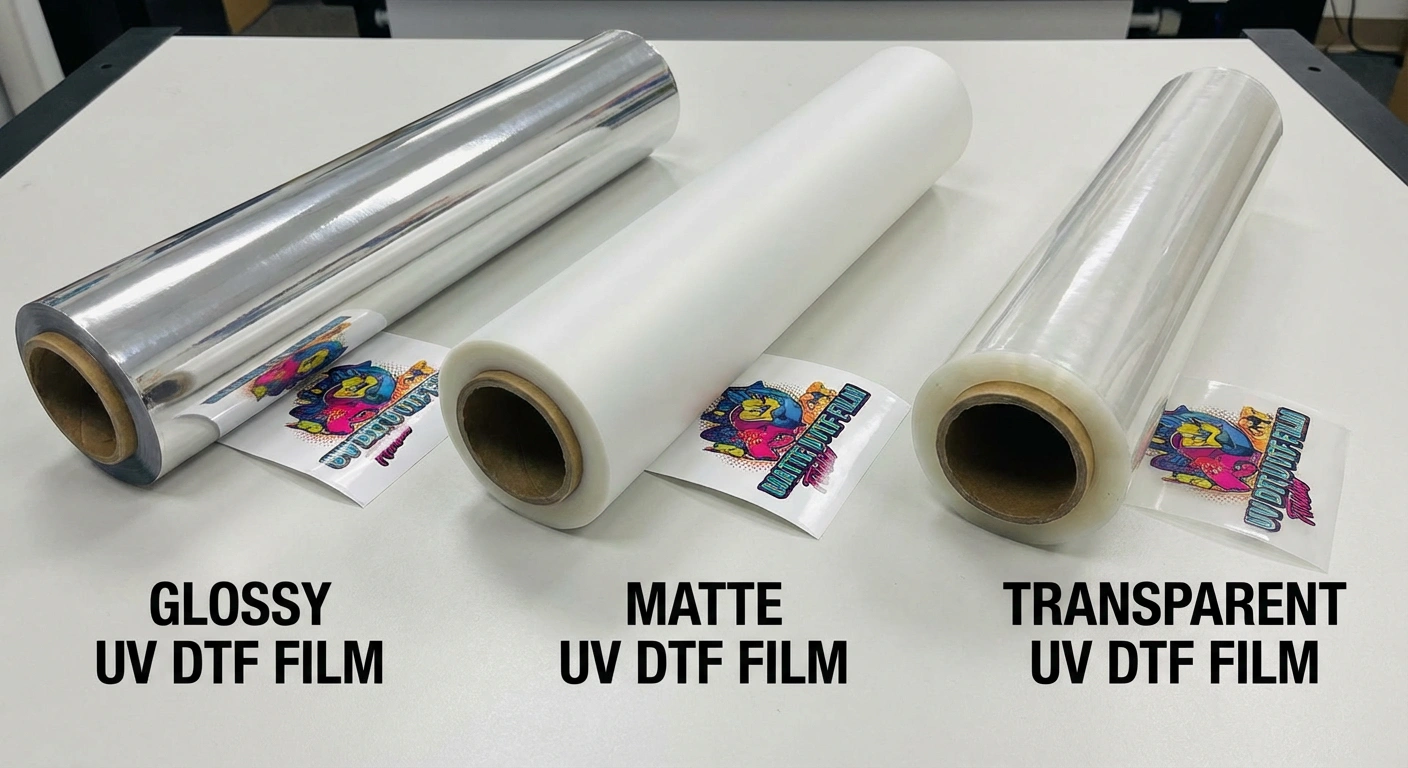
UV DTF film is the base on which your entire print is built. It carries the ink, supports curing, and enables clean transfer onto the final surface. Choosing the right film is one of the most important decisions in UV DTF printing.
Key Characteristics of High-Quality UV DTF Film
Adhesion Performance
A good UV DTF film must hold ink firmly during printing while still allowing smooth release during application. Poor adhesion can lead to cracking, peeling, or incomplete transfers.
Film Thickness and Stability
Film thickness affects durability and handling. Thicker films generally offer better stability during printing and transfer, while thinner films may be easier to apply to curved or uneven surfaces. The ideal thickness depends on your application needs.
Surface Coating Quality
High-quality films feature consistent surface coatings that allow even ink distribution. This improves color uniformity and prevents defects such as banding or uneven curing.
Printer Compatibility
Not all films are compatible with all UV DTF printers. Using incompatible film can cause feeding issues, curing problems, or print head damage. Always confirm compatibility before purchasing.
Types of UV DTF Films
Glossy UV DTF Film
Glossy films produce vibrant colors and a shiny finish. They are commonly used for promotional items, logos, and decorative products where visual impact is a priority.
Matte UV DTF Film
Matte films reduce glare and create a softer, more refined look. They are ideal for premium branding, minimalist designs, and products intended for professional environments.
Transparent UV DTF Film
Transparent films allow the underlying surface to show through the design. These films are popular for glass, acrylic, and clear plastic applications.
UV DTF Inks: Achieving Color Accuracy and Durability
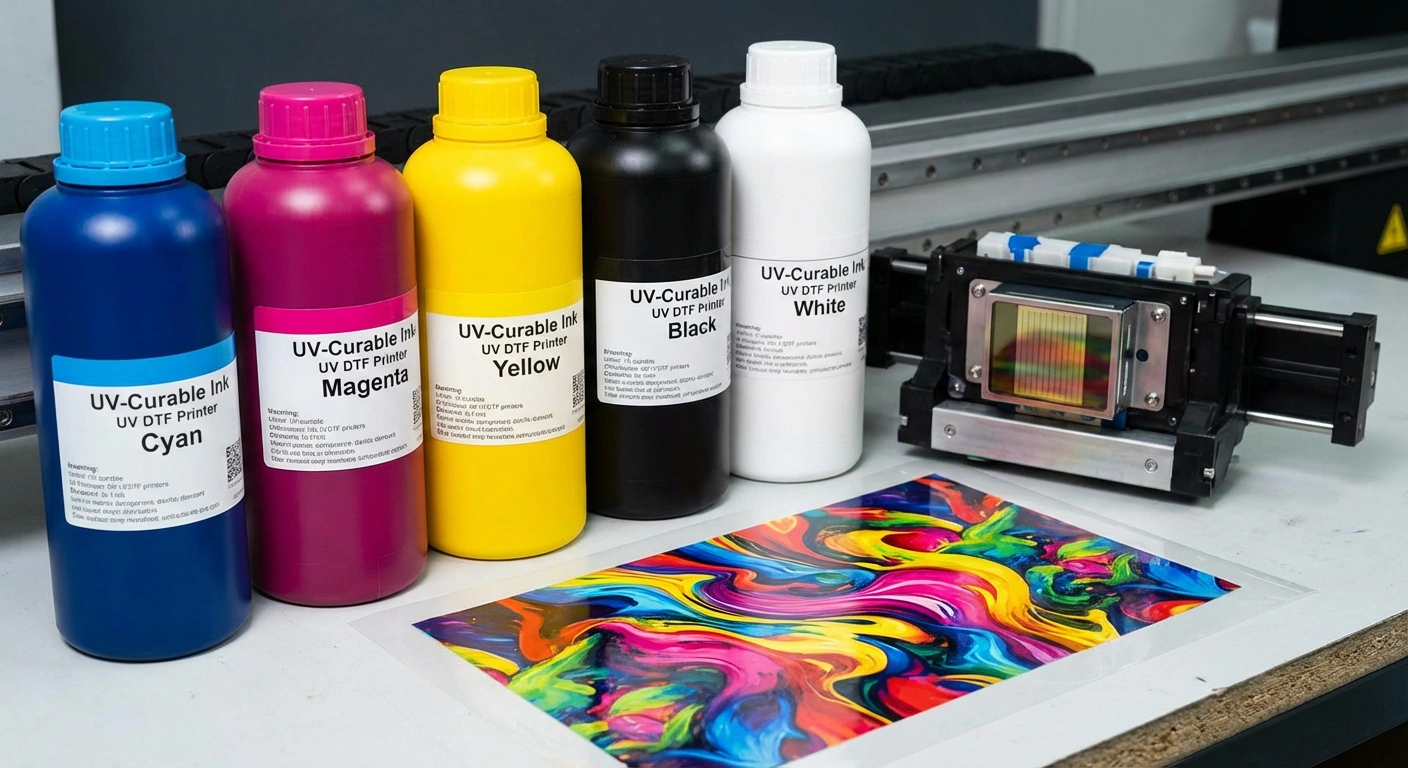
Ink selection plays a major role in determining print quality, longevity, and production efficiency. UV DTF inks are specifically engineered to cure instantly under UV light and adhere strongly to transfer films.
Essential Properties of UV DTF Inks
Fast UV Curing
High-quality UV inks cure almost instantly when exposed to UV light. This prevents smearing, speeds up production, and allows for precise layering of colors.
Wide Color Gamut
Inks with a broad color range produce richer gradients, sharper contrasts, and more accurate brand colors. This is especially important for logos and detailed artwork.
Flexibility and Elasticity
After transfer, prints must withstand handling, bending, and environmental exposure. Flexible inks reduce the risk of cracking or peeling on curved or flexible surfaces.
Chemical and UV Resistance
Durable UV DTF inks resist fading, moisture, and chemical exposure, making them suitable for both indoor and outdoor use.
White Ink Considerations
White ink is a critical component in UV DTF printing, especially when printing on dark or transparent surfaces. High-quality white ink should offer:
Strong opacity
Smooth flow without clogging
Consistent curing performance
Proper agitation and maintenance are essential to keep white ink performing well.
Laminators: Enhancing Protection and Visual Appeal
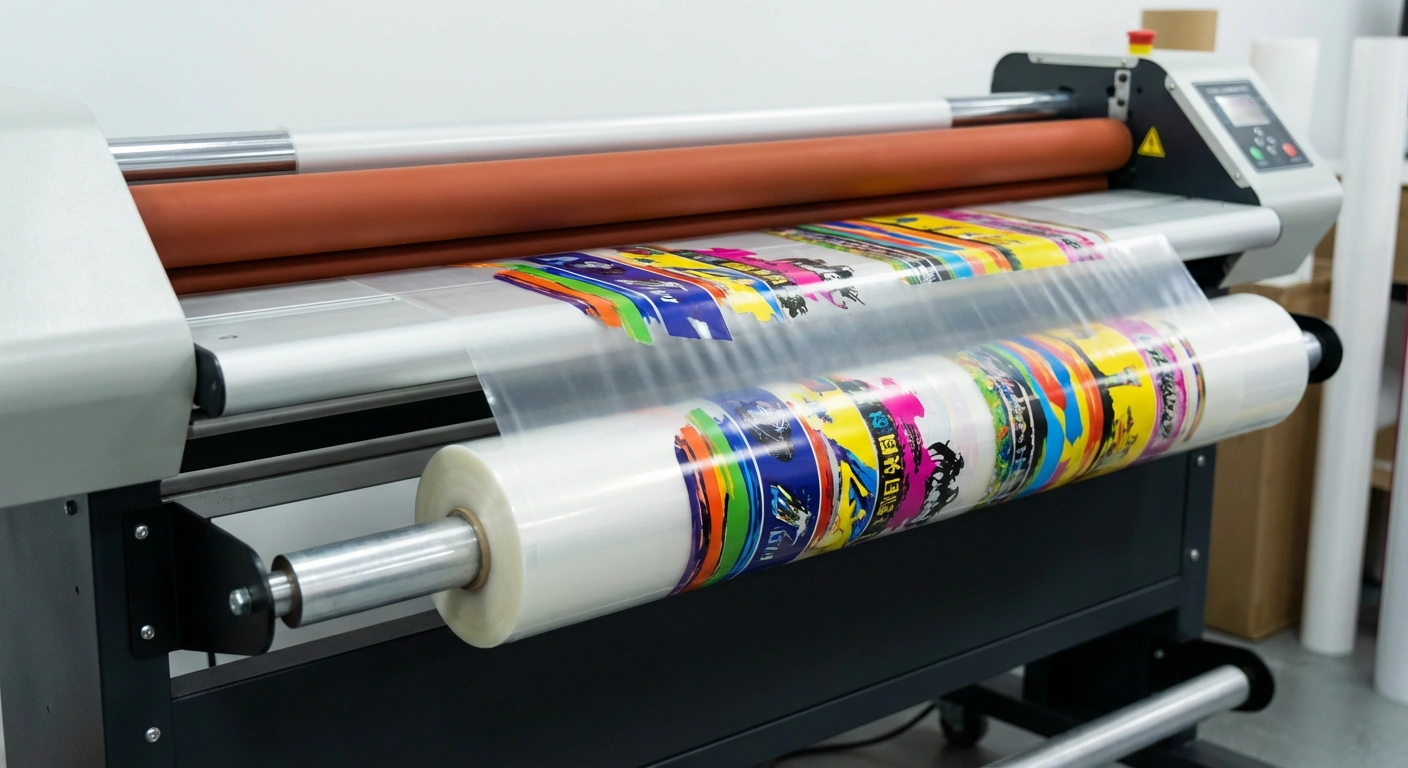
Lamination is often overlooked, but it plays a vital role in the durability and finish of UV DTF prints. A laminator applies a protective layer over the printed film, improving both appearance and performance.
Why Lamination Is Important
Protects prints from scratches and abrasion
Enhances resistance to moisture and UV exposure
Improves color depth and contrast
Ensures smooth, bubble-free transfers
For commercial applications, lamination significantly increases product lifespan and perceived quality.
Types of Laminators Used in UV DTF Printing
Cold Laminators
Cold laminators use pressure instead of heat, making them ideal for UV DTF films that could be damaged by high temperatures. They are commonly used for most UV DTF applications.
Roll Laminators
Roll laminators are designed for high-volume production. They provide consistent pressure and are suitable for continuous film processing.
Choosing the Right Laminator
When selecting a laminator, consider:
Maximum film width
Adjustable pressure settings
Speed control
Compatibility with film thickness
A reliable laminator improves workflow efficiency and reduces material waste.
Additional Supplies That Improve UV DTF Printing Results
While films, inks, and laminators are the core components, additional supplies can further enhance your printing process.
Cleaning Solutions
Regular cleaning of print heads and ink lines prevents clogs and maintains consistent print quality.
Protective Storage Materials
Proper storage of films and inks protects them from dust, humidity, and temperature fluctuations.
Application Tools
Squeegees, rollers, and alignment tools help ensure accurate and smooth transfer onto substrates.
Benefits of Using the Right UV DTF Printer Supplies
Superior Print Quality
Premium supplies produce sharper detail, vibrant color, and professional finishes that attract customers and build trust.
Improved Durability
High-quality materials ensure prints withstand daily use, environmental exposure, and long-term handling.
Increased Production Efficiency
Reliable supplies reduce downtime, reprints, and maintenance issues, allowing you to fulfill orders faster.
Greater Business Versatility
With the right setup, UV DTF printing enables customization across many industries, including retail, advertising, manufacturing, and personalization.
How to Choose Reliable UV DTF Supply Providers
Selecting the right supplier is just as important as selecting the right materials. A reputable supplier should offer:
Consistent material quality
Clear product specifications
Responsive customer support
Technical guidance and documentation
Positive customer reviews
Working with trusted suppliers helps ensure long-term success and stable production output.
Future Trends in UV DTF Printing
As demand for customization grows, UV DTF printing continues to evolve. Emerging trends include:
More eco-friendly UV inks
Faster curing technologies
Improved film adhesion for complex surfaces
Automation in lamination and transfer processes
Staying informed about these trends allows businesses to remain competitive and adapt to changing market demands.
Conclusion
UV DTF printing is a powerful and flexible solution for modern printing needs, but achieving consistent, high-quality results depends on more than just the printer itself. Films, inks, and laminators form the backbone of the entire process, directly influencing durability, efficiency, and visual appeal.explore our high-quality UV-DTF printers here.
By understanding how each supply functions and choosing materials designed specifically for UV DTF applications, you can reduce waste, increase productivity, and deliver professional results that stand out in a competitive market. With the right setup and reliable suppliers, UV DTF printing becomes not only a creative tool but also a profitable and scalable business solution.
FAQ
What surfaces can UV DTF printing be applied to?
UV DTF printing works well on glass, plastic, metal, acrylic, ceramic, wood, and many coated or synthetic surfaces.
Is UV DTF printing suitable for outdoor use?
Yes, when high-quality inks and lamination are used, UV DTF prints are resistant to fading, moisture, and UV exposure.
Do UV DTF prints require heat pressing?
No, UV DTF transfers are typically applied using pressure rather than heat, making them suitable for heat-sensitive materials.
How long do UV DTF prints last?
With proper materials and application, UV DTF prints can last several years under normal conditions.
Can beginners use UV DTF printing?
Yes, UV DTF printing is beginner-friendly, especially with proper training and high-quality supplies.