

 HOME
HOME PRODUCT CENTER
 ABOUT US
 DOWNLOAD CENTER
 SUPPORT CENTER
 SUBSCRIBE
 BLOG
BLOGCMYK+White+Varnish in UV Printing: The Complete Guide for High-Impact Prints
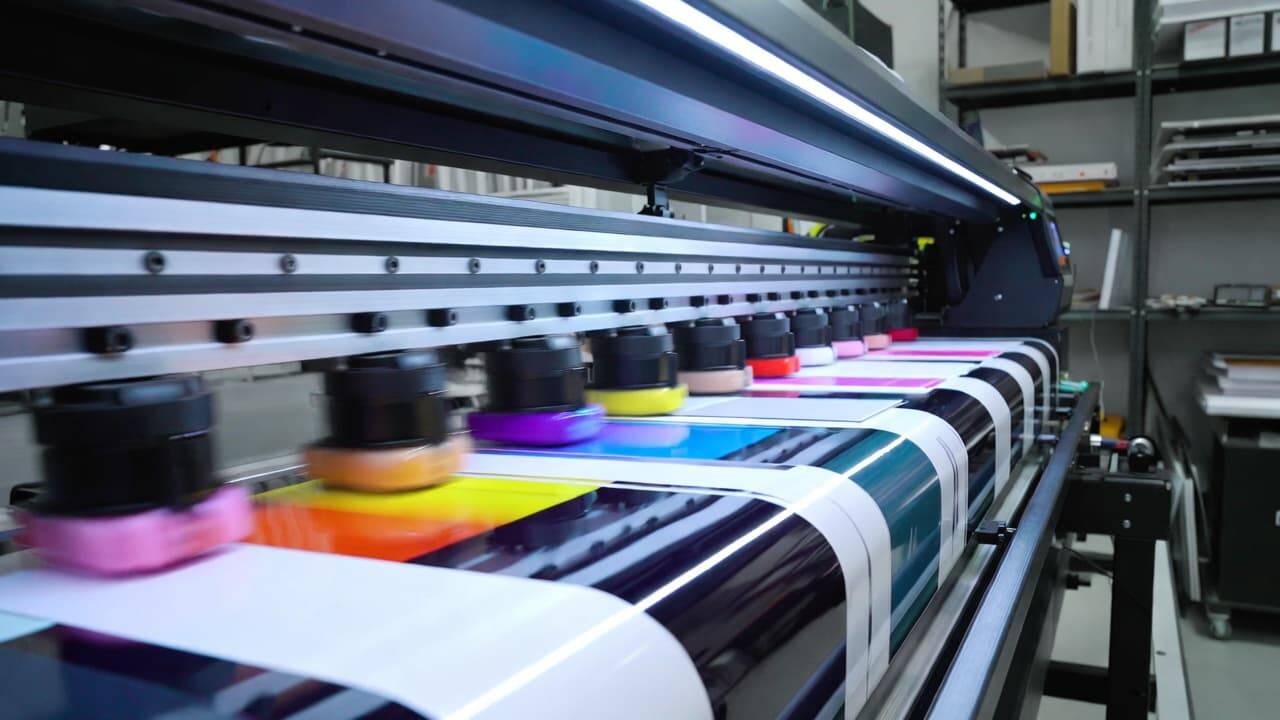
In today’s competitive printing and branding industry, quality is no longer optional—it is expected. Businesses demand prints that are vibrant, durable, and visually impressive across a wide range of materials. Traditional printing methods often struggle with dark substrates, transparent surfaces, or textured finishes. That’s where CMYK+White+Varnish UV printing stands out as a powerful solution.
By combining full-color CMYK inks with white ink and varnish in a UV printing process, businesses can unlock new creative possibilities, improve durability, and deliver premium-quality results. This advanced printing configuration is becoming the preferred choice for packaging, signage, promotional products, and customized merchandise.
In this comprehensive guide, we’ll explore how CMYK+White+Varnish works in UV printing, its key advantages, practical applications, and why it’s a smart investment for modern print businesses.
What is CMYK+White+Varnish in UV Printing?
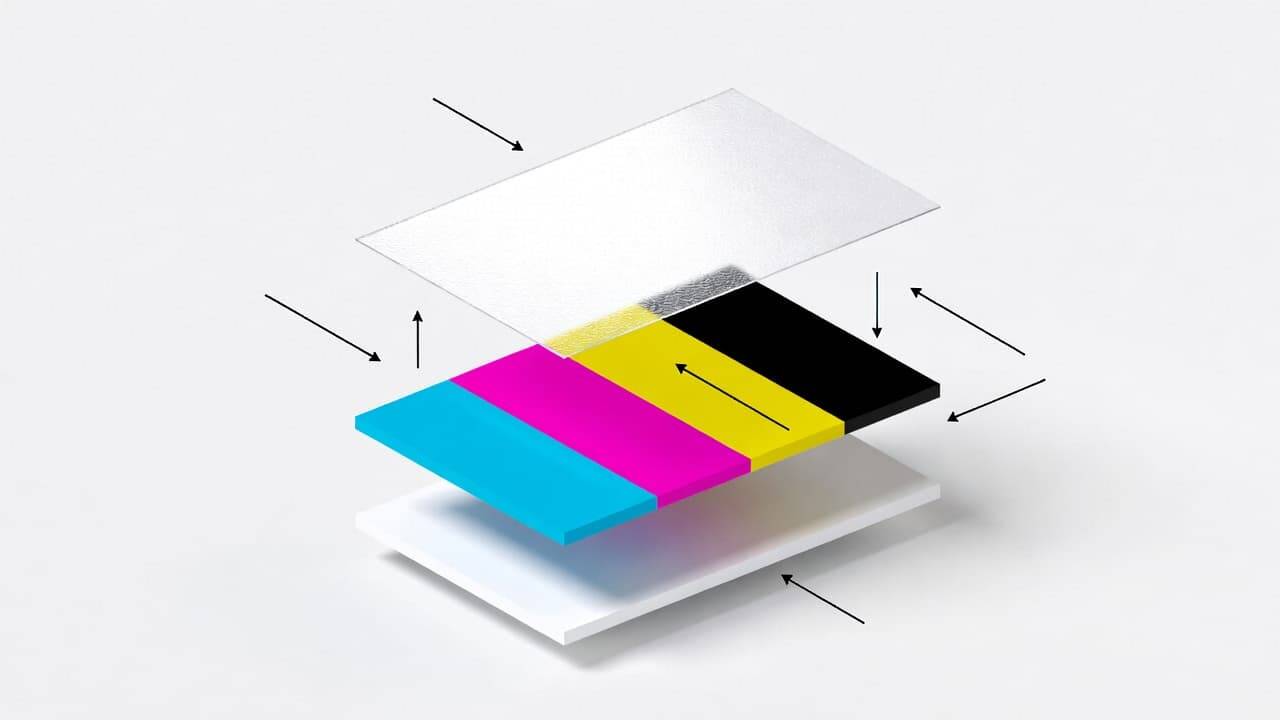
To fully understand its benefits, let’s break down the components:
1. CMYK – The Core Color System
CMYK stands for:
Cyan
Magenta
Yellow
Black
These four process colors are combined in different ratios to create millions of color variations. CMYK is the foundation of digital and commercial color printing.
2. White Ink – The Game Changer
White ink is what makes UV printing truly versatile. Unlike traditional printers that rely on white paper as a base, UV printers can apply a solid white layer beneath the colors. This is especially important when printing on:
Dark materials
Transparent acrylic
Colored plastics
Glass
Metal surfaces
White ink acts as a primer, ensuring that colors remain vivid and accurate instead of appearing dull or washed out.
3. Varnish – The Finishing Touch
Varnish is a clear coating applied either across the entire surface or selectively (spot varnish). It can create:
Glossy finishes
Matte finishes
Raised or textured effects
Embossed-like details
Beyond aesthetics, varnish also protects the print from scratches, moisture, and UV exposure.
4. UV Printing Technology
UV printing uses ultraviolet light to instantly cure the ink as it is printed. This immediate curing process:
Prevents ink spreading
Improves adhesion
Allows printing on non-absorbent materials
Enhances durability
When combined, CMYK+White+Varnish UV printing delivers high-resolution, vibrant, and long-lasting prints on almost any substrate.
Why CMYK+White+Varnish UV Printing is Growing in Popularity
The demand for customized, premium-looking products has significantly increased. Brands want to stand out with unique packaging, signage, and promotional materials. CMYK+White+Varnish makes that possible.
Let’s explore the major benefits in detail.
1. Superior Color Vibrancy on Any Surface
One of the biggest advantages of adding white ink to UV printing is improved color performance.
Printing on Dark Materials
Without a white underbase, colors printed on dark surfaces appear muted. White ink creates a bright foundation that allows CMYK colors to:
Appear true to design
Maintain saturation
Deliver high contrast
Printing on Transparent Materials
For materials like acrylic or glass, white ink ensures:
Opaque designs
Clean color definition
Layered visual effects
When varnish is added, it enhances shine and depth, making colors look even more dynamic.
2. Greater Design Flexibility and Creative Freedom
fApplications of CMYK+White+Varnish UV
Modern branding requires creativity. CMYK+White+Varnish provides designers with expanded possibilities.
Multi-Layer Printing
Designers can create:
White underlayers
Color layers
Varnish top layers
This layered approach enables advanced effects such as:
Highlighted logos
Textured patterns
3D-like graphics
Spot Varnish Effects
Spot varnish can be applied only to selected areas, creating:
Glossy logos on matte backgrounds
Raised text
Premium tactile finishes
These effects elevate the perceived value of products and packaging.
Printing on Unconventional Substrates
UV printers with CMYK+White+Varnish can print on:
Wood
Metal
Acrylic
Leather
PVC
Glass
Foam board
This versatility allows businesses to expand into new markets and product categories.
3. Enhanced Durability and Long-Lasting Prints
Durability is crucial, especially for outdoor signage and product packaging.
Instant UV Curing
Because UV inks cure immediately under UV light:
They bond strongly to the surface
They resist smudging
They maintain sharp edges
Protective Varnish Layer
The varnish coating adds:
Scratch resistance
Moisture protection
UV resistance
Improved chemical resistance
This makes CMYK+White+Varnish UV prints ideal for both indoor and outdoor applications.
4. High Resolution and Fine Detail
UV printing technology supports extremely high resolution output. This allows:
Sharp text
Intricate designs
Detailed graphics
Smooth gradients
For industries like luxury packaging, electronics branding, or decorative panels, detail precision is essential. CMYK+White+Varnish ensures every element appears crisp and professional.
5. Eco-Friendly Printing Solution
Sustainability has become a major consideration for modern businesses.
Lower VOC Emissions
UV inks typically contain fewer volatile organic compounds (VOCs) compared to solvent-based inks.
Reduced Waste
Because UV prints are durable:
Fewer reprints are required
Less material waste occurs
Long-term sustainability improves
Additionally, instant curing reduces energy consumption compared to traditional heat-based drying systems.
6. Cost Efficiency Over Time
While UV printers may require a higher initial investment, they often provide long-term financial benefits.
Reduced Reprints
Durable prints mean fewer replacements.
Precise Ink Application
Digital UV printing minimizes ink waste by applying only the required amount.
Expanded Service Offerings
With CMYK+White+Varnish capability, print businesses can:
Offer premium finishes
Enter high-value markets
Charge higher margins for specialty effects
This improves return on investment (ROI) over time.
Applications of CMYK+White+Varnish UV Printing
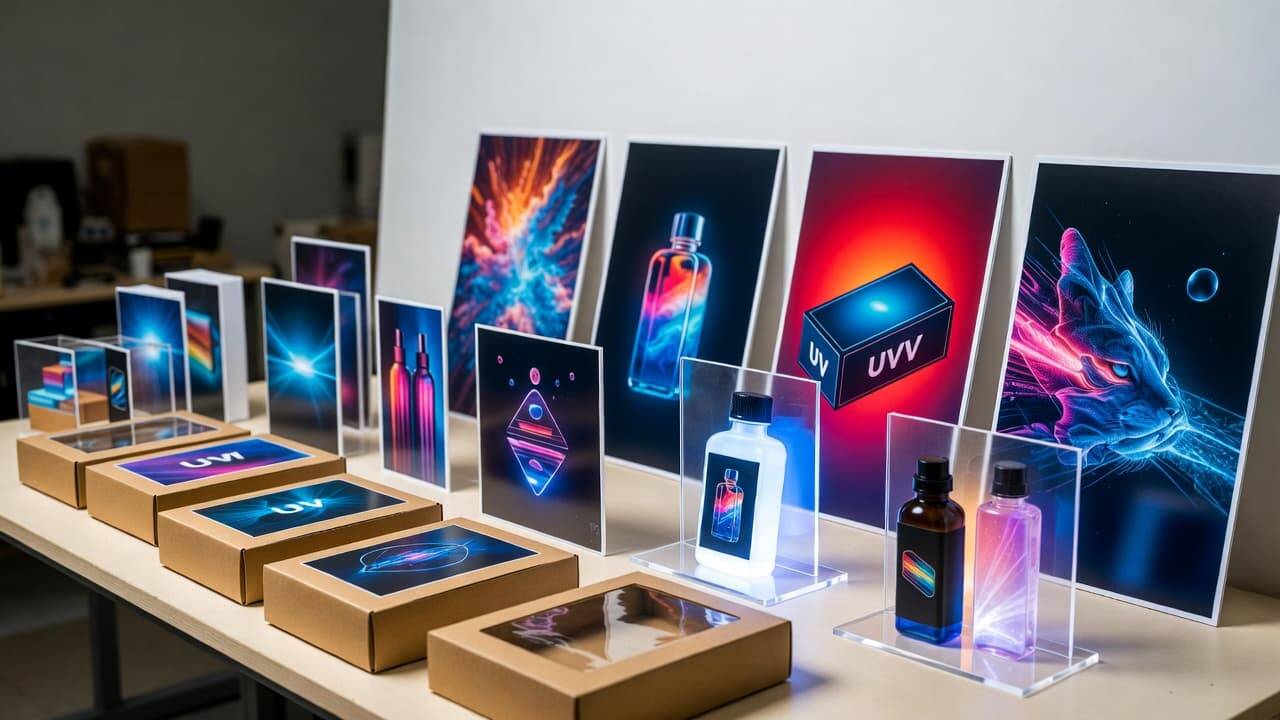
The versatility of this printing method makes it suitable for many industries.
1. Packaging and Labels
Premium packaging is a major differentiator in retail. With CMYK+White+Varnish, brands can create:
Glossy logos on matte boxes
Raised brand names
Durable product labels
Vibrant shelf-ready packaging
These visual enhancements increase customer engagement and brand recall.
2. Signage and Displays
For both indoor and outdoor signage, UV printing delivers:
Weather-resistant graphics
High color vibrancy
Durable finishes
Businesses can create customized signs on acrylic, metal, or PVC boards.
3. Promotional Materials
Marketing materials benefit from:
Textured business cards
High-gloss brochures
Premium flyers
Eye-catching exhibition graphics
Spot varnish can highlight key elements like logos or taglines.
4. Custom Merchandise
CMYK+White+Varnish UV printing is perfect for personalized items such as:
Phone cases
Corporate gifts
Promotional products
Souvenirs
Awards and plaques
The ability to print on various materials ensures endless customization options.
5. Industrial and Decorative Applications
Beyond marketing, UV printing is also used in:
Interior décor panels
Glass partitions
Wooden decorative boards
Industrial control panels
The combination of durability and design flexibility makes it suitable for both decorative and functional purposes.
How CMYK+White+Varnish Improves Brand Value
In today’s market, presentation matters as much as product quality. A textured logo, glossy highlight, or vibrant print can:
Enhance perceived product value
Improve brand recognition
Increase customer trust
Encourage repeat purchases
Premium print finishes help brands stand out in crowded markets.
Choosing the Right UV Printer
When selecting a UV printer with CMYK+White+Varnish capabilities, consider:
Print resolution
Ink configuration flexibility
White ink management system
Varnish layering capability
Substrate compatibility
Maintenance requirements
Investing in a reliable UV printer ensures consistent performance and long-term profitability.
Best Practices for CMYK+White+Varnish UV Printing
To achieve optimal results:
Test substrates before full production runs.
Adjust white ink density according to material color.
Use spot varnish strategically for premium effects.
Maintain printheads regularly.
Use high-quality UV inks for better adhesion and longevity.
Following these steps helps maintain print quality and operational efficiency.
Conclusion
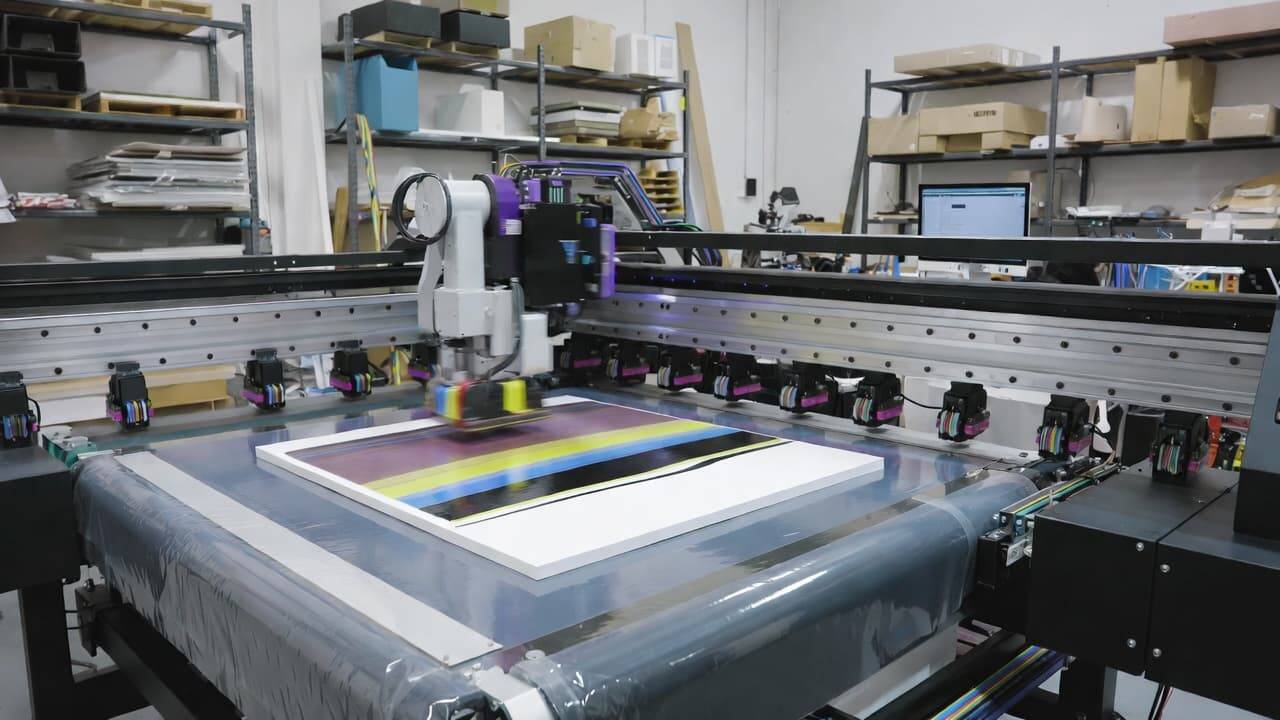
CMYK+White+Varnish UV printing represents a significant advancement in modern printing technology. By combining vibrant CMYK colors with a white underbase and protective varnish layer, businesses can achieve superior color accuracy, design flexibility, durability, and premium finishes.
From packaging and signage to promotional materials and customized merchandise, this printing method delivers high-impact results that meet the growing demand for personalization and quality.explore our high-quality UV printers here.
As businesses continue to prioritize innovation and sustainability, investing in UV printing technology with CMYK+White+Varnish capability is not just an upgrade—it is a strategic decision for long-term growth.
Frequently Asked Questions (FAQ)
What is UV printing?
UV printing is a digital printing process that uses ultraviolet light to instantly cure ink as it is applied to a surface, allowing high-quality printing on various materials.
Why is white ink important in UV printing?
White ink acts as a base layer when printing on dark or transparent materials, ensuring colors appear vibrant and accurate.
What does varnish add to UV prints?
Varnish enhances appearance with glossy, matte, or textured finishes while also protecting prints from scratches and environmental damage.
Can CMYK+White+Varnish UV printing be used outdoors?
Yes. The UV-cured inks and protective varnish make prints highly durable and suitable for outdoor applications.
Is UV printing environmentally friendly?
Compared to traditional solvent printing, UV printing typically produces lower VOC emissions and reduces material waste due to its durability.