

 HOME
HOME PRODUCT CENTER
 ABOUT US
 DOWNLOAD CENTER
 SUPPORT CENTER
 SUBSCRIBE
 BLOG
BLOGThe UV printing industry is rapidly expanding, driven by a growing demand for high-quality, versatile printing solutions. If you’re considering starting a UV printer business, having a well-structured business plan is essential for ensuring long-term success and profitability. Understanding UV Printing Before delving into the business plan, it's crucial to understand what UV printing is and its market potential. UV printing utilizes ultraviolet light to cure or dry ink as it is printed. This process speeds up production and allows for printing on various surfaces like plastic, metal, glass, and wood, making it a versatile choice for businesses. The demand for UV printing technology has been surging across various industries, including advertising, packaging, and custom merchandise. Conducting thorough market research will help you identify your target audience, competitors, and trends in the market. Here are some important aspects to consider: Target Market: Understand who your ideal customers are. They could include businesses needing signage, promotional products, or custom prints. Competitor Analysis: Evaluate existing UV printing companies in your area and analyze their strengths, weaknesses, pricing strategies, and service offerings. Industry Trends: Stay up-to-date with the latest technology, trends, and customer preferences in the UV printing world. Now that you have a grasp of the UV printing market, here's how to structure your business plan: Your executive summary should succinctly capture your business idea, goals, and reasons for starting your UV printing company. Include: Business name and location The services you will offer Your business objectives and mission statement In this section, provide more detailed information about your business. Describe: Your business structure (LLC, Corporation, etc.) The unique selling proposition (USP) that differentiates your UV printing services from competitors Your business goals for the next 1, 3, and 5 years After defining your company, you should dive deeper into market research. Analyze your findings from earlier to formulate strategies for: Identifying customer needs and preferences Assessing potential sales volumes Determining pricing strategies based on competition and customer demand This section should outline your business’s organizational structure. Specify: Management team and their roles Staffing needs and strategies for recruiting talent Advisory board or consultants if applicable Detail the specific services your UV printing business will provide. Some possibilities include: Custom signage Promotional items like t-shirts and bags Packaging solutions Interior and exterior decor Highlight any unique features of your services, such as speed, customizability, or eco-friendliness. Plan how you will attract and retain customers. This could involve: Building a professional website and optimizing it for SEO Utilizing social media marketing Networking within local business communities Offering promotions and discounts for new customers Consider creative campaigns to showcase your UV printing capabilities, like offering samples or engaging in local events. Your sales strategy should define how you plan to sell your products and services. Consider: Direct sales through your website or storefront Collaborations with other businesses Online marketplaces or print-on-demand services Arguably one of the most critical sections, your financial projections should outline: Startup costs, including equipment, materials, and lease expenses Projected revenues based on market research and pricing strategy Break-even analysis, determining how long it will take to cover your initial investment Profit and loss forecast for the first three to five years If you need financial support, detail how much funding you require, how you plan to use the funds, and potential sources for investment. This could include: Personal savings Bank loans Angel investors Grants or crowdfunding options Once your business plan is in place, it’s time to put it into action. Here are critical steps to launch: Register your business and obtain necessary licenses. Invest in high-quality UV printing equipment. Explore our high-quality UV printers here. Set up your workspace, ensuring it meets health and safety regulations. Develop a website and implement your marketing plan, focusing on both digital and traditional channels. Network with other local businesses and join industry associations. After launching, it’s vital to continue assessing and refining your business strategies to enhance profitability. Here are some ways to scale: Expand your product offerings based on customer feedback. Optimize production processes for efficiency. Consider additional revenue streams such as tutorials or workshops on UV printing. Focus on customer retention through loyalty programs and excellent customer service. Starting a UV printing business can be both fulfilling and profitable, provided you take the time to develop a detailed business plan. By understanding the market, defining your services, and implementing effective marketing and sales strategies, you’ll set yourself up for success. Remember to continually adapt to trends and customer needs, and you’ll be on the path to long-term profitability. The initial investment can vary, but typically includes costs for UV printing equipment, workspace setup, marketing, and operational expenses. A budget between $20,000 and $100,000 is common for startups, depending on your scope and scale. Some of the most popular products include custom signage, promotional items, decorative materials, and packaging solutions. Businesses also seek UV printing for items like gifts and interior decorations. Yes, many entrepreneurs start UV printing businesses from home, provided they have enough space for the necessary equipment and can adhere to local zoning and licensing regulations. Utilize a combination of online and offline marketing strategies. Create an impressive online presence, use social media, attend networking events, and consider collaborations with local businesses to find customers. Turnaround times can vary based on the complexity of the project, but most UV printing jobs can typically be completed within a few days, with more urgent requests often accommodated for an additional fee.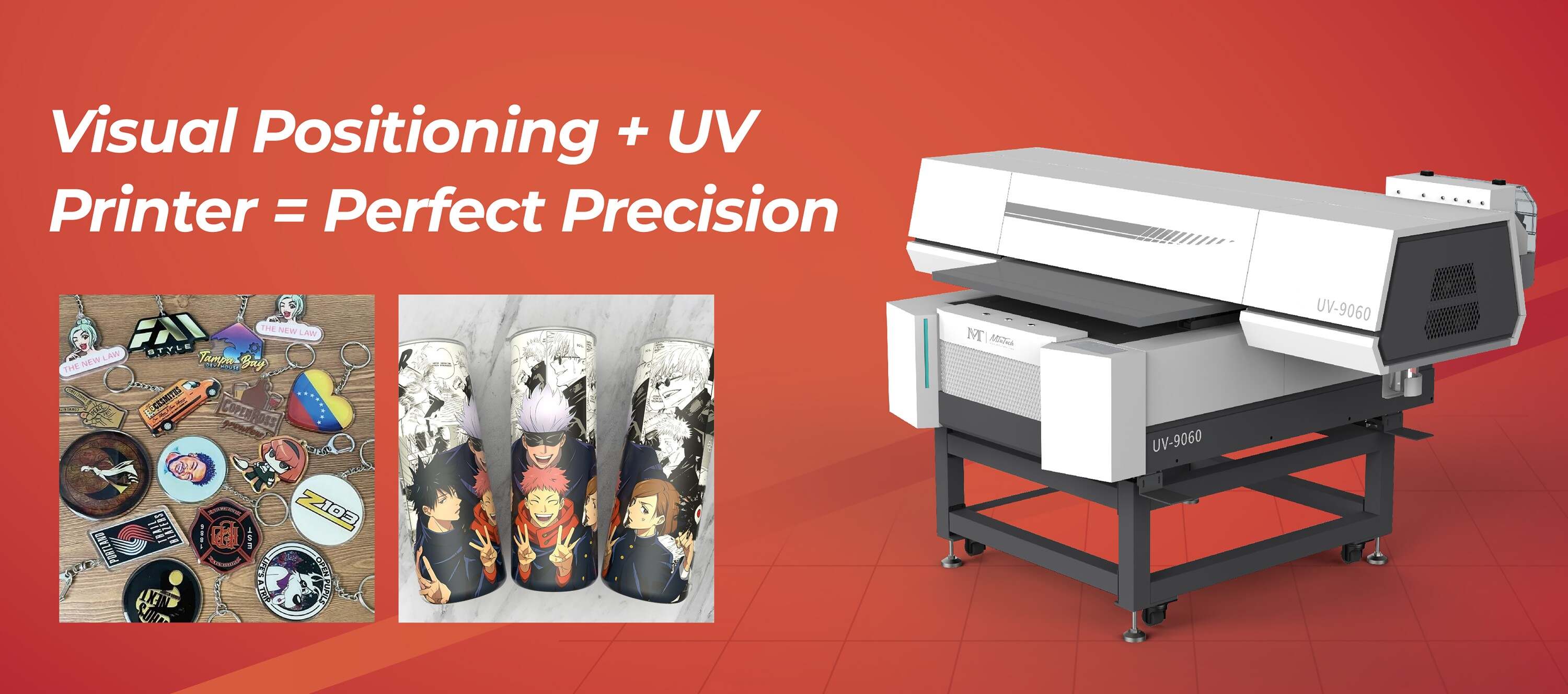
Introduction
Market Analysis
Your Business Plan Framework
1. Executive Summary
2. Company Description
3. Market Research
4. Organization and Management
5. Services Offered
6. Marketing Strategies
7. Sales Strategy
8. Financial Projections
9. Funding Requirements
Launching Your UV Printing Business
Scaling Your Business for Profit
Conclusion
FAQ
What initial investment is required to start a UV printer business?
What are the most popular products in UV printing?
Can I operate a UV printing business from home?
How do I find customers for my UV printing business?
What are the typical turnaround times for UV printing jobs?
UV Printer Business Plan Template: From Startup to Profit
7 February 2026
Online Inquiry
Lastest News
-
1:18 pm · 29 Apr 26
UV Printing Certification Programs and Industry Standards
-
9:53 am · 28 Apr 26
How Tariffs and Trade Policies Affect UV Printer Pricing
-
10:40 am · 27 Apr 26
What to Expect in UV Printer Technology as Patents Expire in 2025-2026
-
10:06 am · 25 Apr 26
Government Grants and Funding for UV Printing Businesses