

 HOME
HOME PRODUCT CENTER
 ABOUT US
 DOWNLOAD CENTER
 SUPPORT CENTER
 SUBSCRIBE
 BLOG
BLOG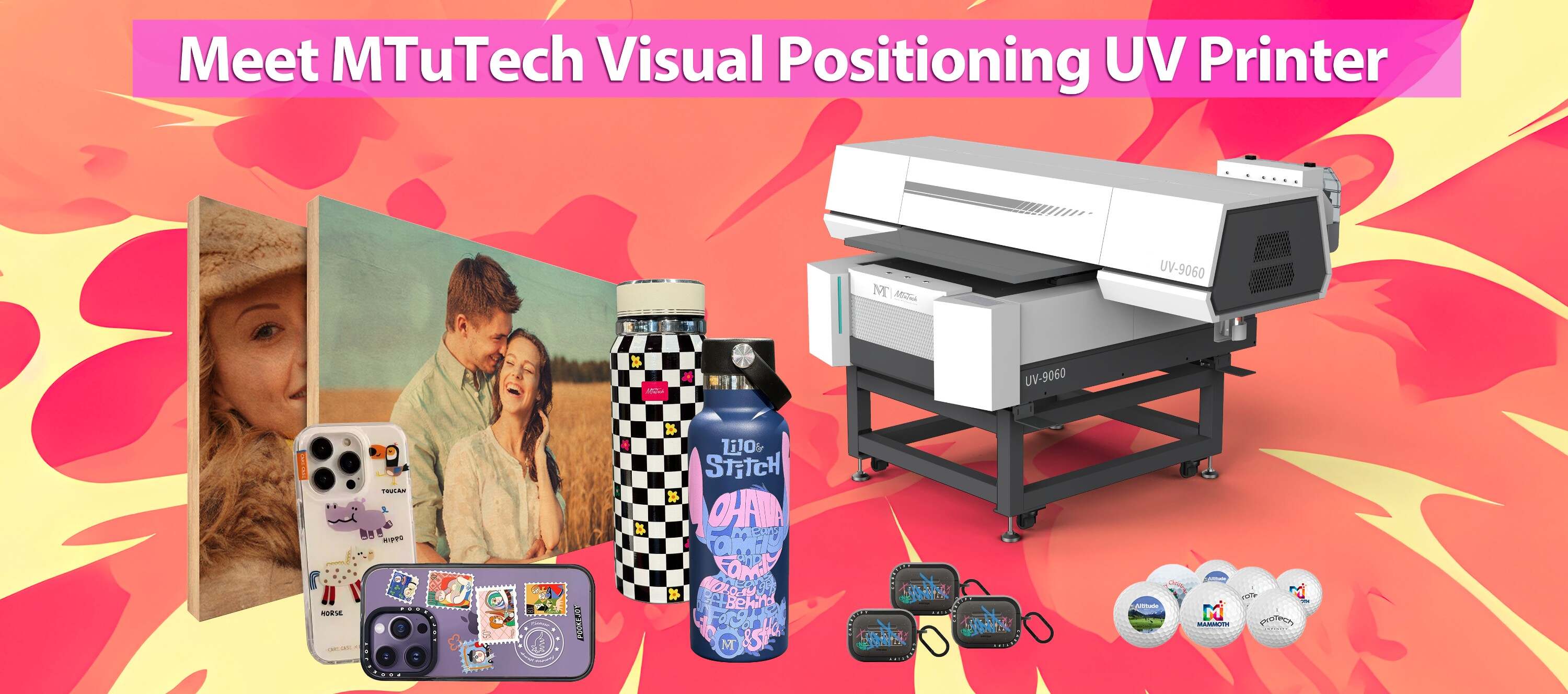
Introduction
In the world of architecture and interior design, aesthetics play a pivotal role in creating spaces that inspire and engage. One innovative technology that has gained significant traction in recent years is UV printing, a technique that offers unparalleled versatility and quality for architectural glass and decorative panels. This blog post delves into the process, advantages, and applications of UV printing, providing insights for architects, designers, and manufacturers seeking to enhance their projects.
Understanding UV Printing
UV printing, or ultraviolet printing, involves using ultraviolet light to cure or dry the ink as it is printed. This technology allows for high-quality, vibrant colors and intricate designs on a wide range of materials, including glass and decorative panels. The UV light solidifies the ink instantly, reducing the drying time significantly and producing durable results that can withstand the elements.
Benefits of UV Printing for Architectural Glass
When it comes to architectural glass, UV printing provides a multitude of advantages that can elevate design aspects and functionality. Here are some of the key benefits:
Vibrant Colors: UV printing allows for high-resolution prints with a rich color palette, enabling designers to replicate intricate designs and color schemes.
Durability: The cured ink forms a strong bond with the glass surface, making it resistant to scratching, fading, and weather conditions.
Environmental Sustainability: UV printing uses eco-friendly inks that are free of volatile organic compounds (VOCs), contributing to a greener environment.
Customization: The technology allows for tailored designs to meet specific aesthetic or branding requirements, making each project unique.
Versatility: Besides glass, UV printing can be applied to various materials like acrylic, metal, and wood, providing flexibility in design choices.
Applications of UV Printing in Architecture
UV printing is incredibly versatile and can be applied in various aspects of architecture and design. Here are some notable applications:
1. Facade Design
Architectural facades often set the tone for a building’s appearance. UV printing allows for customized graphics on glass panels that can showcase the brand, artwork, or architectural details that complement the overall structure.
2. Interior Decor
From glass partitions to windows and decorative screens, UV-printed designs can enhance interior aesthetics, creating visually striking environments that leave a lasting impression.
3. Signage
Outdoor and indoor signage can benefit from UV printing by applying bold graphics and texts that remain visible and vibrant despite exposure to various elements.
4. Artistic Installations
Artists and designers can leverage UV printing for creating stunning installations that feature intricate designs or large, immersive artworks on glass and panel surfaces.
The UV Printing Process
Understanding the UV printing process is crucial for those interested in utilizing this technology for architectural projects. Here's a step-by-step overview:
Design Creation: The initial step involves designing the artwork on specialized software, ensuring that colors and details align with project requirements.
Material Preparation: The surface of the glass or panel is cleaned and prepared for printing to ensure optimal adhesion.
Printing: The UV printer applies ink directly onto the surface while UV lights simultaneously cure the ink as it lays down, providing immediate results.
Finishing Touches: Post-printing processes may include additional treatments or coatings that enhance durability or add specific visual effects.
Choosing the Right UV Printer
Selecting an appropriate UV printer is critical for achieving optimal results. Here are some factors to consider:
Printer Size and Configuration: Ensure the printer can accommodate the dimensions and type of materials you plan to use.
Ink Quality: High-quality UV inks enhance longevity and color vibrancy, critical for architectural applications.
Print Resolution: Look for printers that offer high-resolution capabilities, ensuring detailed designs come to life.
Ease of Use: User-friendly interfaces and software compatibility can streamline workflow and enhance productivity.
To explore high-quality UV printers that meet these criteria, explore our high-quality UV printers here.
Challenges and Considerations
Despite its advantages, UV printing comes with certain challenges that practitioners should be aware of:
Cost: High-quality UV printers can be an investment, which might pose budget constraints for some projects.
Material Limitations: Not all glass surfaces are suitable for UV printing; some may require special coatings or treatments for optimal results.
Knowledge and Skills: Familiarity with design software and printer operation is necessary to achieve exceptional results.
Conclusion
UV printing has revolutionized the way architects and designers approach architectural glass and decorative panels. With its ability to produce vibrant, customizable designs quickly and durably, it stands out as a preferred choice for modern architectural projects. By understanding the myriad benefits and applications, as well as how to choose the right printer, professionals can take full advantage of this innovative printing technology to create stunning environments that captivate and inspire.
FAQ
What types of surfaces can be printed using UV printing?
UV printing can be applied to various surfaces, including glass, acrylic, metal, wood, and more, making it suitable for diverse architectural materials.
How does UV printing compare to traditional printing methods?
Unlike traditional printing methods that require longer drying times and may not adhere well to non-porous surfaces, UV printing cures instantly, produces higher quality outputs, and can effectively print on a wider range of materials.
Are UV printed surfaces safe for indoor use?
Yes, UV printed surfaces are generally safe for indoor use. The inks used are eco-friendly, and many UV printers use inks that comply with safety standards for various applications.
What maintenance is required for UV printed surfaces?
UV printed surfaces are durable and resistant to scratches and fading; however, regular cleaning with non-abrasive cleaners will help maintain their appearance and extend their lifespan.