

 HOME
HOME PRODUCT CENTER
 ABOUT US
 DOWNLOAD CENTER
 SUPPORT CENTER
 SUBSCRIBE
 BLOG
BLOGLaser vs Visual Positioning Systems in UV Printers
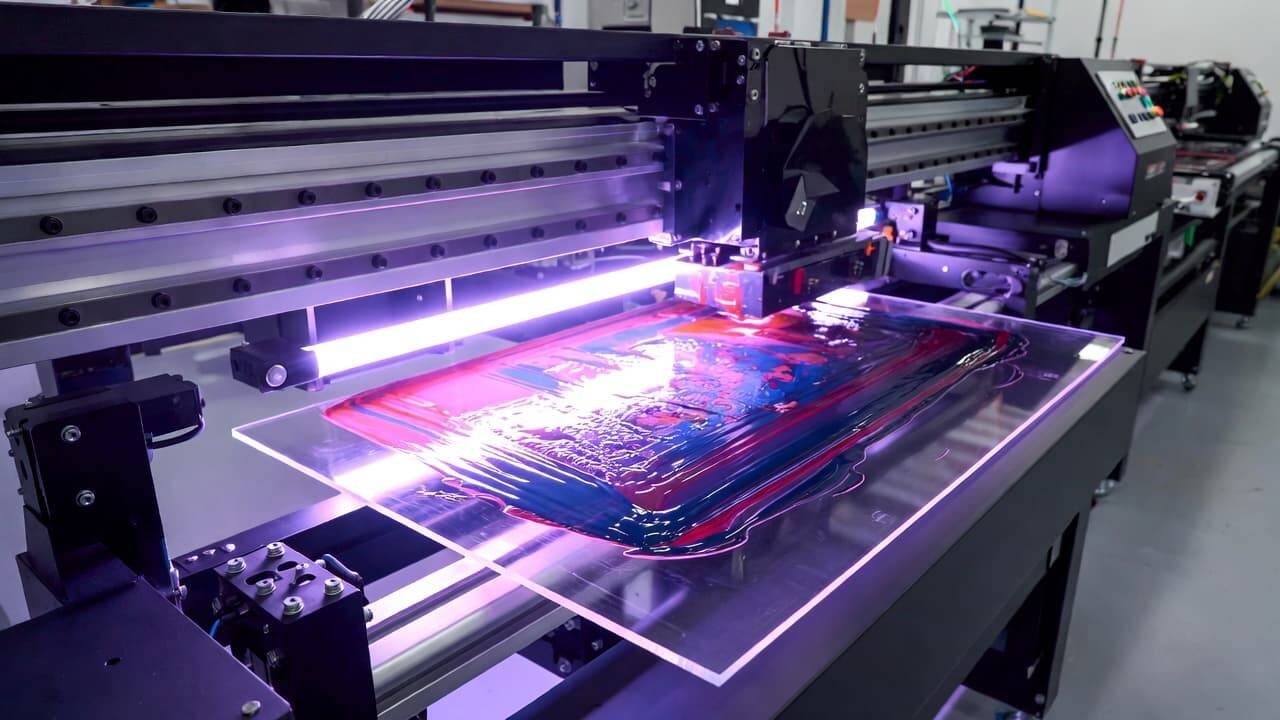
UV printing technology has transformed the modern printing industry by enabling high-resolution, durable prints on a wide variety of materials. From rigid boards and glass panels to metal sheets and customized promotional products, UV printers are now essential tools for businesses seeking quality, speed, and versatility. However, one critical factor that directly impacts print accuracy and production efficiency is the positioning system used in the printer.
Two of the most widely adopted alignment technologies in UV printers today are laser positioning systems and visual positioning systems. Both are designed to ensure precise placement of graphics, but they operate in fundamentally different ways and serve different production needs.
If you are planning to invest in a UV printer or upgrade your existing system, understanding the differences between laser and visual positioning is crucial. This in-depth guide explores how each system works, their advantages and limitations, performance comparisons, industry applications, cost considerations, and how to choose the right solution for your business.
Understanding UV Printing Technology
Before comparing positioning systems, it is important to understand how UV printing works.
UV printers use ultraviolet light to instantly cure specially formulated UV inks during the printing process. Unlike traditional solvent-based inks that dry through evaporation, UV inks harden immediately when exposed to UV light. This offers several advantages:
Faster production cycles
Vibrant color output
High resistance to scratches and fading
Compatibility with rigid and non-porous materials
Reduced environmental impact
Because UV printers can print on materials such as acrylic, wood, metal, leather, glass, ceramic, and plastic, precision alignment becomes essential. Even slight misalignment can lead to waste, blurred prints, or rejected products. This is where positioning systems play a vital role.
What Is a Laser Positioning System in UV Printers?
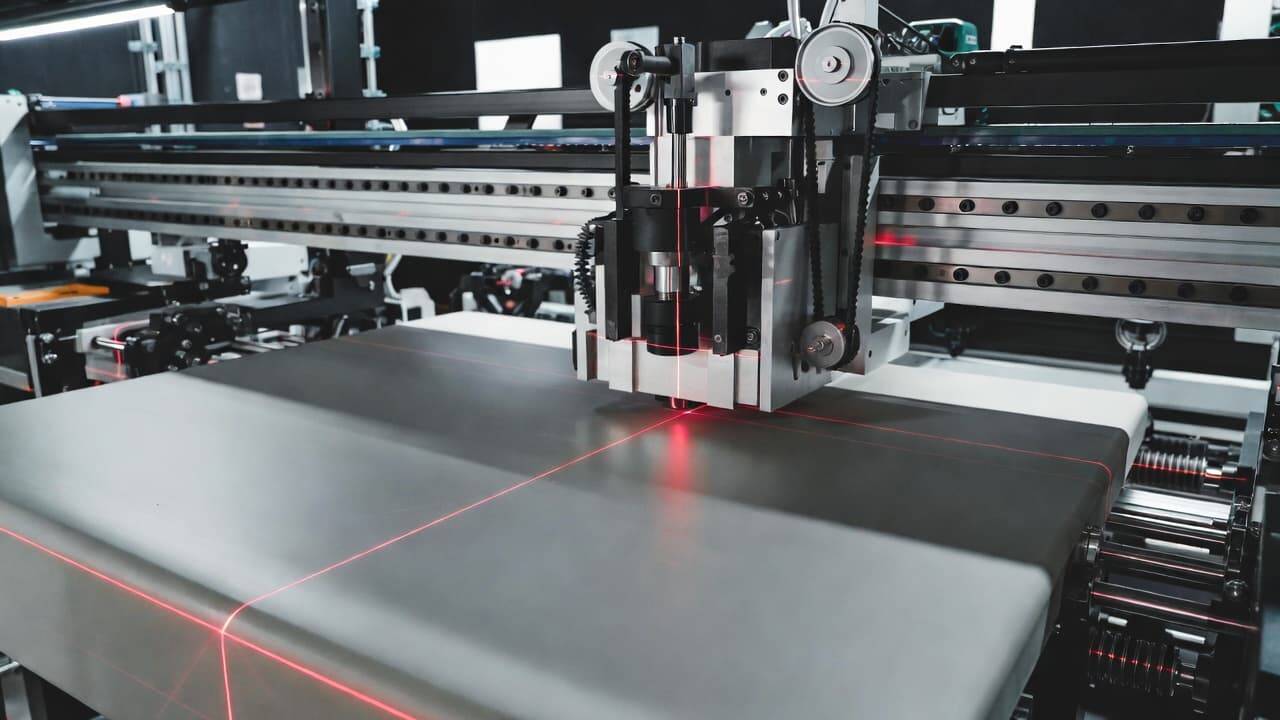
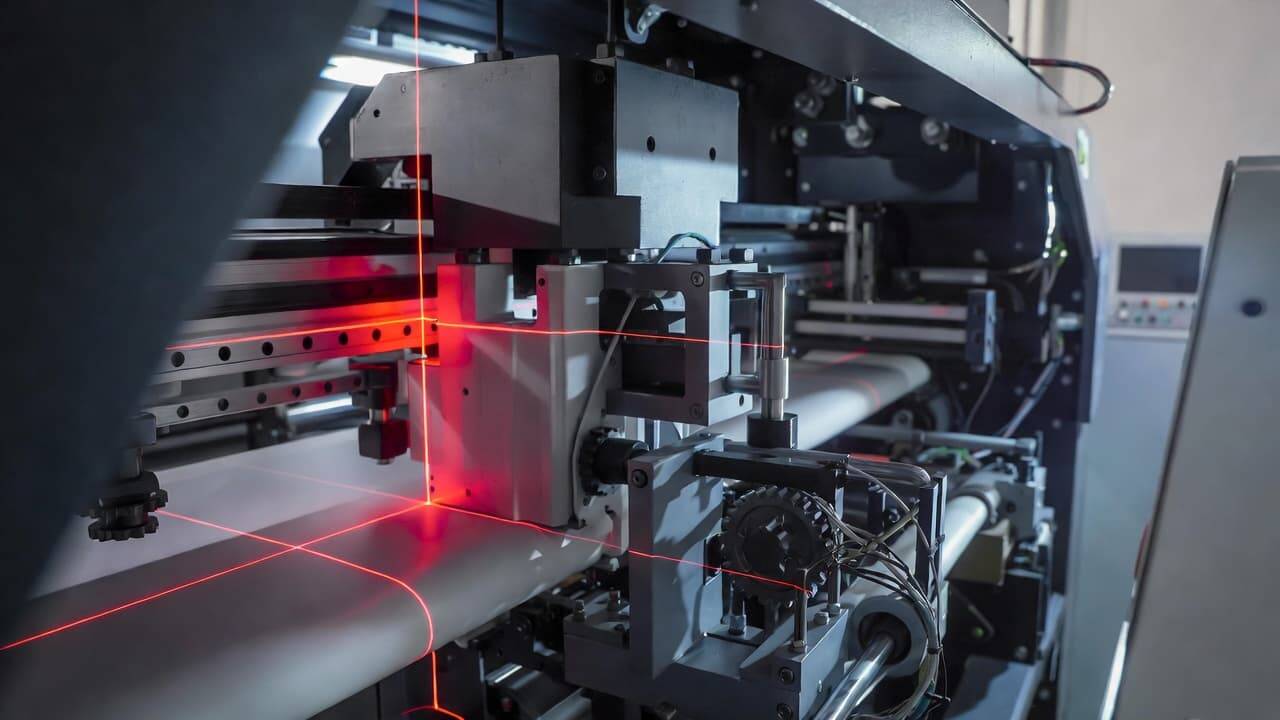
A laser positioning system uses a focused laser beam to identify and define the print area. The laser projects alignment lines or points onto the substrate, guiding the operator or the print head to position the design accurately.
In many UV flatbed printers, the laser acts as a reference marker. It helps ensure that the print head starts at the correct coordinates and maintains consistent alignment across multiple pieces.
How Laser Positioning Works
The substrate is placed on the printer bed.
The laser beam projects alignment indicators onto the material.
The system detects edges or reference points.
The printer aligns the print job based on these coordinates.
Laser positioning is especially useful in repetitive production runs where consistent alignment is required.
Advantages of Laser Positioning Systems
1. High Precision
Laser technology provides extremely accurate alignment. This makes it ideal for:
Intricate designs
Fine text printing
Detailed logos
Industrial markings
When precision is non-negotiable, laser systems deliver reliable results.
2. Fast Setup and Production Speed
Laser scanning happens quickly, allowing operators to position materials faster. In high-volume production environments, this reduces downtime and increases throughput.
3. Consistency Across Large Batches
Laser systems maintain uniform alignment across multiple units. For industries producing hundreds or thousands of identical items, this consistency reduces error rates.
4. Durable Technology
Laser components are generally long-lasting and resistant to wear. Since there are fewer moving mechanical parts involved in alignment, maintenance frequency can be lower compared to older positioning technologies.
5. Ideal for Structured and Flat Materials
Laser positioning performs particularly well on flat and uniform surfaces, where reference edges are clearly defined.
Limitations of Laser Positioning Systems
Despite their strengths, laser systems are not perfect for every scenario.
1. Higher Initial Cost
Laser positioning modules increase the overall price of a UV printer. For startups or small businesses, this investment may be significant.
2. Limited Adaptability to Irregular Surfaces
If the material has uneven textures, transparent edges, or irregular shapes, laser detection may struggle to identify reference points accurately.
3. Specialized Maintenance
Although durable, laser systems may require technical expertise for calibration or repair.
4. No Real-Time Image Feedback
Laser systems typically do not “see” the substrate the way camera systems do. They rely on reference coordinates rather than visual comparison.
What Is a Visual Positioning System in UV Printers?
fFeature Comparison: Laser vs Visual Positi
A visual positioning system uses cameras combined with intelligent software to detect and align print areas automatically. The system captures images of the substrate and compares them with digital templates or predefined reference marks.
This technology is often referred to as a camera-based alignment system.
How Visual Positioning Works
The substrate is placed on the printer bed.
Built-in cameras scan the surface.
The software identifies edges, shapes, or markers.
The system adjusts the print position automatically.
This approach allows for dynamic and real-time alignment adjustments.
Advantages of Visual Positioning Systems
1. High Flexibility
Visual systems can adapt to:
Irregular shapes
Pre-cut materials
Transparent or colored substrates
Mixed batches
This makes them ideal for custom printing businesses.
2. Cost-Effective Solution
Compared to laser positioning, visual systems are often more affordable. This makes them attractive to small and medium-sized enterprises.
3. Real-Time Error Detection
Because cameras continuously monitor the substrate, misalignments can be detected immediately. This reduces material waste.
4. User-Friendly Operation
Modern visual positioning systems come with intuitive software interfaces. Operators can easily adjust alignment settings without specialized technical knowledge.
5. Ideal for Short Runs and Custom Jobs
If your business handles personalized products in small quantities, visual systems offer faster job switching and greater flexibility.
Limitations of Visual Positioning Systems
1. Slightly Lower Precision for Ultra-Fine Work
While highly accurate, visual systems may not match the micro-level precision of laser systems in industrial-grade applications.
2. Lighting Sensitivity
Camera performance depends on proper lighting conditions. Poor lighting can affect detection accuracy.
3. Processing Time
Image recognition and software analysis may slightly increase processing time compared to direct laser alignment in some scenarios.
Feature Comparison: Laser vs Visual Positioning
Below is a practical comparison of key features:
Accuracy
Laser: Very high precision
Visual: High but slightly lower for intricate micro-detail
Speed
Laser: Faster for repetitive production
Visual: Moderate, especially during image analysis
Cost
Laser: Higher investment
Visual: More budget-friendly
Flexibility
Laser: Best for structured layouts
Visual: Excellent for irregular and varied materials
Maintenance
Laser: Technical calibration may be required
Visual: Routine software updates and camera cleaning
Error Detection
Laser: Limited real-time visual feedback
Visual: Continuous monitoring and correction
Industry Applications of Laser Positioning
Laser positioning systems are commonly used in industries that demand extreme precision.
Automotive Industry
Custom dashboards, interior panels, and branding elements require consistent alignment. Laser positioning ensures uniformity across production runs.
Aerospace Components
Industrial markings and identification labels must meet strict accuracy standards.
Electronics Manufacturing
Printing circuit boards or labeling small electronic components requires micro-level alignment.
Industrial Equipment Labeling
Serial numbers and regulatory information must be printed precisely to comply with safety standards.
Industry Applications of Visual Positioning
Visual positioning systems are highly popular in creative and commercial printing environments.
Promotional Products
Custom keychains, phone cases, mugs, and corporate gifts often involve irregular shapes. Visual alignment simplifies positioning.
Packaging and Labeling
Short-run packaging prototypes benefit from camera-based flexibility.
Personalized Merchandise
Photo frames, customized plaques, and personalized items require quick job changes and accurate alignment.
Signage and Decorative Panels
When printing on decorative acrylic or textured surfaces, visual systems adapt more easily.
Cost Considerations and ROI
When evaluating UV printer positioning systems, cost should be viewed in terms of return on investment (ROI), not just purchase price.
Laser System Investment
Higher upfront cost
Lower error rates in high-volume runs
Better suited for large-scale manufacturing
Businesses with consistent production lines may recover their investment quickly through efficiency gains.
Visual System Investment
Lower initial expense
Reduced waste in custom jobs
Greater versatility for diverse product lines
For small businesses or print shops offering customized services, visual systems often deliver faster ROI.
Production Volume and Workflow Impact
Your production model plays a major role in selecting the right positioning system.
High-Volume Manufacturing
Laser systems are advantageous when:
Producing identical items in bulk
Operating automated production lines
Requiring minimal manual intervention
On-Demand and Custom Printing
Visual systems perform better when:
Handling small, varied batches
Frequently switching between designs
Working with pre-shaped or irregular items
Material Compatibility Comparison
UV printers are known for printing on diverse substrates. Positioning systems affect how efficiently these materials are handled.
Laser positioning works best with:
Flat boards
Structured panels
Consistent material dimensions
Visual positioning excels with:
Pre-cut shapes
Transparent materials
Mixed material thicknesses
Textured surfaces
Future Trends in UV Printer Positioning Technology
As printing technology evolves, positioning systems are becoming smarter and more automated.
Emerging trends include:
AI-powered image recognition
Hybrid systems combining laser and camera alignment
Improved lighting calibration systems
Faster processing algorithms
Integration with automated loading systems
In the future, hybrid positioning solutions may combine the precision of lasers with the adaptability of visual systems.
How to Choose the Right Positioning System
To select the best UV printer positioning system for your business, consider the following:
1. Nature of Your Projects
Do you print intricate industrial designs or personalized merchandise?
2. Budget
Are you looking for a long-term industrial investment or a flexible startup solution?
3. Material Range
Do you work mostly with uniform flat materials or diverse custom shapes?
4. Production Volume
Is your focus on mass production or small-batch customization?
5. Technical Expertise
Does your team have experience handling advanced calibration systems?
Answering these questions will help align your investment with your operational goals.
Frequently Asked Questions
What is the main difference between laser and visual positioning in UV printers?
Laser systems use beams for coordinate alignment, while visual systems rely on cameras and image-processing software to detect and adjust positioning.
Which positioning system offers better precision?
Laser positioning generally provides higher micro-level accuracy, especially for industrial applications.
Is visual positioning suitable for beginners?
Yes. Visual systems are typically more user-friendly and easier to operate.
Can both systems be used in the same printer?
Some advanced UV printers offer hybrid solutions that combine laser and camera technologies.
Which system is better for small businesses?
Visual positioning systems are often more cost-effective and flexible for small-scale operations.
Final Thoughts
Choosing between laser and visual positioning systems in UV printers is not about determining which is universally better—it is about identifying which aligns with your specific business model.explore our high-quality Visual Positioning UV printers here
Laser positioning systems deliver exceptional precision and speed, making them ideal for industrial environments and high-volume production. Visual positioning systems, on the other hand, provide flexibility, adaptability, and affordability, making them perfect for customized and small-batch printing.
As UV printing technology continues to evolve, positioning systems will become even more intelligent and efficient. Investing in the right alignment technology today ensures higher productivity, lower waste, and long-term business growth.
By carefully evaluating your production needs, materials, and budget, you can confidently select a UV printer positioning system that enhances both print quality and operational efficiency.